
Key Takeaways
- Frozen shoulder, also known as adhesive capsulitis, leads to pain and stiffness that hinder normal shoulder movement and interfere with daily activities.
- Acupuncture can potentially reduce pain and improve mobility in frozen shoulder cases, particularly when used alongside physical therapy.
- The condition advances through stages of freezing, being frozen, and thawing, each characterized by unique symptoms and treatment requirements.
- Research indicates that acupuncture can help manage frozen shoulder, but it should be included as part of a complete treatment strategy.
- Consulting a qualified practitioner can help include acupuncture effectively in your recovery plan to enhance shoulder function.

Struggling with Shoulder Pain?
When your shoulder feels sore and stiff, even everyday tasks like reaching into a cabinet, getting dressed, washing your hair, fastening your seat belt, or reaching behind your back can become challenging. Many people also struggle to find a comfortable position to sleep at night, which can add to their frustration.
Shoulder pain can have many causes, but frozen shoulder, or adhesive capsulitis, is especially difficult. It leads to pain and a slow loss of both active and passive movement in the shoulder. This condition usually affects people in middle age and is more common in women. About 2% to 5% of people get adhesive capsulitis.
A minor shoulder strain might get better after a few days of rest, but frozen shoulder usually gets worse slowly and can last for months or even years. The pain can be intense, but many people find losing shoulder movement just as upsetting as the pain.
Treating frozen shoulder is about more than just easing pain. The right approach depends on your needs and may include physical therapy, shoulder exercises, medications, corticosteroid injections, hydrodilatation, acupuncture, or other orthopedic treatments. All of these aim to help you feel better and move more comfortably.
Acupuncture can be part of a full treatment plan to help with pain and improve how your shoulder moves. Studies show good results, especially when acupuncture is combined with rehab and movement exercises.
Let’s take a closer look at what frozen shoulder is, why it happens, and how acupuncture might help you feel better.
What is Frozen Shoulder?

Frozen shoulder affects the capsule around the shoulder joint. This tissue usually permits full shoulder movement. In adhesive capsulitis, the capsule inflames, thickens, and tightens, leading to increasing movement restrictions.
Frozen shoulder is distinct from other shoulder issues because both active and passive movements are restricted. This means you may struggle to lift your own arm, and even when someone else moves your relaxed arm, it will be difficult to move through the normal range.
Frozen shoulder typically progresses through three overlapping stages, but the duration and severity of each can vary significantly from person to person.
Freezing, Frozen, and Thawing Stages
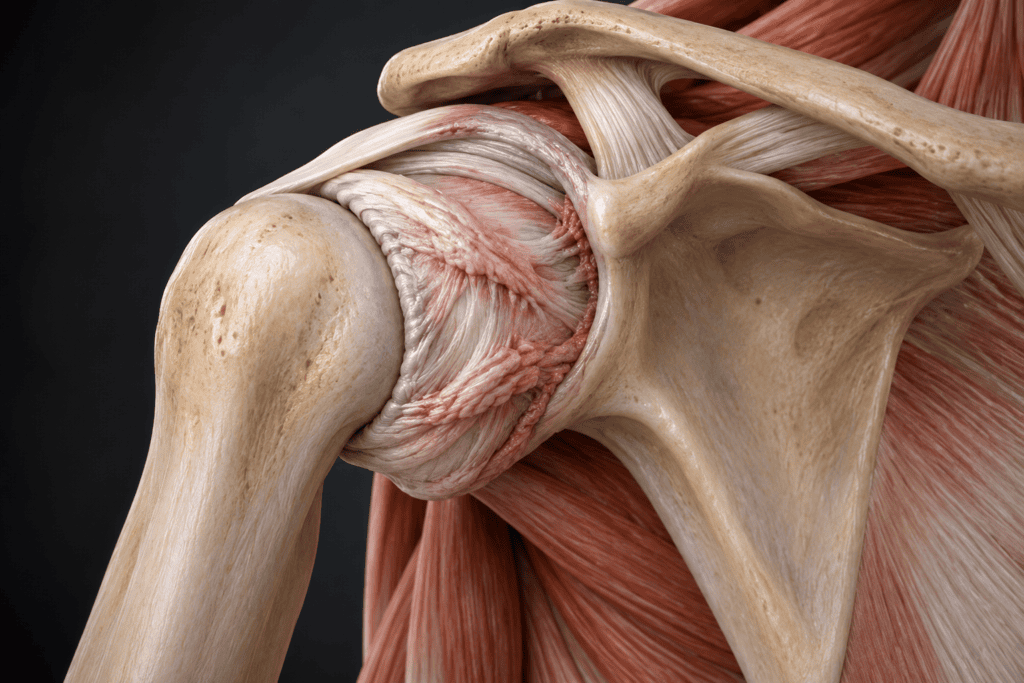
1. Freezing Stage
During the freezing stage, shoulder pain often intensifies over time. Movements that were once simple may start to cause discomfort, and the shoulder gradually loses range of motion.
Nighttime pain can be particularly challenging at this stage. Some individuals first notice an issue when they struggle to sleep comfortably on the sore shoulder or when movements like reaching backward or overhead increase the pain.
2. Frozen Stage
In the frozen stage, pain may start to lessen, but stiffness becomes the main issue. The shoulder might feel like it just won’t move past a certain point.
Simple tasks like putting on a jacket, reaching into a high cabinet, washing your hair, or reaching behind your back can become much harder. This stiffness can also make work, exercise, driving, chores, and hobbies more difficult.
3. Thawing Stage
During the thawing phase, shoulder movement gradually recovers. Pain typically diminishes, and daily tasks become simpler as mobility improves.
Recovery from frozen shoulder can be slow. Although it’s often said to resolve on its own, this isn’t always true. Many individuals improve over time, but symptoms may persist for years, and some still experience limitations afterward.
Doctors mainly diagnose frozen shoulder through clinical symptoms and physical examination. Imaging such as X-rays or MRI scans is not always needed for typical cases, but a doctor may order these tests to exclude other conditions like arthritis, rotator cuff issues, injury, or different causes of shoulder pain.
Because various shoulder issues can cause similar symptoms, a healthcare professional should evaluate persistent or intense shoulder pain and restricted movement rather than assuming it’s frozen shoulder.
What Causes Frozen Shoulder?

A frustrating aspect of frozen shoulder is the lack of a clear cause. Often, it occurs without any apparent injury or trigger, known as primary or idiopathic adhesive capsulitis.
Frozen shoulder can also develop when the shoulder hasn’t moved normally for a while. Causes include injury, fracture, surgery, or prolonged immobility. Staying still can lead to increasing stiffness and restricted movement over time.
Certain medical conditions are linked to a higher risk as well. Diabetes is among the most well-known associations, with studies showing adhesive capsulitis occurring much more often in people with diabetes compared to those without. Additionally, thyroid disorders, especially hypothyroidism, have been connected to frozen shoulder.
Age is a factor as well. Frozen shoulder occurs most frequently in people aged 40 to 60, and women are diagnosed more often than men.
Having risk factors for frozen shoulder doesn’t guarantee you will develop it. Many healthy individuals experience it without a specific cause. It’s essential to consider each person’s medical history, as treatment should target pain, restricted movement, and any other health or physical concerns.
How Acupuncture Can Help Frozen Shoulder
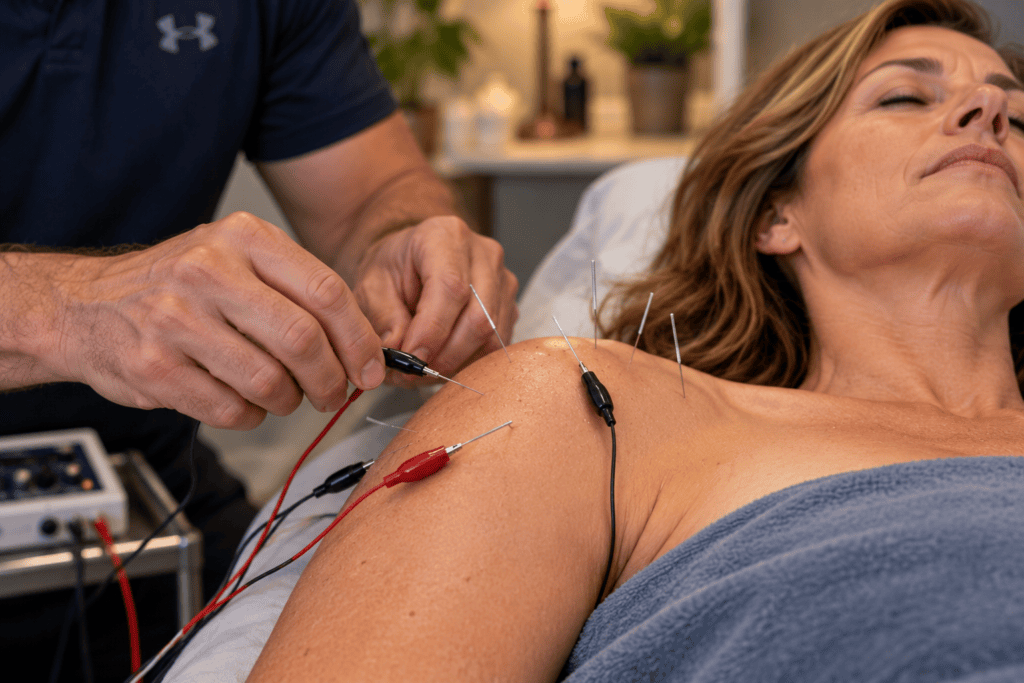
Frozen shoulder typically improves gradually, but the wait can be difficult as pain disrupts sleep, work, exercise, and daily activities. Recovery may last months or more. Therefore, treatment focuses on pain management and gradually restoring shoulder movement.
Acupuncture can be integrated into this process. According to Traditional Chinese Medicine, treatment focuses on restoring the proper flow of Qi and Blood through the channels related to the affected area. The acupuncture may target points around the shoulder as well as distal points located elsewhere on the body.
From a medical perspective, research on acupuncture explores its potential effects on pain, nerve signals, local tissues, and muscle function. Rather than viewing acupuncture as a method to physically “break up” a frozen shoulder, it is more helpful to see it as a strategy to alleviate symptoms and facilitate movement and rehabilitation.
If your shoulder hurts with every movement, reducing the pain can be quite beneficial. Less pain makes it easier to perform gentle stretches, mobility exercises, and rehab to restore shoulder function.
Treatment might include electroacupuncture, which involves applying a mild electrical current through specific acupuncture needles. This method has been researched for frozen shoulder, although the evidence quality varies. A 2022 systematic review indicated patients had pain reduction and better function, but the studies exhibited considerable differences.
The aim isn’t to force a stiff shoulder during painful movements. Instead, treatment should be tailored to your stage of frozen shoulder, pain intensity, range of motion, overall health, and your response to therapy.
Scientific Evidence: Does Acupuncture Work for Frozen Shoulder?

Recent research on acupuncture for frozen shoulder has increased, but the findings should be interpreted carefully.
A 2020 systematic review and meta-analysis analyzed 13 studies on acupuncture for frozen shoulder. The findings indicated improvements in pain, shoulder function, and active range of motion, although the researchers highlighted limitations in the quality of the included studies.
A 2024 systematic review and meta-analysis investigated the effects of combining acupuncture with physical therapy for frozen shoulder. The authors analyzed 13 studies and found that this combined approach led to greater pain relief and improvements in both active and passive range of motion than physical therapy alone. Nonetheless, significant heterogeneity was present in some results, indicating notable differences among the studies.
A recent, more comprehensive review of acupuncture for shoulder issues was cautious, noting that evidence supporting its use as a sole treatment is still limited due to small sample sizes and the overall quality of existing studies.
Overall, the research shows promise but is not conclusive. Including acupuncture in a comprehensive treatment plan for frozen shoulder, particularly alongside movement and rehab, is well-supported. However, claiming that acupuncture cures all cases is not accurate.
This distinction matters. The goal is to utilize the best evidence to develop a personalized treatment plan for each individual.
How Acupuncture Targets Frozen Shoulder
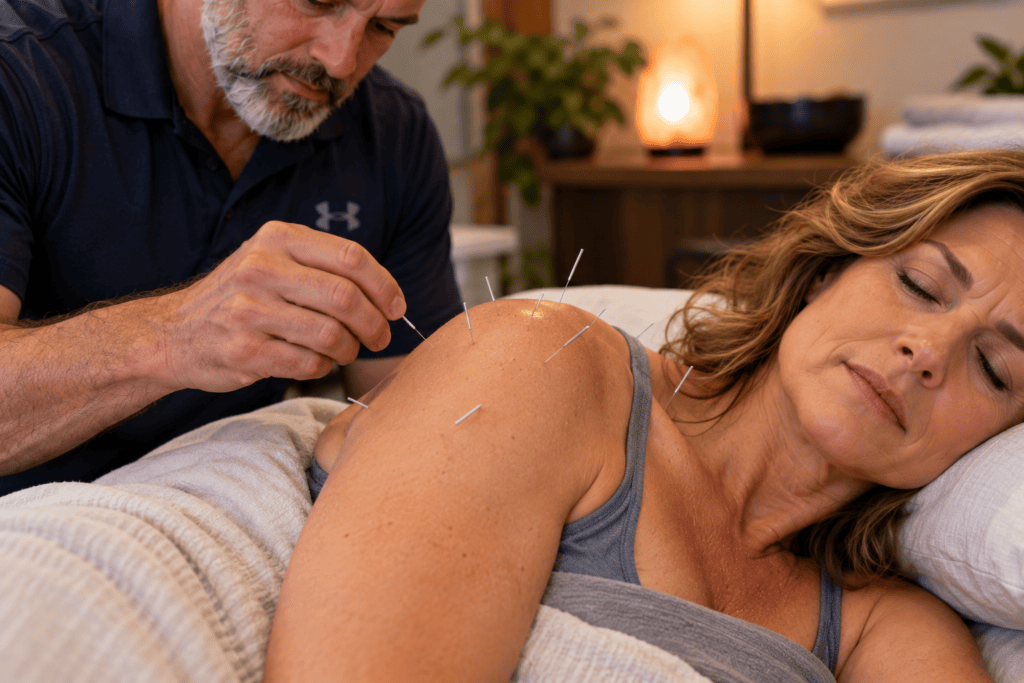
There is no single acupuncture point or treatment that is effective for all cases of frozen shoulder. The approach is customized based on your pain location, restricted movements, the duration of your condition, and whether you experience pain, stiffness, or both.
Acupuncture points can be selected around the front, side, and back of your sore shoulder, allowing treatment to target the exact areas of pain and stiffness. Based on your specific needs, additional points may be used on your upper arm, neck, upper back, hand, or other locations.
Acupuncture may also target points farther from the shoulder. Traditional practices often combine local points with those located elsewhere from the painful area. For instance, Yanglingquan (GB34), situated near the outer side of the knee, is occasionally used to treat muscle and tendon problems.
For certain frozen shoulder patients, I incorporate electrical stimulation with acupuncture needles near the affected shoulder. A gentle current flows between specific needles, providing controlled stimulation to the area. The intensity is kept comfortable and adjusted based on the patient’s tolerance.
Acupuncture is most effective when combined with a comprehensive treatment plan, rather than being used as a reason to stop moving your shoulder. Based on the severity and stage of your frozen shoulder, you might also require mobility exercises, stretching, physical therapy, or additional rehabilitation.
The frequency and number of sessions required can differ. If you’re in the painful freezing stage, your treatment may differ from someone whose pain has lessened but still experiences significant stiffness.
Your response to treatment determines the next steps. Factors like your range of motion, pain levels, sleep quality, and ability to perform daily tasks indicate whether the treatment is effective.
Why Choose Acupuncture for Frozen Shoulder?
Frozen shoulder may seem straightforward, but it can significantly impact daily life. Losing the ability to reach overhead, get dressed, sleep on one side, exercise, or work can greatly diminish your quality of life.
Acupuncture offers a holistic alternative that can be part of a thoughtful strategy for treating frozen shoulder. It’s particularly useful if you’d prefer to minimize medication or are exploring various other methods to support your shoulder.
However, it’s important to understand that acupuncture isn’t entirely without risk. When performed by a qualified practitioner, it is usually safe, but minor side effects such as temporary soreness, bruising, or slight bleeding may happen. Serious complications are rare.
The evidence indicates that you should maintain realistic expectations and not anticipate an immediate cure. While acupuncture can assist in reducing pain, supporting shoulder mobility, and easing rehabilitation, frozen shoulder typically requires time to improve. Progress often occurs gradually rather than instantly. Studies show particularly positive results when acupuncture is combined with physical therapy or movement exercises.
The objective of treating frozen shoulder isn’t merely to reduce pain during therapy. The true goal is to restore your shoulder’s function—enabling you to reach into cabinets, dress easily, sleep better, exercise, and perform everyday activities that frozen shoulder has complicated.
Ready to Try Acupuncture?
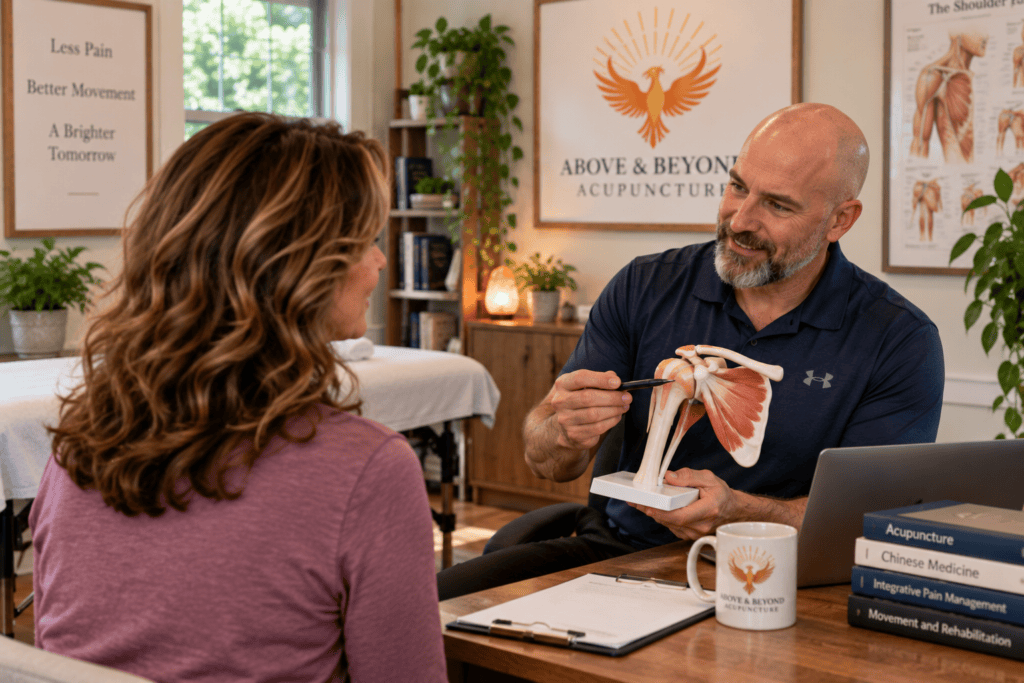
If frozen shoulder is disrupting your sleep, work, exercise, or daily activities, you don’t need to simply wait and hope it improves.
At Above & Beyond Acupuncture, we personalize treatments based on your symptoms, mobility, recovery phase, and overall health. Combining acupuncture and electroacupuncture with movement and rehabilitation can alleviate pain and restore comfortable shoulder movement.
If you’re experiencing significant or unexplained shoulder pain, weakness, a recent injury, numbness, or progressive loss of function, seek a proper medical evaluation to determine whether another shoulder condition is involved.
After a correct diagnosis of frozen shoulder, the goal is to reduce pain, improve mobility, and restore your ability to do your favorite activities.
Above and Beyond Acupuncture offers acupuncture, cupping, and lifestyle coaching at the North Frank Lloyd Wright Boulevard location in Scottsdale.
Schedule an appointment online to start your healing journey.

About the Publisher
Paul Kerzner, L.Ac., is a licensed acupuncturist and board-certified herbalist, as well as the founder of Above and Beyond Acupuncture in Scottsdale. His own journey from chronic patient to practicing acupuncturist shapes his commitment to providing honest, clinically grounded information about acupuncture and Traditional Chinese Medicine. Learn more about Paul and his clinical approach on the About Us page.