Key Takeaways
- Jet lag happens when your internal clock isn’t aligned with the new time zone, leading to tiredness and sleep issues.
- Acupuncture can help by balancing melatonin levels, encouraging relaxation, and resetting the body’s internal clock.
- While research specifically on acupuncture for jet lag is limited, it indicates potential benefits in enhancing sleep quality and reducing anxiety.
- Travelers frequently use acupuncture before and after their trips to alleviate jet lag symptoms.
- Consult a doctor if jet lag persists beyond a few days or causes significant health concerns.
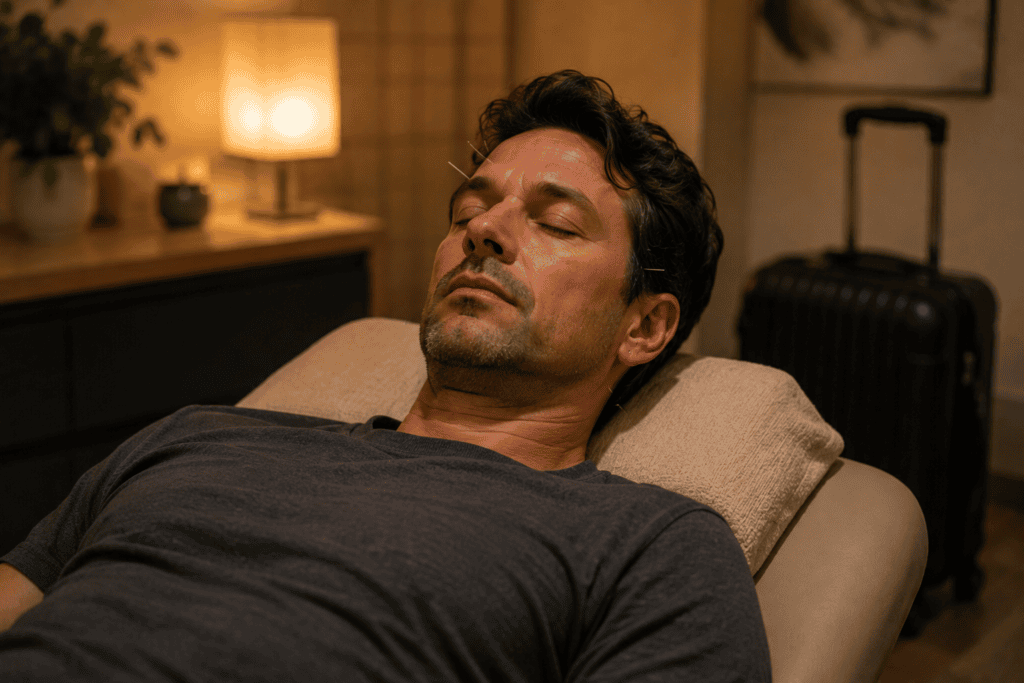
Anyone who crosses multiple time zones knows the toll of jet lag: restless, sleepless nights and foggy, sluggish days that can affect the start of a trip or the first few days back home. This happens because the body’s internal clock falls out of sync with the environment, staying aligned with the original time zone rather than the new one. Travelers often wonder whether acupuncture can help speed recovery.
Acupuncture affects the systems affected by jet lag, including the body’s sleep hormones and internal circadian rhythm, and can serve as a safe and gentle method to assist the body’s adjustment, particularly when complemented by practical measures to reset the internal clock.
What is Jet Lag?
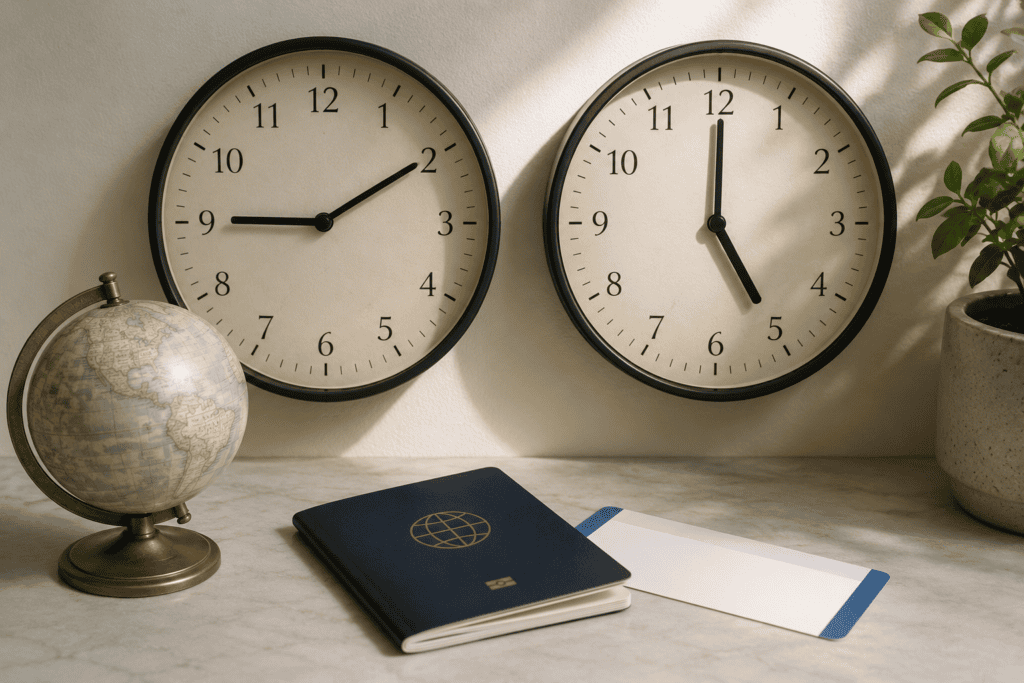
Jet lag occurs when you cross time zones faster than your body can adjust.
Your internal clock, which is tuned to the light and dark cycle of your original location, suddenly finds itself out of sync with your new surroundings. Until it catches up, you might notice symptoms like difficulty falling asleep or staying asleep at the local bedtime, feeling groggy and fatigued during the day, a clouded and unfocused mind, irritability, and even an unsettled stomach since digestion also follows the body clock. Remember, jet lag is only temporary, and your body gradually re-syncs at about an hour a day.
That’s why crossing multiple time zones can lead to several challenging days, and why traveling east, which shortens your day, often feels tougher than going west. Any method that helps reset your internal clock more quickly can make the experience much more comfortable.
How Does Chinese Medicine View Jet Lag?
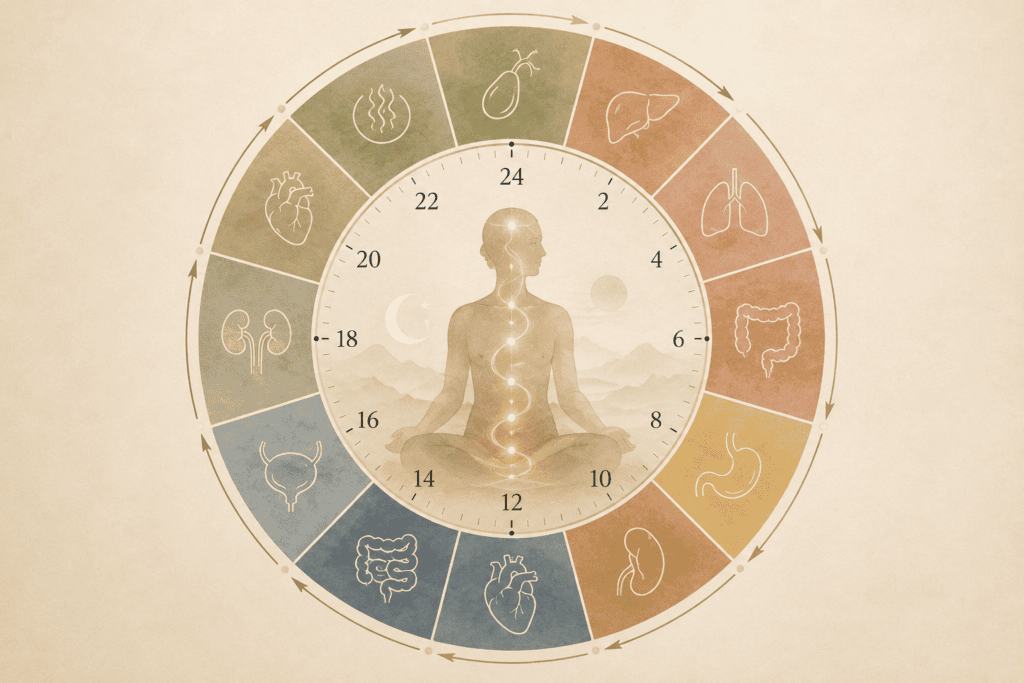
Traditional Chinese Medicine has long explored the body’s daily rhythms, providing a relevant perspective on jet lag.
TCM describes how Qi circulates through organ systems in a daily pattern, with each organ peaking during a specific two-hour period and reaching its lowest point twelve hours later; this is known as the organ clock. This ancient concept aligns with the biological clock, and jet lag occurs when rapid travel disrupts this rhythm, causing misalignment with the local day. The Shen, which governs sleep and alertness, struggles to sync with proper hours, while the Spleen and Stomach, key to digestion, are also affected, leading to scattered Qi flow.
Acupuncture treatments focus on restoring this cycle by calming or energizing the spirit at the right times and smoothing Qi flow to help the body quickly realign with local time.
How Can Acupuncture Help?
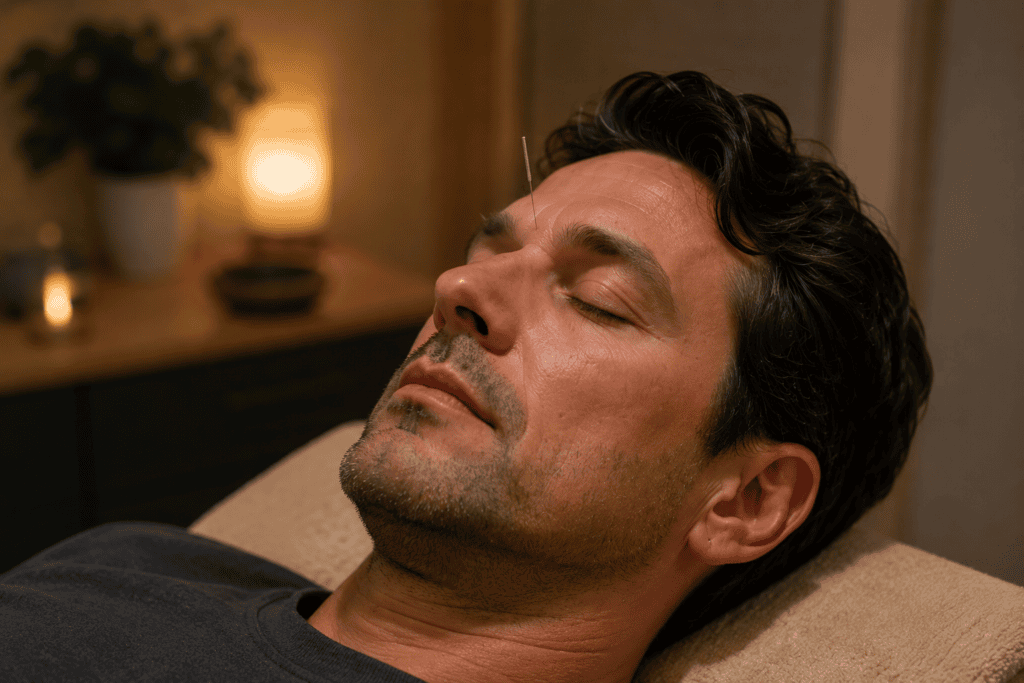
Acupuncture targets jet lag by affecting the systems that control the sleep-wake cycle.
Studies show it can influence melatonin, the hormone the pineal gland releases that regulates sleep and is central to jet lag. It also impacts the body’s internal clock and brain chemistry related to sleep and alertness. By adjusting melatonin levels and the circadian rhythm, acupuncture helps realign the body’s clock with local time, promoting better sleep at night.
Acupuncture promotes deep relaxation, calming the nervous system and alleviating travel-related tension and stress that cause sleeplessness. This relaxation frequently results in improved sleep after the session. The acupoint Yintang, situated between the eyebrows and associated with the pineal gland and melatonin synthesis, directly influences the disturbed circadian clock. Supporting the circadian rhythm, especially when disrupted by travel, is essential for the treatment’s success.
What Does the Research Show?
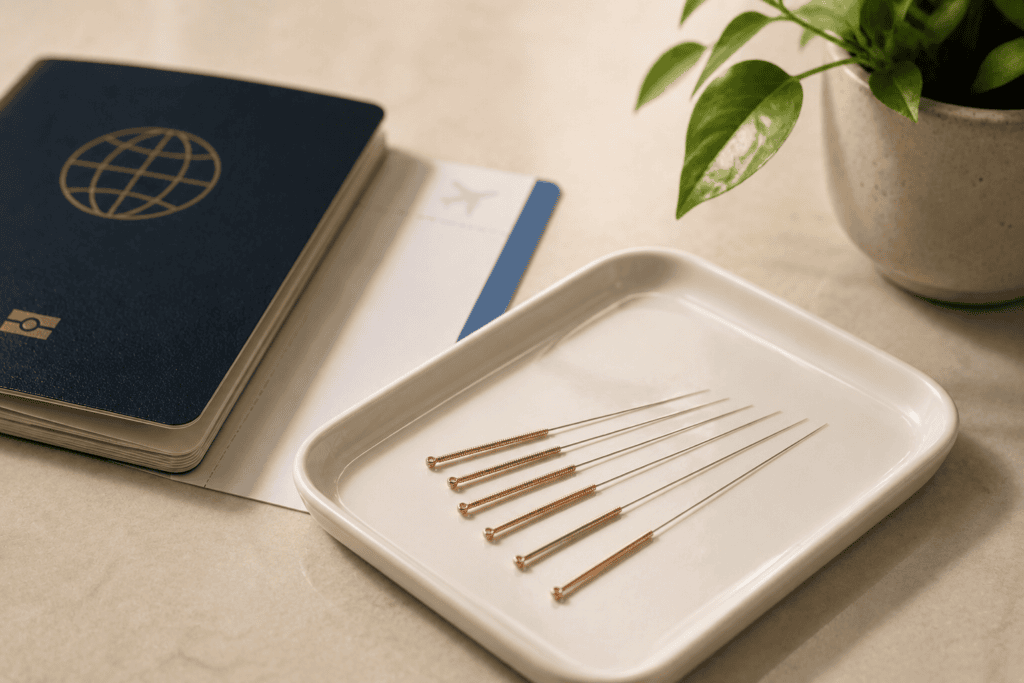
Acupuncture has not undergone large trials specifically for jet lag, so there is limited direct evidence. However, research indicates it affects systems disrupted by jet lag: it can increase nighttime melatonin, reduce insomnia and anxiety, and influence the circadian clock and sleep-related brain chemistry.
Acupuncture is a low-risk, supportive option to help the body reset rather than a proven cure for jet lag. It complements, not replaces, practical methods such as timed daylight, melatonin, and adjusting sleep and meal times to local hours.
What to Expect From Treatment

Acupuncture is usually used to combat travel-related jet lag rather than as a long-term treatment. Some individuals plan a session right before a major trip and another shortly after arrival to help their bodies adjust faster to the new time zone. It can also be helpful during the journey if jet lag continues. Each session provides deep relaxation, and many travelers notice improved sleep the night after. The selected points aim to calm and reset the Shen for better sleep, decrease grogginess for alertness during the day, and soothe digestion issues caused by travel.
When to See a Doctor
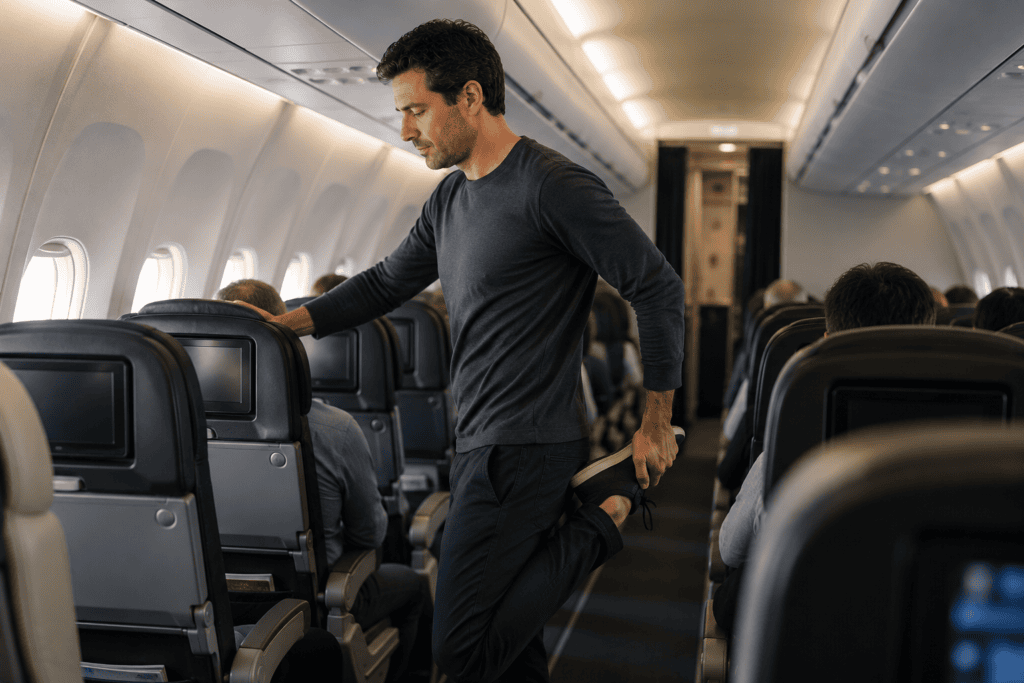
Jet lag typically resolves naturally as the body adapts, usually within several days, and seldom requires any medical intervention.
Consult a doctor if jet lag lasts beyond a few days, if sleep problems continue after your body should have adjusted, or if you have a health condition like diabetes that could be affected by disrupted schedules. Long flights also pose a slight risk of blood clots in the legs; seek medical attention if you experience pain, swelling, warmth, or redness in a calf after flying, as this is not jet lag.
Acupuncture can be a helpful, low-risk supplement for the usual discomfort from crossing time zones, complementing medical care if issues persist or worsen.
Above and Beyond Acupuncture offers acupuncture, cupping, and lifestyle coaching at the North Frank Lloyd Wright Boulevard location in Scottsdale.
Schedule an appointment online or call us today to start your healing journey.

About the Publisher
Paul Kerzner, L.Ac., is a licensed acupuncturist and board-certified herbalist, as well as the founder of Above and Beyond Acupuncture in Scottsdale. His own journey from chronic patient to practicing acupuncturist shapes his commitment to providing honest, clinically grounded information about acupuncture and Traditional Chinese Medicine. Learn more about Paul and his clinical approach on the About Us page.