Key Takeaways
- Menstrual cramps affect many women, and conventional treatments often fall short.
- Acupressure is an effective non-medication method for managing cramps by targeting pain sources.
- Seven key acupressure points can be used to relieve menstrual cramps and support hormonal regulation.
- Consistency in applying acupressure leads to better results; use gentle pressure for one to two minutes.
- Seek professional help if menstrual pain is severe, worsening, or accompanied by concerning symptoms.
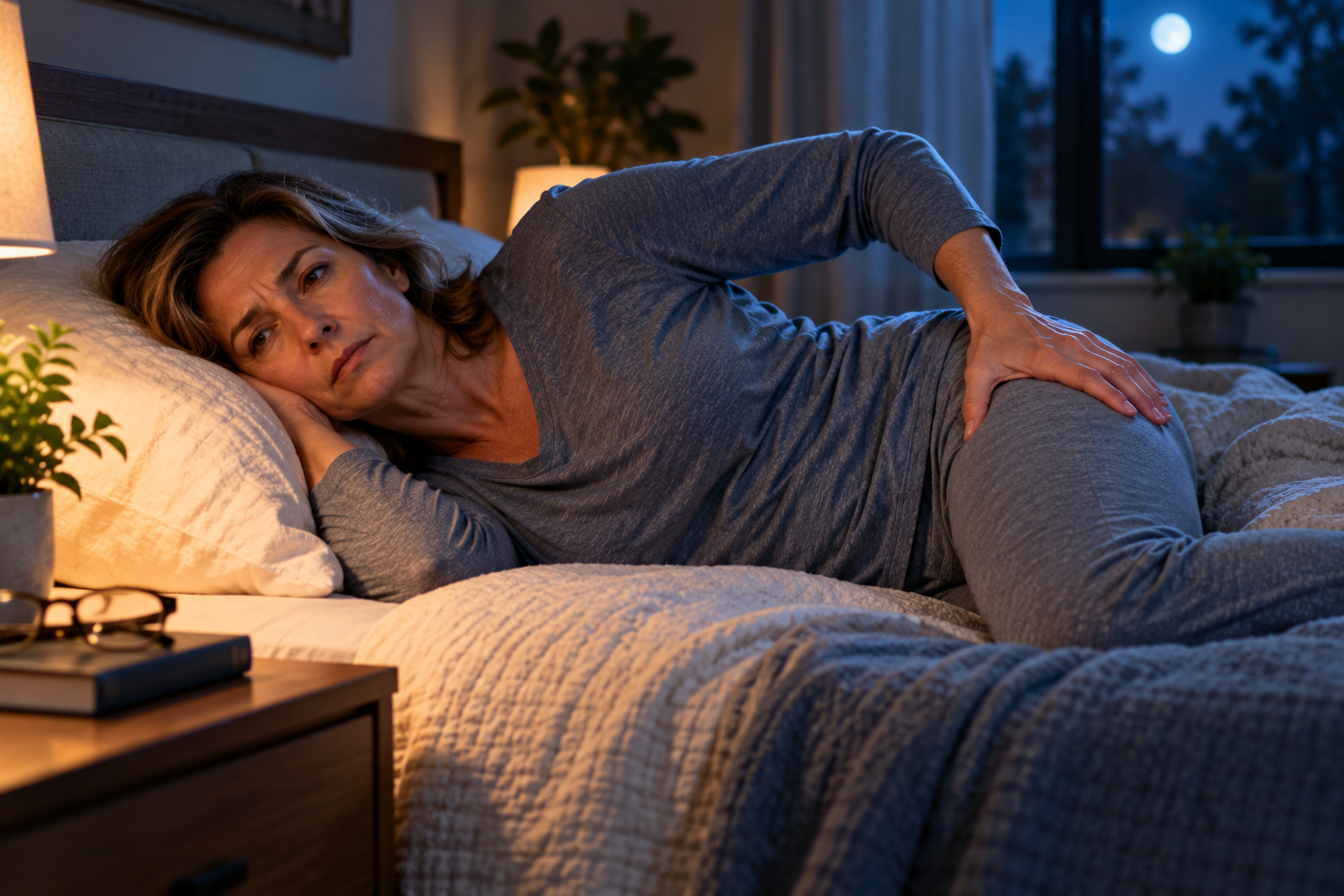
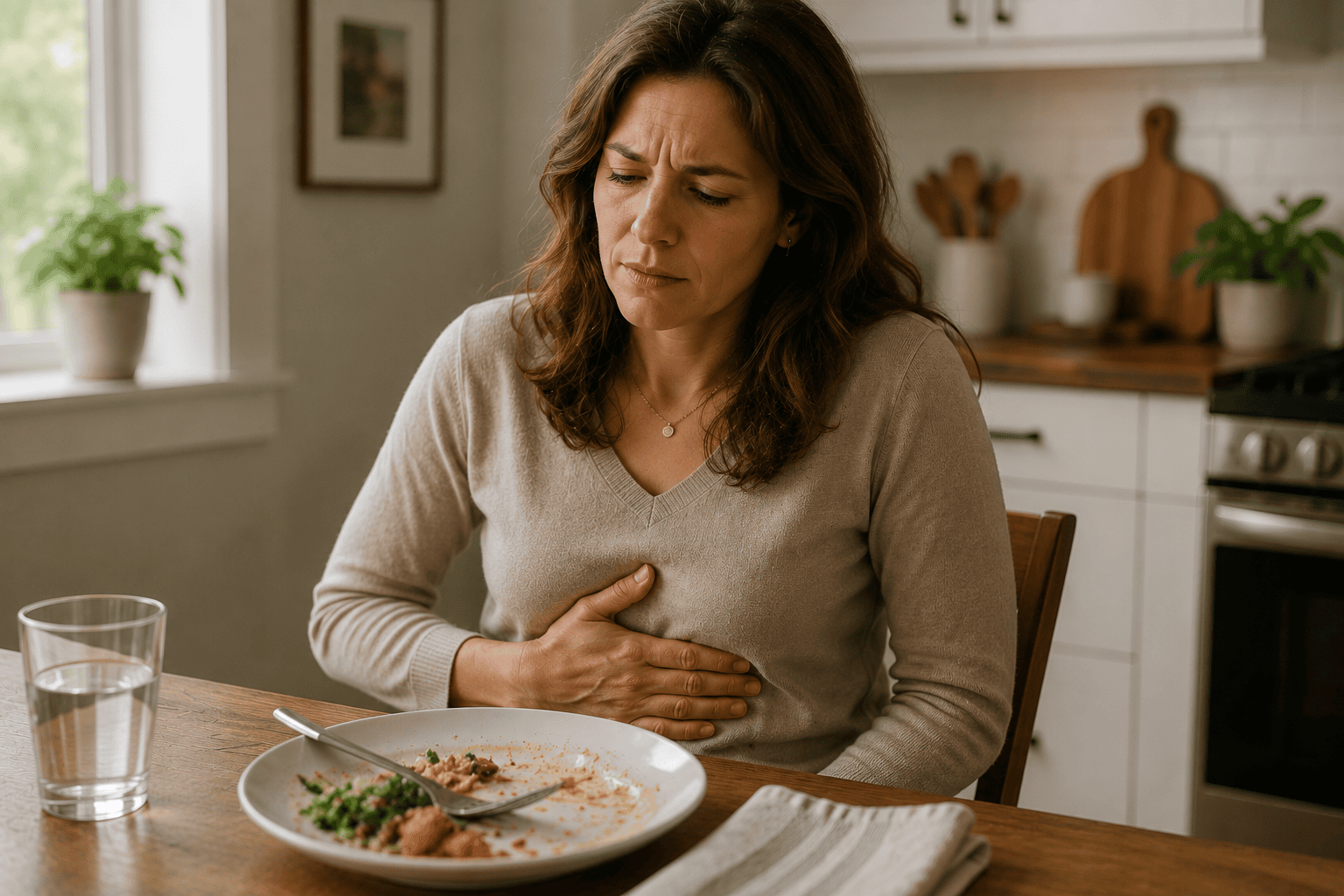
Menstrual cramps are one of the most common experiences among menstruating women and one of the most under-addressed by conventional care. Roughly half of menstruating women experience painful periods, and for many, the pain is severe enough to interfere with work, school, or daily life. The conventional approach involves anti-inflammatory medications, hormonal birth control, and in some cases hormonal IUDs. These help many patients but leave others still dealing with substantial cramps.
Acupressure is one of the strongest non-medication tools for menstrual cramps. The technique addresses several of the mechanisms that drive the pain, including the muscular contractions of the uterus, the inflammatory prostaglandins that trigger those contractions, the Liver Qi stagnation pattern that produces premenstrual tension, and the constitutional patterns that make some cycles harder than others.
Here are seven points that work, why they work, and when to get help if they do not.
What to Press and Why
Each point addresses a different aspect of menstrual cramps. You can use them individually when a specific symptom is bothering you, or work through the full protocol once or twice a day during the days leading up to and during your period.
1. Press on SP6 above your inner ankle for menstrual regulation. SP6 sits about four finger-widths above the inner ankle bone, just behind the shin bone. Press firmly with your thumb for one to two minutes on each leg. SP6 is the meeting point of three Yin channels (the Spleen, the Liver, and the Kidney) and one of the most important points for the reproductive system. The point regulates the menstrual cycle, addresses cramping, and supports the hormonal patterns that influence how each cycle unfolds. The point should not be used during pregnancy because of its strong effect on the reproductive system.
2. Press on SP8 below your knee for acute menstrual pain. SP8 sits on the inside of the lower leg, about a hand’s width below the inner side of the knee. Find SP8 by measuring three finger-widths below the highest point of the inner shin bone (tibia), just behind the bone. Press firmly with your thumb for one to two minutes on each leg. SP8 is the Xi-Cleft point of the Spleen channel, which means it is specifically indicated for acute pain along the channel. This is the strongest empirical point for cramping in the moment and is often the point that produces the most immediate relief during a flare.
3. Press on CV4 on your lower abdomen for the constitutional support. CV4 sits on the midline of the lower abdomen, about four finger-widths below the navel. Press gently with your fingertips for one to two minutes. CV4 warms the lower burner in Chinese medicine and directly addresses the uterine cramping and the deeper constitutional dimension of menstrual difficulties. This is the point to press when the cramps come with a sense of cold in the lower abdomen or when the pain feels deep rather than surface-level. Press gently rather than firmly because the abdomen is more sensitive than points on the limbs.
4. Press on LR3 on the top of your foot for the emotional dimension. LR3 sits on the top of the foot in the depression between the big toe and second toe, about two finger-widths back from the webbing. Press firmly with your thumb for one to two minutes on each foot. Menstrual difficulties in Chinese medicine are often driven by a Liver Qi stagnation pattern, which shows up as premenstrual irritability, breast tenderness, and the tension that builds in the days before the period. LR3 is the primary point for releasing that pattern.
5. Press on BL32 on your sacrum for direct uterine support. BL32 sits on the sacrum (the flat triangular bone at the base of the spine) in the second sacral foramen, about one finger-width to the side of the midline. Press firmly with your thumbs or knuckles on both sides for one to two minutes. BL32 directly treats the reproductive organs through the sacral nerve pathways and is one of the strongest local points for menstrual cramps. Many women find this point tender during their period, which indicates the point is active.
6. Press on GB34 below the outside of your knee for the muscular dimension. GB34 sits in the depression below and in front of the head of the fibula on the outside of the lower leg, about one hand’s width below the knee. Press firmly with your thumb for one to two minutes on each leg. GB34 is the influential point for tendons and muscles, which addresses the muscular tension that contributes to cramping. This point is particularly useful when the cramps come with muscular tightness in the low back or thighs.
7. Press on ST36 below your knee for the overall constitutional support. ST36 is located about four finger-widths below the kneecap, one finger-width to the outside of the shin bone. Press firmly with your thumb for one to two minutes on each leg. ST36 is the workhorse point for digestive function and blood building. Menstrual cramps that come with fatigue, heavy bleeding, or the sense of depletion often have a Blood deficiency component, and ST36 addresses that dimension by supporting the body’s capacity to build and hold Blood.
Why This Works
Menstrual cramps have several overlapping drivers. The uterine muscles contract during menstruation to shed the endometrial lining, and higher levels of inflammatory prostaglandins produce stronger contractions and more severe cramps. Chronic stress increases the inflammatory load and often correlates with more painful cycles. The Liver Qi stagnation pattern that Chinese medicine identifies produces the premenstrual tension, breast tenderness, and emotional volatility that many women experience in the days before their period. Underlying deficiency patterns including Blood deficiency and Yang deficiency contribute to cramping in specific presentations.
Acupressure works on several of these mechanisms simultaneously.
- The points stimulate the release of endorphins and other natural pain-relieving chemicals, which reduces the pain signal at its source.
- The points reduce muscular tension in the abdomen, pelvis, and low back that contributes to the pain pattern.
- The points calm the nervous system that has been driving the sustained tension and stress activation. The chronic stress dimension that worsens menstrual cramps is covered in more detail in What Is Cortisol and Why Do I Have So Much of It?.
- The points address the underlying channel patterns that classical Chinese medicine identifies as the constitutional drivers of difficult cycles.
The ACOG summary on dysmenorrhea describes the mechanism of menstrual cramps in Western terms including the role of prostaglandins and uterine contractions. The NCCIH summary on acupuncture describes the research on the mechanisms that acupuncture engages, which apply directly to acupressure since the same points and channels are involved.
How to Use the Points
- For acute cramps during your period, SP8, CV4, and BL32 work quickly and produce meaningful relief. These are the points to use when the pain is active.
- For a daily practice in the days leading up to your period, working through all seven points takes about fifteen minutes and can reduce the severity of the coming cycle when done consistently.
- For chronic menstrual difficulties, working through the full protocol daily throughout the month, not just around the period, addresses the constitutional patterns that produce the pattern of difficult cycles.
Consistency matters more than intensity. A gentle sustained press for one to two minutes produces better results than a hard press held briefly. For the abdominal point (CV4), lighter pressure is required than for the points on the limbs.
The Broader Picture
Acupressure addresses the body’s response to menstrual cramps. The lifestyle factors that drive difficult cycles also need attention.
- Reducing inflammatory foods, particularly sugar, refined carbohydrates, and processed foods, lowers the prostaglandin production that drives cramping.
- Increasing omega-3 fatty acids, magnesium, and B vitamins supports the hormonal and muscular regulation that reduces cramp severity.
- Managing chronic stress reduces the cortisol elevation that worsens menstrual patterns. The broader stress and nervous system framework that shows up in many chronic conditions is covered in Anxiety, Stress, and Depression.
- Regular movement supports circulation and reduces the muscular tension that contributes to cramping.
- Applying heat to the lower abdomen or low back during cramps is a simple and effective tool that pairs well with acupressure.
When to Get Professional Help
The tools above work for most everyday menstrual cramps. They are not the answer for menstrual pain that is severely disruptive, progressively worsening, or accompanied by heavy bleeding, pain outside of your period, pain during intercourse, or difficulty getting pregnant. These can indicate underlying conditions like endometriosis, adenomyosis, or uterine fibroids that require medical evaluation.
If you are dealing with persistent or severe menstrual difficulties that are not responding to self-care, acupuncture treatment offers a more substantial intervention than acupressure alone. The full picture of what the practice offers is in Acupuncture, Cupping & Lifestyle Coaching.
Reach out to Above and Beyond Acupuncture on North Frank Lloyd Wright Boulevard in Scottsdale to schedule a consultation.
Schedule an appointment online or call us today to start your journey to relief.
The points above are only as effective as the technique used to apply them. Where to press, how firmly, and for how long all affect the result. For a full breakdown of how to perform acupressure properly at home, read Performing Acupressure in 3 Easy Steps.