Key Takeaways
- After intense stress, many experience a sudden crash, leading to fatigue, headaches, or illness.
- The let-down effect occurs when cortisol and adrenaline levels drop, revealing underlying exhaustion.
- Common symptoms include vacation sickness, weekend migraines, and unexpected emotional releases.
- To prevent crashes, manage your transitions with micro-breaks and seek treatments like acupuncture.
- Understanding these patterns helps in achieving sustained recovery rather than temporary collapse.
The pattern is familiar to high performers, entrepreneurs, and anyone managing a high-pressure life. You push through a grueling work week, manage a complex project, or survive a chaotic stretch at home. Your focus is sharp, your energy holds, and you get the job done.
You finally cross the finish line on Friday evening. You wake up Saturday morning, ready for a hard-earned break.
Then, out of nowhere, you crash.
Instead of feeling refreshed, you are hit with a wave of exhaustion, irritability, or emotional heaviness. Maybe a familiar tension headache settles behind your eyes. Maybe your muscles ache as if you just ran a marathon. In some cases, the moment you step off the airplane for a long-awaited vacation, your throat starts to tickle and you spend the first three days of your trip sick in bed.
You are left wondering: “Why now? I felt perfectly fine yesterday when the pressure was actually on.”
This is not random, and it is not a sign that your body is suddenly failing. It is a predictable physical response to a sudden shift in your internal chemistry. It happens when a nervous system that has been locked in go-mode for too long finally tries to force a shutdown.
The Physiology of the Let-Down Effect
To understand why you feel worse the moment you slow down, it helps to look at how the body handles sustained pressure. When you are pushing through a demanding week, your brain treats that high-stakes environment as a threat to your survival.
In response, your adrenal glands send a steady stream of stress hormones, mainly adrenaline and cortisol, through your system. Cortisol is a powerful natural anti-inflammatory. While it is running high, it masks pain, keeps your focus sharp, and temporarily strengthens your immune defenses to keep you from being sidelined in the middle of a crisis.
Your body is essentially running on a credit card, borrowing energy from your deep reserves to keep you functional.
The trouble begins when the stress abruptly stops. When you finally sit down on Saturday or walk out of the office for vacation, your brain signals that the danger has passed. Your cortisol and adrenaline levels drop quickly.
When that protective chemical shield is suddenly removed, the true state of your system is revealed. The inflammation that was being suppressed surfaces, causing muscle aches or headaches. The immune system, which was working in overdrive, temporarily dips, opening a brief window for dormant viruses or environmental bugs to take hold. You did not get sick because you relaxed.
You got sick because the sudden drop in stress hormones let the underlying exhaustion finally catch up to you.
Common Ways the Let-Down Effect Shows Up
This pattern can show up in several different ways, depending on where the body tends to hold stress.
- Vacation Sickness
You stay completely healthy through months of intense preparation for a major event or trip. Within forty-eight hours of arriving at your destination and finally unwinding, your immune system relaxes its guard and you come down with a full-blown cold or flu. Researchers have studied this pattern enough to give it a name: leisure sickness.
- Weekend Migraines and Headaches
As the intense focus of the work week drops on Friday night, the sudden change in central nervous system activity causes blood vessels to dilate and the muscle tension in the neck and jaw to shift. By Saturday morning, this rapid transition can trigger a serious tension headache or migraine.
- Post-Project Exhaustion
You finish a major deadline or push through a stressful family event. The moment the dust settles, a heavy, bone-deep fatigue sets in that sleep cannot seem to fix. Your body is demanding repayment for the recovery debt it accumulated while pushing through the pressure.
- Unexpected Emotional Release
When the mind is busy solving problems, it shelves emotional processing to keep you moving forward. The moment you slow down and the mental noise clears, feelings of anxiety, irritability, or emotional heaviness can catch up all at once, leaving you strangely overwhelmed during a time you expected to feel peaceful.
- Moving From Holding Patterns to Real Recovery
When this cycle repeats week after week, the nervous system develops a rigid holding pattern. It forgets how to transition smoothly between high-performance mode and true rest. The system becomes so accustomed to running on adrenaline that it treats relaxation as a vulnerability, bouncing back and forth between hyper-focus and total collapse.
Breaking this cycle requires a strategy that helps the body regulate these transitions, rather than letting it run until the tank is completely empty.
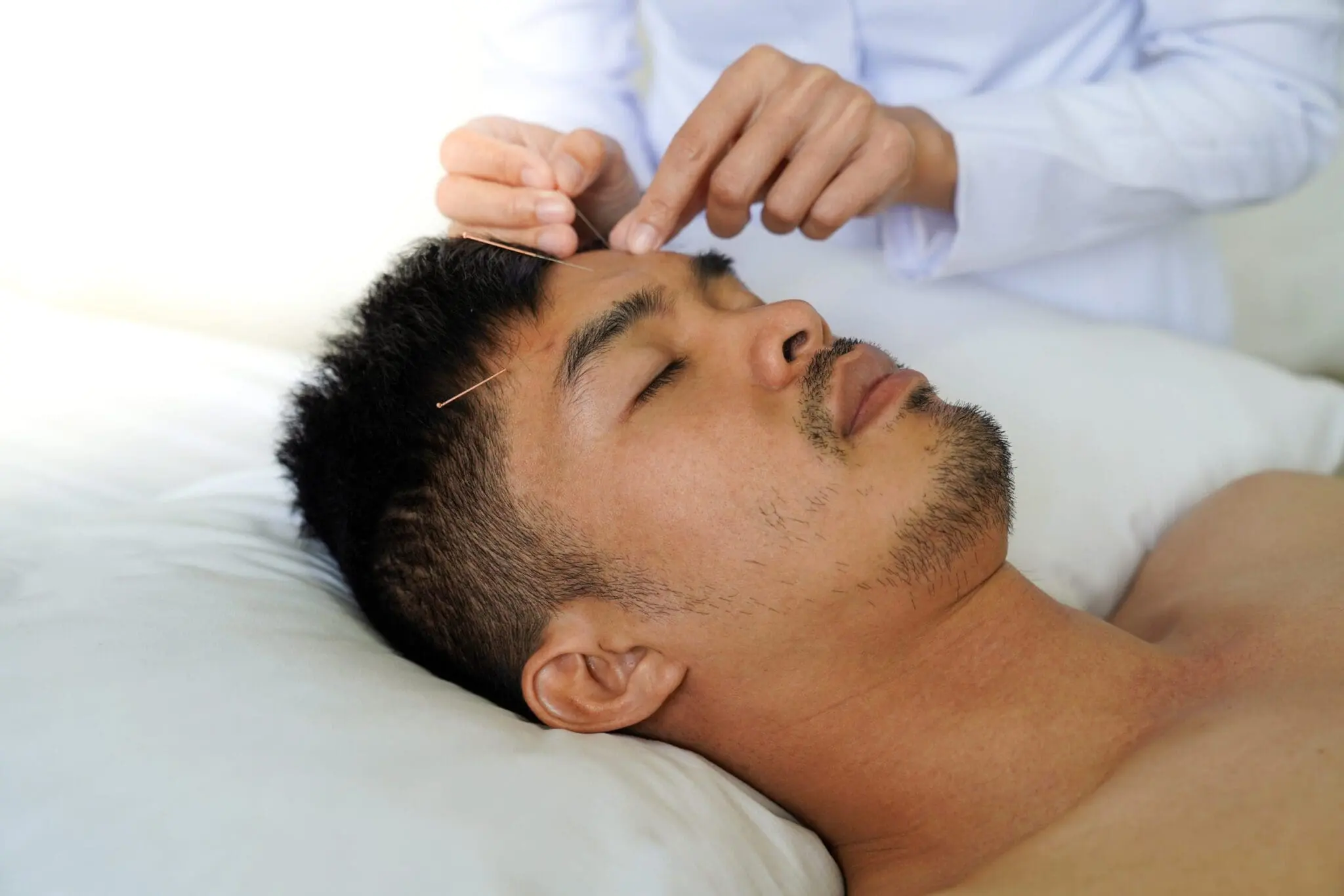
This is where structured acupuncture treatment becomes a valuable tool. Instead of forcing a sudden, jarring stop to a highly activated system, acupuncture works directly with the network of nerves that controls the stress response. By stimulating specific points on the body, treatment acts as a gentle physical signal that guides the nervous system out of constant alert mode and into a supported, stable recovery state.
From a Traditional Chinese Medicine perspective, this presentation is understood as severe depletion of the body’s deep reserves combined with stuck, stagnant energy from sustained pressure. When the body is constantly pushing, it is burning through underlying resources just to maintain baseline function.
Treatment is tailored to smooth out that stagnant energy during demanding weeks while gradually rebuilding the deeper reserves, allowing the body to step down from stress without triggering a crash.
Frequently Asked Questions
- Why do I always get sick the first few days of vacation?
During prolonged stress, high cortisol levels suppress your immune system’s inflammatory response, keeping symptoms at bay. When you finally relax on vacation, your stress hormones drop rapidly, allowing your immune system to finally fight off accumulated bugs, which triggers the familiar symptoms of being sick.
- Why does my body ache when I finally stop working?
Sustained stress keeps your muscles tight and your pain perception lowered due to high adrenaline. When you stop working and your nervous system shifts down, that adrenaline buffer disappears, and the physical tension and inflammation that built up during the week come to the surface as physical aches.
- Can burnout symptoms show up weeks after a stressful event is over?
Yes. The body can maintain a hypervigilant holding pattern for a long time during a crisis. Burnout and deep exhaustion often manifest weeks or even months after the actual stressful event has concluded, once the system finally recognizes it is safe to collapse and process the toll.
- How can I stop crashing on weekends?
Preventing the weekend crash requires smoothing out the transition between your work week and your downtime. Taking micro-breaks during the day, avoiding a sudden drop-off in activity on Friday night, and incorporating regulatory treatments like acupuncture can help your nervous system step down gradually rather than crashing all at once.
- Recovery Without the Crash
Living in a constant loop of weekday pressure and weekend exhaustion is a clear sign that the body’s stress regulation has lost its rhythm. The physical crash does not have to be the mandatory price of achievement or hard work.
At Above and Beyond Acupuncture on North Frank Lloyd Wright Boulevard in Scottsdale, the clinical focus is on identifying the underlying patterns that keep the nervous system locked in a state of constant alert. Treatment works to smooth out these intense transitions, support immune resilience, and rebuild the deeper reserves that high performance draws from.
Reach out to schedule a consultation and learn how to help the body transition into real, sustained recovery rather than collapse.
Schedule an appointment online or call us today to start your journey to relief.