Key Takeaways
- Insomnia disrupts sleep and affects daily life, causing fatigue and irritation.
- Chinese medicine views insomnia as a reflection of underlying imbalances, often linked to stress or deficiencies.
- Acupuncture helps regulate the nervous system, promoting relaxation and improving sleep quality.
- Research shows acupuncture is effective for insomnia, often matching or exceeding the effects of sleep medications.
- Consult a doctor for persistent insomnia, especially if symptoms like snoring or anxiety are present; acupuncture can be a supportive treatment.
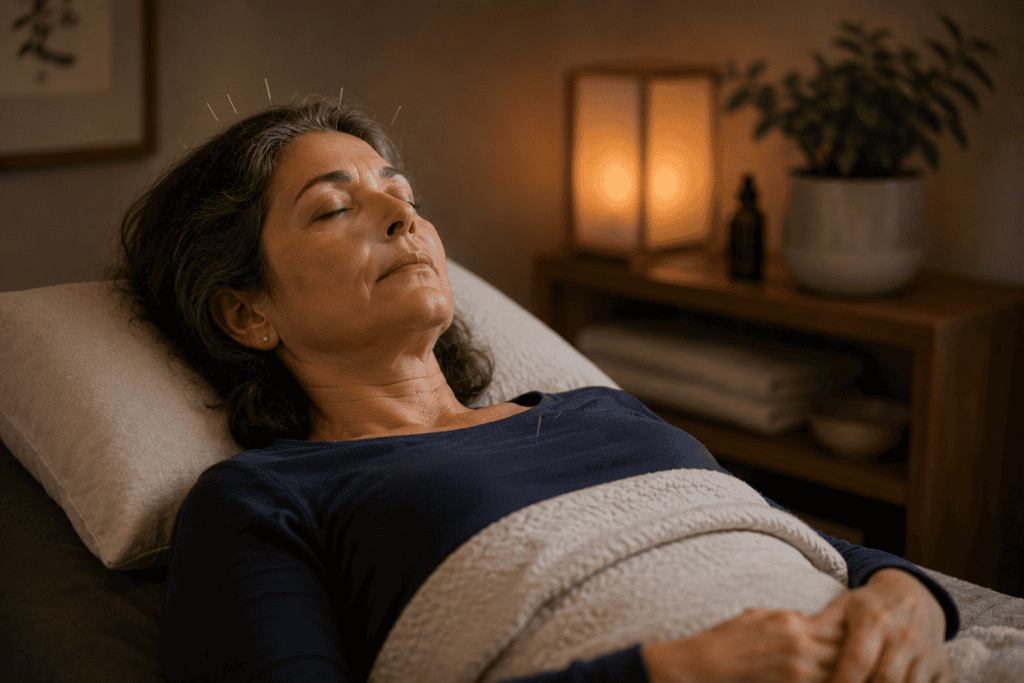
Lying awake at 3 a.m., watching the clock and doing the math on how little sleep is left, is one of the most exhausting experiences, and anyone who has experienced it knows how it affects everything the next day. People who have tried sleep hygiene tips and are hesitant to rely on sleep medication often wonder if acupuncture can help. The good news is that there is increasing evidence supporting acupuncture as an effective treatment for insomnia, particularly because it targets the very issue that keeps many awake: a nervous system that refuses to switch off.
What is Insomnia?

Insomnia involves difficulty falling asleep, staying asleep, or achieving restorative sleep despite having the opportunity. It appears as lying awake at the beginning of the night, waking repeatedly, waking too early and being unable to fall back asleep. It also causes a daytime aftermath: fatigue, low mood, irritability, and trouble concentrating. Insomnia can be short-term, triggered by stress, or chronic, lasting months or longer. Sometimes it occurs independently; often, it coexists with stress, anxiety, pain, or hormonal changes. Regardless of its form, it steadily impacts health and quality of life, making effective solutions crucial.
How Does Chinese Medicine View Insomnia?
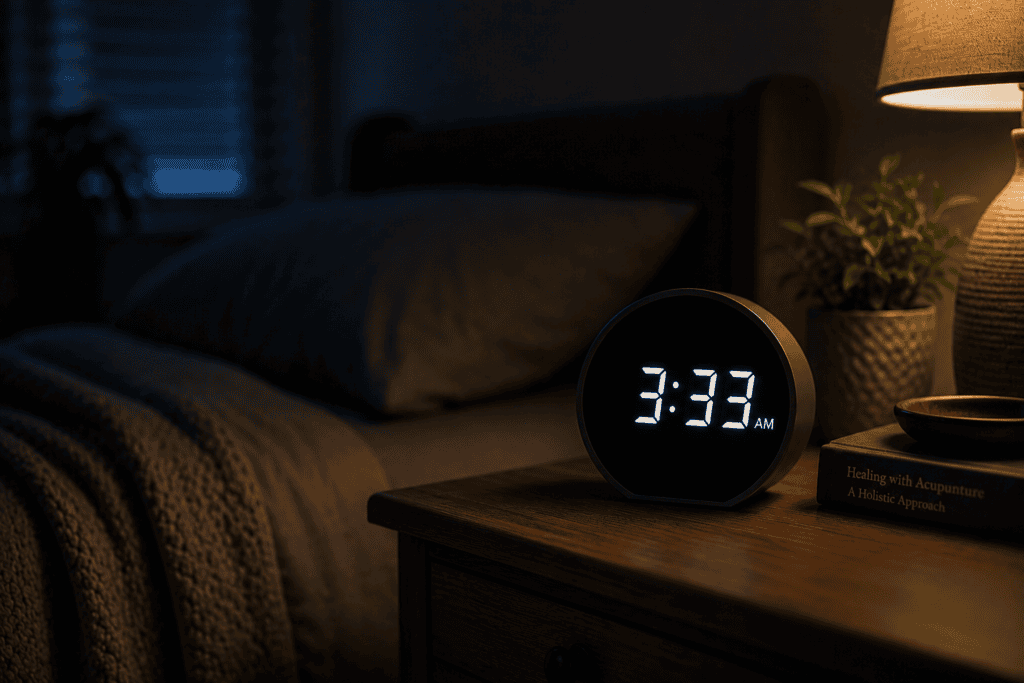
In Chinese medicine, sleep is considered the nightly settling of the Shen, which represents the mind and spirit stored in the Heart. Restful sleep happens when the Shen is calm and properly nourished. Insomnia occurs when the Shen struggles to settle, often caused by heat, stress, or deficiencies in Blood and Yin that usually anchor it. Insomnia is rarely an isolated problem; rather, it reflects underlying imbalances.
A key feature of this perspective is that the time you wake up can indicate the involved organ system, as per the traditional body clock. Waking regularly between 1 and 3 a.m. indicates issues with the Liver, which can be related to stress, frustration, and tension, often seen in people who sleep normally but wake early with a restless, busy mind. Waking between 3 and 5 a.m. points to the Lungs, associated with grief and the need for release. Difficulty falling asleep because of racing thoughts involves the Heart and Spleen, linked to worry and rumination. Fragmented sleep, especially with night sweats that worsen with age, suggests depletion of the Kidney’s cooling Yin energy. Recognizing the right pattern guides treatment, since calming an overstimulated Heart differs from replenishing depleted Kidney energy.
How Can Acupuncture Help?
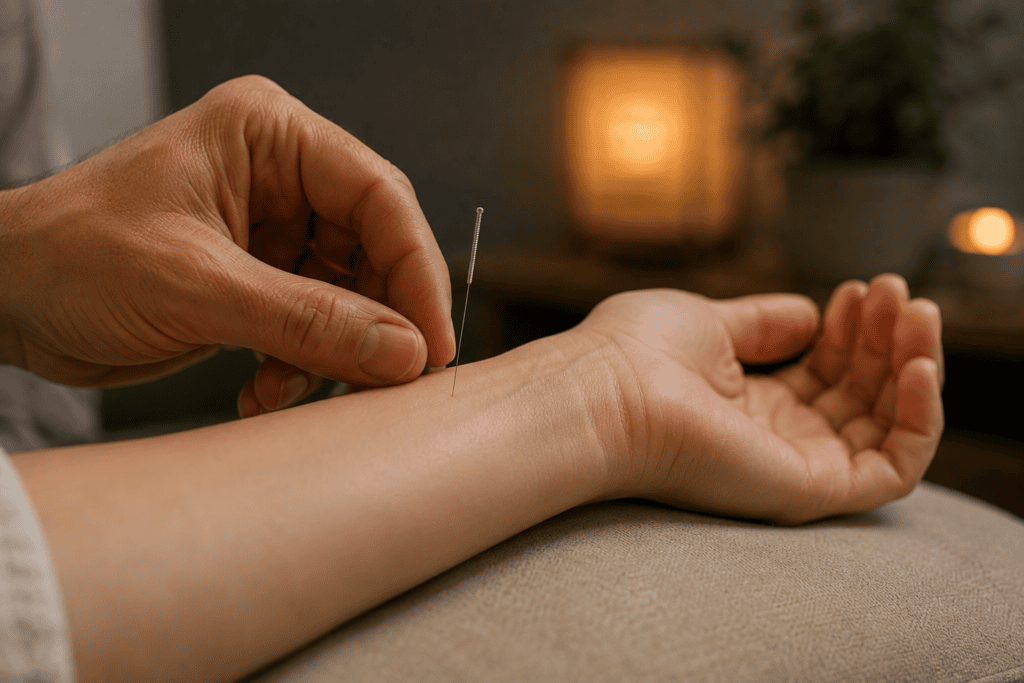
Acupuncture improves sleep primarily by helping regulate the nervous system. Insomnia often occurs when the nervous system stays in a heightened state of arousal, known as the fight-or-flight response, making it hard to fall asleep. Acupuncture reliably encourages the body to shift into a relaxed, rest-and-digest state. Scientific research shows it can influence the body’s production of melatonin, the hormone that controls sleep cycles; help balance cortisol and other stress hormones that keep us alert at night; and promote calming brain chemistry. Since stress and anxiety are common contributors to insomnia, acupuncture’s ability to ease these issues plays a major role in improving sleep. It can also help reduce chronically elevated cortisol levels associated with ongoing stress, allowing the body to relax and settle at night.
What Does the Research Show?
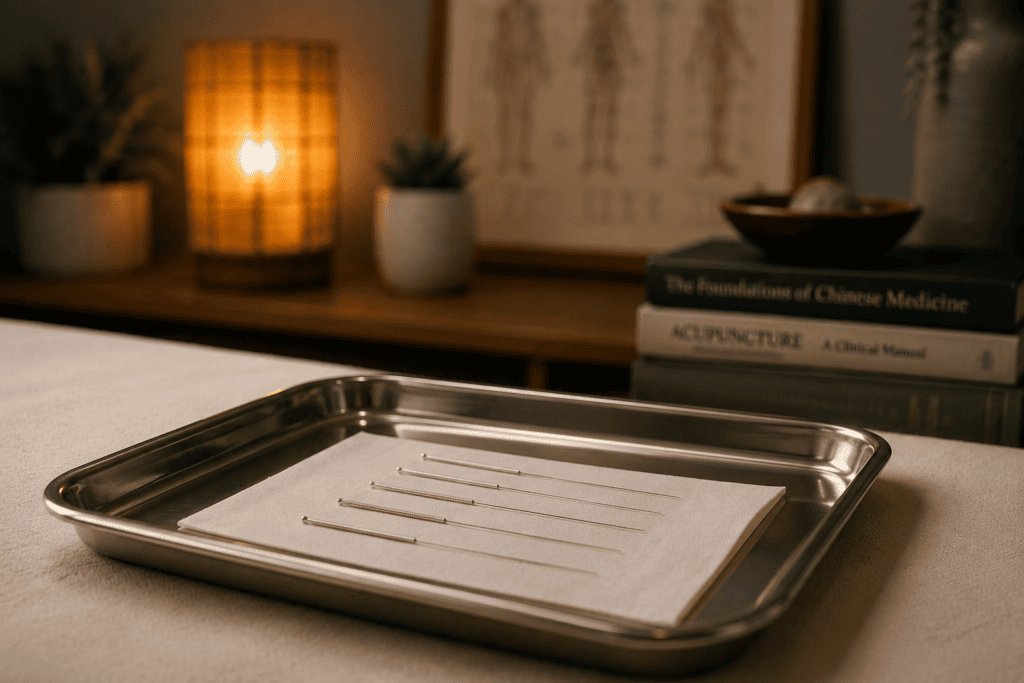
Evidence supporting acupuncture for insomnia is solid and continues to grow. Meta-analyses of controlled trials show that acupuncture significantly enhances sleep quality and lessens insomnia severity compared to sham treatments, boosting total sleep duration, decreasing night awakenings, and alleviating associated anxiety and fatigue. Some studies even suggest that acupuncture performs on par with or better than sleep medications in improving sleep quality, all while having an excellent safety profile with minimal side effects. However, caveats include the varying quality of trials, often small sample sizes, and the fact that much research originates from China. Therefore, while the effects are genuine, they should be viewed carefully. Overall, evidence indicates acupuncture is a safe, effective option for insomnia—not a guaranteed cure.
What Should I Expect From an Acupuncture Treatment?

Treating insomnia generally requires multiple sessions scheduled weekly or biweekly over several weeks. These sessions are tailored to address your specific sleep issues, such as calming an agitated Shen, moving stuck Liver Qi, or restoring energy, with adjustments made as your sleep improves. Many patients notice easier sleep onset or fewer awakenings within the first few weeks, with ongoing progress. This treatment is most effective when combined with basic sleep hygiene practices like keeping a regular schedule, having a calming bedtime routine, and avoiding late-night screens and caffeine. Practitioners often suggest specific acupressure points for you to use at home on nights when you wake up or have trouble falling asleep again.
When to See a Doctor

Persistent insomnia warrants medical evaluation, as it may be a standalone condition or a symptom of another issue.
See a doctor if it lasts more than a few weeks, especially if it’s accompanied by loud snoring, gasping, or long pauses in breathing during sleep, which may suggest sleep apnea, a condition that requires medical treatment rather than acupuncture. Insomnia associated with depression, anxiety, or other health problems should also be evaluated, as treating the root cause is essential. Cognitive behavioral therapy for insomnia (CBT-I) is the primary, evidence-based treatment for chronic insomnia, and acupuncture can be used alongside it. If you are taking sleep medications, do not stop abruptly; some require gradual tapering under medical supervision.
Acupuncture can be a safe, supportive option alongside medical care but should not replace proper evaluation of ongoing sleep issues.
Above and Beyond Acupuncture offers acupuncture, cupping, and lifestyle coaching at the North Frank Lloyd Wright Boulevard location in Scottsdale.
Reach out to Above and Beyond Acupuncture on North Frank Lloyd Wright Boulevard in Scottsdale to schedule a consultation.
About the Publisher
Paul Kerzner, L.Ac., is a licensed acupuncturist and board-certified herbalist, as well as the founder of Above and Beyond Acupuncture in Scottsdale. His own journey from chronic patient to practicing acupuncturist shapes his commitment to providing honest, clinically grounded information about acupuncture and Traditional Chinese Medicine. Learn more about Paul and his clinical approach on the About Us page.