Key Takeaways
- Arizona summer heat frequently leads to heat-related illnesses, particularly heat stroke, which can be fatal.
- Heat exhaustion often precedes heat stroke, showing signs like heavy sweating and confusion; swift action can prevent serious harm.
- Recognizing warning signs of heat stroke, such as hot dry skin and altered mental status, is crucial for timely response.
- Certain individuals, including the elderly and those with chronic conditions, are at higher risk for heat stroke; awareness is essential.
- Preventive measures include staying hydrated, avoiding peak heat exposure, and checking on vulnerable neighbors regularly.
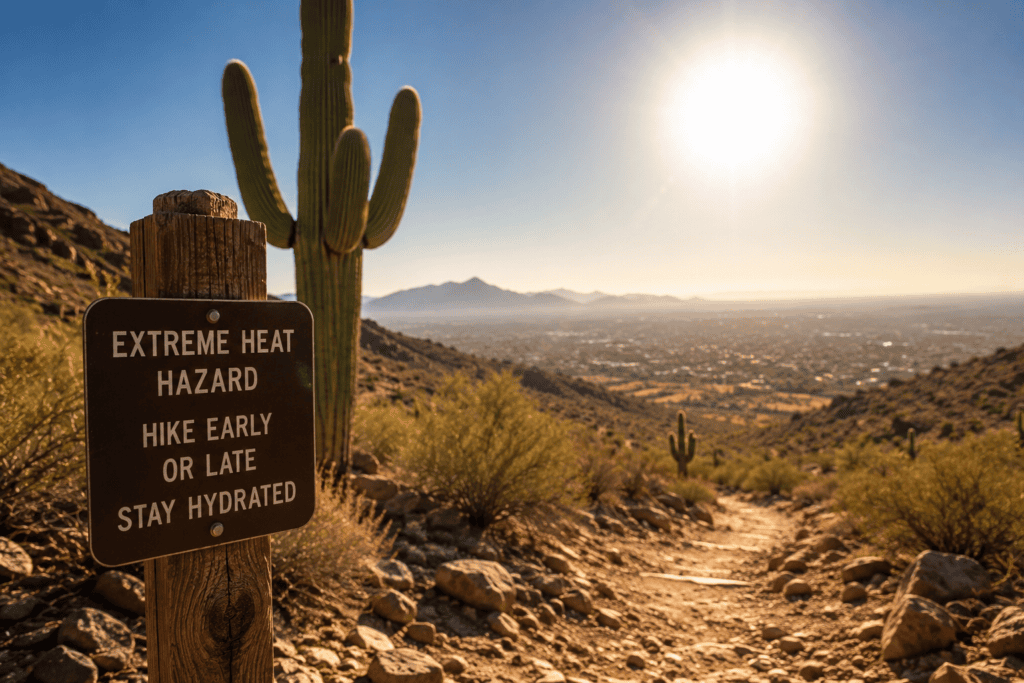
Summer in Arizona brings some of the most extreme heat in the country. Scottsdale and the broader Phoenix metropolitan area regularly see temperatures above 110 degrees Fahrenheit for weeks at a time, and the heat has become more intense and prolonged year over year. In this environment, heat-related illness is not a rare occurrence. Heat stroke in particular is a medical emergency that kills people every summer in the Valley, and understanding the warning signs and the appropriate response can mean the difference between recovery and severe injury or death.
This piece covers what heat stroke actually is, how to distinguish it from heat exhaustion (the distinction matters), what the warning signs look like, who is at highest risk, what to do if you suspect heat stroke, and how to prevent it in the first place. The information is specifically written for the Arizona audience because the risk here is real and immediate through the summer months.
Heat Exhaustion Versus Heat Stroke
The distinction between heat exhaustion and heat stroke is one of the most important pieces of information anyone in Arizona summer should know. They are related conditions on a spectrum, but they require different responses.
- Heat exhaustion is the body’s warning that it is losing the battle against the heat. The core body temperature is elevated but not dangerously so, typically between 100 and 103 degrees Fahrenheit. The person is usually sweating heavily. They feel weak, dizzy, nauseated, and may have a headache. Their skin is cool and moist to the touch despite the heat. Muscle cramps are common. The person is usually still oriented and coherent even if they feel terrible.
- Heat exhaustion is serious but manageable. Getting the person out of the heat, into a cool environment, replacing fluids and electrolytes, and monitoring them usually resolves the condition within an hour or two. Heat exhaustion is a warning sign that should not be ignored, but it is not usually a medical emergency requiring immediate emergency response.
- Heat stroke is a medical emergency. The core body temperature rises above 104 degrees Fahrenheit and can climb rapidly. The body’s temperature regulation system has failed. In classic exertional heat stroke, the person may still be sweating. In non-exertional heat stroke, which is more common in the elderly and vulnerable populations, sweating often stops and the skin becomes hot and dry. The person becomes confused, disoriented, or unconscious. They may have seizures. The rapid heartbeat, shallow breathing, and behavioral changes signal that the brain and other organs are being damaged by the extreme temperature.
The Mayo Clinic overview of heat stroke and the Cleveland Clinic summary both describe the condition and the emergency response protocols in detail. The key distinction to remember is that heat stroke involves altered mental status, dangerously high core temperature, and often a change in the pattern of sweating. If you suspect heat stroke, treat it as a medical emergency and call 911.
Warning Signs of Heat Stroke
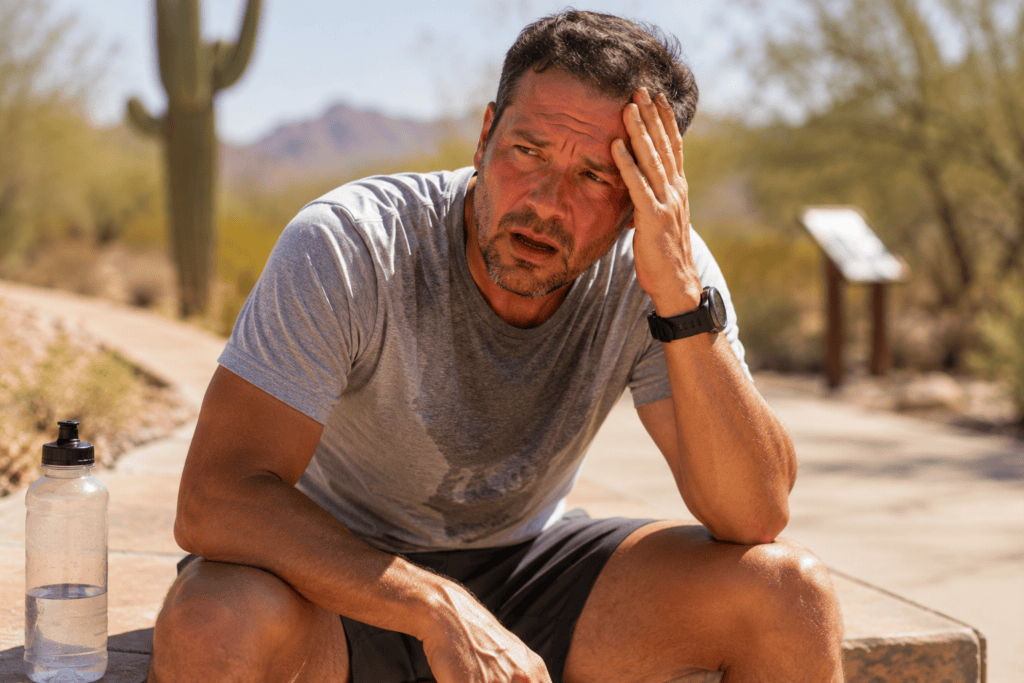
The warning signs often develop rapidly. Some people go from feeling uncomfortable to full heat stroke within an hour, particularly under exertion or in extreme heat. Recognizing the signs early can prevent severe outcomes.
The most consistent warning signs include:
- Throbbing headache and dizziness or lightheadedness that does not improve with rest.
- Hot, red, dry or damp skin. The change from sweating to dry skin is a particularly ominous sign in the elderly population.
- Confusion, disorientation, agitation, or slurred speech. Any change in mental status during heat exposure is a red flag.
- Nausea and vomiting, which further compound dehydration.
- A rapid, strong pulse that transitions to a rapid, weak pulse as the condition worsens.
- Rapid, shallow breathing.
- Muscle cramps or weakness that make it difficult to move or stand.
- Loss of consciousness, seizures, or coma in the most severe cases.
- A person exhibiting any of these signs after heat exposure should be treated as a medical emergency.
Who Is Most at Risk
Heat stroke can affect anyone in extreme conditions, but certain populations are at significantly higher risk. The CDC extreme heat risk factors page provides the fuller picture. The key risk factors include:
- Age. Infants, young children, and adults over 65 are at the highest risk. Their bodies are less efficient at regulating temperature and they are more likely to become dehydrated. Elderly people living alone are particularly vulnerable because they may not recognize the signs or seek help in time.
- Chronic health conditions. People with heart disease, lung disease, kidney disease, diabetes, and mental health conditions face elevated risk. Any condition that affects circulation, fluid balance, or the body’s ability to respond to physiological stress increases vulnerability.
- Medications. A significant list of common medications increases heat stroke risk. Diuretics reduce fluid volume. Beta blockers slow the heart’s response to heat stress. Psychotropic medications including antidepressants, antipsychotics, and anti-anxiety medications can impair temperature regulation. Stimulants including some ADHD medications increase heat production. Antihistamines reduce sweating. If you take any of these medications and spend time in Arizona summer heat, you should be aware of the elevated risk and take additional precautions.
- Sudden exposure. People who spend most of their time indoors and then suddenly spend hours outside in extreme heat are at higher risk than acclimatized individuals. This applies to tourists visiting Arizona in the summer, workers returning from vacation, or anyone who has not gradually built heat tolerance.
- Athletic exertion. Exertional heat stroke occurs in athletes, workers, and military personnel who exert themselves in high heat. The combination of muscular heat production and environmental heat overwhelms the cooling system rapidly. This is why endurance athletes and outdoor workers in Arizona summer face specific risks.
- Alcohol and drug use. Alcohol and certain recreational drugs impair judgment, increase dehydration, and interfere with temperature regulation.
- Lack of air conditioning. Access to reliable air conditioning during Arizona summer is not a luxury. It is a matter of life and death for vulnerable populations. Communities and individuals should be aware of neighbors who may lack adequate cooling.
What to Do If You Suspect Heat Stroke
Heat stroke is a medical emergency. Time matters. Every minute the core body temperature stays elevated increases the risk of permanent organ damage or death.
Call 911 immediately. Do not delay. Do not wait to see if the person recovers on their own. Do not try to drive them to the hospital yourself unless emergency services are not available.
Move the person to a cool environment. Get them into air conditioning if possible. If not, move them into shade and out of direct sunlight.
Begin rapid cooling while waiting for emergency responders. This is where the response protocol matters most. Effective cooling techniques include:
- Immersing the person in cool water if possible. Cold water immersion is the most effective cooling method available in a non-hospital setting.
- Applying ice packs or cold compresses to the neck, armpits, and groin where large blood vessels sit close to the skin.
- Wetting the skin with cool water and using a fan to promote evaporative cooling.
- Removing excess clothing.
- Continuing the cooling measures until emergency responders arrive or until the person’s mental status improves and the body temperature drops toward normal.
Do not give the person anything to drink if they are confused, unconscious, or vomiting. They can aspirate and choke. If the person is fully alert and able to swallow, small sips of cool water are appropriate, but rapid rehydration should wait for medical care.
Monitor breathing and be prepared for possible seizures. If the person stops breathing or has a seizure, begin appropriate first aid while continuing to wait for emergency responders.
The Ready.gov extreme heat guidance covers the federal emergency management perspective on heat-related illness response.
Prevention

Prevention is far easier than treatment. The following practices reduce heat stroke risk substantially in Arizona summer conditions.
- Hydrate consistently. Drink water throughout the day, not just when thirsty. Thirst is a late signal of dehydration. Aim for pale yellow urine as a hydration marker. During peak heat and exertion, electrolyte-containing beverages help maintain the sodium and potassium balance that plain water depletes.
- Limit outdoor exposure during peak heat hours. From roughly 10 a.m. to 6 p.m. during summer, outdoor exertion carries elevated risk. Schedule outdoor activity for early morning or evening whenever possible.
- Wear appropriate clothing. Lightweight, light-colored, loose-fitting clothing helps the body dissipate heat. A wide-brimmed hat protects the head and face. Sunglasses reduce eye strain that compounds heat fatigue.
- Take breaks and seek shade regularly. Do not push through symptoms of heat exhaustion. The transition from heat exhaustion to heat stroke can happen faster than most people expect.
- Never leave children or pets in vehicles. The internal temperature of a car in Arizona summer rises to lethal levels within minutes even with windows cracked. This is one of the most preventable causes of heat stroke death every year.
- Check on vulnerable neighbors. Elderly people, people with chronic health conditions, and people without reliable air conditioning face the highest risk during heat waves. Regular check-ins during extreme heat events save lives.
- Know the signs and respond quickly. Familiarity with the warning signs allows early intervention. Heat exhaustion caught early rarely progresses to heat stroke.
Where Acupuncture Fits
For patients who have experienced heat stroke or heat exhaustion and have received appropriate medical care, acupuncture can support recovery from the residual effects. The treatment addresses the fatigue, weakness, and general depletion that often persists after significant heat illness. Chinese medicine has specific frameworks for treating heat depletion patterns, and the treatment can support the body’s return to normal function after the acute event has resolved.
This is a supporting role, not a primary treatment for the emergency itself. Heat stroke requires emergency medical care. Once that care has been provided, acupuncture is one tool among several that can support recovery.
The full picture of what this practice offers is in Acupuncture, Cupping & Lifestyle Coaching.
Stay safe this summer. The Arizona heat deserves respect, and the warning signs of heat stroke are worth memorizing before you or someone around you needs the information.
Reach out to Above and Beyond Acupuncture on North Frank Lloyd Wright Boulevard in Scottsdale for questions about heat recovery support or general wellness care.
Schedule an appointment online or call us today to start your journey to relief.