Key Takeaways
- Preparing for acupuncture improves treatment outcomes; avoid empty stomach, vigorous exercise, alcohol, and strong scents.
- Communicate openly with your practitioner about medications, changes, and concerns to shape your treatment plan.
- Post-treatment practices matter; avoid intense exercise, alcohol, and stay hydrated to consolidate effects and enhance recovery.
- Common sensations after acupuncture include mild fatigue, lightheadedness, and emotional shifts, reflecting the body’s response.
- Maintaining consistent appointments and tracking progress supports better results in combining eastern and western medicine.
Acupuncture treatments produce measurable physiological effects that unfold before, during, and after each session. Preparing appropriately before treatment supports better outcomes during the session, and specific practices after treatment help those effects consolidate rather than fade quickly. Patients who understand what to avoid at each stage typically experience better results and clearer progress across a course of treatment.
Here is a practical guide to preparing for and recovering from an acupuncture session, based on years of clinical observation and the traditional understanding of what supports optimal treatment response.
Before an Acupuncture Treatment

The state you arrive in affects how your body responds to treatment. A few simple considerations before the session allows for better results.
- Avoid arriving on an empty stomach. Acupuncture triggers physiological shifts including changes in blood pressure and blood sugar. Arriving without food can produce lightheadedness or a stronger vasovagal response during treatment. Eat a light meal or substantial snack one to two hours before your appointment. Not a heavy meal (which produces its own discomfort during treatment) and not nothing at all.
- Avoid vigorous exercise immediately before treatment. Intense exercise activates the sympathetic nervous system and produces elevated heart rate, cortisol, and muscular tension. Acupuncture works partly by shifting the nervous system toward parasympathetic activation, and arriving in a highly sympathetic state can reduce the treatment response. Gentle movement is fine. Save intense workouts for a different part of the day.
- Avoid alcohol before treatment. Alcohol affects nervous system function, blood pressure regulation, and the accuracy of pulse diagnosis in Chinese medicine. Avoid alcohol for at least 24 hours before your appointment.
- Avoid excessive caffeine. Caffeine activates the sympathetic nervous system in ways that can interfere with the treatment response. A normal morning cup of coffee before an afternoon appointment is fine. Multiple energy drinks or heavy caffeine consumption immediately before treatment can reduce the effect of the session.
- Avoid strong scents. Perfume, cologne, and heavily scented body products affect the treatment room and can interfere with other patients’ experience. Arrive with minimal or no fragrance.
- Wear comfortable, loose-fitting clothing. The practitioner needs access to points on the arms, legs, abdomen, and back. Loose clothing that can be moved easily reduces the need to change into a gown and helps you feel comfortable during the session.
- Arrive with a few minutes to settle. Rushing into a treatment room while stressed reduces the initial response. Arrive five to ten minutes early to complete paperwork, use the restroom, and let your nervous system settle before the session begins.
What to Communicate to Your Practitioner
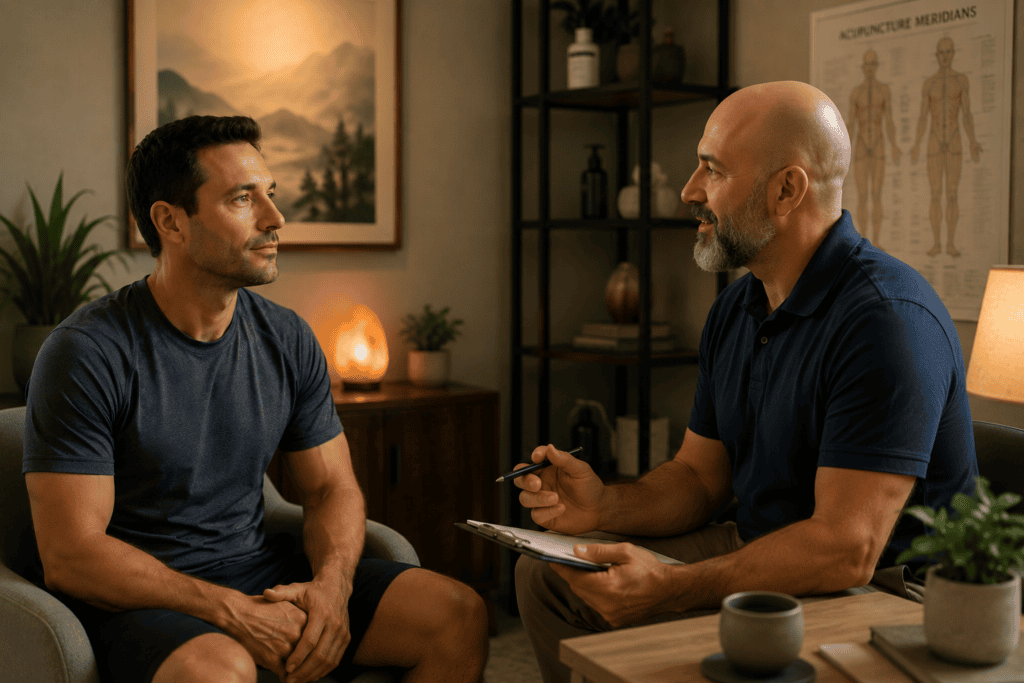
The intake conversation before each session shapes the treatment plan for that day. Open communication produces better results.
- Share all medications. Prescription medications, over-the-counter medications, herbal supplements, and vitamins all affect treatment response. Even medications that seem unrelated to your primary complaint are worth mentioning. Blood thinners in particular affect how the practitioner approaches needle placement.
- Share recent changes. New symptoms, changes in existing symptoms, recent life events, sleep changes, digestive changes, and mood changes since your last session all inform the treatment plan.
- Share what worked and what did not. After previous sessions, note what improved, what did not, and any new sensations. This feedback allows the practitioner to refine the approach.
- Share concerns openly. Any concerns about specific points, needle sensations, or aspects of the treatment should be discussed openly. A skilled practitioner adjusts the approach based on your feedback rather than continuing with an approach that produces discomfort.
- Share pregnancy status. Certain points are contraindicated during pregnancy. If you are pregnant or trying to conceive, communicate this at every session.
- Share any acute illness. If you are currently sick with a cold, flu, or other acute condition, share this before the session. Acupuncture can support the immune response but the treatment approach shifts based on the acute presentation.
After an Acupuncture Treatment

The hours and day after a session are when the treatment effects settle in. The following list helps to support the mind, body and spirit post acupuncture treatment:
- Avoid intense exercise immediately after treatment. Vigorous exercise disrupts the parasympathetic settling that the treatment produced. Gentle movement (walking, light stretching, yoga) is fine and often supports the treatment response. Save intense workouts for the following day.
- Avoid alcohol for at least 24 hours after treatment. Alcohol interferes with the nervous system settling that acupuncture produces and can reduce the durability of the treatment response.
- Avoid cold exposure. Traditional Chinese medicine considers cold exposure after treatment particularly disruptive because the body is in a receptive state and cold can lodge in the tissues. Avoid cold showers immediately after treatment. Avoid iced beverages for the rest of the day. Keep the neck and low back warm particularly during colder weather.
- Avoid recreational drugs. Cannabis, other recreational substances, and non-prescribed substances affect nervous system function and can disrupt the treatment response.
- Stay hydrated. Water supports the metabolic processes that continue after treatment. Aim for regular water intake through the rest of the day.
- Get adequate sleep. The night after acupuncture is often characterized by particularly restorative sleep. Prioritize sleep that night rather than staying up late.
- Continue prescribed medications. Acupuncture treatment does not replace medications prescribed by physicians. Continue any prescribed medications as directed unless your physician has adjusted the prescription.
- Rest and gentle activity through the rest of the day. For first-time patients or patients receiving particularly deep treatment, plan for a lighter afternoon or evening after the session. The response is variable and some patients feel energized while others feel drowsy.
What Sensations Are Normal

Understanding what to expect during the hours and days after treatment reduces unnecessary concern about normal responses.
- Mild fatigue or drowsiness immediately after treatment is common and reflects the shift toward parasympathetic activation. This response typically resolves within a few hours.
- Occasional lightheadedness as you stand up from the treatment table is normal. Take a moment to sit before standing fully.
- Deeper sleep the night after treatment is common and often welcome.
- Increased urination as the body clears metabolic waste products is normal.
- Mild soreness at needle sites for a day or two is normal. This is not the same as bruising or pain and typically feels similar to the aftermath of a workout.
- Small bruises at some needle sites can occur, particularly in patients on blood thinners. These are cosmetic rather than clinically significant and resolve within days.
- Emotional shifts including release, tearfulness, or unexpected feelings can occur as the nervous system settles. This is normal and reflects the deep autonomic changes that treatment produces.
- Temporary intensification of some symptoms for a day or two before improvement is not uncommon. The pattern is well-recognized clinically and typically precedes meaningful progress.
How Long Until I Feel Better From Acupuncture? provides reasonable expectation and potential timeframes regarding health improvement and changes from treatment.
Managing Emotional Processing

Acupuncture produces measurable shifts in the autonomic nervous system, and these shifts sometimes allow emotions to surface that had been compartmentalized. This is a normal part of the treatment process and one that first-time patients are not always prepared for.
The emotional release can take several forms. Tearfulness during or immediately after treatment. Feeling unexpectedly emotional or reflective for a few hours. Old feelings arising without a specific trigger. Deep sleep with vivid dreams.
None of these responses indicate that something is wrong. They reflect the parasympathetic shift and the release of stored thoughts, feelings and emotions. Allowing the process to unfold rather than trying to suppress it typically produces far better outcomes than resisting the shift.
If a strong emotional response occurs, plan for a relaxing evening. Avoid making significant decisions or having difficult conversations immediately after a treatment. The autonomic shift alleviates within a day or two and clearer emotional processing will follow.
For patients dealing with chronic stress and nervous system dysregulation, the underlying framework is covered in Anxiety, Stress, and Depression.
Getting the Most From Your Course of Treatment
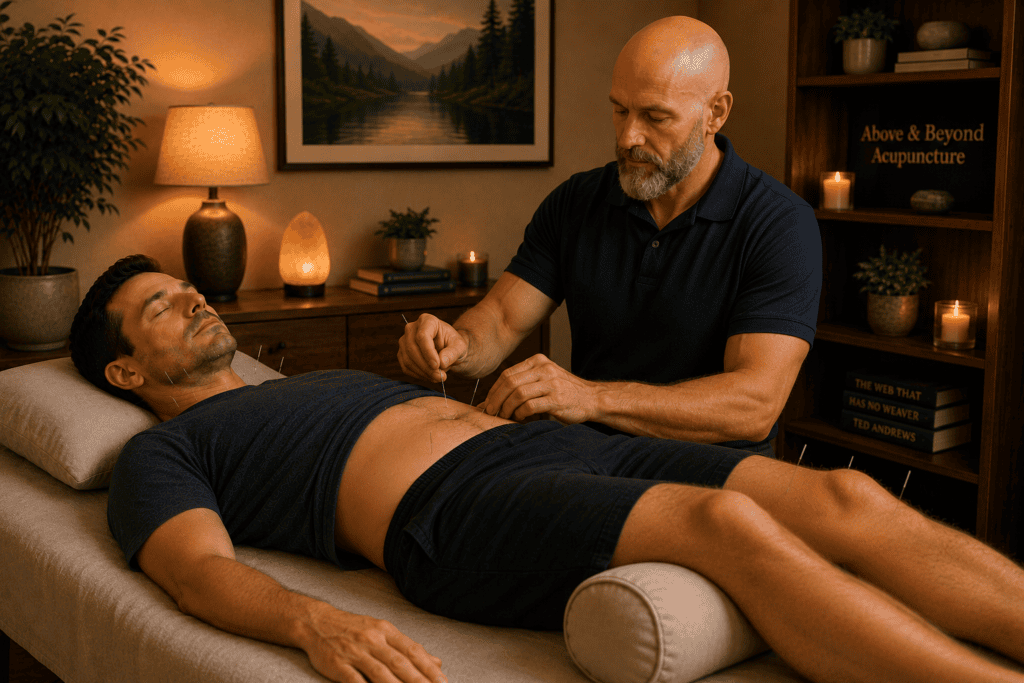
Individual sessions matter but the cumulative work over a course of treatments produce more substantial changes.
- Maintain consistent appointments. Weekly treatment during the initial course produces better outcomes than sporadic appointments spread further apart. The nervous system responds to cumulative signals rather than isolated interventions.
- Track progress. Notice what improves, what does not, and any patterns you observe. This information supports refinement of the treatment plan across sessions.
- Support the treatment with lifestyle changes. Sleep, movement, hydration, nutrition, and stress management all amplify the treatment response. Acupuncture is not a passive intervention that works while you do nothing else.
- Communicate throughout. Ongoing communication with the practitioner between sessions supports the treatment. Concerns, questions, or observations are welcome and typically improve outcomes.
- Trust the timeline. Chronic conditions require sustained treatment. Two to three months of consistent work is a reasonable initial course for most chronic issues. Meaningful progress often emerges gradually rather than dramatically.
Acupuncture, Cupping & Lifestyle Coaching covers what the practice offers across the full spectrum of holistic care.
Reach out to Above and Beyond Acupuncture on North Frank Lloyd Wright Boulevard in Scottsdale to schedule a consultation or with any questions before your appointment.
Schedule an appointment online or call us today to start your healing journey.