Key Takeaways
- Acupuncture cannot replace emergency care for medical emergencies like heart attacks, strokes, and severe injuries.
- Certain structural conditions require surgery, such as broken bones and torn ligaments, where acupuncture can only support recovery.
- Acupuncture serves as supportive care during cancer treatment but cannot treat cancer directly.
- Acupuncture does not address severe mental health crises that require psychiatric intervention, nor can it replace antibiotics for bacterial infections.
- For insulin-dependent conditions and genetic disorders, acupuncture may aid symptom management but does not replace necessary medical treatments.

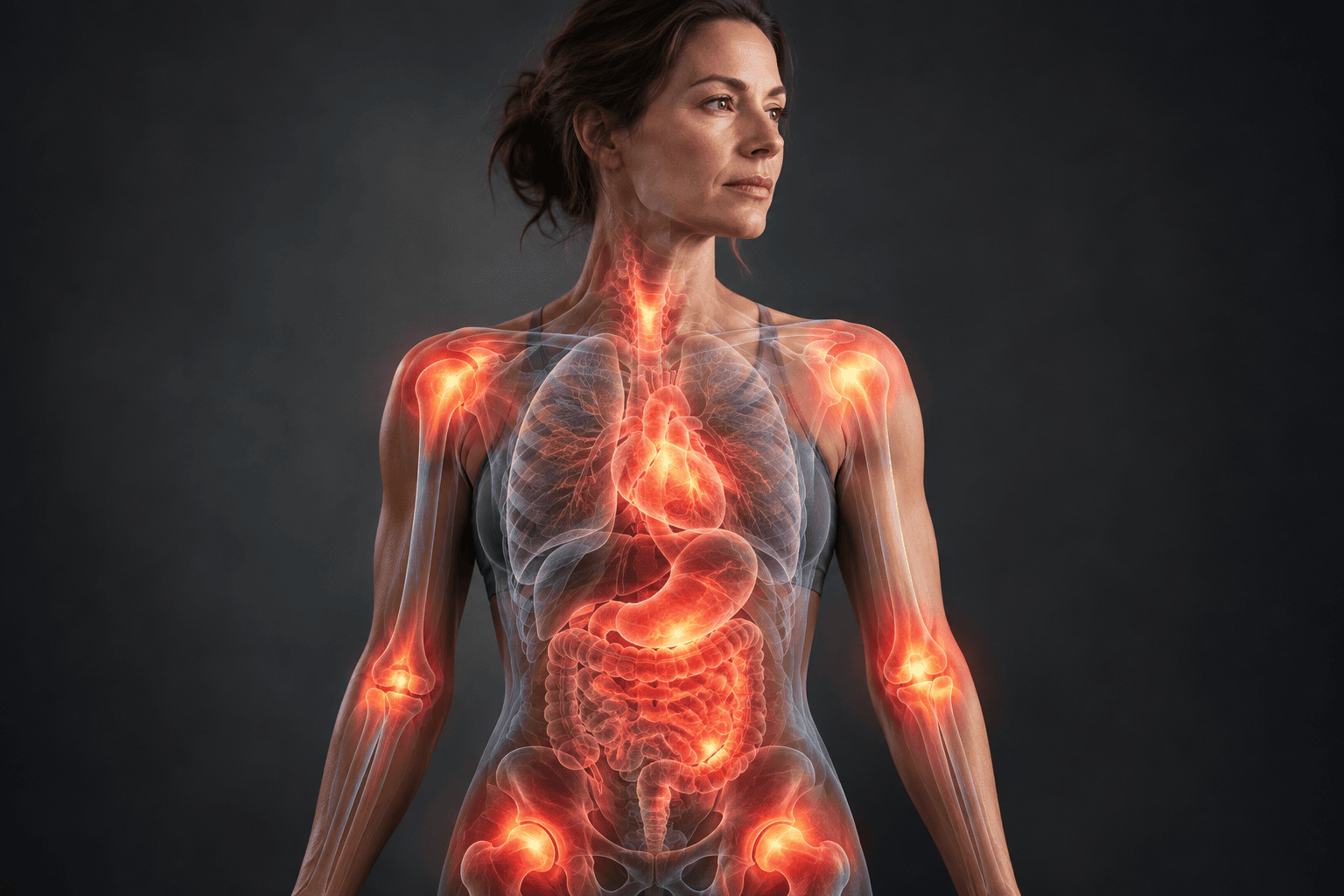
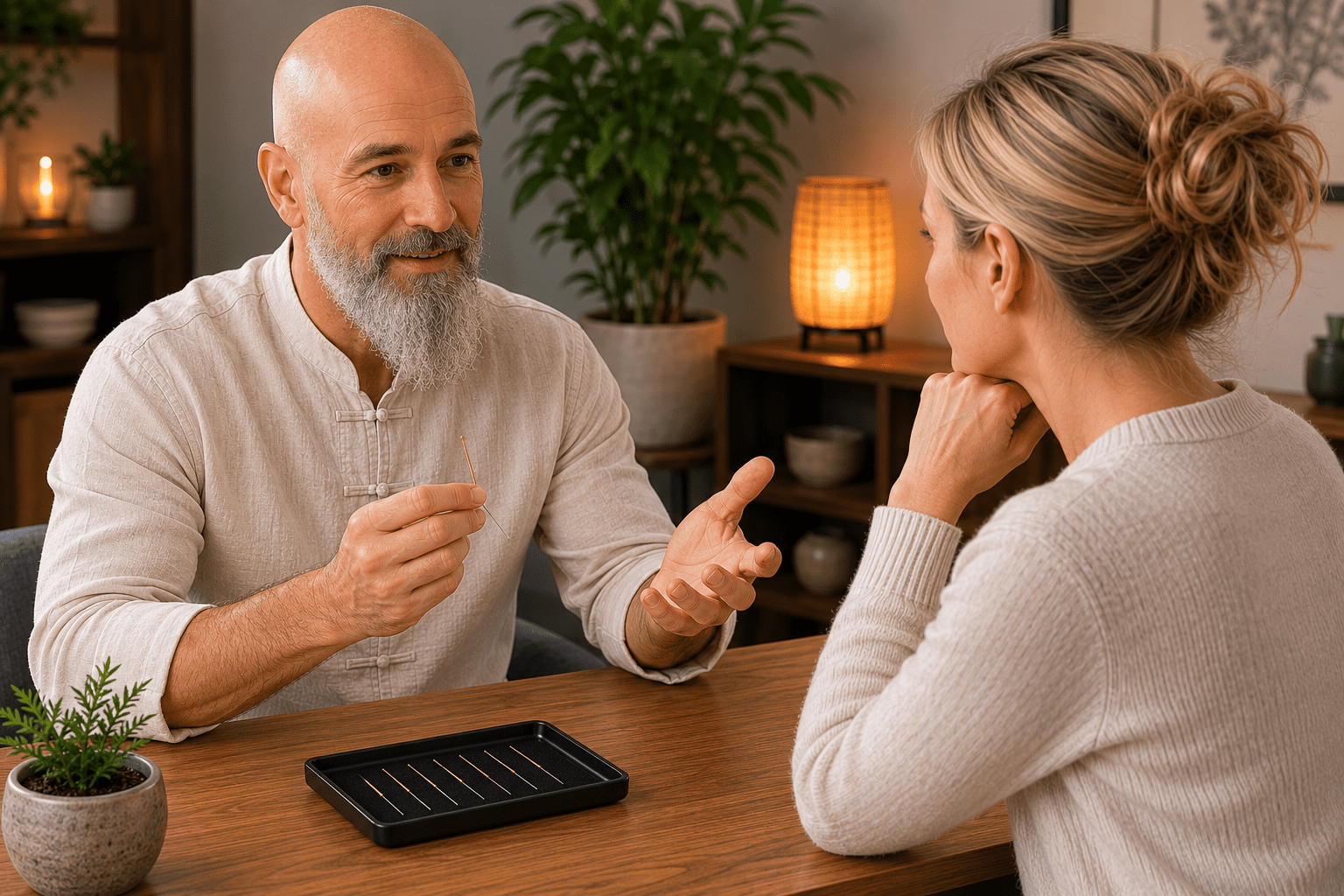
If you are considering acupuncture, you deserve an honest picture of what the treatment can and cannot do. Most content about acupuncture focuses on what it can help with. That list is genuinely long. But there are conditions for which acupuncture is not the appropriate first-line care, situations in which it supports rather than replaces standard medical treatment, and cases in which relying on acupuncture alone could delay necessary intervention.
This piece covers what acupuncture cannot treat, not to diminish the practice but to set accurate expectations. Acupuncture is remarkably effective for many conditions and inappropriate for others. Both truths matter. Patients who understand what acupuncture does and does not do can integrate it with other necessary care and achieve better outcomes overall.
Medical Emergencies

Acupuncture is not appropriate as first-line care for medical emergencies. When an acute, life-threatening condition occurs, call 911 or go to the emergency room.
- Heart attacks require immediate emergency care. Chest pain, arm pain, jaw pain, shortness of breath, and other cardiac symptoms warrant emergency evaluation.
- Strokes require immediate emergency care. Sudden weakness on one side, facial drooping, difficulty speaking, sudden severe headache, and vision changes all warrant calling 911 immediately.
- Severe injuries including significant trauma, head injuries with loss of consciousness, and injuries with significant bleeding all require emergency care.
- Sepsis including high fever with confusion, rapid heart rate, and signs of systemic infection requires immediate emergency evaluation.
- Severe allergic reactions including anaphylaxis require immediate emergency care.
- Acute abdominal emergencies including appendicitis, bowel obstruction, and severe abdominal pain of unclear cause require emergency evaluation.
Acupuncture may support recovery after emergency medical care has stabilized the condition. During the emergency, medical intervention is essential.
Structural Conditions Requiring Surgery
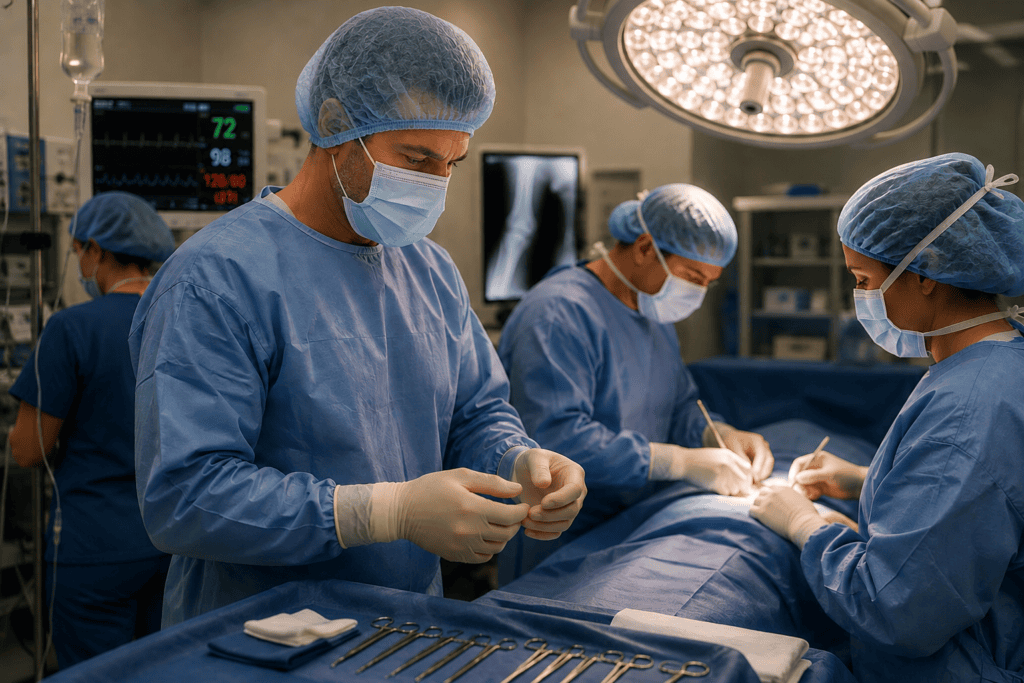
Certain conditions need surgery or procedures that acupuncture alone cannot replace.
- Broken bones need to be set and stabilized. Acupuncture can support the healing process after the bone is stabilized but does not replace the reduction and casting or surgical fixation.
- Torn ligaments requiring repair including significant ACL tears, rotator cuff tears requiring surgery, and other structural tears often need surgical repair. Acupuncture supports recovery but does not repair the tear.
- Tumors requiring removal. Whether benign or malignant, tumors that need to come out need surgery. Acupuncture cannot dissolve tumors.
- Gallstones causing obstruction. Acupuncture may help with certain gallbladder patterns, but stones causing acute obstruction or infection require medical or surgical intervention.
- Kidney stones causing obstruction. Similar picture. Acupuncture may help with recovery and prevention, but active obstruction requires medical management.
- Severe joint destruction requiring replacement. End-stage arthritis that has destroyed the joint may need joint replacement. Acupuncture supports the condition and post-surgical recovery but does not regenerate the destroyed joint.
Acupuncture helps with preparing for surgery, recovery afterward, and managing pain around structural procedures. However, it does not replace the need for surgery itself when necessary.
Cancer as Primary Treatment
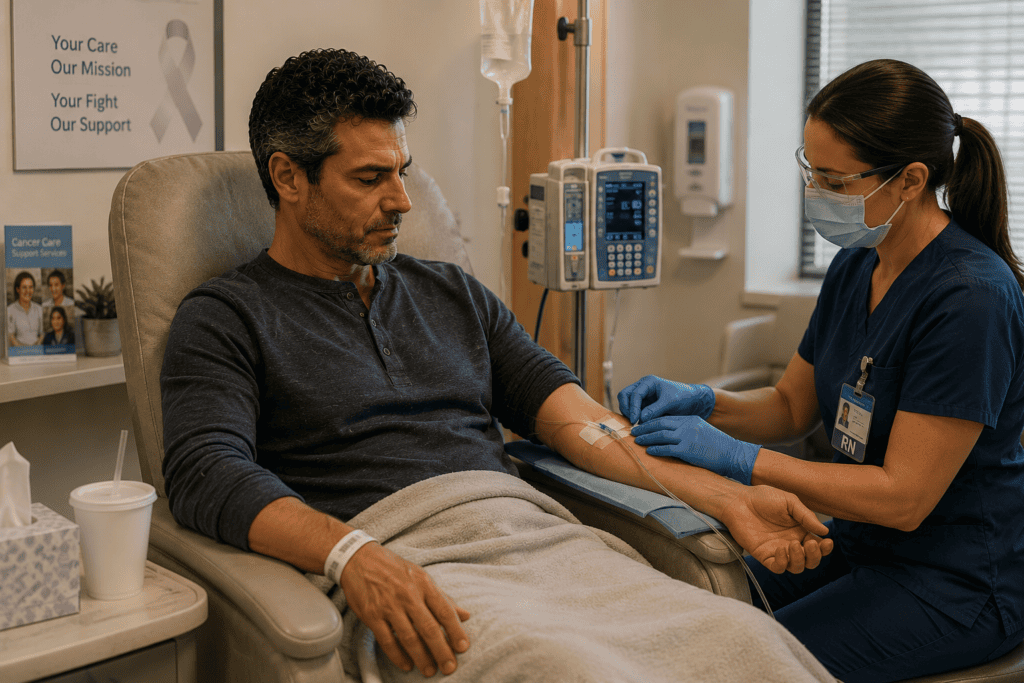
Acupuncture is valuable as supportive care during cancer treatment. It is not a treatment for cancer itself.
Patients diagnosed with cancer need oncology care including some combination of surgery, chemotherapy, radiation, immunotherapy, targeted therapies, or hormone therapies depending on the specific cancer. These treatments address the cancer directly.
Acupuncture serves as a supportive treatment in cancer care. It helps manage chemotherapy-induced nausea, chemotherapy-induced peripheral neuropathy, hot flashes from hormone therapies, xerostomia from radiation, cancer-related fatigue, and quality of life issues throughout treatment. This supportive role is valuable and has substantial research support.
But acupuncture does not shrink tumors, kill cancer cells, or replace conventional cancer treatment. Any content suggesting otherwise puts patients at serious risk. Cancer requires oncologic care.
Severe Mental Health Crises

Acute mental health crises require psychiatric intervention rather than acupuncture treatment.
- Active suicidality requires immediate mental health crisis intervention. Call 988 Suicide and Crisis Lifeline (call or text 988) or go to an emergency room.
- Acute psychosis including hallucinations, severe paranoia, or complete break from reality requires psychiatric evaluation and often medication.
- Severe eating disorder crises including medical instability from restriction, purging, or binge eating requires specialized eating disorder care and often hospitalization.
- Manic episodes requiring stabilization need psychiatric care.
- Severe substance withdrawal including alcohol withdrawal that can be medically dangerous needs medical supervision.
Acupuncture supports ongoing mental health care and can be part of comprehensive treatment for many mental health conditions. During acute crises, direct psychiatric intervention should take priority.
Bacterial Infections Requiring Antibiotics
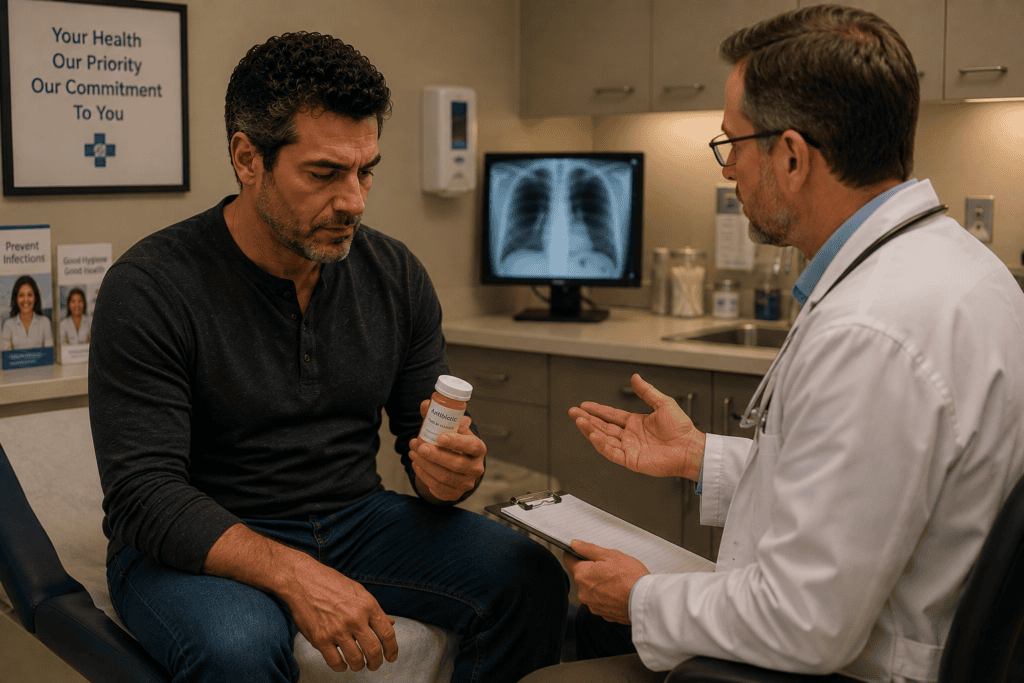
Certain infections require antibiotic treatment that acupuncture cannot replace.
- Bacterial pneumonia requires antibiotics.
- Urinary tract infections that have progressed beyond mild need antibiotic treatment.
- Cellulitis and other skin infections that are spreading require antibiotics.
- Strep throat requires antibiotics to prevent complications.
- Sexually transmitted bacterial infections require antibiotic treatment.
- Serious dental infections and abscesses require antibiotic treatment and often dental intervention.
Acupuncture may support the immune system and recovery after antibiotic use. During an active bacterial infection, antibiotics are the appropriate treatment.
Type 1 Diabetes and Insulin-Dependent Conditions
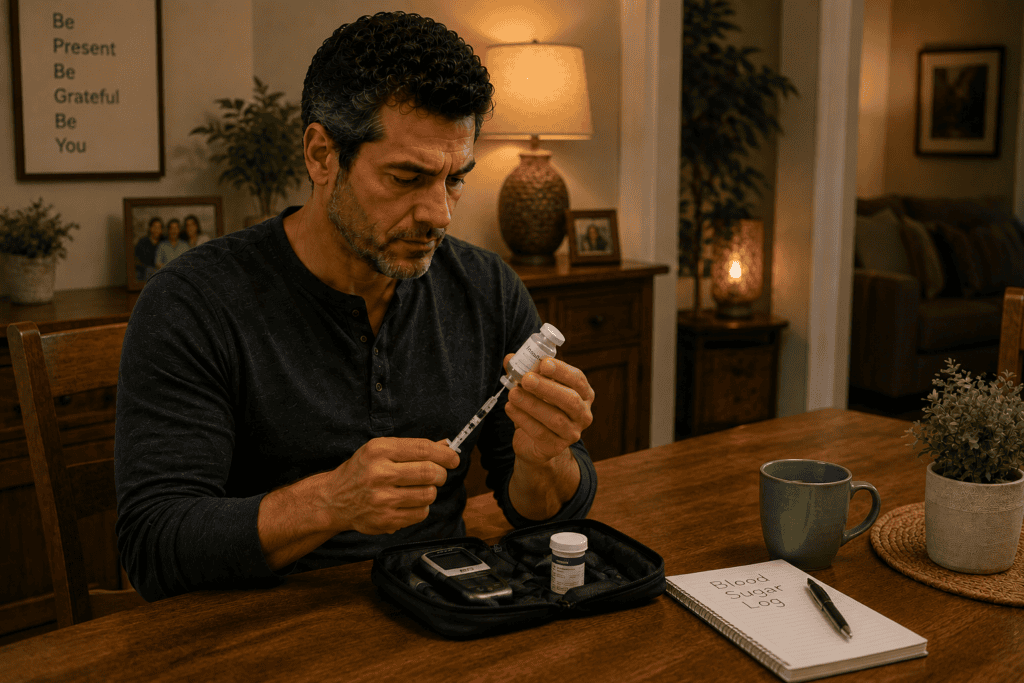
Type 1 diabetes requires insulin. The pancreas does not produce insulin, and no lifestyle or complementary intervention will change that basic reality.
Acupuncture can be valuable as supportive care for patients with Type 1 diabetes. It supports nervous system regulation that affects glucose management, helps address complications such as diabetic neuropathy, and improves quality of life. Acupuncture does not replace the insulin these patients require.
Similar conditions include other insulin-dependent and hormonal conditions requiring hormone replacement. Acupuncture supports quality of life and complication management. It does not replace the medications that patients require to survive.
Genetic Conditions
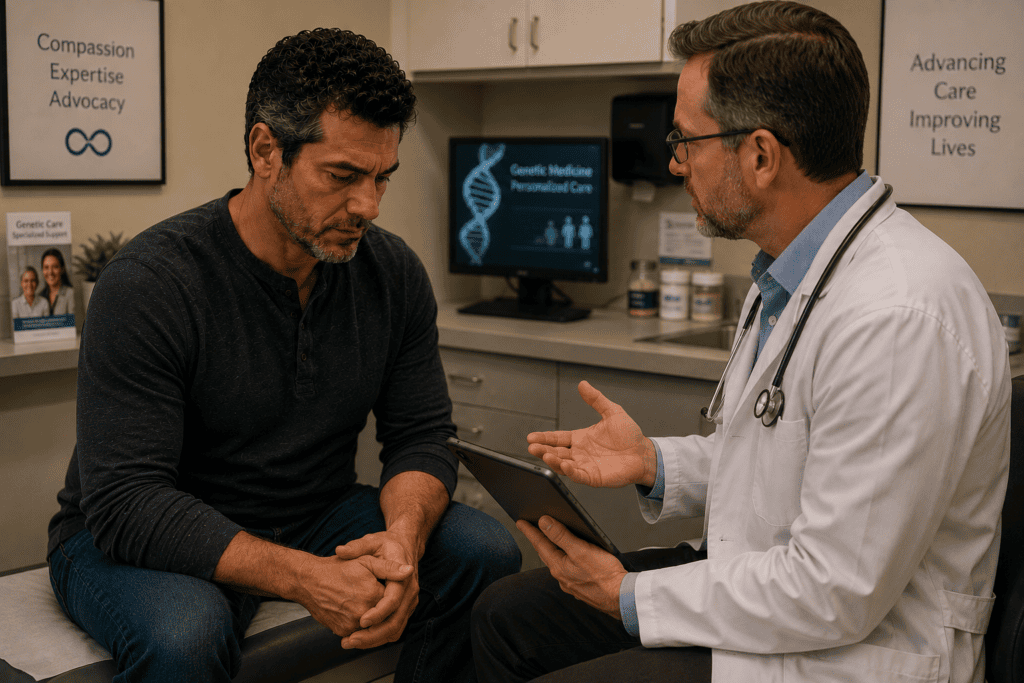
Acupuncture cannot cure genetic conditions or alter the underlying genetic pattern. What it can do is support symptom management, quality of life, and function for patients with genetic conditions.
Cystic fibrosis, muscular dystrophy, Huntington’s disease, sickle cell disease, and other genetic conditions require the specialized medical care that manages them. Acupuncture may support the specific symptoms and complications but does not address the underlying genetic cause.
Severe Organ Failure
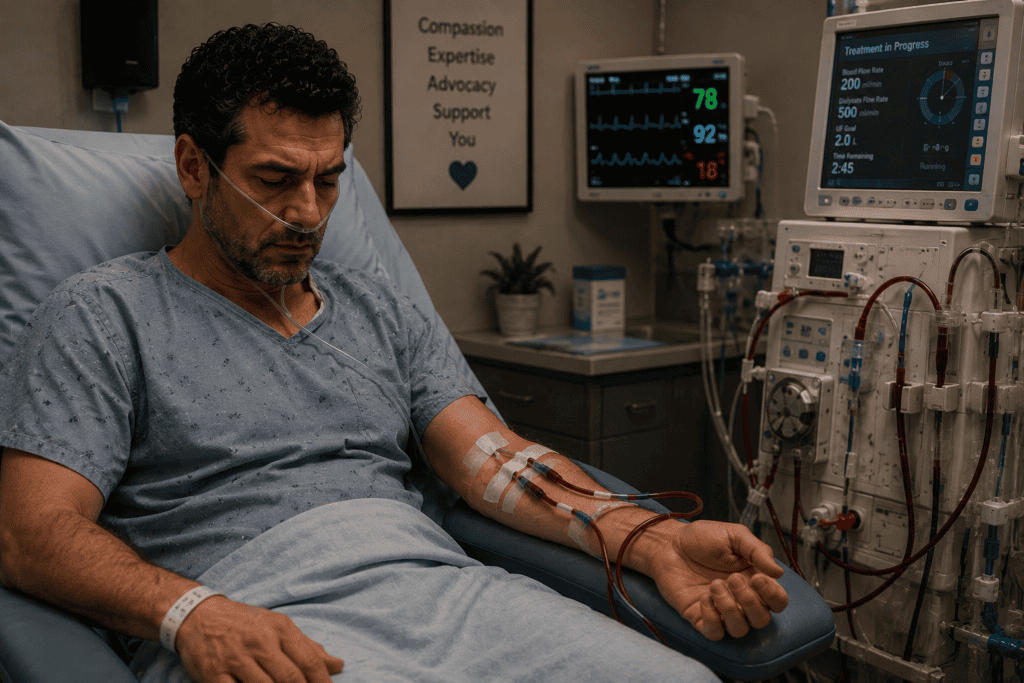
End-stage organ failure requires medical intervention and management that acupuncture cannot replace.
- End-stage kidney disease requires dialysis or transplantation. Acupuncture may support quality of life and manage complications but does not replace kidney function.
- End-stage liver failure requires medical management and often transplantation. Acupuncture may support quality of life but does not restore liver function.
- Advanced heart failure requires cardiac management and often devices or transplantation. Acupuncture may support quality of life and reduce symptom burden.
- Advanced lung disease requires respiratory management and often oxygen therapy. Acupuncture may support breathing patterns and quality of life.
Acupuncture supports patients with advanced organ failure by managing symptoms, improving quality of life, and providing complementary care. It does not restore failed organ function.
Where the Line Between “Cannot Treat” and “Can Support” Sits
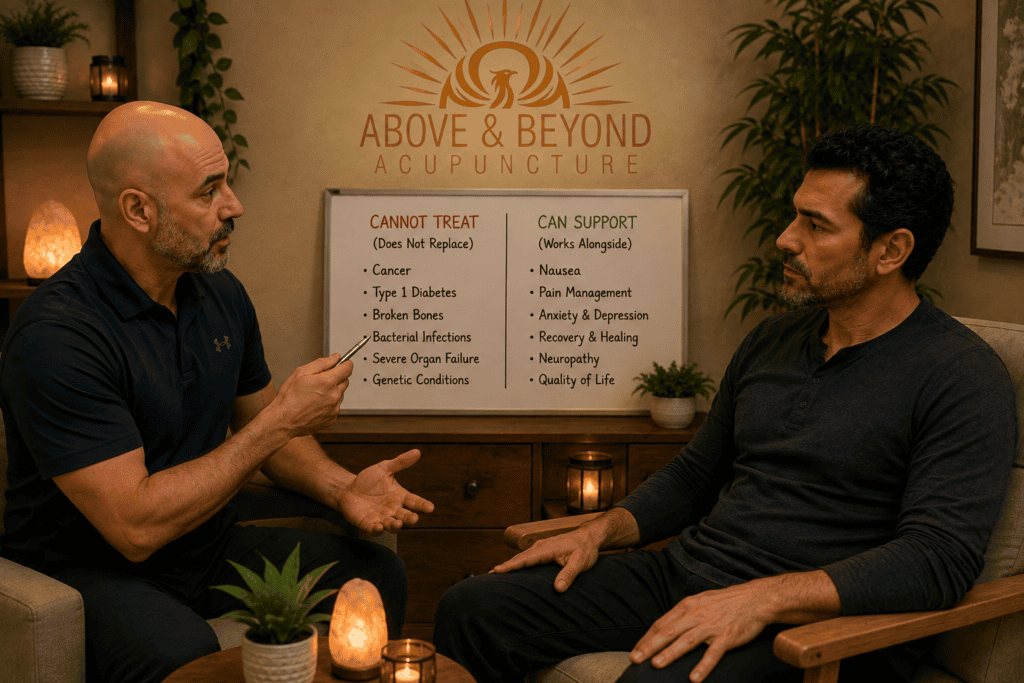
Reading this article may make it seem as though acupuncture is not useful for many conditions. That interpretation is incorrect. Acupuncture is genuinely useful for most of these conditions in a supportive role. What acupuncture does not do is replace the primary medical treatment these conditions require.
The difference is important. A cancer patient benefits greatly from acupuncture during chemotherapy, but acupuncture is not a cancer treatment. A patient with Type 1 diabetes benefits from acupuncture for neuropathy and quality of life, but acupuncture is not a diabetes treatment. A patient recovering from a broken bone benefits from acupuncture for pain and healing support, but acupuncture is not a treatment for the fracture.
Understanding this difference helps patients get the most from acupuncture and Traditional Chinese Medicine. It becomes a powerful supportive tool integrated with primary medical care rather than a replacement.
When Acupuncture Genuinely Excels
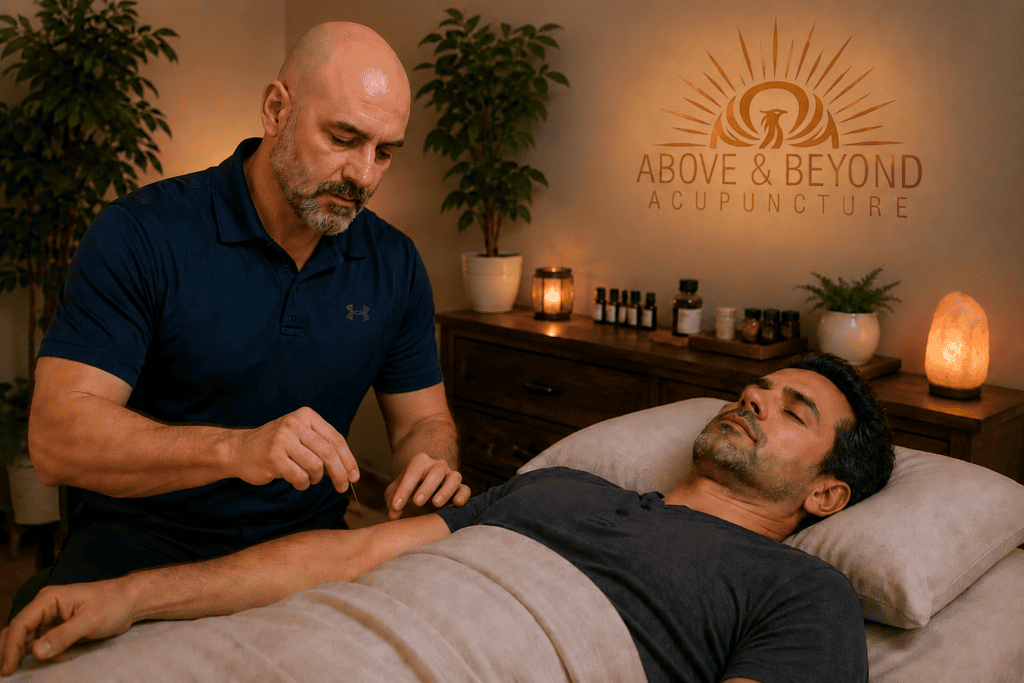
The other aspect of this is important. Acupuncture is well-supported by research for many conditions and can often be a primary or first-choice treatment.
Chronic pain conditions including back pain, neck pain, headaches, and arthritis. Nausea including chemotherapy, postoperative, and pregnancy nausea. Anxiety, depression, and stress-related conditions. Women’s health including menstrual pain, PMS, and menopausal symptoms. Insomnia and sleep issues. TMJ, tension headaches, and related patterns.
For patients wanting an honest picture of where research supports acupuncture, Is There Any Proof That Acupuncture Actually Works? covers the evidence across multiple health conditions.
For patients deciding if acupuncture is right for their situation, Can Acupuncture Help Me Heal? covers the honest picture of what patients can reasonably expect from treatment.
For patients who want honest reasons to not try acupuncture, 5 Reasons to Not Try Acupuncture covers specific situations where the treatment may not be appropriate.
Many patients also experience anxiety, stress, and depression alongside their primary concerns that respond well to acupuncture treatment.
Above and Beyond Acupuncture offers acupuncture, cupping, and lifestyle coaching at the North Frank Lloyd Wright Boulevard location in Scottsdale.
Schedule an appointment online or call us today to start your healing journey.
About the Publisher
Paul Kerzner, L.Ac., is a licensed acupuncturist and board-certified herbalist, as well as the founder of Above and Beyond Acupuncture in Scottsdale. His own journey from chronic patient to practicing acupuncturist shapes his commitment to providing honest, clinically grounded information about acupuncture and Traditional Chinese Medicine. Learn more about Paul and his clinical approach on the About Us page.