
Key Takeaways
- Inflammation is the body’s response to injury or infection, essential for healing, but can become chronic and harmful.
- Chronic inflammation contributes to serious health issues like heart disease, diabetes, and digestive problems.
- Lifestyle factors such as chronic stress, poor diet, and lack of sleep drive chronic inflammation.
- Dietary changes can reduce inflammation; include anti-inflammatory foods like fatty fish, dark leafy greens, and spices.
- Acupuncture can help manage inflammation by enhancing immune function and relieving associated symptoms.

The term “inflammation” frequently appears in health discussions, whether on podcasts, in doctors’ lab reports, or wellness articles. While most people realize it’s not helpful, many are unsure about the reasons they experience it or whether they even have it.
In fact, the situation is more complex than the term implies. There are two quite different kinds of inflammation: one of which is essential for survival, whereas the other is responsible for a number of the chronic health problems that lead people to visit Above and Beyond Acupuncture in Scottsdale.
What is Inflammation?

The body’s response to injury, infection, or irritation is called inflammation. As soon as your tissues are damaged, your immune system activates to combat the threat, remove damaged cells, and begin the repair process. Anyone who has ever sprained an ankle or had a cut that became infected has seen the usual symptoms: redness, heat, swelling, and pain.
This type of inflammation is normal and healthy. It’s your body working as it should. Redness means more blood and immune cells are coming to help. Swelling helps stop infection from spreading. Heat shows your cells are busy cleaning up. Pain reminds you to protect the area while it heals. Usually, this kind of inflammation goes away in days or weeks once the problem is fixed.
The actual problem is the different type of inflammation.
Why Chronic Inflammation is the One to Worry About
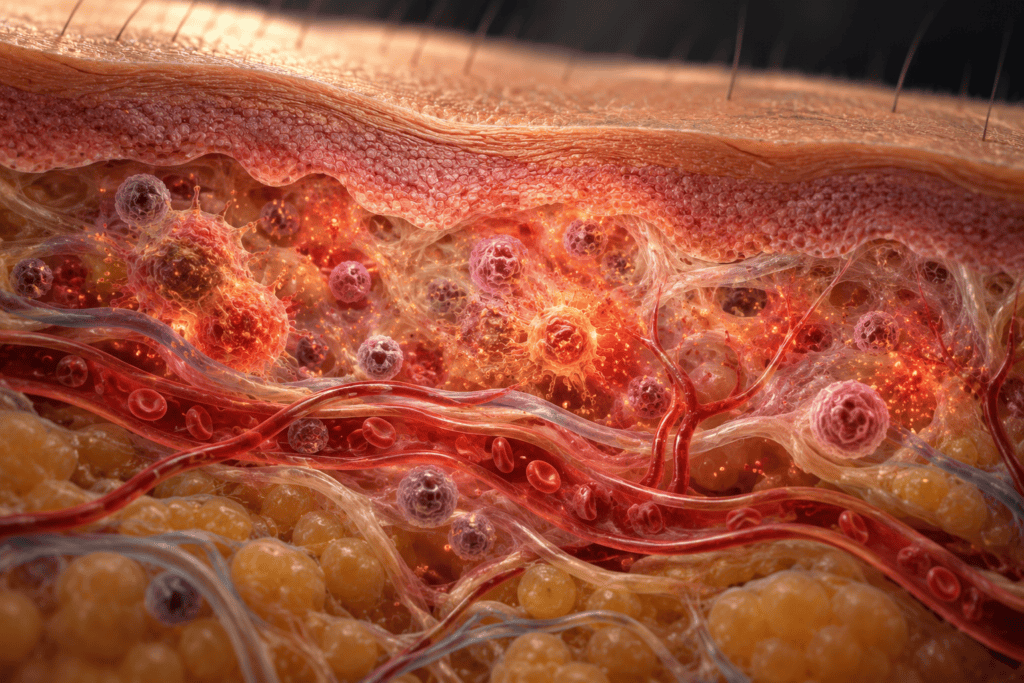
Chronic inflammation happens when the body’s response doesn’t shut off, even after the initial problem is resolved. It typically runs unnoticed in the background, without visible redness, swelling, or pain in any specific area, while the immune system stays actively engaged throughout the body.
Chronic inflammation drives many of the health problems people experience today. It is involved in cases of heart disease, autoimmune disorders, type 2 diabetes, chronic pain, digestive difficulties, changes in mood, and even accelerated aging. Although some people attribute their symptoms to stress, aging, or bad luck, chronic inflammation is usually the actual cause.
Chronic inflammation is so widespread because the lifestyles we now lead constantly trigger it; the body never gets a chance to complete the healing process because the triggers are always present.
What Drives Chronic Inflammation?

Many factors can sustain inflammation in your body, and most people today have several of these influencing them simultaneously.
Chronic stress is a major cause because when your body produces excessive cortisol for an extended period, it can no longer regulate inflammation properly. Because the systems that regulate stress and inflammation are closely linked, an imbalance in one generally leads to an imbalance in the other. For further information, see What Is Cortisol and Why Do I Have So Much of It?
Diet is also a major consideration. The average American diet includes foods that cause inflammation at each meal, so if the body is constantly dealing with them, it never gets a chance to recover.
Lack of sleep also worsens the situation because your body does most of its repair work while you sleep; if you don’t sleep well or long enough, it can’t complete this work, and inflammation will persist.
Other lifestyle factors also affect inflammation. Remaining seated for long periods, coming into contact with toxins, consuming too much alcohol, smoking, and taking certain medications all contribute to inflammation. Although each of these can be managed on its own, together they can keep your body in a state of constant inflammation.
What You Might Be Feeling

Individuals suffering from chronic inflammation often remain tired even when they have rested and may experience unexplained joint or muscle pain, digestive difficulties, brain fog, changes in mood, weight fluctuations, catching more illnesses, having skin problems, or simply feeling as though their body isn’t functioning the way it used to. The fact that these symptoms resemble those caused by chronic stress and cortisol disorders is no coincidence.
These problems are closely related.
Foods That Create Inflammation

Foods that can lead to chronic inflammation include refined sugar, ultra-processed foods, refined seed oils, ordinary dairy, gluten-containing grains (for people who are sensitive), fried foods, alcohol, processed meats, and trans fats. These foods are common in modern diets and can contribute to inflammation when consumed frequently.
These articles cover the dietary specifics in detail:
Each post explains the science behind the connection and offers practical steps to reduce the inflammatory load.
Foods That Help Reduce Inflammation
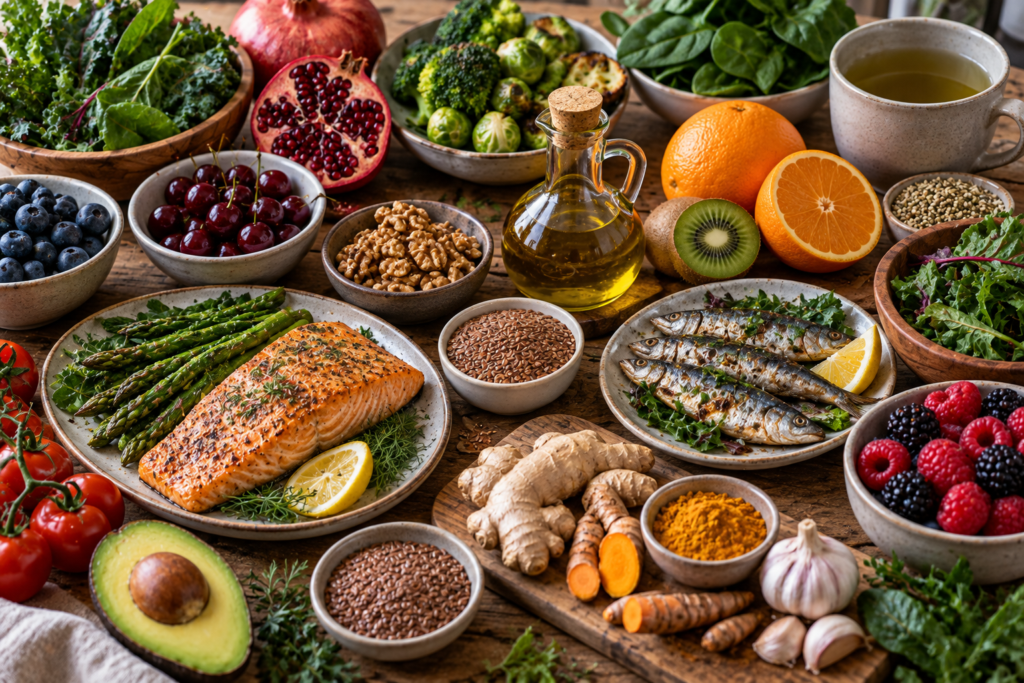
An anti-inflammatory diet differs from a typical American diet because it emphasizes foods like fatty fish such as salmon, mackerel, sardines, and tuna. It also includes dark leafy greens like spinach, kale, and chard, as well as berries such as blueberries and tart cherries. Cruciferous vegetables like broccoli and Brussels sprouts, extra virgin olive oil, nuts and seeds like walnuts and flaxseed, and spices such as turmeric, ginger, and garlic are also important. Fruits like citrus, kiwi, and pomegranate, along with green tea, are key parts of this diet.
This eating method resembles traditional whole-food, plant-based diets from before processed foods became common. Most people who make this switch start feeling better within a few weeks.
The Traditional Chinese Medicine Perspective

Traditional Chinese Medicine has addressed inflammation for thousands of years, using different terminology; what Chinese medicine calls Heat, Dampness, and Stagnation closely resembles the concept of inflammation in modern medicine.
Redness, swelling, and acute irritation associated with inflammation stem from heat patterns. Damp patterns lead to sensations of heaviness, sluggishness, and tissue congestion, indicating chronic low-grade inflammation. Stagnation patterns result in pain, stiffness, and poor circulation, common signs of inflammation. Because the inflammatory model has been longstanding, treatments developed within this tradition remain effective by addressing the core patterns rather than only the surface symptoms.
How Acupuncture Helps

Acupuncture assists the body in managing inflammation through various mechanisms. It helps shift your nervous system from a stress response, enhances your immune system’s healing capabilities, and, according to Chinese medicine, clears stagnation that causes local inflammation.
Regular treatment reduces overall inflammation and begins to alleviate associated symptoms.
Can Acupuncture Reduce Inflammation? covers these mechanisms in more depth.
Where to Start

If these symptoms sound familiar, it could be due to chronic inflammation. Start by reducing triggers, supporting your body’s recovery, and addressing the underlying causes that sustain it.
Contact Above and Beyond Acupuncture on North Frank Lloyd Wright Boulevard in Scottsdale to schedule a consultation and explore how targeting inflammation at its source might improve your well-being.
Schedule an appointment online or call us today to start your journey to relief.

About the Publisher
Paul Kerzner, L.Ac., is a licensed acupuncturist and board-certified herbalist, as well as the founder of Above and Beyond Acupuncture in Scottsdale. His own journey from chronic patient to practicing acupuncturist shapes his commitment to providing honest, clinically grounded information about acupuncture and Traditional Chinese Medicine. Learn more about Paul and his clinical approach on the About Us page.