
Key Takeaways
- Resentment tends to last longer than anger and may be more damaging to you; acupressure can assist in letting it go.
- Press specific acupressure points such as LR3, LI4, and LR14 to release blocked energy and reduce heaviness in the chest.
- Use calming and grounding points like HT7 and KI1 to reduce mental chatter and promote emotional release.
- Combine acupressure with self-reflection or professional assistance to address deeper grievances and provide emotional support.
- Regularly practicing acupressure points can slowly reduce feelings of resentment.

Resentment tends to linger longer than anger, which often fades quickly. It can bring bitterness, a heavy sensation in your chest, and emotional strain. Holding on to resentment often harms you more than others, and letting it go can be challenging. Acupressure can help release blocked energy, reduce tension, and soften emotional reactions.
In Traditional Chinese Medicine, resentment is regarded as a deep, stagnant form of energy. While fresh anger resembles a surge of Liver energy, resentment occurs when that anger isn’t released and instead consolidates over time. This creates trapped Liver Qi that festers, producing a low, simmering heat that manifests as heaviness and tightness in the chest, where the Heart clings to the grudge. That’s why resentment feels heavy and stuck rather than sharp and hot, making it difficult to simply think your way out of it. The following points aim to release this trapped Liver Qi, cool the simmering heat, open and relax the chest, and ground your system so you can begin to let go.
Resentment is related to emotions like anger and frustration. If what you feel is sharper and more immediate, you may be dealing with anger or frustration instead.
Below are nine acupressure points and tips to help you release resentment.
What Acupressure Points to Press and Why
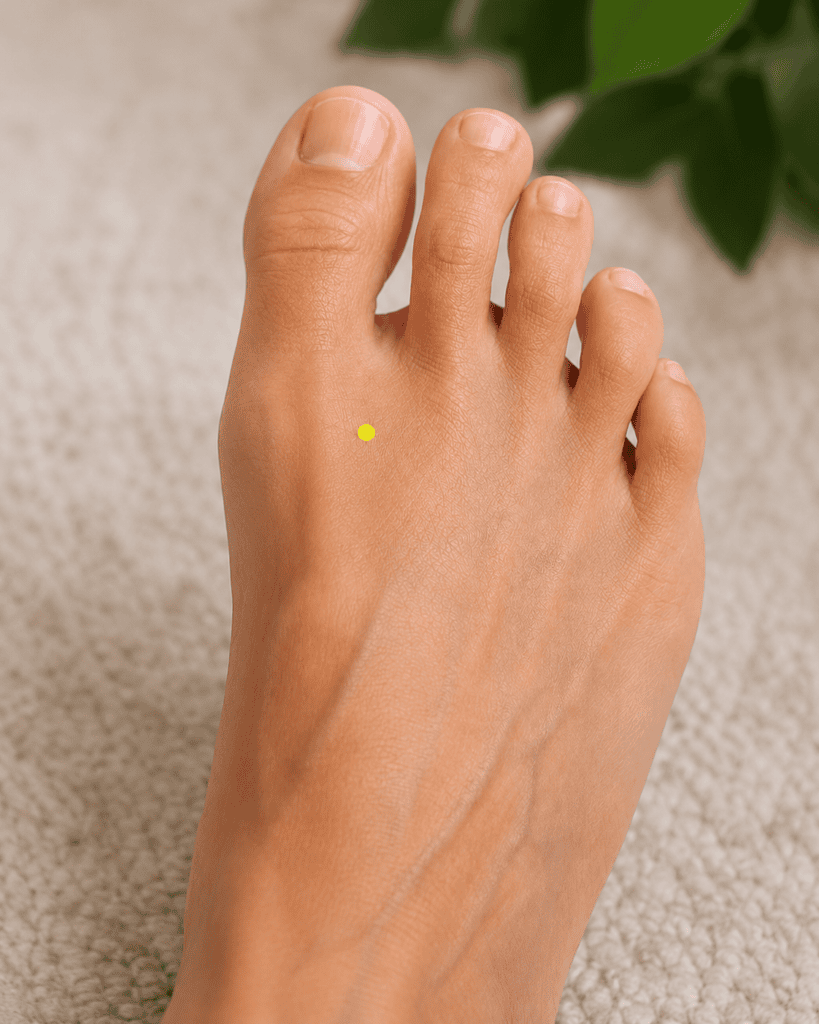
1. Press on LR3 on the top of the foot to free the deeply stuck Qi. LR3 sits on the top of the foot, in the webbing between the big toe and second toe, about two finger-widths back where the bones meet in a small hollow. Press firmly with the thumb for one to two minutes on each foot. LR3 is called “Taichong,” the primary point for moving stuck Liver Qi.
Since resentment represents stagnation in the Liver’s energy over time, LR3 is a crucial point to target. It helps release this deeply rooted energy and encourages movement, which is essential for letting go of a grudge. Additionally, LR3 grounds your system by directing energy downward to your feet, reducing the replaying of hurt. Starting here provides a solid foundation and anchors the entire process of releasing negativity.
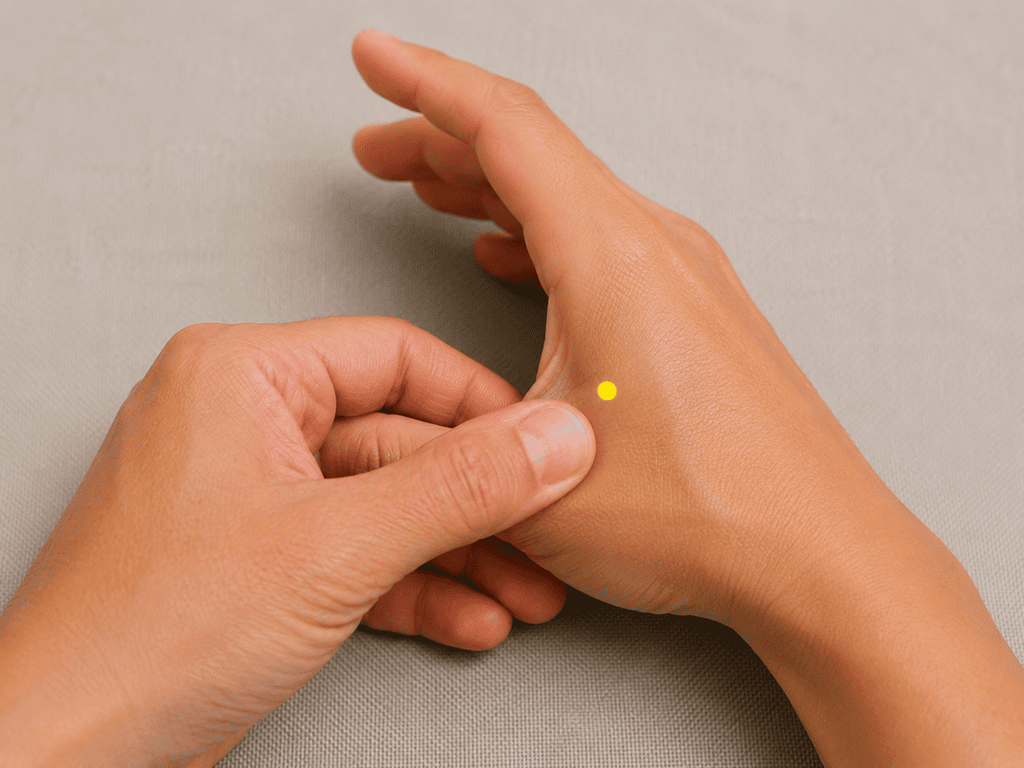
2. Press on LI4 in the hand to move the held energy out. LI4 sits in the webbing between the thumb and index finger, at the highest point of the muscle when you bring the thumb and finger together. Press firmly with the thumb of your other hand for one to two minutes on each hand. LI4 is called “Hegu,” and it is one of the great points for moving Qi through the body. LI4 should be avoided during pregnancy.
LI4 facilitates the circulation of stuck Qi in the body. When combined with LR3 on the foot, pressing these points creates the Four Gates, a well-known acupressure combination used to release deep stagnation and restore flow. This pairing is particularly effective for addressing resentment, an energy that remains trapped for extended periods. Using both points together can help let go of long-held grudges and promote emotional release.
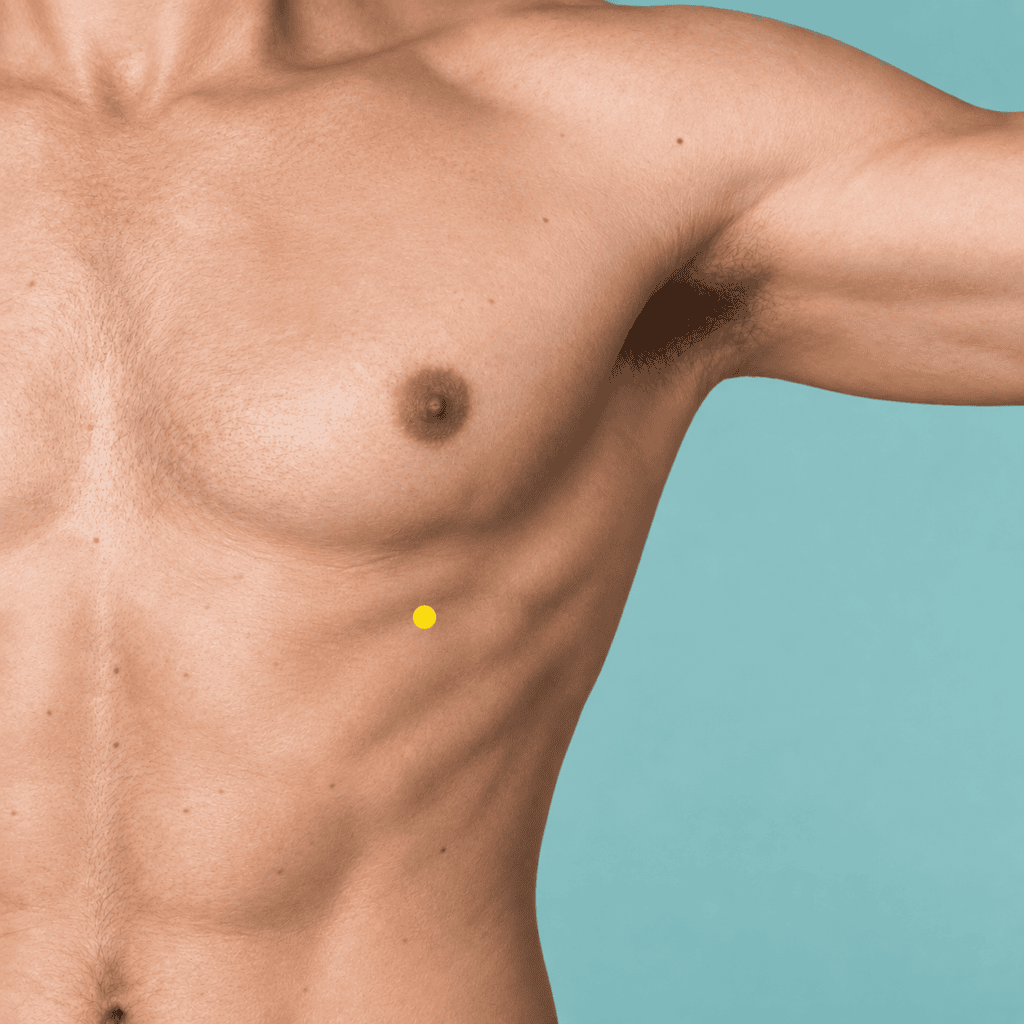
3. Press on LR14 below the chest to release what the Liver holds. LR14 sits on the chest, below the nipple, in the space between the ribs roughly two ribs down from the nipple line. Press gently with your fingertips for one to two minutes on both sides. LR14 is called “Qimen,” the “Gate of Hope,” and it is the point where the Liver’s energy gathers at the front of the body.
LR14 is a key point for freeing stuck Liver Qi in the chest and upper body, areas where resentment often manifests as tightness and heaviness. As the front-collecting point for the Liver, it alleviates the tense, heavy sensation associated with holding grudges. Its name, the Gate of Hope, highlights its role in releasing bitterness and encouraging progress. Apply gentle pressure and breathe slowly as you press.
4. Press on CV17 at the center of the chest to soften the Heart. CV17 sits on the midline of the breastbone, level with the space between the nipples, in the center of the chest. Press gently and steadily with your fingertip for one to two minutes, breathing slowly. CV17 is called “Shanzhong,” the gathering point of Qi in the chest and the body’s emotional center.
CV17 helps to open the chest and release emotional Qi stored in the body’s center. It alleviates the hardness and heaviness caused by resentment around the Heart. This point is particularly useful if you experience resentment as tightness or pressure in your chest. Gently press it while taking slow, deep breaths to reduce tension and soften your Heart.

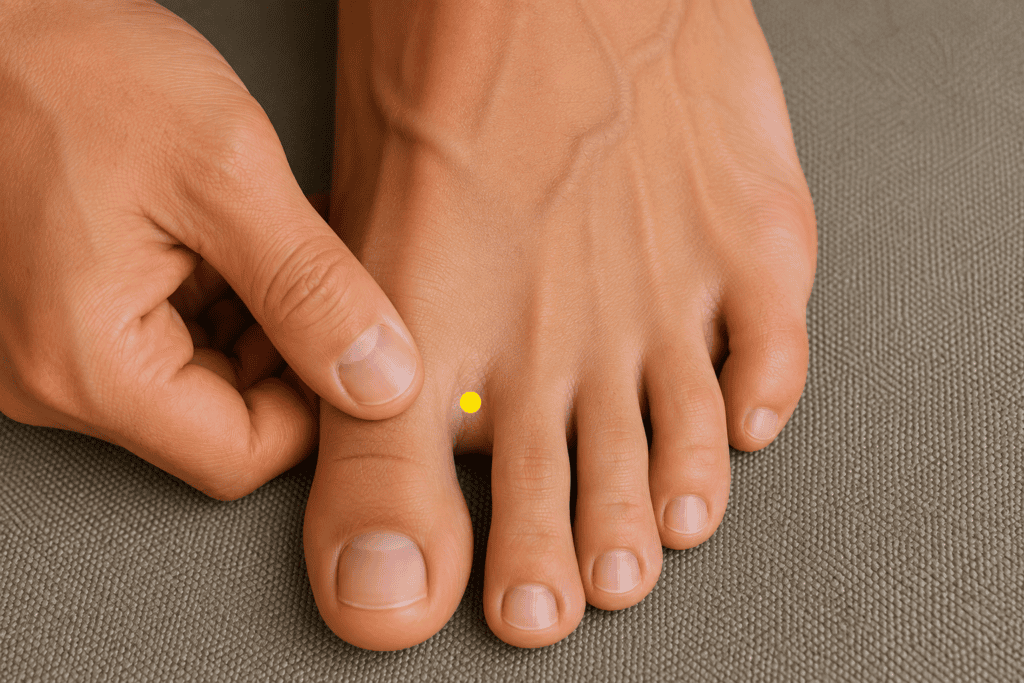
5. Press on LR2 between the toes to cool the simmering heat. LR2 sits on the top of the foot, right at the margin of the webbing between the big toe and the second toe, where the web skin meets the toes. Press firmly with your thumbnail or fingertip for one to two minutes on each foot. LR2 is called “Xingjian,” the fire point of the Liver channel, used to clear Liver heat.
Long-standing resentment can manifest as a simmering heat that flares up when recalling the pain. LR2, known as the fire point of the Liver, helps reduce this heat. It dissipates excess heat from a stagnated Liver, alleviating feelings of heat, bitterness, and irritability associated with resentment. If your grudge feels intense rather than cold, this point can extract the heat and is effective when combined with LR3 to both cool and stimulate the Liver’s energy.
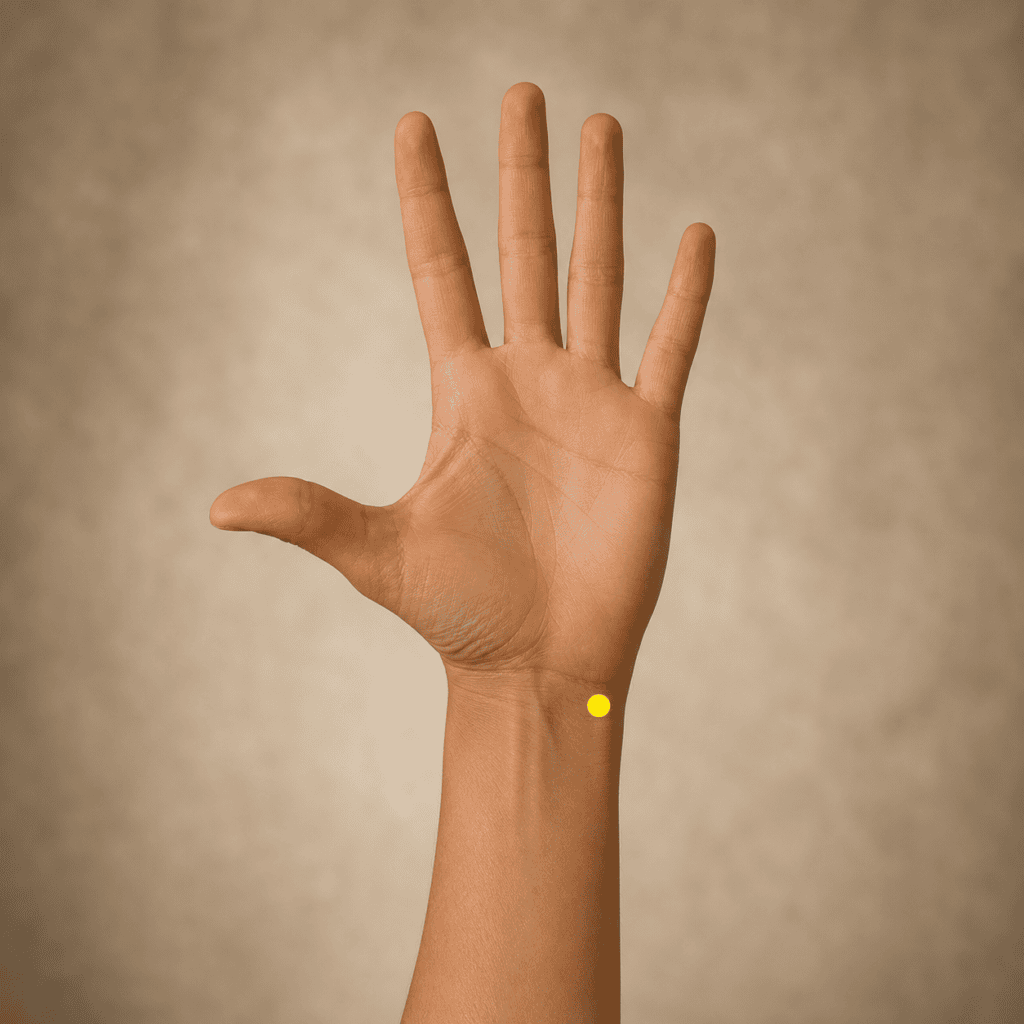
6. Press on HT7 at the wrist to calm and settle the Heart. HT7 sits on the inner wrist crease, on the pinky side, in the small hollow just inside the tendon. Press firmly with your thumb for one to two minutes on each wrist. HT7 is called “Shenmen,” the “Spirit Gate,” and it is the source point of the Heart and the most important point for calming the Shen.
HT7 calms the Heart and relaxes the mind by reducing restless thoughts that keep replaying a grievance and foster resentment. As the Spirit Gate, it eases emotional agitation and helps your heart relax instead of dwelling on the hurt. If your resentment manifests as a mind that endlessly replays pain, this point can bring peace and potentially improve sleep.
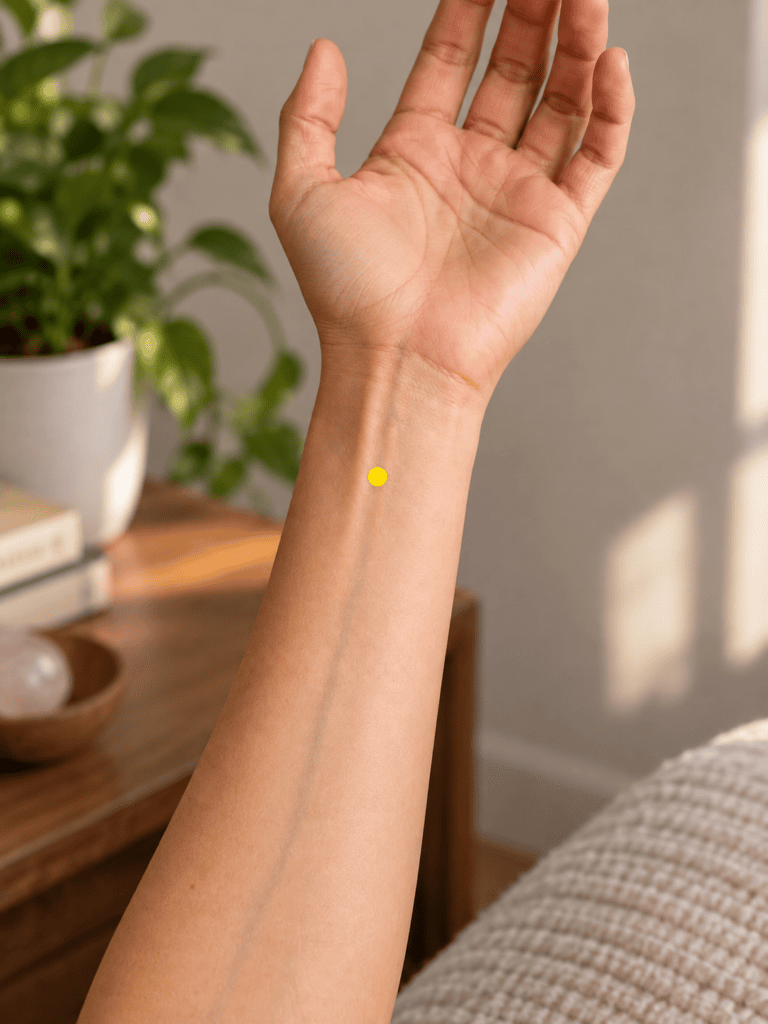
7. Press on PC6 on the inner forearm to open the chest and settle the mind. PC6 sits three finger-widths above the inner wrist crease, in the center of the forearm between the two tendons. Press firmly with your thumb for one to two minutes on each arm. PC6 is called “Neiguan,” the “Inner Pass,” and it opens the chest and calms the spirit.
PC6 helps open the chest and relieve the tight, heavy sensation of resentment while calming the mind. It is an important point for alleviating emotional tension from grudges and decreasing chest pressure. If you experience resentment as tightness or discomfort in your chest, this point may help. It also pairs effectively with CV17 and LR14 to open and liberate the entire chest.
8. Press on Yintang between the eyebrows to quiet the churning mind. Yintang sits in the small hollow directly between the two eyebrows. Press steadily and hold, or make small, slow circles with your fingertip for one to two minutes. Yintang is an extra point and one of the most calming points in the body.
Yintang calms the Shen and soothes the relentless mental chatter that sustains resentment: constantly replaying the grievance, imagining responses, and looping the thoughts. It relaxes the nervous system and reduces the agitation that keeps a grudge alive. For those whose resentment persists because their mind refuses to let go of the story, this point can diminish the fixation and create space from the cycle. Pressing Yintang gently while taking a few deep breaths helps deepen the sense of calm.

9. Press on KI1 on the sole of the foot to ground and let go. KI1 sits on the sole of the foot, in the hollow that forms in the center of the ball of the foot when you curl the toes, about a third of the way down from the toes to the heel. Press firmly with your thumb for one to two minutes on each foot. KI1 is called “Yongquan,” the “Bubbling Spring,” and it is the lowest point on the body.
KI1 serves as the foundation of the entire system, channeling the restless, head-centered energy of a grievance downward and outward. This process is essential for letting go, as it helps you settle down. Located at the body’s lowest point, it offers a deep sense of grounding. Helping individuals shift from mental replay to a more present, stable state where resentment can begin to soften. For someone immersed in their hurt story, this point helps them reconnect with the ground, providing a meaningful conclusion to a routine focused on releasing and moving forward.

Why These Acupressure Points Work
In Traditional Chinese Medicine, resentment is the Liver’s energy bound up and stagnant over the long term, hardened and festering rather than flaring and passing, often smoldering into a low heat and lodging as heaviness in the chest where the Heart holds the grudge. The nine points work across that whole pattern.
- The Qi-moving points (LR3, LI4) free the deeply stuck Liver Qi at the root of resentment, working together as the Four Gates to shift what has long been held.
- The chest-releasing points (LR14, CV17, PC6) open and soften the chest where the bitterness lodges as constriction and heaviness.
- The heat-cooling point (LR2) drains the simmering heat of a festering grudge.
- The calming points (HT7, Yintang) quiet the churning mind that keeps replaying the grievance and keeps resentment alive.
- The grounding point (KI1) draws the energy down and steadies the system so the holding can release.
How to Properly Use These Acupressure Points
Use these points consistently, as resentment tends to be a long-standing pattern that diminishes gradually over time rather than all at once.
- Begin with the Four Gates, LR3 and LI4, to free the deeply stuck Qi, and add LR2 if your resentment carries a hot, bitter, simmering edge.
- Work LR14, CV17, and PC6 to open and soften the chest where you hold the grudge, pressing gently and breathing slowly.
- Use HT7 and Yintang to quiet the churning mind when it starts replaying the grievance, and finish with KI1 to ground.
- Hold each point for one to two minutes with steady pressure, breathing slowly, and return to the routine regularly, since letting go of something long held takes time and repetition.
Acupressure can help loosen the physical and emotional hold of resentment, but releasing a grudge also requires inner work, and these efforts support each other. It can help to acknowledge the hurt honestly rather than suppress it, recognizing that holding onto resentment harms you more than the person it’s directed at. Working toward letting go for your own peace, rather than out of obligation, can help. Some find journaling, honest conversations, or simply naming what they are ready to release aids the emotional process. When resentment stems from a deep or ongoing hurt, discussing it with a counselor can be more effective than carrying the burden alone.
When to Get Professional Help
Resentment is a common human emotion, and these tools can help ease minor feelings and encourage you to let go. However, it can sometimes run deeper. If resentment dominates your life, damages your relationships, outlook, or peace of mind, or is linked to a serious betrayal, past wound, or trauma you can’t move beyond, consider consulting a counselor or therapist. They can help you explore what underlies these feelings. When resentment turns into lasting bitterness or is accompanied by ongoing low mood or anxiety, it’s important to address it, as these conditions often respond well to care.
Acupressure can help ease feelings of resentment, but remember it doesn’t replace the support needed to work through deeper or long-standing grievances.
Above and Beyond Acupuncture offers acupuncture, cupping, and lifestyle coaching at the North Frank Lloyd Wright Boulevard location in Scottsdale.
Schedule an appointment online or call us today to start your healing journey.
The points above are only as effective as the technique used to apply them. Where to press, how firmly, and for how long all affect the result. For a full breakdown of how to perform acupressure properly at home, read Performing Acupressure in 3 Easy Steps.

About the Publisher
Paul Kerzner, L.Ac., is a licensed acupuncturist and board-certified herbalist, as well as the founder of Above and Beyond Acupuncture in Scottsdale. His own journey from chronic patient to practicing acupuncturist shapes his commitment to providing honest, clinically grounded information about acupuncture and Traditional Chinese Medicine. Learn more about Paul and his clinical approach on the About Us page.