Key Takeaways
- Acupressure can boost immunity by applying pressure to specific points, offering a natural defense without medical intervention.
- Key points include ST36 for overall resilience, LI4 and LI11 for combating colds, and KI3 and CV6 for rebuilding energy.
- Regular practice of acupressure is essential for effective immune support, especially during cold season.
- While acupressure aids immunity, it cannot replace medical care or treat infections directly, so consult a doctor for serious symptoms.
- Maintain a proper balance of sleep, nutrition, and stress management, in addition to acupressure, to enhance health.
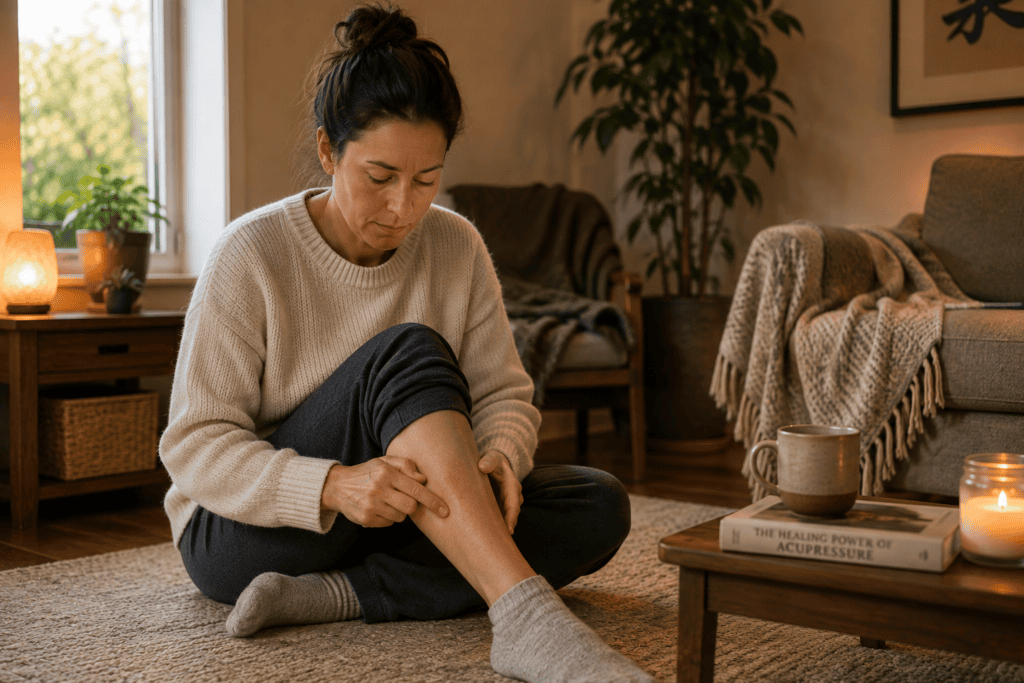
When you notice a bug going around and feel you might be getting sick, acupressure can effectively support your immune system naturally and holistically.
Acupressure activates the same points as a licensed acupuncturist to support immunity, using gentle yet firm finger pressure. It costs nothing except a few minutes daily. When practiced consistently, particularly before the colder months, it can boost your body’s defenses and increase resilience, helping you avoid catching every cold that circulates.
Please note: Acupressure supports your body’s immune system, but it isn’t a substitute for necessary sleep, proper nutrition, or medical care, all of which support your health. Think of it as a regular practice that can increase your chances of staying healthy. For a Traditional Chinese Medicine perspective, see ‘Top Acupuncture Points to Boost the Immune System,’ which explains how and why these points are utilized in treatment.
What Acupressure Points to Press and Why
Here are eight acupressure points that support your immune system, where to find them, and how to activate them:
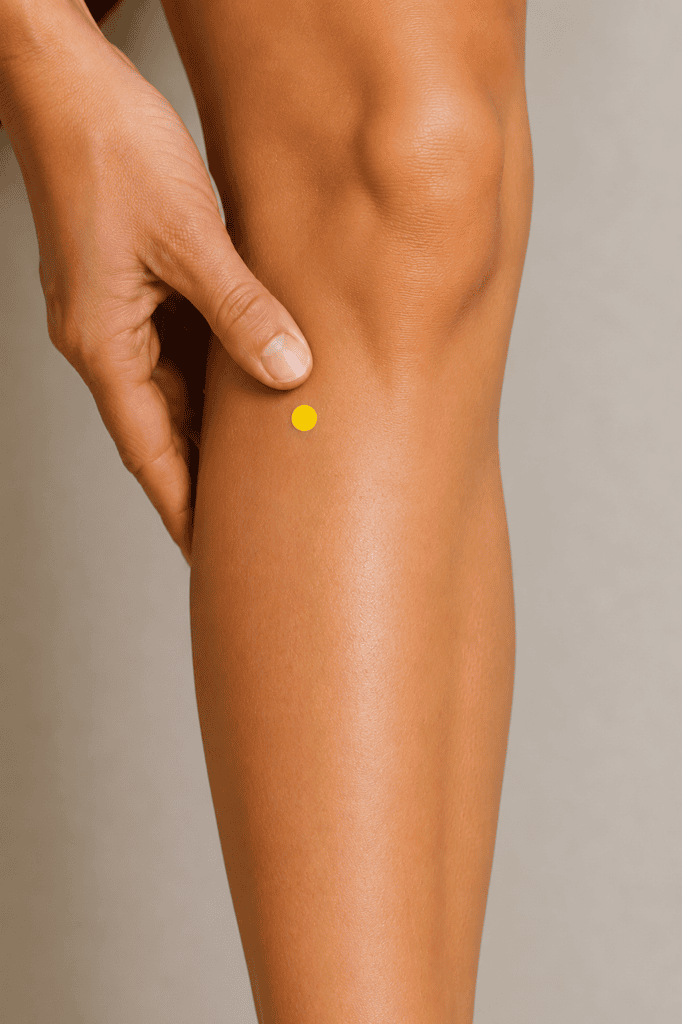
1. ST36 (Zusanli)
Locate ST36 by measuring four finger-widths downward from the lower edge of the kneecap, then move one finger-width outward along the shin. You will find the muscle that bulges under your fingertip when you flex your foot upward. Press this point firmly with your thumb until you feel a deep ache, then hold pressure for two to three minutes on each leg to stimulate a key immune system point. ST36 is the most well-researched immune point, proven to enhance immune function. In Chinese medicine, it is considered the great tonifying point, boosting Qi, blood, and the vital energy that supports your defenses. Regular stimulation, not just during colds, strengthens your baseline immunity and accelerates recovery. For those who easily fall ill or are exposed to a lot of germs, ST36 forms the core of a preventative routine.
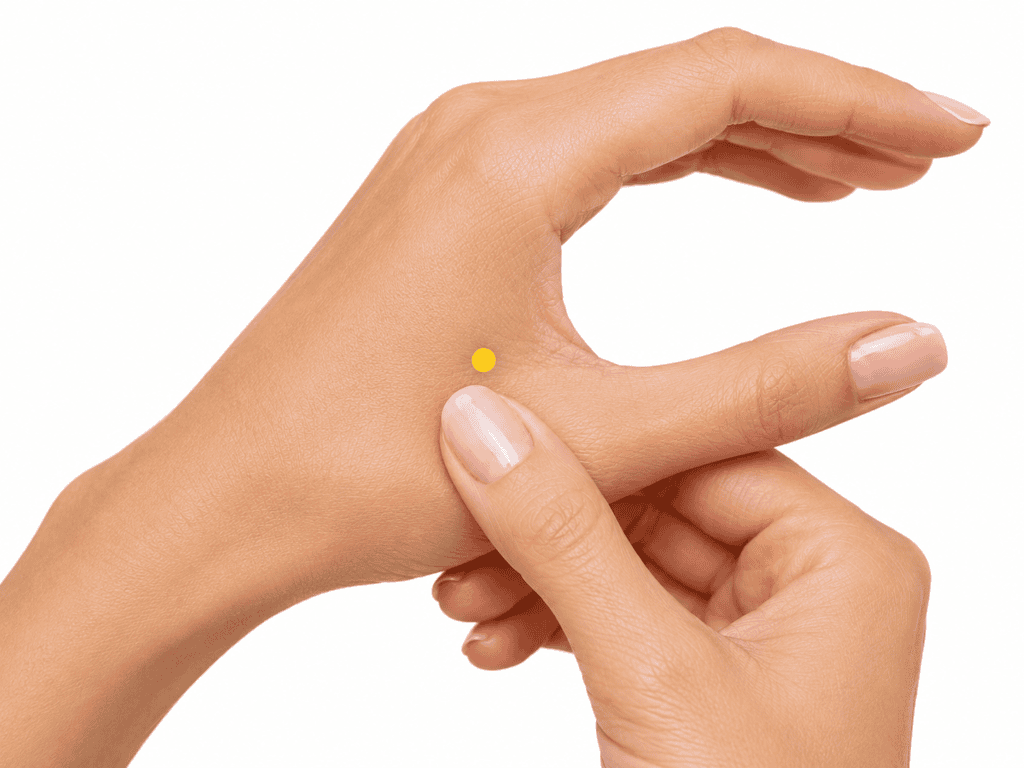
2. LI4 (Hegu)
Locate the muscle mound that protrudes when you bring your thumb and index finger together, then relax and press into its highest point, angling toward the index finger’s bone. Squeeze firmly with the opposite thumb and finger for one to two minutes on each side. LI4 is the main point for the body’s surface and is the first to target at the onset of a cold or throat scratch. In Chinese medicine, it helps release the exterior, assisting the body in expelling a pathogen before it penetrates deeper. It also alleviates head, sinus, and facial congestion, which is why it relieves cold heaviness as well as supporting the immune response. Use it early and frequently when symptoms begin. Avoid LI4 if pregnant, as it directs Qi downward.
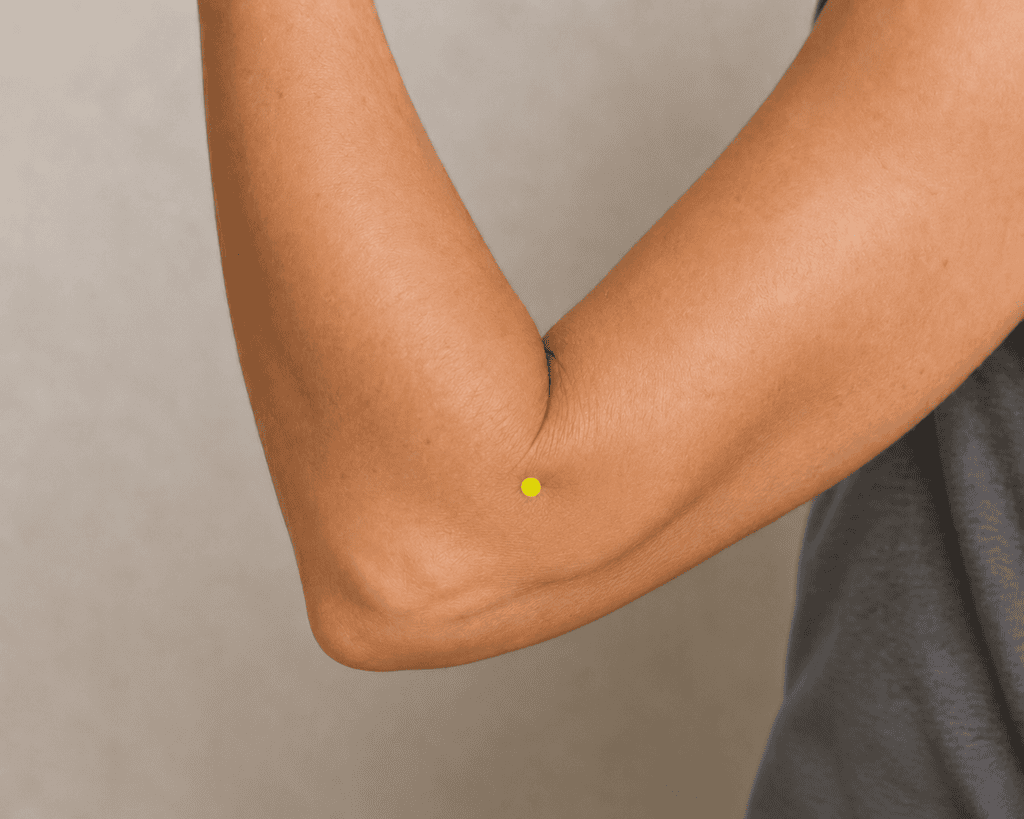
3. LI11 (Quchi)
Fully bend your elbow and locate the outer end of the crease that forms. LI11 is positioned right at that point, where the crease ends. Press into it with the thumb of your opposite hand for one to two minutes on each side. LI11 helps reduce heat associated with active illnesses, such as fever, sore throat, and inflammation, which occur during a cold or flu. It alleviates heat and supports the anti-inflammatory response. Since LI11 shares the same channel as LI4, they work together. When fighting an illness, pressing LI4 and LI11 simultaneously on the same arm enhances their effects more than pressing either one alone.
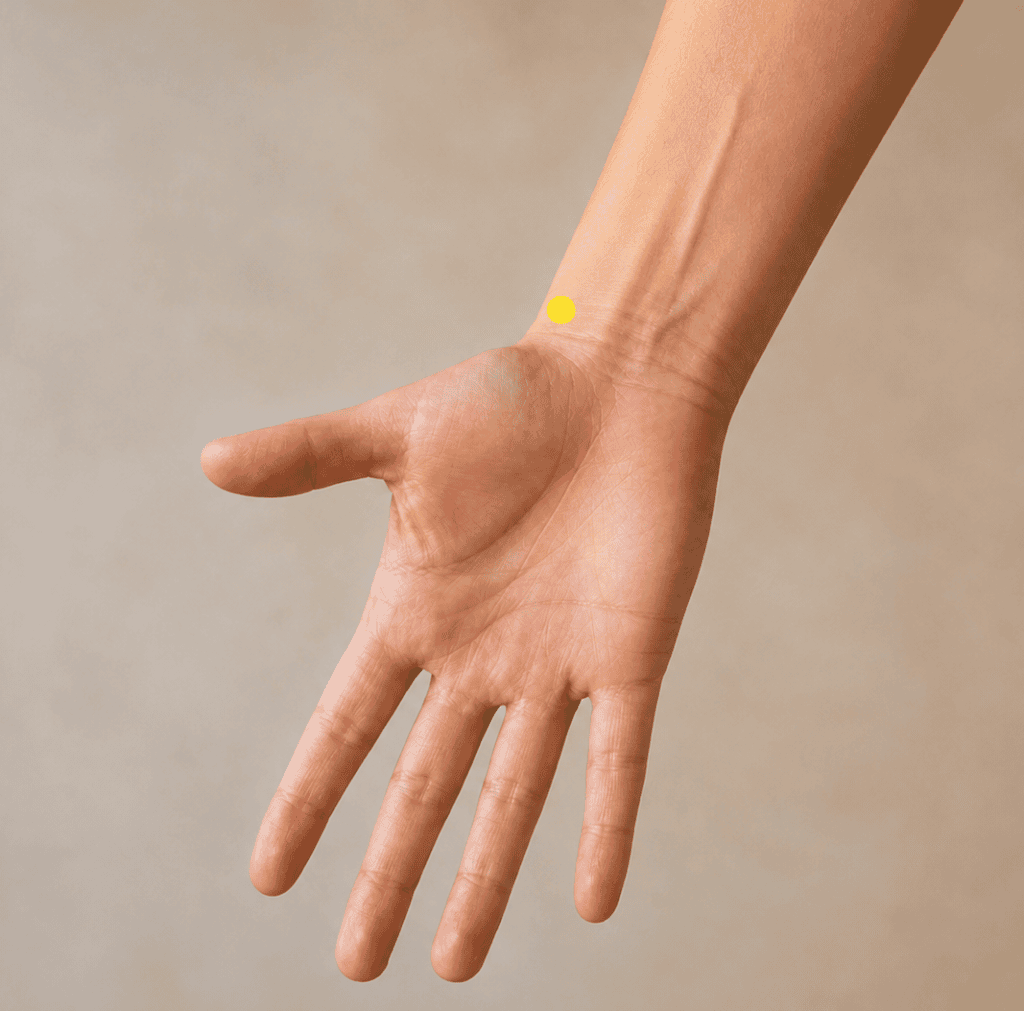
4. LU7 (Lieque)
This point is a bit tricky to find. On the thumb side of the forearm, slide your finger from the base of the thumb along the edge of the bone until you reach a small notch just above the wrist crease, about one and a half finger-widths above. A reliable method: cross the webs of your hands with the index finger of one hand resting along the wrist of the other, and LU7 will be beneath the tip of that index finger. Press into this tender spot for one to two minutes on each side. LU7 is the command point of the Lungs, which control the defensive Qi at the surface. This makes it a classic point for preventing colds and flu. It enhances the Lung’s ability to protect the exterior, especially for those who are highly sensitive to drafts or seem to catch every illness. Regularly press this point when circulating illnesses are around, ideally before any symptoms appear.
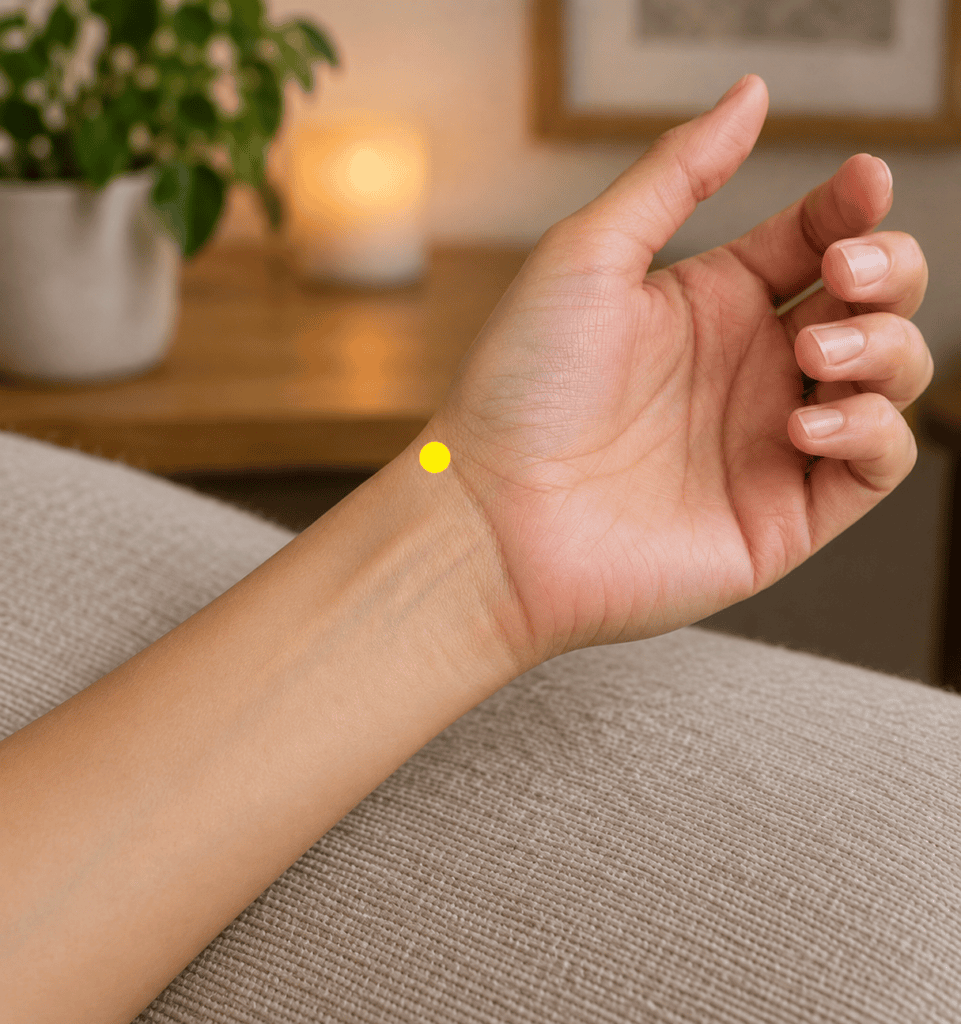
5. LU9 (Taiyuan)
Locate the pulse at the wrist on the thumb side, feeling for LU9 in the hollow next to the artery. Because LU9 is positioned over the pulse, press gently and accurately with a fingertip, avoiding digging, for about one to two minutes on each side. LU9 is the source point of the Lung channel, essential for tonifying Lung Qi at its source. While LU7 protects the surface, LU9 strengthens the underlying Lung power, fostering robust defensive Qi. This point is ideal for individuals with weak defenses, chronic fatigue, slow recovery after illness, or easily exhausted. Regular use helps reinforce the root of vitality rather than just shielding the surface.
6. GV14 (Dazhui)
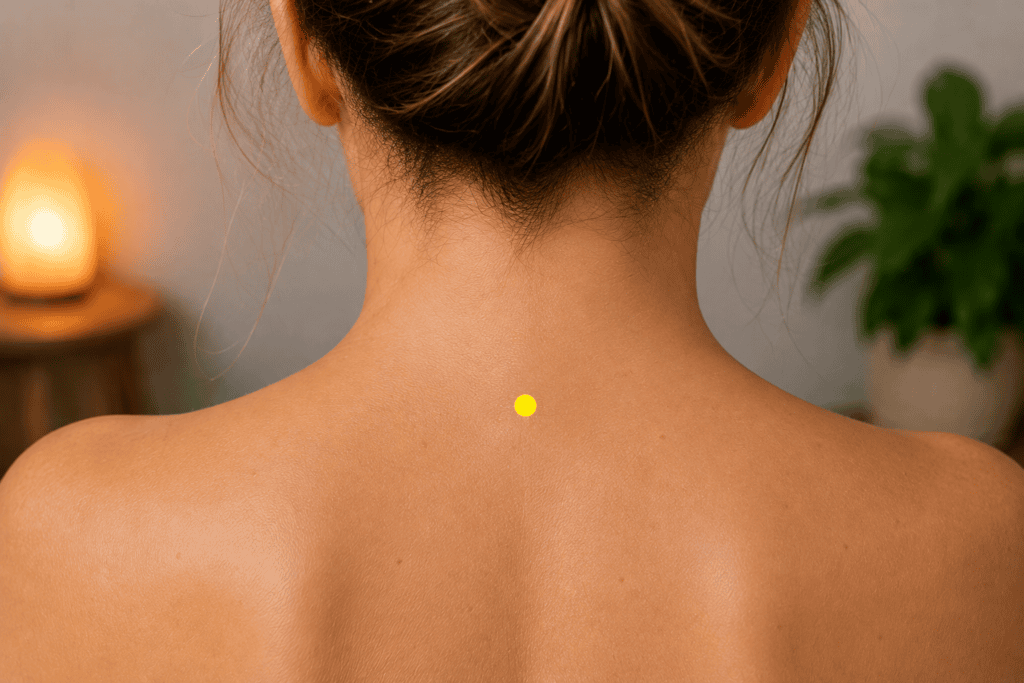
Tilt your head forward and run your finger down the back of your neck until you find the prominent vertebra at the base. GV14 is located in the hollow just below this vertebra. Use your fingers to press into this spot or lean it against a solid surface like a doorframe for one to two minutes. GV14 is a key point where all yang channels gather, making it highly effective for boosting the body’s overall defense. It is especially useful at the early signs of a cold, such as the initial chills and stiffness in the neck and shoulders. Strengthening the yang at this point enhances the entire body’s defenses. Practically, since cold enters the body through this area, pressing here and keeping it warm in cold weather serve to protect this crucial gateway.
7. KI3 (Taixi)
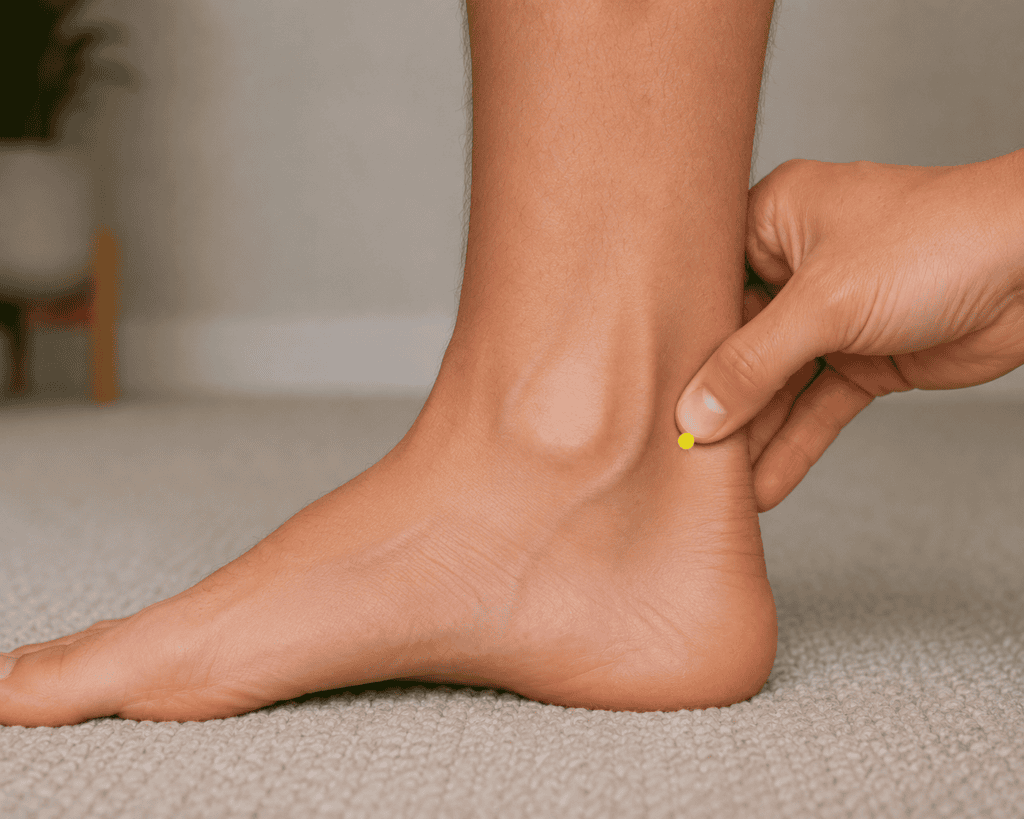
Locate the hollow on the inner ankle, midway between the tip of the ankle bone and the Achilles tendon at the back. Press firmly with your thumb for two to three minutes on each side. KI3 is the source point of the Kidney channel; in Chinese medicine, the Kidneys store the deepest constitutional reserve, the immune system’s reservoir. This point helps address weakened defenses caused by chronic stress, overwork, aging, long illnesses, or short nights, factors that deplete the body’s deep reserves and lead to frequent illnesses. While Lung points protect the surface, KI3 rebuilds the body’s foundation. Use it daily during periods of exhaustion.
8. CV6 (Qihai)
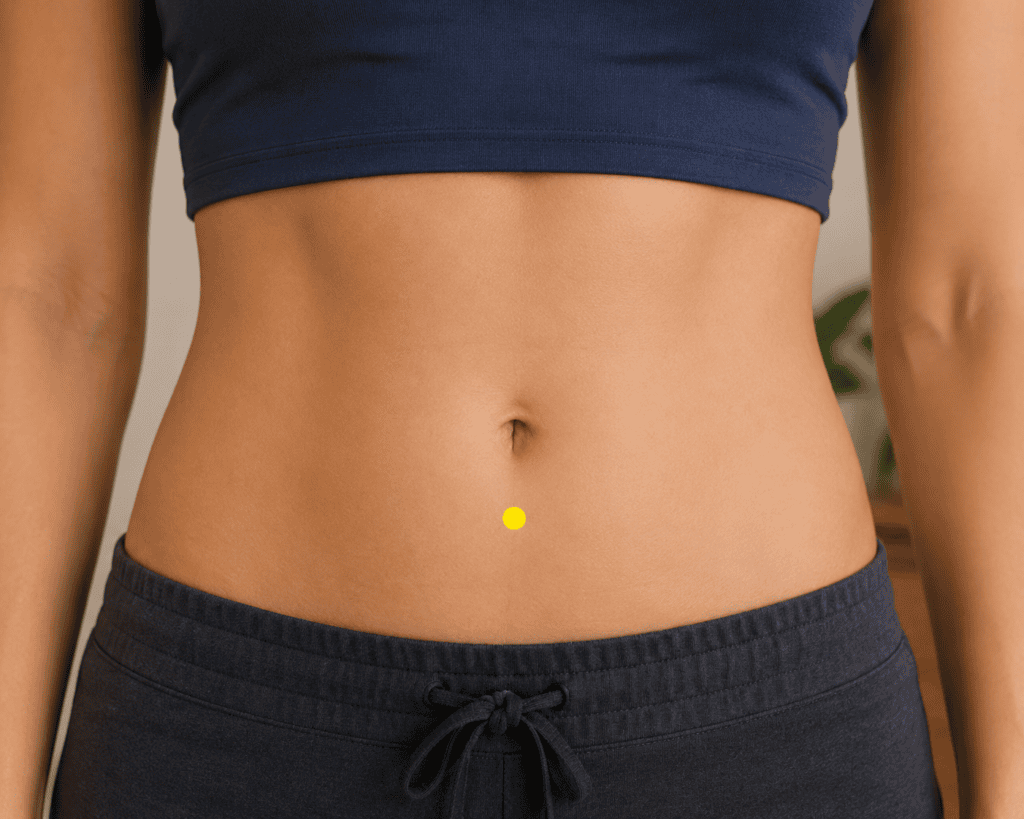
Locate about two finger-widths below the navel along the midline of the lower abdomen. Place your fingertips flat there and gently press inward for one to two minutes. Known as the “Sea of Qi,” this point serves as the body’s energy reservoir. Stimulating CV6 enhances overall vitality and draws Qi from the body’s defensive energy, which is why it pairs well with KI3. Together, they nourish the deep energy reserves, while the Lung points address the surface level. For those whose immunity has been weakened due to depletion and fatigue rather than sudden illness, this combination supports rebuilding and recovery.
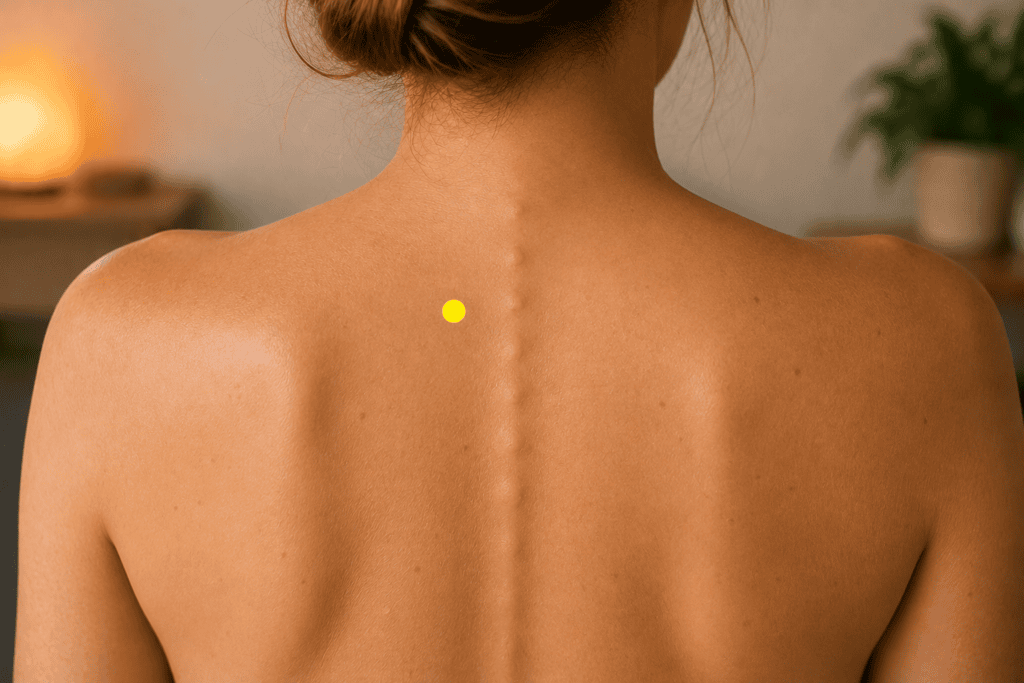
One point that is difficult to reach on your own is BL13 (Feishu), located on the upper back next to the spine between the shoulder blades. It is a key point for immune treatment because it directly accesses the Lung’s Qi from the back. Applying pressure here typically requires a practitioner or partner. If someone can firmly press on both sides of your upper back at this level, it enhances the effects of the Lung points above. It’s a worthwhile request when you have someone willing to help.
Why These Acupressure Points Work
In Chinese medicine, Wei Qi acts as the body’s first defense, circulating near the surface to protect against external threats. A robust Wei Qi can fend off common colds circulating in the office, while a weaker one is more susceptible. The lungs oversee this defensive Qi, which explains why many related points are located along the Lung and Large Intestine channels on the arm. The Spleen and the deep reserves of the Kidneys provide support and sustain Wei Qi. Stimulating these points not only fortifies surface defenses but also enhances internal reserves. Since chronic stress elevates cortisol levels and suppresses immunity, maintaining a steady, calming practice can be as beneficial for immunity as acupressure on these points.
How to Build a Daily Acupressure Practice
The acupressure points offer more benefit from regular use rather than just intensity. Here are a few simple ways you can incorporate them into your routine:
- Daily prevention through cold season. Work through ST36, the Lung points, KI3, and CV6 once a day as a maintenance routine. This is the real value, steady support before you get sick, not a scramble afterward.
- At the first sign of a cold. Reach for LI4, LI11, and LU7 together, pressed firmly and often, when you feel that first scratch or chill. Early and repeated pressure is the idea.
- When you’re run down. If stress and poor sleep have worn you thin, lean on KI3, CV6, and LU9, the points that rebuild the reserves, alongside actually addressing the sleep and stress.
- Keep the neck warm. GV14 sits where cold gets in. Pressing it and keeping the area covered in cold weather both support the same thing.
- Be consistent. Immune support builds over weeks of steady practice, not in a single session.
Pairing acupressure with the basics helps you stay healthy: getting enough sleep, since that’s when your immune system repairs itself; eating healthy foods; staying hydrated; and managing stress, which can quietly weaken your immune system.
When to See a Doctor
Acupressure can boost your immune system, but it does not cure infections or replace medical treatment.
Consult a doctor if you have a high or persistent fever, an infection that worsens or doesn’t heal, difficulty breathing, or any serious or unusual symptoms. If you have an autoimmune condition or immune disorder, continue medical care and use acupressure only as a complementary support.
Above and Beyond Acupuncture offers acupuncture, cupping, and lifestyle coaching at the North Frank Lloyd Wright Boulevard location in Scottsdale.
Schedule an appointment online or call us today to start your healing journey.
The points above are only as effective as the technique used to apply them. Where to press, how firmly, and for how long all affect the result. For a full breakdown of how to perform acupressure properly at home, read Performing Acupressure in 3 Easy Steps.
About the Publisher
Paul Kerzner, L.Ac., is a licensed acupuncturist and board-certified herbalist, as well as the founder of Above and Beyond Acupuncture in Scottsdale. His own journey from chronic patient to practicing acupuncturist shapes his commitment to providing honest, clinically grounded information about acupuncture and Traditional Chinese Medicine. Learn more about Paul and his clinical approach on the About Us page.