
Key Takeaways
- Acupuncture enhances the immune system by stimulating specific points, improving overall resilience and defense against illnesses.
- Key points include ST36 for baseline defenses, LI4 for clearing pathogens, and LU7 for lung support.
- These acupuncture points work best when combined with good sleep, nutrition, and stress management practices.
- Acupuncture supports, but doesn’t replace, medical care for serious infections or immune disorders.
- Consult a doctor for severe or persistent symptoms while using acupuncture as a complementary treatment.
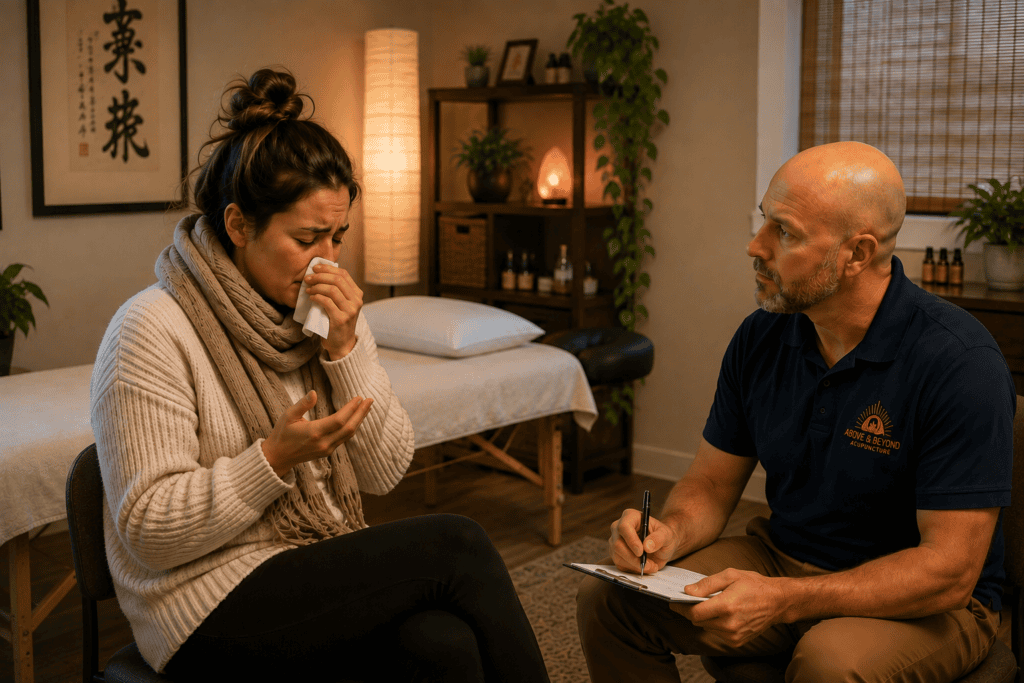
Acupuncture has a long history of boosting the body’s immune system, and research continues to support what practitioners have known for thousands of years: stimulating specific acupuncture points helps improve the condition of the immune system .
While it doesn’t make anyone completely immune to illness, acupuncture can strengthen the body’s natural defenses, promote a balanced immune response that sometimes overreact or underperform, and increase overall immune resilience. This makes it easier for the body to fight off illness and fatigue, especially during colder months and busy, stressful times.
This article focuses on some specific acupuncture points known to boost the immune system and explains how they work. For a more detailed look at how acupuncture can support immune health, please read: “Can Acupuncture Boost My Immune System?“
How Does Acupuncture Support the Immune System?
In Chinese medicine, Wei Qi (protective Qi) functions as the body’s main defense, circulating at the surface to guard against external pathogenic factors. Strong Wei Qi helps the body resist illness, while weak Wei Qi makes us more susceptible to getting sick. The Lungs manage the defensive Qi and oversee the body’s surface layer. The Spleen generates Qi (energy) and the blood that sustains it. The Kidneys provide the deep constitutional support for the entire defensive system.
Acupuncture points are selected based on which of these aspects is most deficient, making immune support treatments personalized rather than one-size-fits-all.
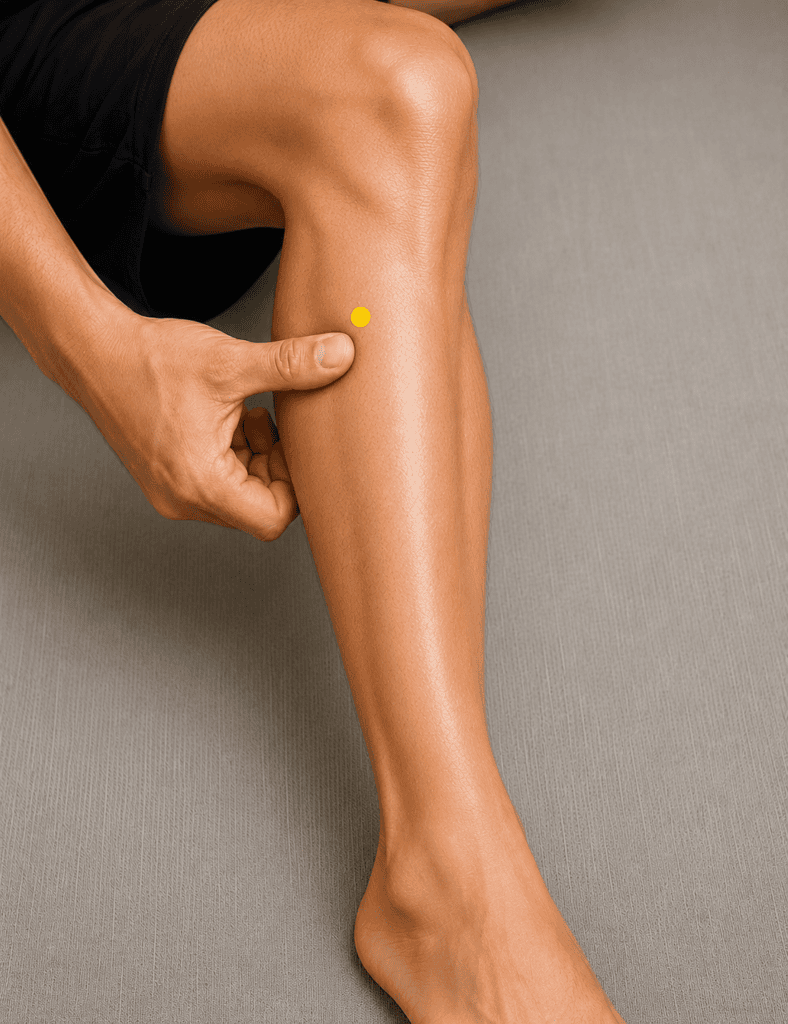
1. ST36 (Zusanli)
Four finger-widths below the kneecap and one finger-width outside the shinbone, ST36 is the single most important immune-supporting point in the body. It has documented effects on immune function, and it builds Qi, energy, and overall resilience at the deepest level. Regular stimulation here strengthens the body’s baseline defenses and its capacity to recover, which is why ST36 anchors most immune-focused treatments.
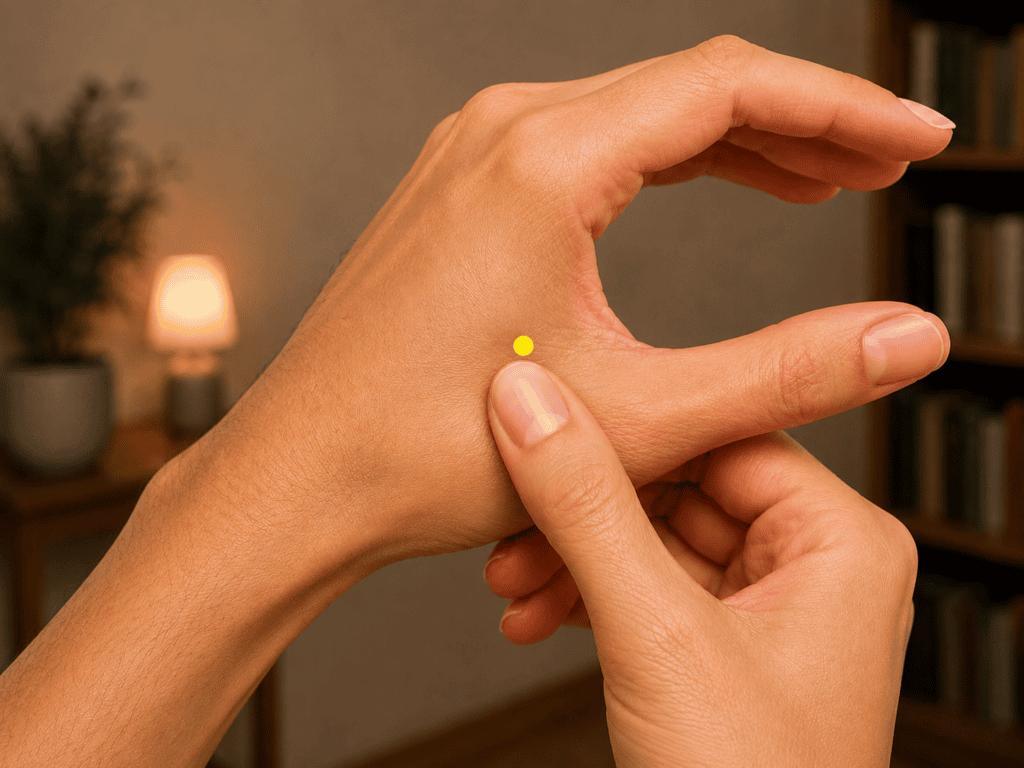
2. LI4 (Hegu)
In the webbing between the thumb and index finger, LI4 is a primary point for clearing external pathogens and is classically used both to ward off and to fight off colds. It releases the exterior, the TCM way of describing how the body pushes out an invading pathogen at the surface, and it eases the head and facial symptoms that come with colds. LI4 is avoided during pregnancy.
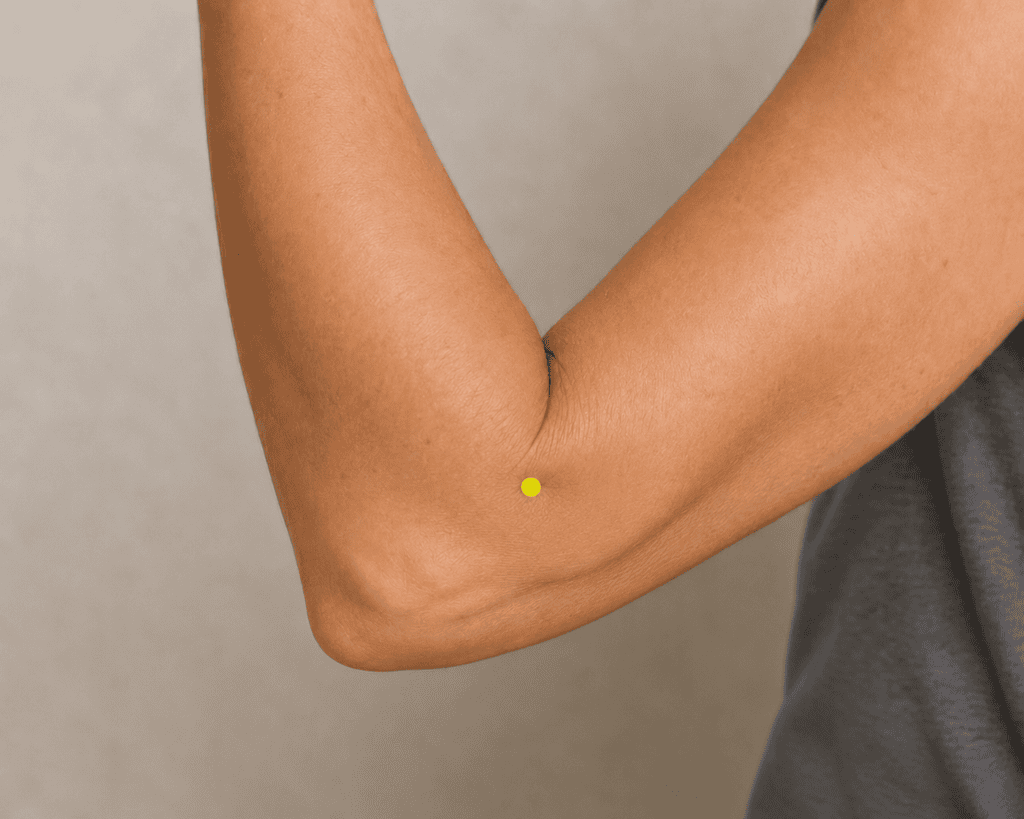
3. LI11 (Quchi)
At the outer end of the elbow crease when the arm is bent, LI11 clears heat and supports the immune and anti-inflammatory response. It is especially useful when there is a heat pattern, the fever, sore throat, or inflammation that accompanies an active infection, and it pairs naturally with LI4 along the same channel to strengthen the body’s response.
4. LU7 (Lieque)
Just above the wrist crease on the thumb side of the forearm, LU7 is the command point of the Lungs and one of the classic points for defending the exterior. It strengthens the Lung’s control over the Wei Qi and the surface of the body, which makes it a cornerstone for cold and flu prevention, particularly for people who feel every draft and catch whatever is going around.
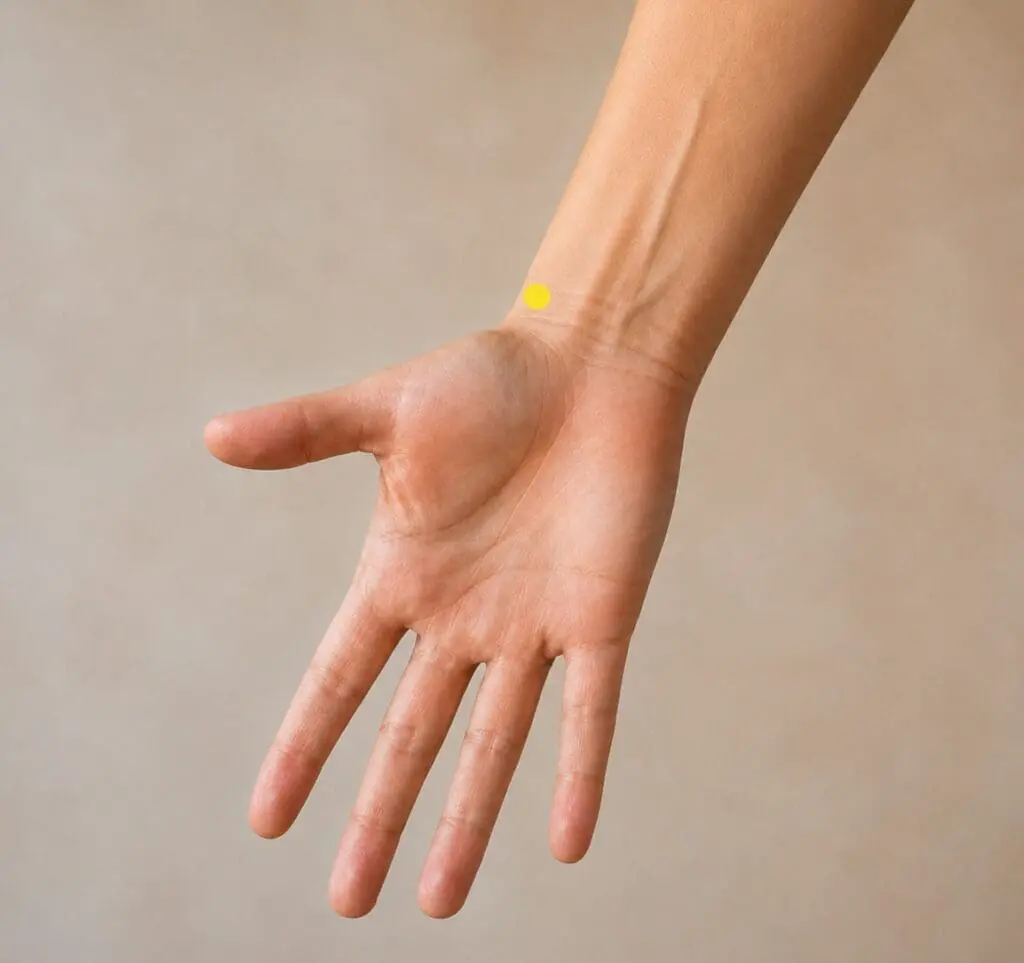
5. LU9 (Taiyuan)
At the wrist crease on the thumb side, where you can feel the pulse, LU9 is the source point of the Lung channel and tonifies Lung Qi directly. Where LU7 defends the surface, LU9 builds the underlying Lung strength that produces strong Wei Qi in the first place. It is the point for someone whose defenses are weak at the root, who runs down easily and takes a long time to recover.
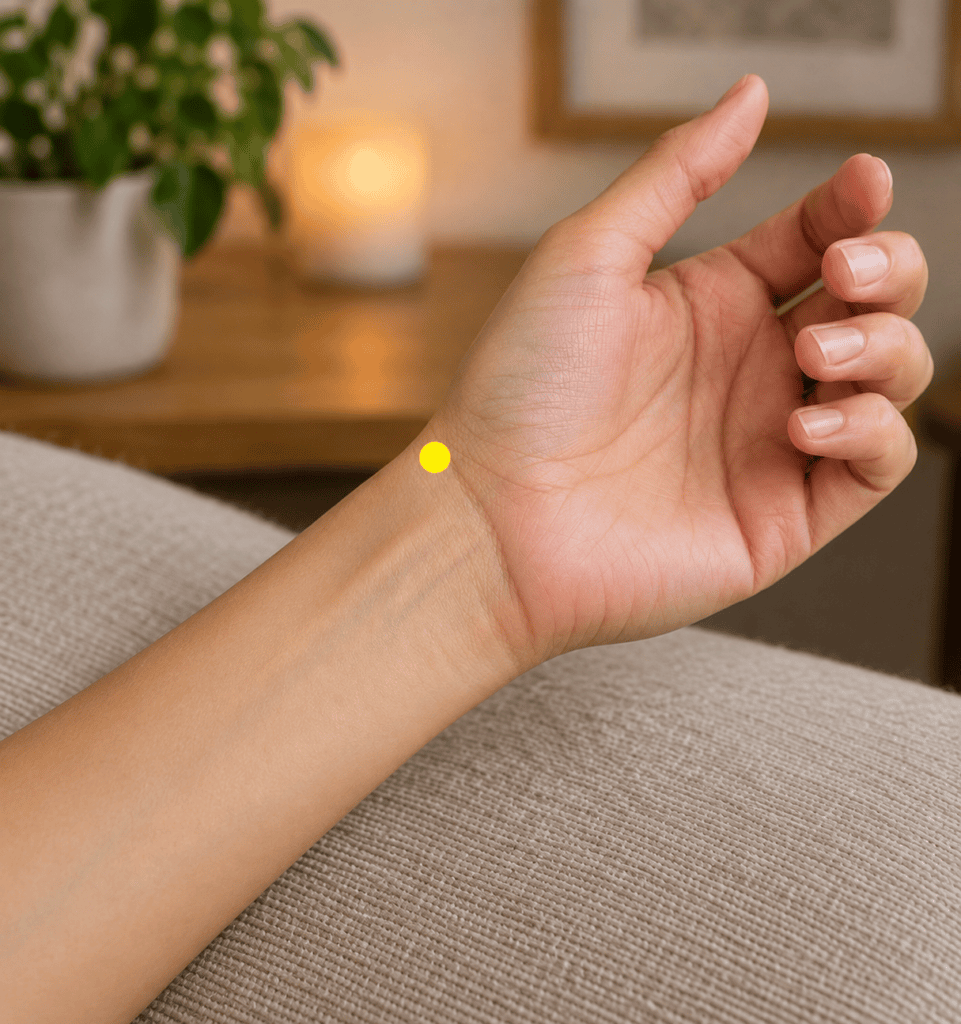
6. BL13 (Feishu)
On the upper back, beside the spine at the level of the third thoracic vertebra, BL13 is the back-shu point of the Lungs, the point where the Lung’s Qi can be directly accessed and strengthened. It reinforces the Lung and the defensive Qi from the back, and it is a mainstay of preventive treatment heading into the cold season. As a back point, it is practitioner-applied rather than something to reach yourself.
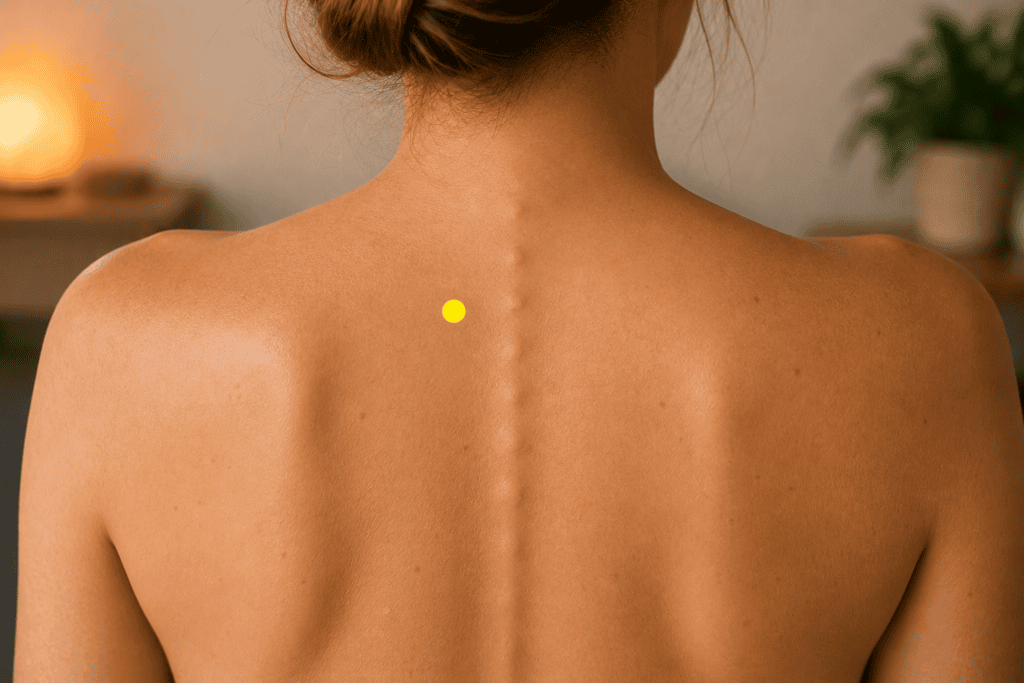
7. GV14 (Dazhui)
At the base of the neck, in the hollow below the large vertebra that protrudes when you bow your head, GV14 is where all the yang channels of the body meet. This makes it one of the most powerful points for supporting immunity and for addressing the fever and exterior conditions of an active illness. Strengthening the yang here fortifies the body’s overall defensive capacity, which is why GV14 is a classic immune-boosting point.
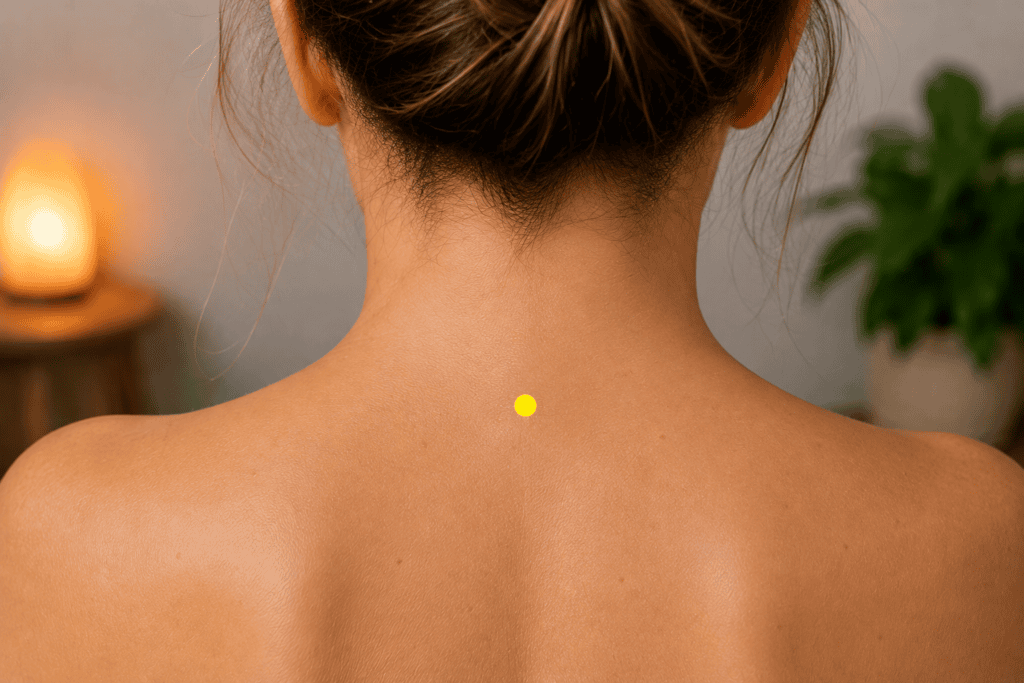
8. KI3 (Taixi)
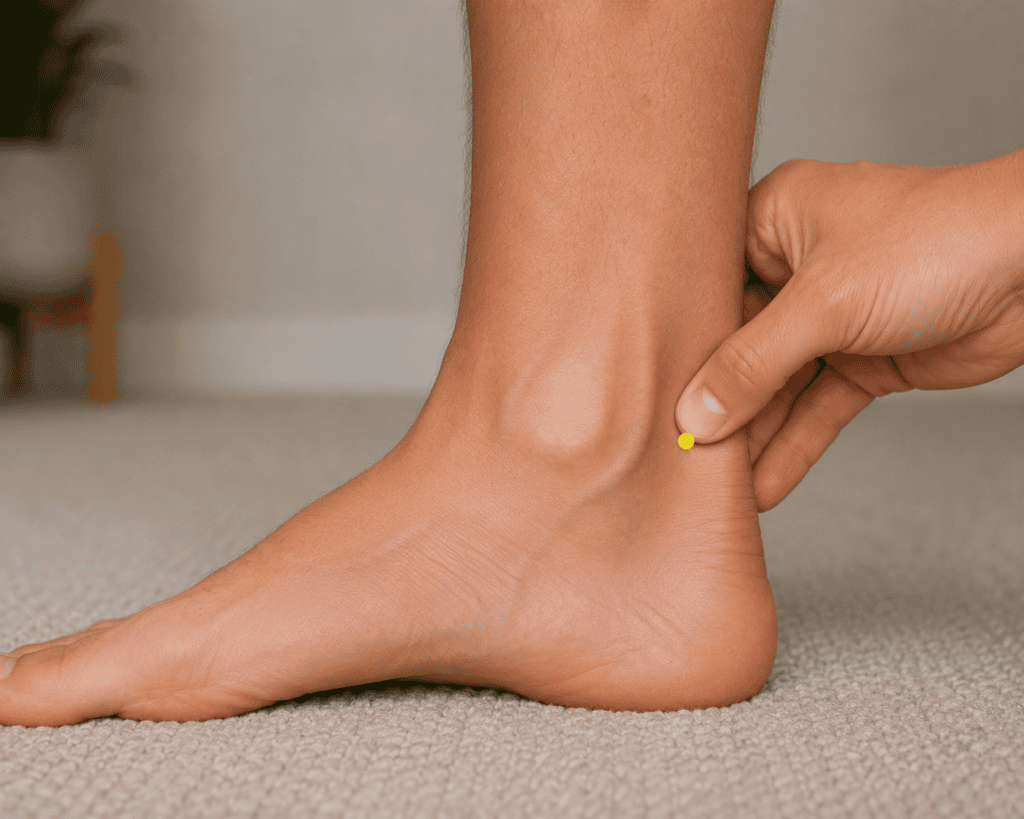
In the hollow between the inner ankle bone and the Achilles tendon, KI3 is the source point of the Kidney channel, and the Kidneys hold the deep constitutional reserve that the immune system ultimately draws on. Tending KI3 supports immunity at its root, which matters most for people whose defenses are worn down by chronic stress, overwork, aging, or long illness, the states that deplete the deepest reserves.
9. CV6 (Qihai)
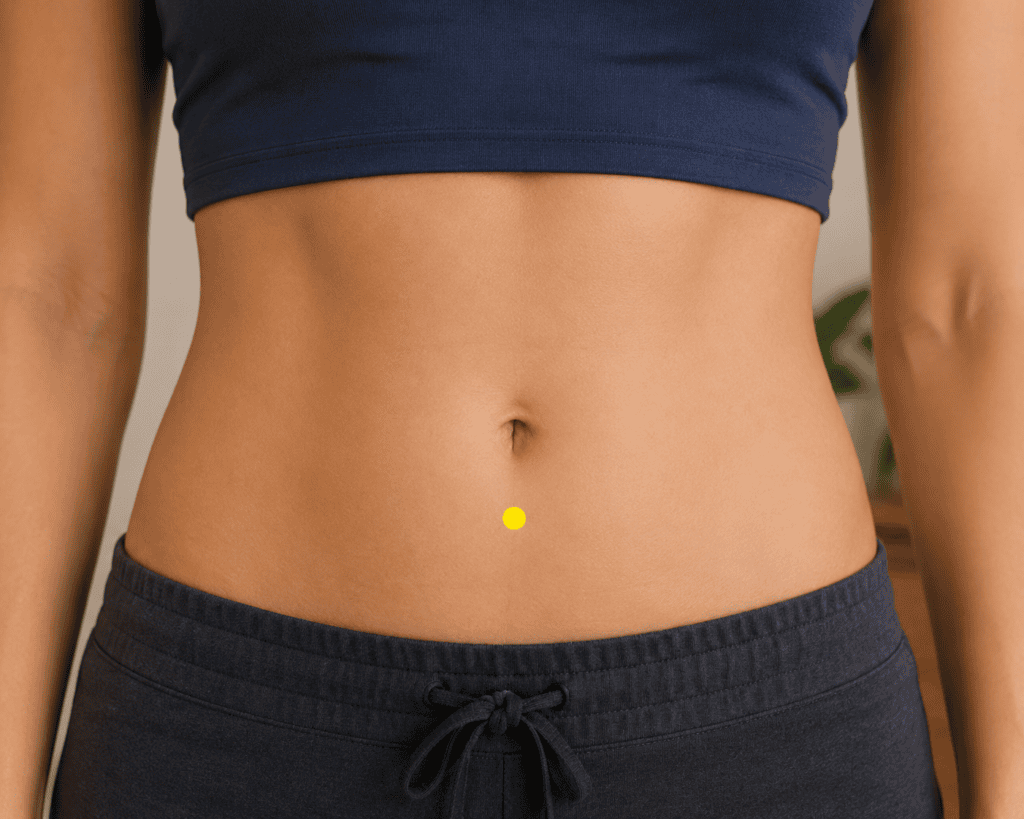
On the midline of the lower abdomen, about two finger-widths below the navel, CV6 is called the “Sea of Qi.” It gathers and strengthens the body’s foundational energy, the reservoir that the defensive Qi is drawn from. Supporting CV6 builds the overall vitality that a strong immune system depends on, complementing the more surface-oriented Lung points with deep constitutional support.
Why the Points Work Best as Part of a Larger Picture
These points bolster the body’s defenses by reinforcing the foundation of overall health and healing.
Sleep plays a vital role in immune system repair, a persistent lack of sleep can significantly increase the risk of getting sick. Proper nutrition provides the building blocks the immune system needs to grow and repair itself. Chronic stress can interfere with all these efforts, as high levels of cortisol weaken immune function, which is why acupuncture’s calming effects are as beneficial as its immune-boosting points.
When You Should Go See a Doctor
Acupuncture can boost the immune system, but it doesn’t replace medical care for infections or immune conditions.
If you have a high or persistent fever, or if an infection worsens or doesn’t improve, see a doctor. People with autoimmune conditions or immune disorders should remain under medical supervision, using acupuncture as an adjunct rather than a replacement.
Above and Beyond Acupuncture offers acupuncture, cupping, and lifestyle coaching at the North Frank Lloyd Wright Boulevard location in Scottsdale.
Schedule an appointment online or call us today to start your healing journey.
About the Publisher
Paul Kerzner, L.Ac., is a licensed acupuncturist and board-certified herbalist, as well as the founder of Above and Beyond Acupuncture in Scottsdale. His own journey from chronic patient to practicing acupuncturist shapes his commitment to providing honest, clinically grounded information about acupuncture and Traditional Chinese Medicine. Learn more about Paul and his clinical approach on the About Us page.