
Key Takeaways
- POTS causes symptoms like dizziness and racing heart due to improper functioning of the autonomic nervous system.
- While acupuncture cannot cure POTS, it can alleviate symptoms such as nausea, fatigue, and anxiety, making daily life easier.
- Acupuncture works by balancing the nervous system, helping improve heart rate and digestion, and many patients report feeling more stable after treatment.
- Research on acupuncture’s effectiveness for POTS is limited, but it may serve as a complementary therapy alongside medical care.
- A combined approach, including acupuncture, increased fluids, and a tailored exercise program, is recommended for managing POTS.

Does standing up make your heart race and leave you dizzy, leaving you tired by midday?
If you have postural orthostatic tachycardia syndrome (POTS), you may have experimented with various methods to improve your condition and might be curious about the potential benefits of acupuncture. While acupuncture does not cure POTS, many individuals find it helpful in controlling symptoms that interfere with daily life. This article will define POTS, discuss how acupuncture might assist, review existing research, and outline what to anticipate from treatment.
What Is POTS?
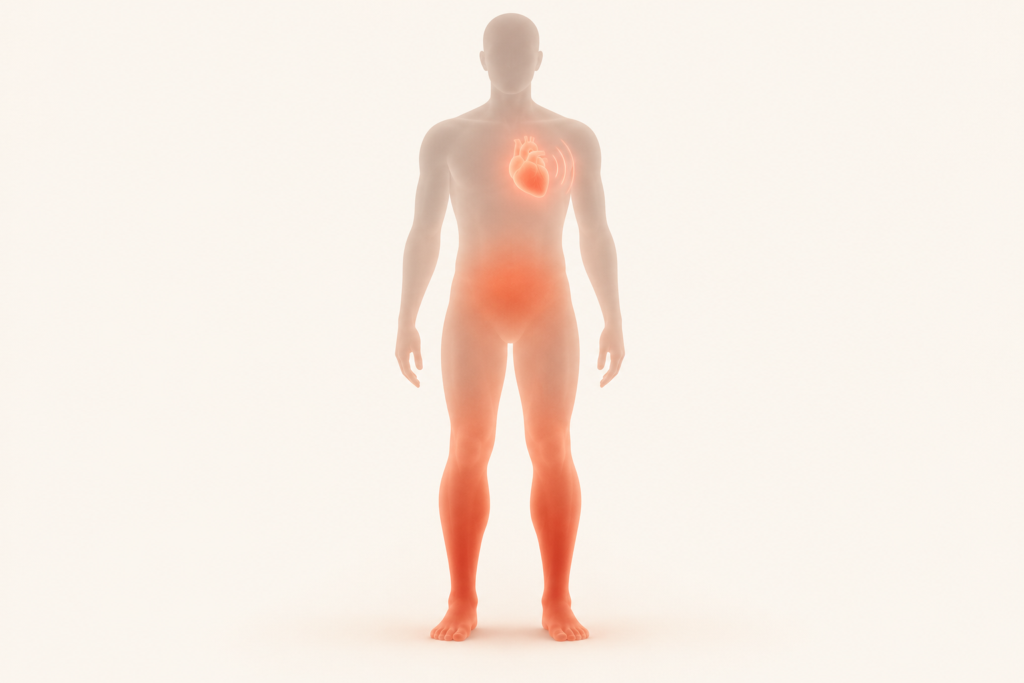
POTS is a form of dysautonomia in which the nervous system that controls functions like heart rate, blood pressure, digestion, and temperature does not function properly. When someone with POTS stands up, their body fails to constrict blood vessels in the legs and abdomen sufficiently, causing blood to pool in those areas and reducing return to the heart and brain. To compensate, the heart beats faster, often by thirty or more beats per minute within ten minutes of standing. This can lead to symptoms such as lightheadedness, fainting, palpitations, shakiness, severe fatigue, brain fog, headaches, nausea, shortness of breath, and problems with heat or exercise.
POTS mainly affects women from their teens to their forties and often develops after viral illnesses, pregnancy, surgery, or trauma.
Can Acupuncture Treat POTS?

Acupuncture cannot cure POTS or resolve its root cause on its own, but it can alleviate many symptoms that make living with POTS challenging. People often seek acupuncture to address issues such as a racing heart, nausea, digestive problems, fatigue, low energy, poor sleep, headaches, and anxiety. Many report feeling calmer, more stable, and better equipped to handle daily activities after treatment. However, acupuncture is most effective when integrated into a comprehensive treatment plan, rather than used as a substitute for medical care.
How Acupuncture Can Help
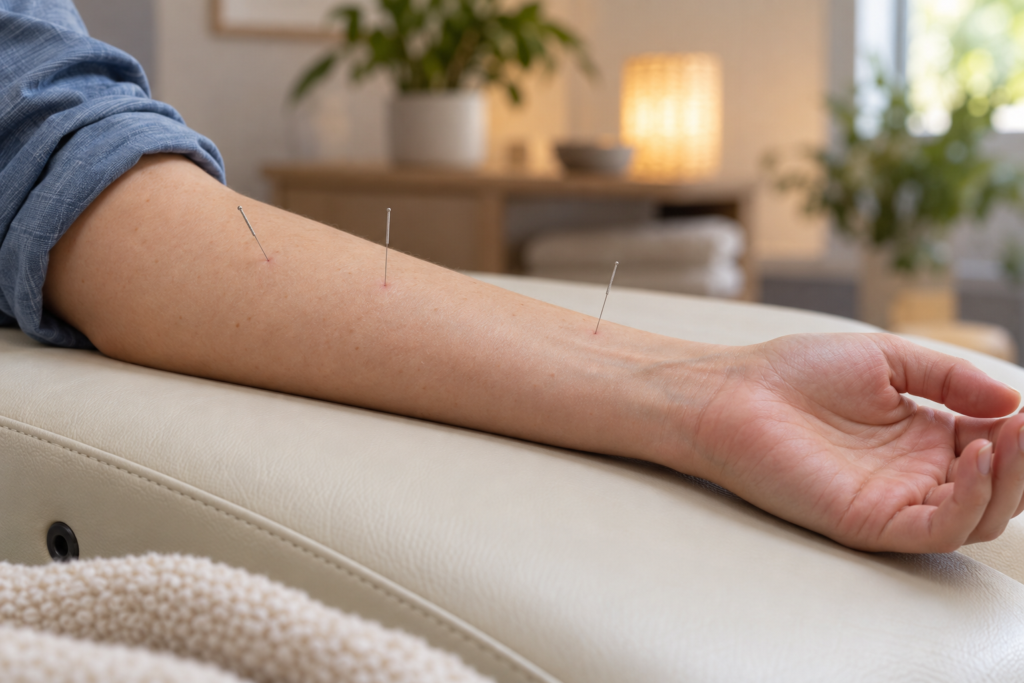
Since POTS primarily involves the autonomic nervous system, the effects of acupuncture on this system are significant. Studies indicate that acupuncture can help balance the sympathetic (stress) and parasympathetic (calming) parts of the nervous system, which influence heart rate and digestion. Many patients experience deep relaxation during sessions, with a slower, more stable heartbeat. Additionally, acupuncture is recognized for alleviating nausea, reducing headaches, improving sleep quality, and decreasing anxiety; factors that can worsen a racing heart.
For those whose POTS developed after a viral infection or prolonged stress, consistent treatment often helps in restoring energy levels and resilience.
What the Research Shows
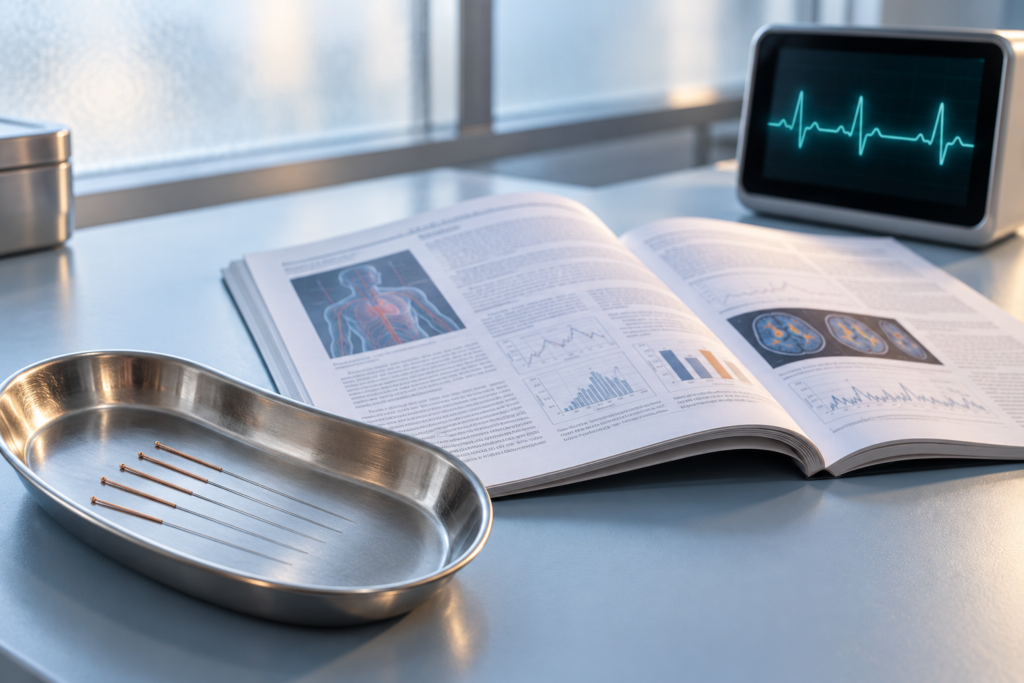
Research specifically on acupuncture for POTS is limited, with no extensive clinical trials so far. Most existing studies focus on acupuncture’s overall effect on the autonomic nervous system, such as heart rate variability, which indicates nervous system adaptability. Early studies and case reports on similar conditions suggest acupuncture might help stabilize the nervous system, but the evidence is still too weak to confirm its effectiveness as a standalone treatment for POTS.
We recommend using acupuncture as a complementary therapy to alleviate symptoms, ideally alongside other treatments supported by stronger evidence.
How Traditional Chinese Medicine Views POTS

Traditional Chinese Medicine doesn’t mention POTS explicitly but recognizes related patterns.
The Spleen Qi manages lifting and holding functions; when it’s weak, the body struggles to keep Blood up against gravity, leading to pooling and lightheadedness upon standing. Low Heart Qi and Blood cause the Heart to race and flutter, while the Shen, or mind and spirit, becomes unsettled, resulting in anxiety, sleep issues, and brain fog. The Kidney stores the body’s deepest energy, which can become depleted after illness or prolonged stress, causing exhaustion and intolerance to exertion. Practitioners assess your individual pattern and customize treatment to strengthen Qi, nourish Blood, calm the Heart, and rebuild your energy reserves.
What to Expect From Treatment

Treatment for POTS aims to ensure your safety and comfort.
During sessions, you will typically lie down with your legs slightly elevated. Your practitioner will inquire about your symptoms, potential triggers, fainting history, medications, and overall condition. Drinking fluids and having a light snack before your appointment can be beneficial. Early treatments may involve fewer needles and gentler techniques as your practitioner observes how your body responds. Afterward, take your time to get up; sit on the edge of the table for a minute or two before standing, and inform your practitioner if you feel lightheaded. Most individuals start with weekly sessions and often notice improvements in palpitations, sleep, nausea, and energy levels first. Chinese herbal formulas, tailored to your needs and checked against medications, may also be recommended.
Acupuncture Alongside Medical Care
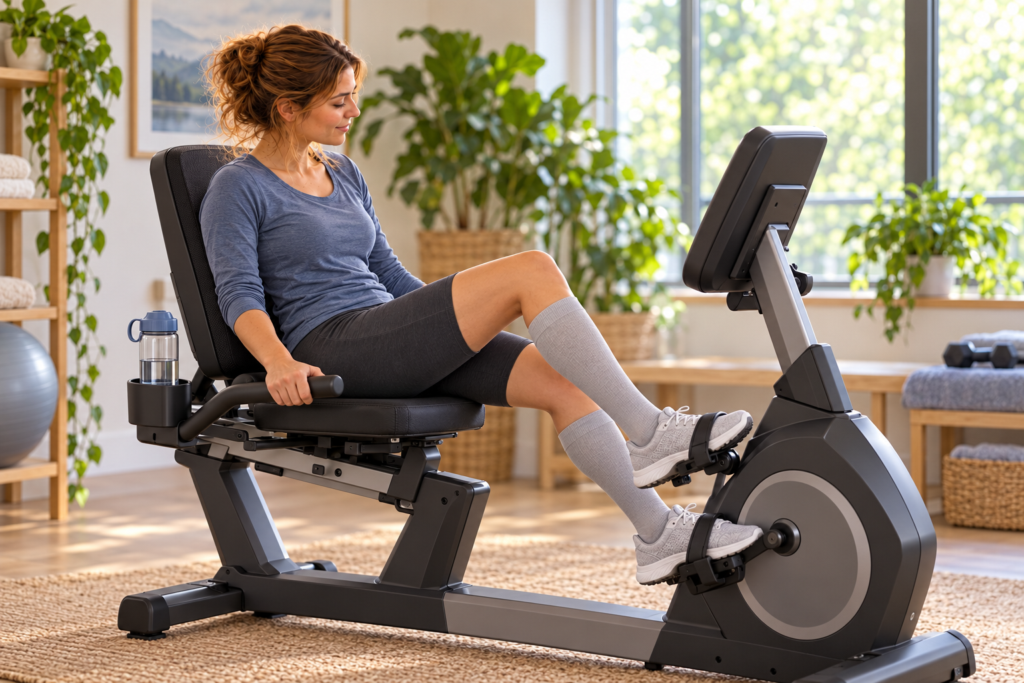
The best way to manage POTS is with a combined approach, and acupuncture can be part of the plan your doctor recommends.
This often includes increasing fluids and salt, but only if your doctor says it is right for you. Wearing compression garments on your legs and abdomen, taking medications as needed, and starting a slow, carefully planned exercise program with activities like recumbent cycling, rowing, or swimming can also help. Getting up slowly, eating smaller and more frequent meals, and using techniques like crossing your legs and squeezing your thigh muscles when symptoms start can also help. Heat is a major trigger for POTS, especially in hot places like Arizona. Avoid midday heat and long hot showers, and be aware of the risk of heat stroke. Between visits, you can use acupressure points at home while sitting or lying down.
When to See a Doctor

A doctor needs to diagnose POTS because similar symptoms can result from dehydration, anemia, thyroid problems, medication side effects, or heart rhythm issues. Seek emergency help if you experience chest pain, fainting during exercise, fainting with injury, a racing heart that doesn’t slow when lying down, severe shortness of breath, or confusion. Also, get prompt treatment for heat-related illnesses. Consult your doctor if your symptoms worsen, you faint frequently, can’t keep fluids down, or if POTS interferes with daily activities. Acupuncture can support POTS management and should complement ongoing medical care.
Above and Beyond Acupuncture offers acupuncture, cupping, and lifestyle coaching at the North Frank Lloyd Wright Boulevard location in Scottsdale.
Schedule an appointment online to start your healing journey.

About the Publisher
Paul Kerzner, L.Ac., is a licensed acupuncturist and board-certified herbalist, as well as the founder of Above and Beyond Acupuncture in Scottsdale. His own journey from chronic patient to practicing acupuncturist shapes his commitment to providing honest, clinically grounded information about acupuncture and Traditional Chinese Medicine. Learn more about Paul and his clinical approach on the About Us page.