Key Takeaways
- Acupuncture needles are very thin and made of fine stainless steel, designed for single use and safety.
- Most people feel little to no sensation during needle insertion, and those who do often describe it as a brief pinch.
- Patients might experience mild sensations during treatment that indicate effective stimulation, leading to relaxation.
- Licensed acupuncturists are trained extensively, ensuring a comfortable and safe experience during acupuncture treatments.
- Acupuncture is safe when performed by trained professionals, with rare complications reported; minor side effects may include bruising or tenderness.
Are you hesitant to try acupuncture because of a fear of needles? You’re certainly not alone.
At Above & Beyond Acupuncture, the most common question we hear before a first treatment is, “Does it hurt?” Understandably, many people associate acupuncture needles with the uncomfortable needles used for vaccines or blood tests. However, acupuncture needles are quite different, and most patients find the sensation to be gentler than they anticipated. Often, clients leave their first session saying their fears were unnecessary.
This article will cover what acupuncture needles are, what the treatment feels like, and how we ensure your comfort throughout the process.
What Acupuncture Needles Are Made Of
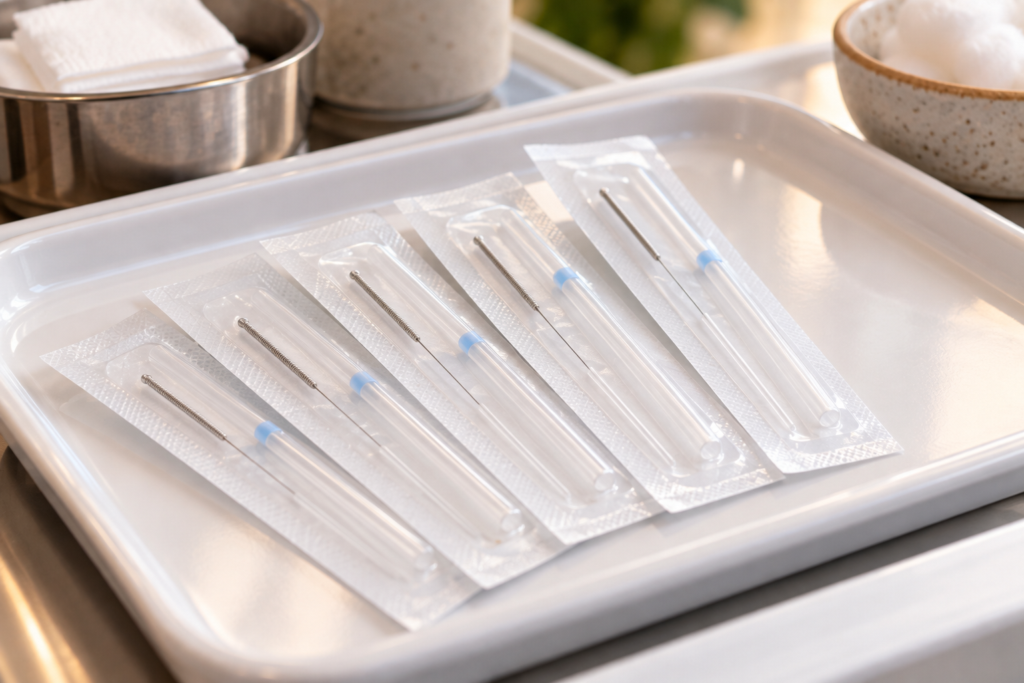
Modern acupuncture needles are made from fine stainless steel and feature a solid shaft and a handle made of copper, steel, or plastic.
Each needle is sterile, individually wrapped, and meant for single use only, so reusing needles doesn’t increase infection risk. Needles come in various lengths and thicknesses, allowing practitioners to choose the right needle for different body parts. Shorter, finer needles are ideal for delicate areas such as the face, hands, and ears, while slightly longer needles suit thicker muscles like the back and legs.
How Thin Are Acupuncture Needles?
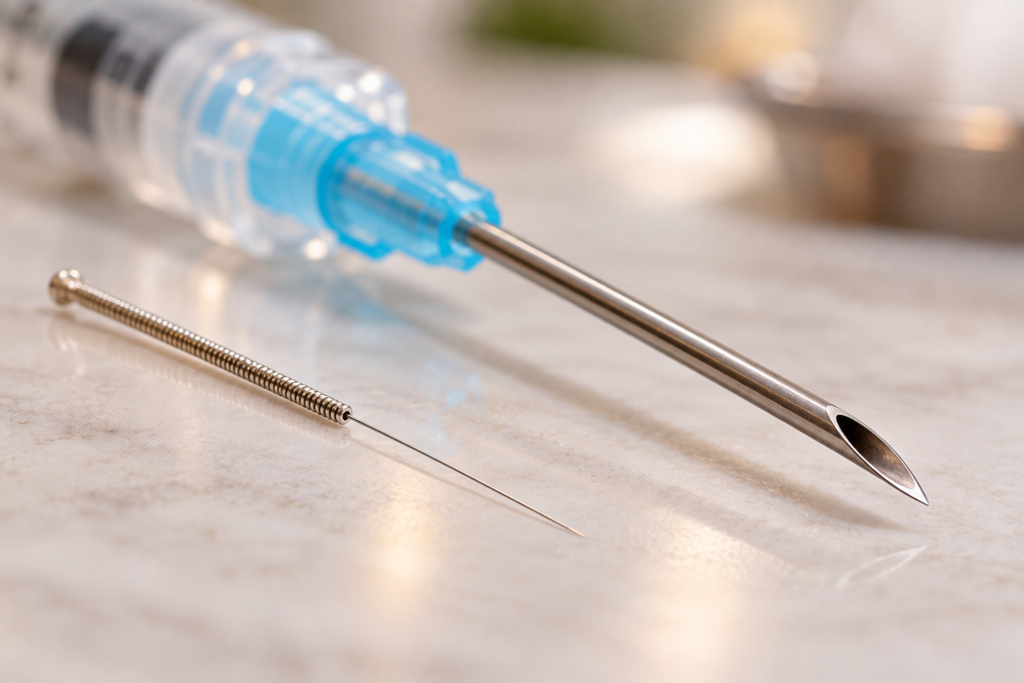
Acupuncture needles differ significantly from what most people expect.
Unlike hypodermic needles, which are hollow for injections and blood draws and have sharp, cutting tips, acupuncture needles are solid with smooth, rounded, tapered points that gently separate tissue rather than cut through it. They are extremely thin, typically about a fifth to a quarter of a millimeter wide, roughly the diameter of a few human hairs, and some are even thinner. In fact, about ten acupuncture needles could fit inside the shaft of a standard hypodermic needle. Many practitioners use a guide tube to insert the needle, ensuring quick and smooth placement with minimal sensation.
Do Acupuncture Needles Hurt?
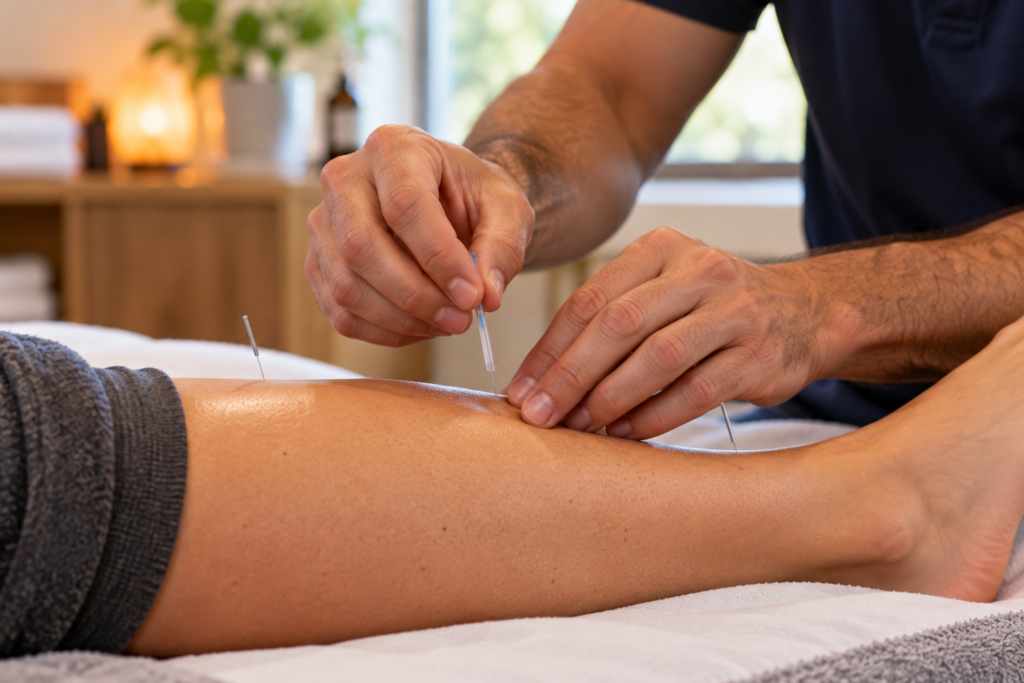
Most people feel little to no sensation when an acupuncturist inserts a needle. Many feel nothing, while others notice a brief, tiny pinch like a mosquito bite or a light flicker that quickly passes. Fine needles, smooth tips, and skilled technique keep this moment brief and gentle.
Once the needle is inserted, most people don’t feel pain but may notice other sensations, which are normal and often helpful during treatment. We will discuss these in the next section. The key point is that acupuncture should not cause pain, and you should never feel you have to tolerate discomfort. Many people seek acupuncture specifically for pain relief. If a needle ever feels sharp, hot, or uncomfortable, please let us know, and we will adjust or remove it immediately.
What You Might Feel During Treatment
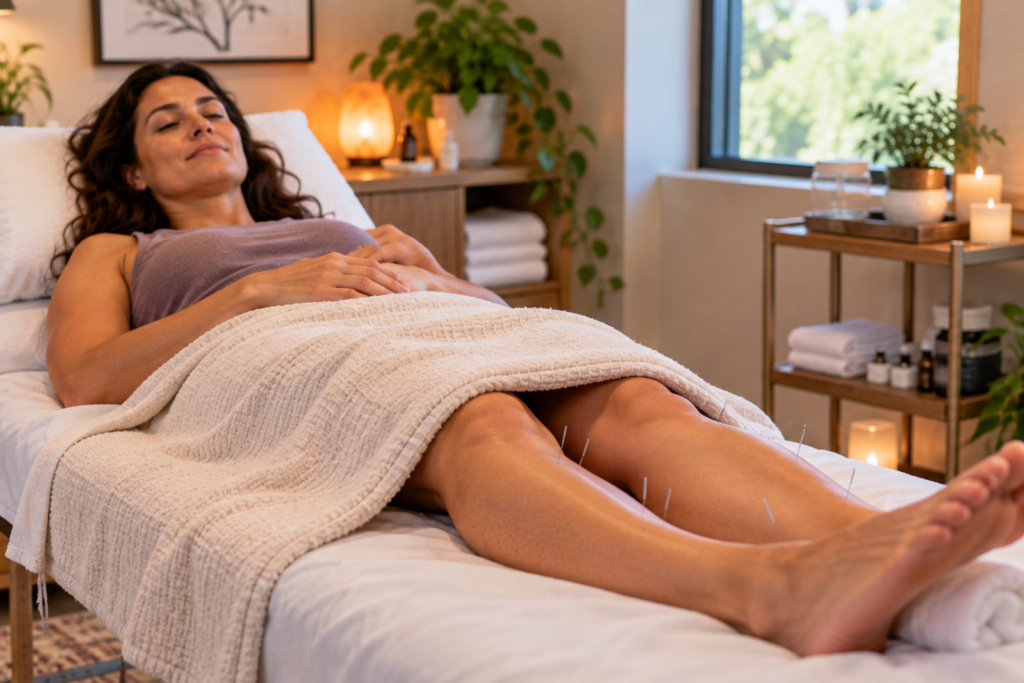
Once the needles are inserted, many people feel sensations beyond a simple pinch. These may include a dull ache or pressure, warmth spreading locally, tingling, a mild electric shock along a line, heaviness in a limb, or gentle pulsing. In Chinese medicine, this is known as “de qi” or the arrival of Qi, indicating that the point has been effectively stimulated and the treatment is active. These sensations are typically mild, fade quickly, and are often considered more interesting than uncomfortable.
After a few minutes, most people experience a profound sense of relaxation. The body typically becomes calm and restful, breathing slows, and many people fall asleep during the session. Patients often mention that it is the most relaxed they have felt in weeks. For more information about the sensations, refer to our guide on what acupuncture feels like.
Why Some Areas Feel More Than Others
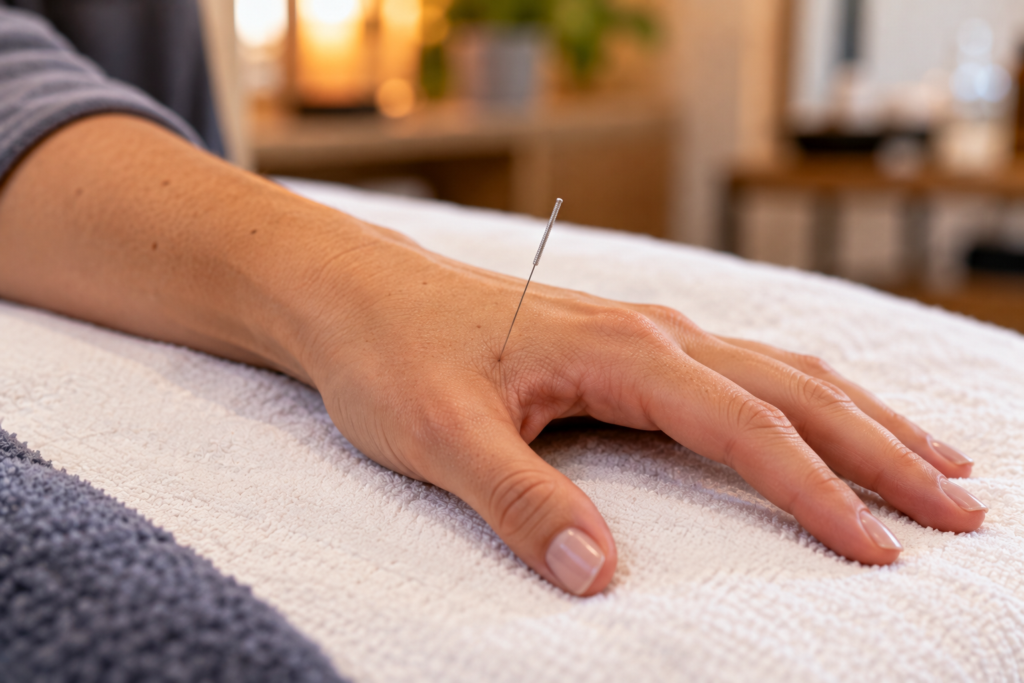
Not all acupuncture points feel the same, so it helps to understand this in advance.
Areas with higher nerve density and less padding, such as the hands, feet, face, and ears, are typically more noticeable. In contrast, points in thicker muscles like the back, shoulders, and legs are often barely felt. Your sensitivity may also fluctuate daily due to factors like tension, fatigue, stress, caffeine, or hunger, which can heighten sensitivity. Being relaxed and rested generally enhances comfort during treatment. Your practitioner takes these factors into account, and if one area is particularly sensitive, there are usually alternative points that can be equally effective.
What We Do to Keep You Comfortable and Safe
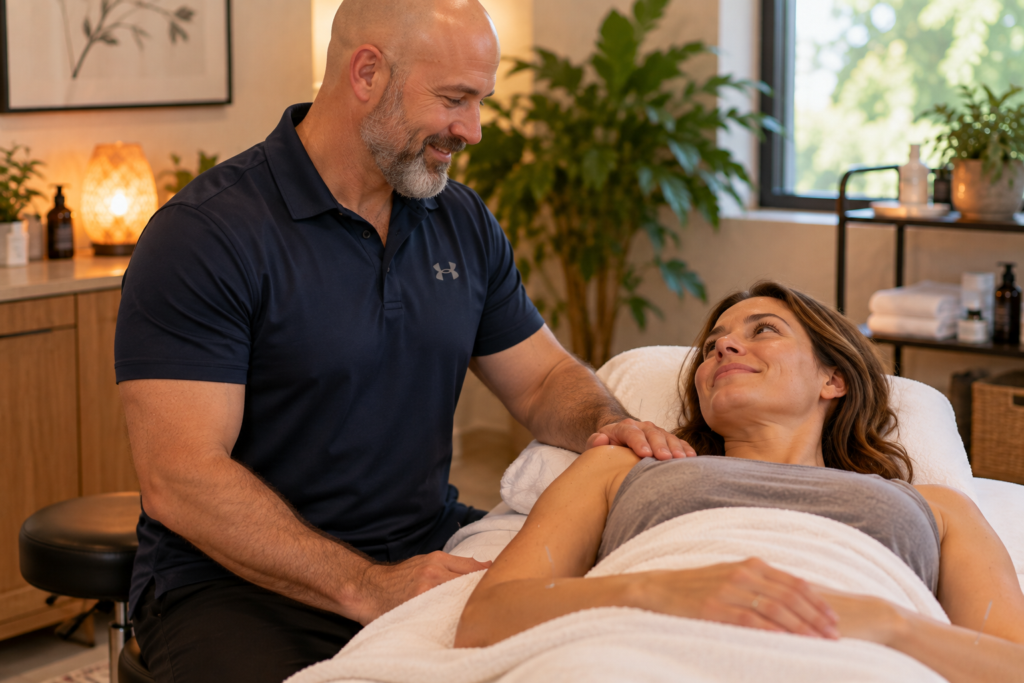
Your comfort and safety are our top priorities at every stage of your treatment.
We begin by discussing your concerns and health history before inserting any needles. We select high-quality, fine needles tailored to your needs, often starting with fewer needles and gentler stimulation on your first visit. Throughout the process, we explain each step, check in regularly, and adjust immediately if you feel uncomfortable. Many first-time patients, who initially felt nervous, tell us afterward that waiting was more challenging than the treatment itself.
Tips for Your First Treatment

A bit of preparation can help make your first session more comfortable.
- Eat a light meal or snack an hour or two before your appointment. Arriving on an empty stomach can make you feel lightheaded.
- Try to limit caffeine before your appointment, as it can make your body more sensitive.
- Wear loose, comfortable clothing that rolls up easily at the arms and legs.
- Arrive a few minutes early so you have time to relax and settle in.
- Let your practitioner know if you feel nervous. This is completely normal, and it helps us adjust the session to suit you.
- Take slow breaths as the needles are placed, and allow your body to relax on the table.
- Speak up if anything does not feel right during your session.
If You Are Nervous About Needles
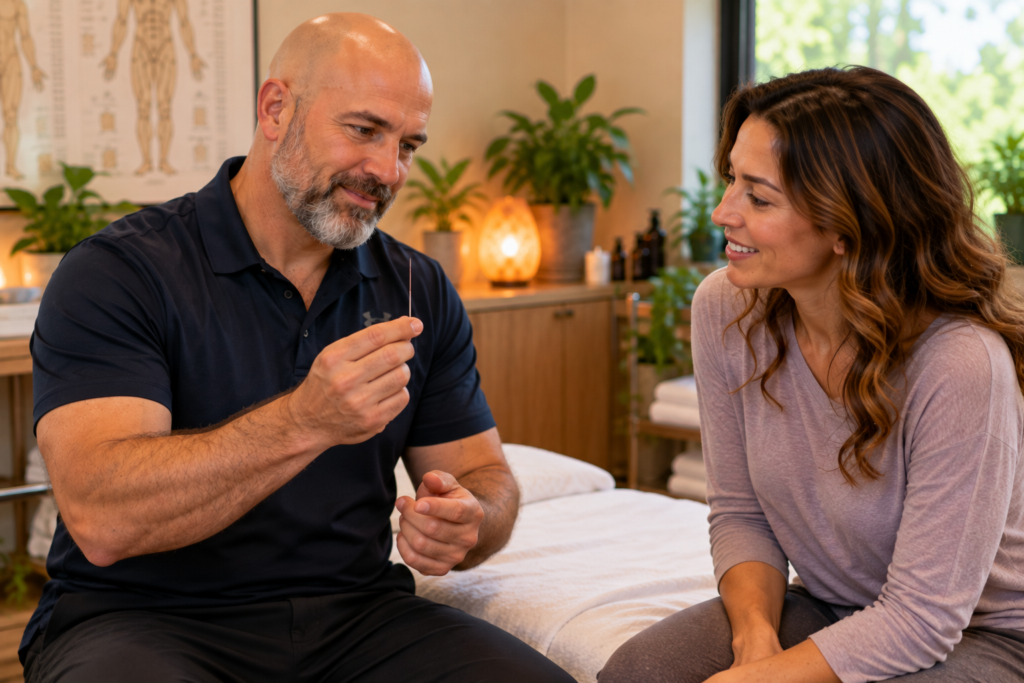
Feeling anxious about needles is common, but it shouldn’t prevent you from trying acupuncture.
Let us know upfront so we can proceed gradually, using fewer, thinner needles, keeping your eyes closed, and focusing on less sensitive areas initially. Some find it helpful to see a needle up close first, as its thinness can be reassuring. If you’re not ready for needles, we also offer cupping and teach acupressure, which uses gentle finger pressure on the same points. Many people who start with these alternatives later feel comfortable trying acupuncture.
Why It Matters Who Uses the Needle
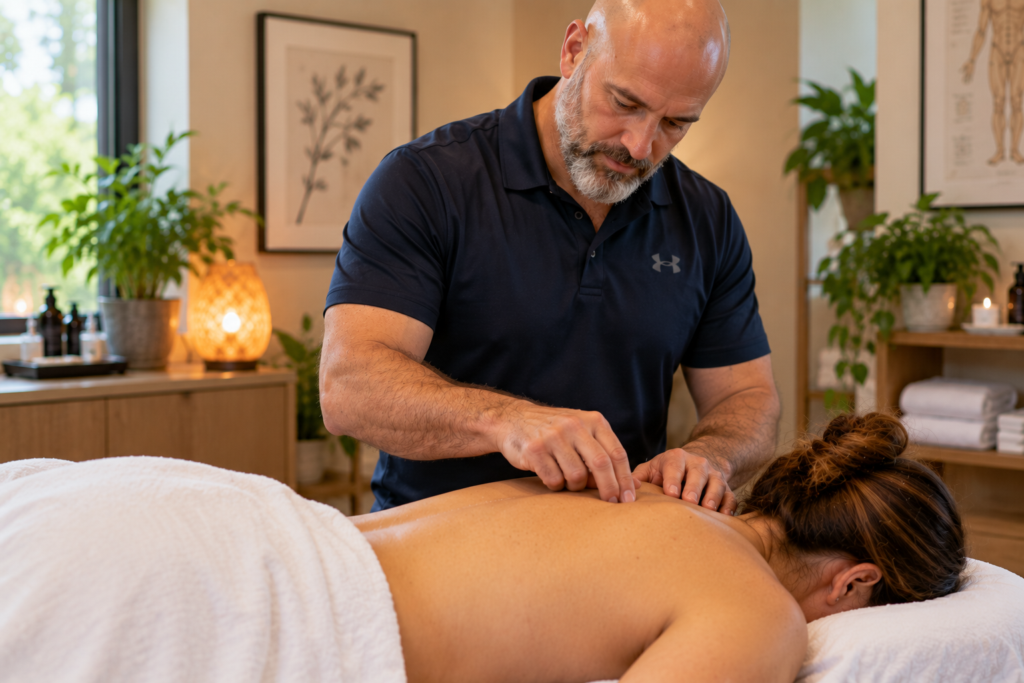
People without licensure can buy acupuncture needles, and some health professionals offer acupuncture or “dry needling” with only brief training. Chiropractors, naturopaths, and physical therapists are not licensed acupuncturists. In contrast, licensed acupuncturists complete a master’s program in acupuncture and Traditional Chinese Medicine, gaining thousands of hours in point location, needling technique, safety, and diagnosis, and they hold a professional license. This extensive training significantly impacts treatment comfort: accurate point placement and skilled technique are key reasons why treatments from licensed practitioners tend to be more comfortable.
For more details, see our guide on the importance of choosing a licensed acupuncturist, which is useful to review before selecting a practitioner.
Is Acupuncture Safe?
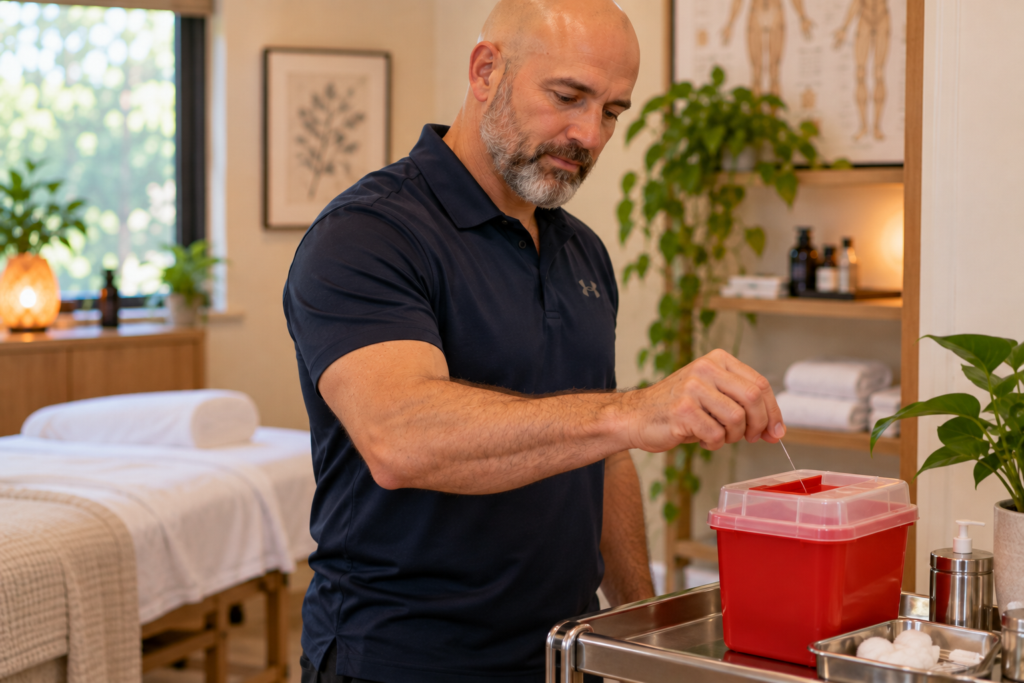
Acupuncture, when performed by a licensed acupuncturist with sterile, single-use needles, is very safe.
Common minor side effects include small bruises, tenderness at needle sites, and occasional tiredness or lightheadedness immediately after treatment. Serious complications are rare when trained professionals perform the treatment. Inform your acupuncturist if you’re pregnant, on blood thinners, have a bleeding disorder, or have a pacemaker, so your treatment can be properly modified.
Ready to Try It?
If a fear of needles has kept you from trying acupuncture, we hope this article has helped ease your concerns.
The needles are much thinner than you might imagine; the sensations are generally mild and short-lived, and many people find the process very relaxing. To learn what happens next, our guide on how long it takes to feel better from acupuncture explains what to expect during your initial sessions.
We’re always happy to answer any questions before you book your acupuncture appointment.
Above and Beyond Acupuncture offers acupuncture, cupping, and lifestyle coaching at the North Frank Lloyd Wright Boulevard location in Scottsdale.
Schedule an appointment online to start your healing journey.

About the Publisher
Paul Kerzner, L.Ac., is a licensed acupuncturist and board-certified herbalist, as well as the founder of Above and Beyond Acupuncture in Scottsdale. His own journey from chronic patient to practicing acupuncturist shapes his commitment to providing honest, clinically grounded information about acupuncture and Traditional Chinese Medicine. Learn more about Paul and his clinical approach on the About Us page.