Key Takeaways
- Exercising with your dog improves health and strengthens your bond, making you both happier and more active.
- Explore various ways to exercise with your dog, such as walking, running, hiking, and engaging in fun games like fetch and tug of war.
- Ensure safety by consulting your vet, gradually increasing activity intensity, and checking for signs of trouble during exercise.
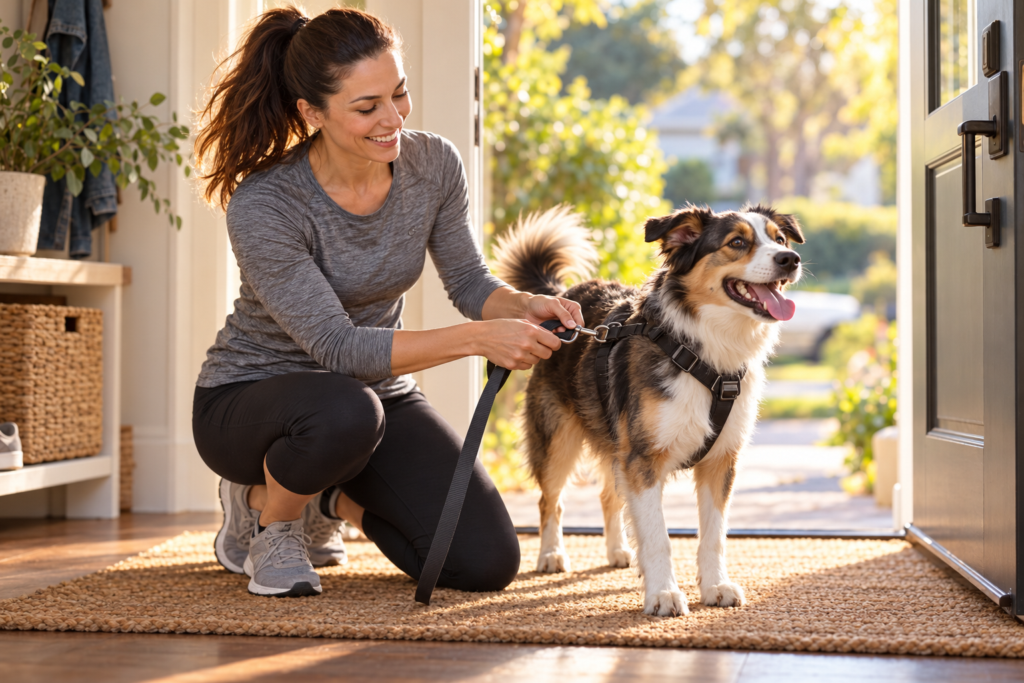
Have you noticed how eager your dog is to get moving?
Staying active offers many health benefits, such as improved posture, a stronger heart, a better mood, and increased longevity. However, finding time for exercise can be challenging. Work and technology often keep us busy, making it easy to neglect movement. That’s where having a dog comes in handy. Dogs make excellent exercise buddies—they are always enthusiastic and require daily activity just like their owners. Here are 12 ways you and your dog can stay active together, regardless of where you live.
Why Exercising With Your Dog Is Good for You Both
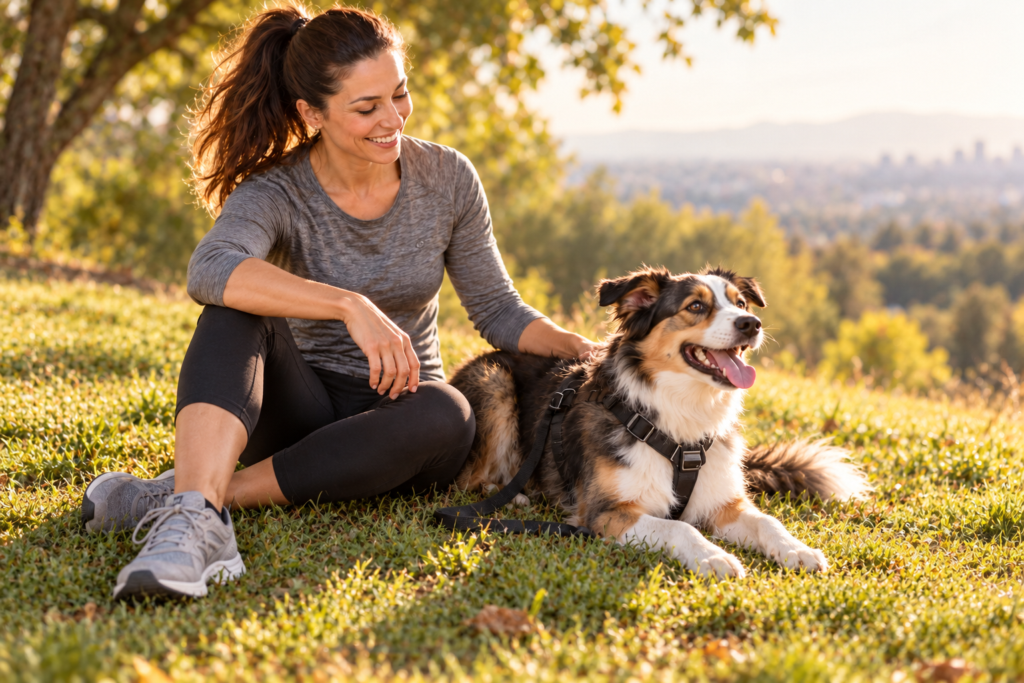
People who own dogs tend to be more active than those who don’t, since dogs require daily outings regardless of the weather. This habit makes it simpler to maintain an exercise routine. Exercising together can lift your spirits, reduce stress, and foster a sense of community in your neighborhood. For your dog, regular activity helps maintain a healthy weight, strengthens joints and muscles, benefits their heart, and helps burn excess energy that might otherwise cause them to chew or bark at home. Most importantly, engaging in activities together deepens your bond with your dog.
1. Walking
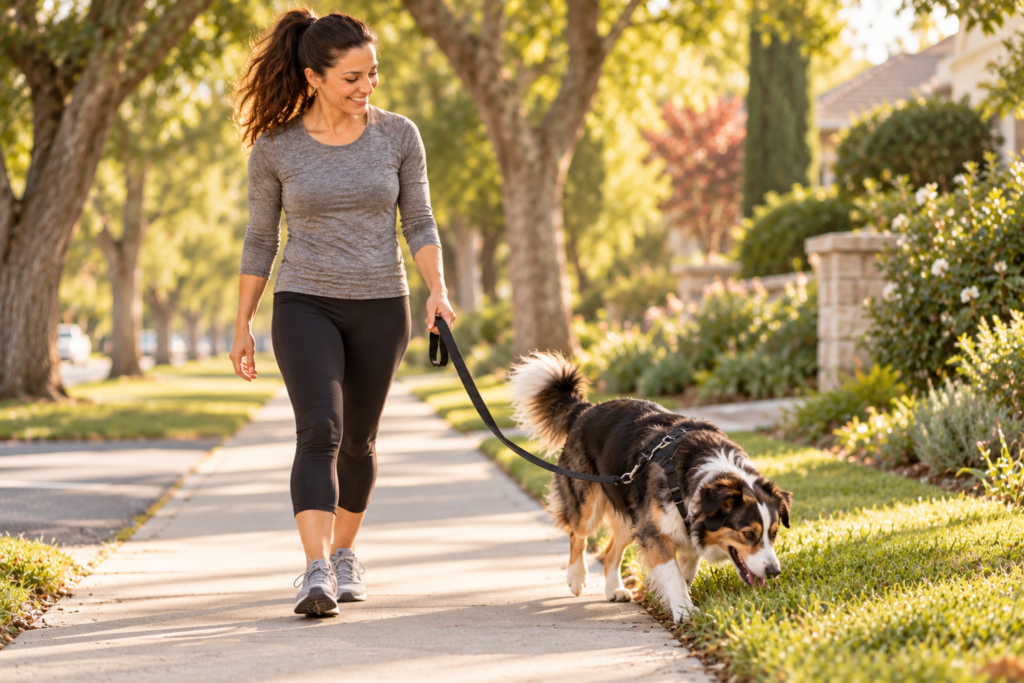
Walking is an excellent activity for you and your dog to stay healthy, suitable for nearly all ages and fitness levels. Dogs particularly enjoy walks because they get to investigate new scents, providing valuable mental stimulation. It’s also an opportunity to connect with neighbors and other dogs. To keep walks engaging, vary your routes, add hills, occasionally increase your pace, and let your dog sniff around. This sensory exploration is as important as the physical exercise.
2. Running
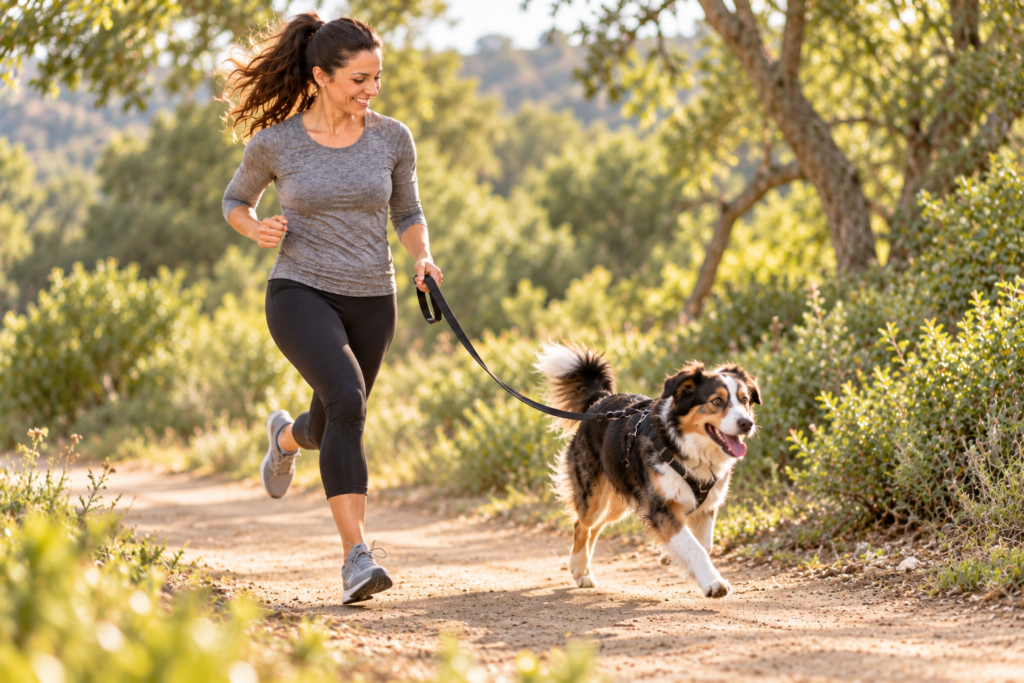
Running with your dog benefits you both by improving fitness. It helps your dog maintain a healthy weight, build muscle and stamina, strengthen their heart, and develop stronger back legs. For you, it elevates your mood and reduces stress. It also helps your dog burn off excess energy, leading to a calmer demeanor at home. Begin with gentle runs and gradually increase the distance, similar to training yourself. Opt for softer surfaces like dirt or grass, which are gentler on joints and paws. Keep in mind that not all dogs are suitable for running, so consult your vet first to ensure your dog is ready for this activity.
3. Hiking
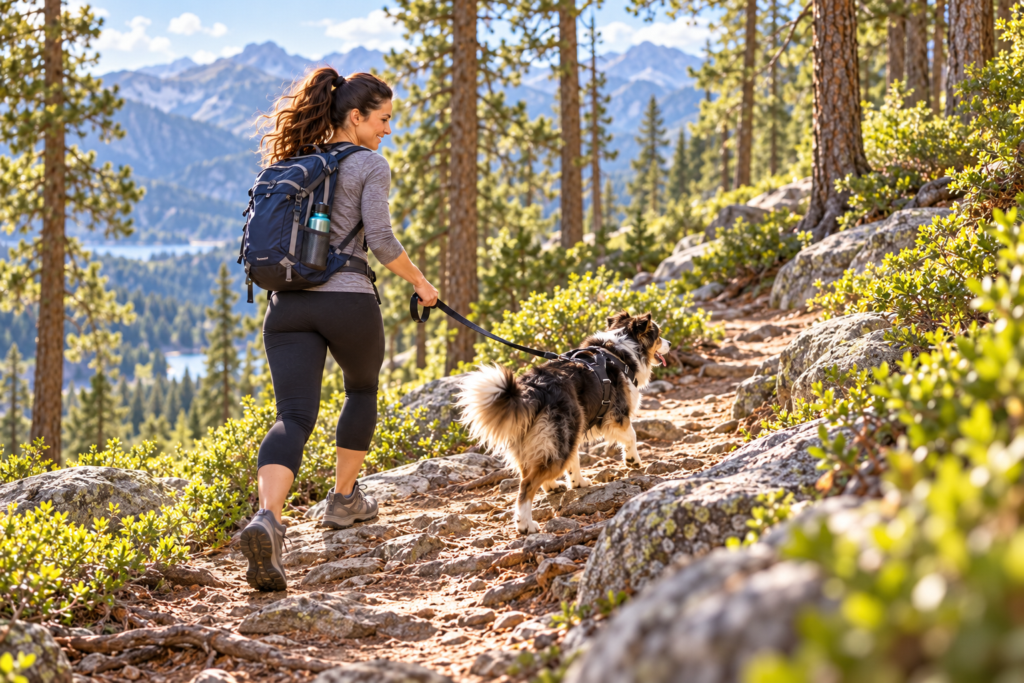
Hiking combines walking, fresh air, and new discoveries, making it enjoyable for you and your dog. Climbing hills strengthens your legs and core, while navigating uneven terrain improves your balance. Choose dog-friendly trails, keep your dog leashed when required, and pick trails that match your dog’s fitness. Bring ample water and a collapsible bowl for both of you. Post-hike, inspect your dog’s paws and coat for burrs, cuts, or ticks.
4. Fetch and Frisbee
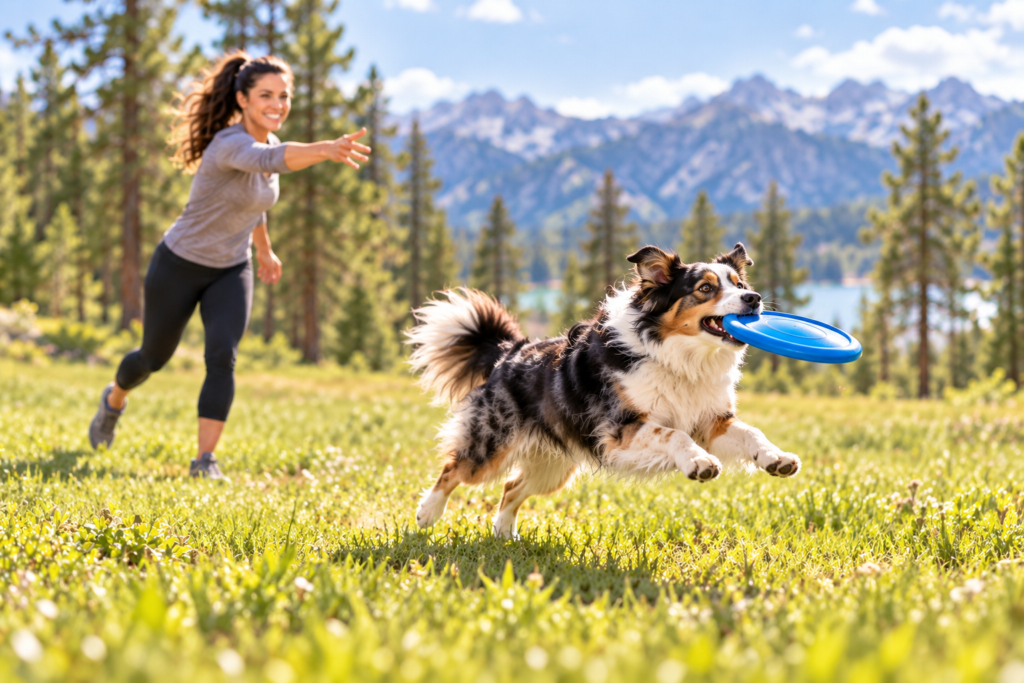
Most dogs enjoy chasing a ball. Playing fetch is an enjoyable way to stay active together. Throwing engages your legs, core, and arms, and switching arms helps maintain your balance. For your dog, fetch improves speed, agility, and focus, and it strengthens your bond. Using a flying disc can add more excitement for dogs that like to jump and catch. To ensure safety, choose balls and discs designed for dogs instead of sticks, keep your throws low, and allow your dog regular breaks to prevent exhaustion.
5. Swimming and Water Fun
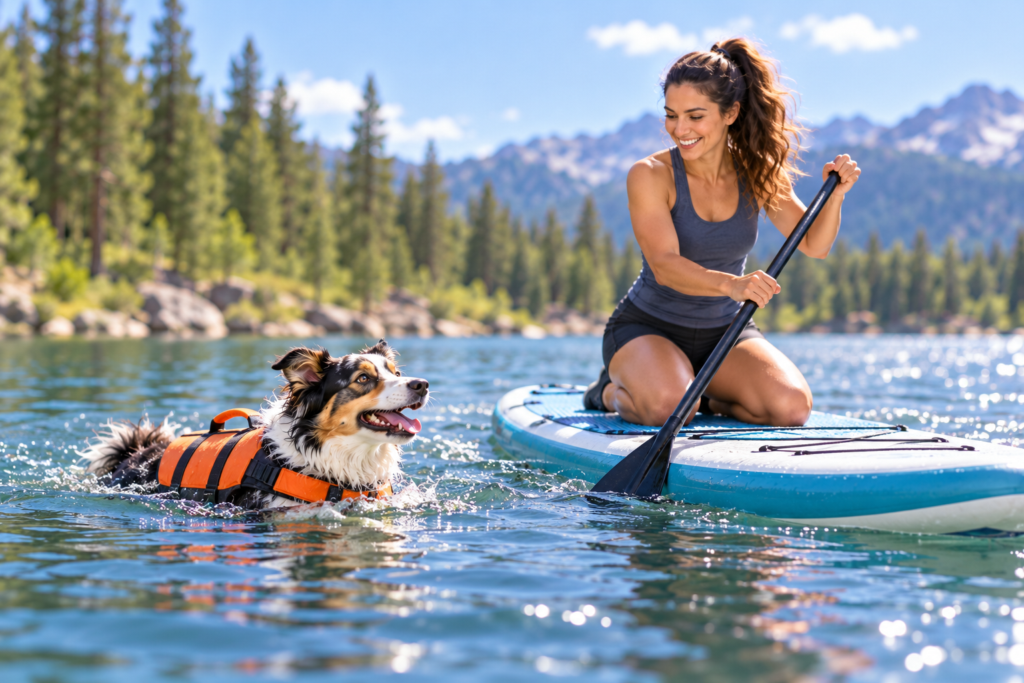
Swimming offers a low-impact workout for dogs, especially older ones or those with joint problems, and it benefits humans too. If you have access to a dog-friendly lake, beach, or pool, playing in the water together helps build strength and endurance without stressing joints. For adventurous pet owners, activities like paddleboarding, kayaking, or surfing can be enjoyable once your dog is comfortable in the water. Not all dogs instinctively swim, so introduce water gradually, never force a nervous dog, and consider using a dog life jacket, especially in open water or for breeds that are not strong swimmers. After swimming, rinse your dog to remove salt or pool chemicals, avoid water with scum or algae, and be mindful of strong currents.
6. Biking
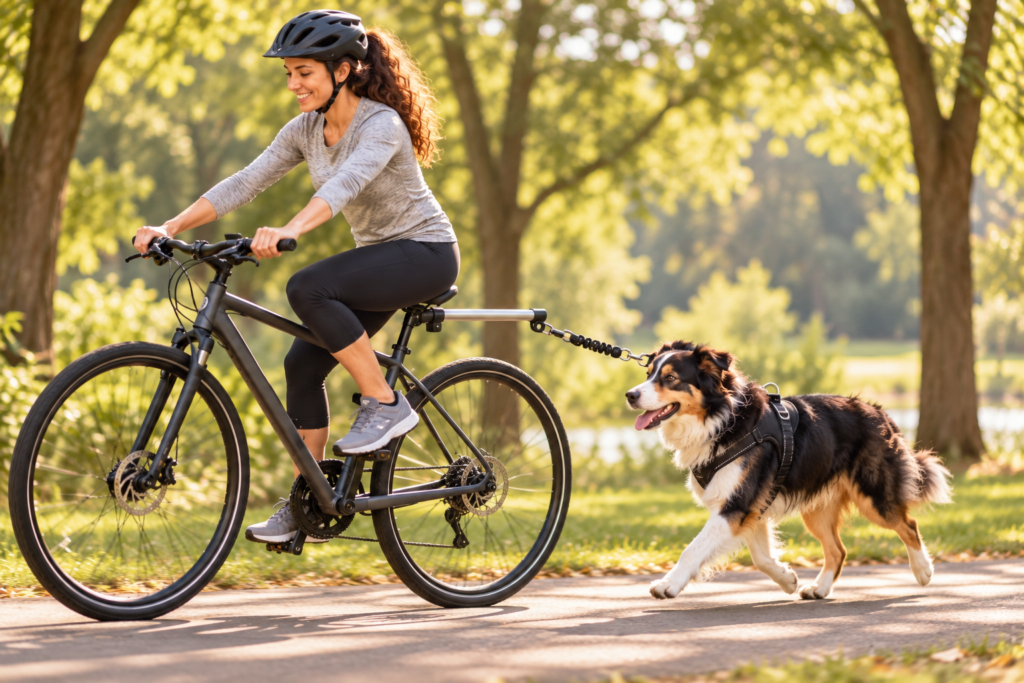
If your dog has plenty of energy, running alongside a bike can help them burn it off while providing you with a good workout. This method works best for healthy, adult dogs that are well-trained and walk calmly on a leash. Use a bike attachment to ensure your dog’s safety and keep them away from the wheels. Start slowly on quiet paths and keep initial sessions short. Prefer softer surfaces, avoid hot pavement, and closely monitor your dog for signs of fatigue, as many will try to keep pace with you.
7. Agility Training
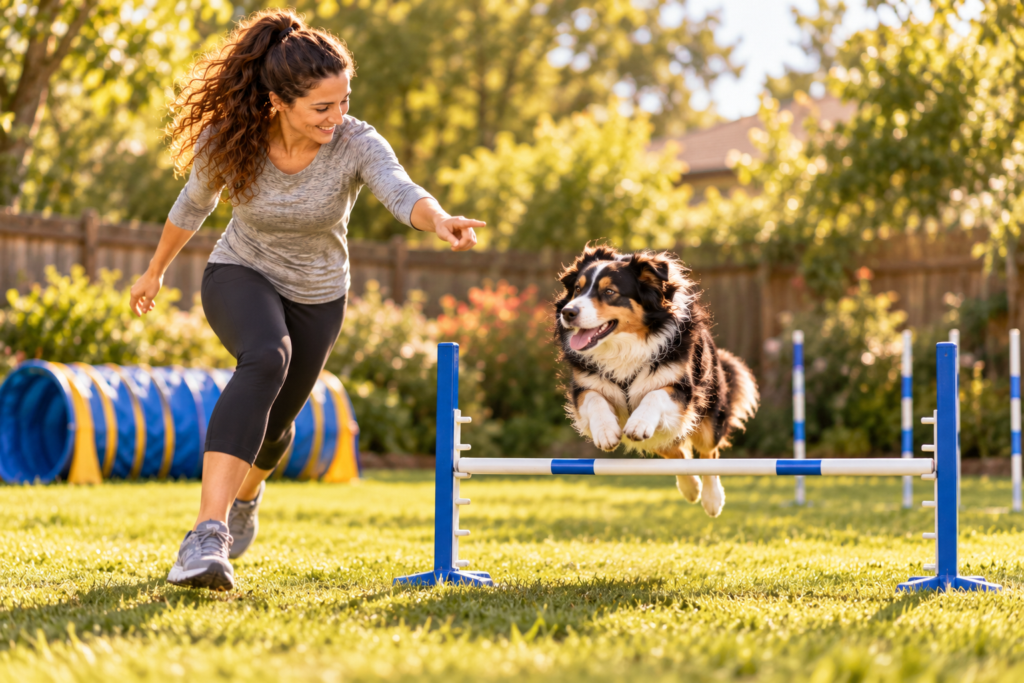
Agility is an obstacle course designed for dogs, featuring jumps, tunnels, weave poles, and ramps. It gives your dog a full-body workout and stimulates their mind, as they need to listen and think quickly. You will also get some exercise by running alongside them. You can participate in a class or club, or create a simple course at home with items like a broomstick across two buckets for jumps or a line of cones for weaving. Keep the jumps low for puppies, senior dogs, and small breeds.
8. Tug of War
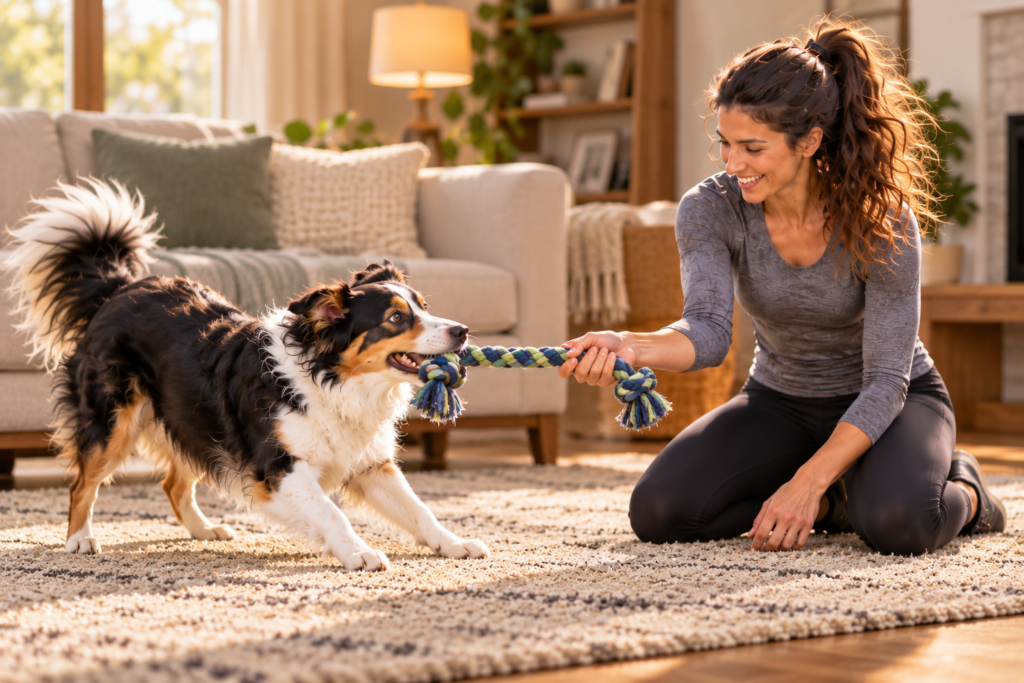
Tug of war is an energetic, fast-paced game that strengthens your dog’s neck, shoulders, and back while also engaging your arms and core. It’s a great indoor activity for burning off excess energy. Use a strong rope or tug toy, keep it near the ground, and pull side to side instead of lifting your dog. Teaching your dog a “drop it” command can keep the game safe. Occasionally letting your dog win can make the game more fun and boost their confidence.
9. Doga, or Dog Yoga
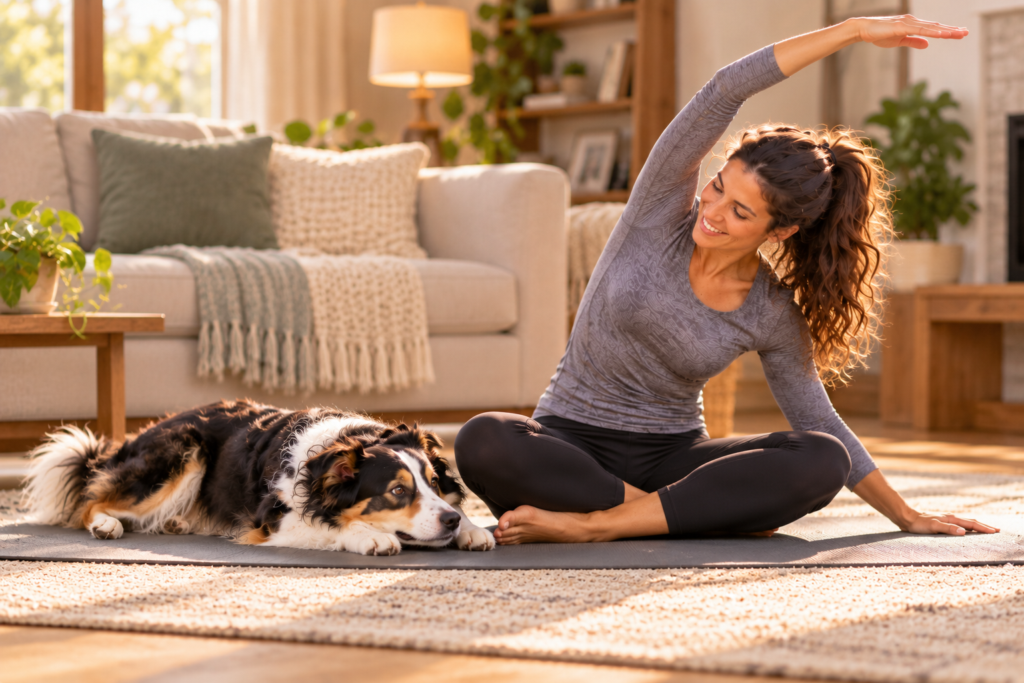
Doga is a form of yoga practiced with your dog, and it’s a real activity. Your dog might simply relax beside you as you stretch, or you can incorporate them gently into your poses, like stretching next to them or having a calm dog rest in your lap during a seated pose. The focus is more on relaxing together than giving your dog a workout, while you still enjoy the benefits of yoga. Many dogs appreciate the peaceful time, making it a pleasant way to relax together after outdoor activity.
10. A Workout With Your Dog
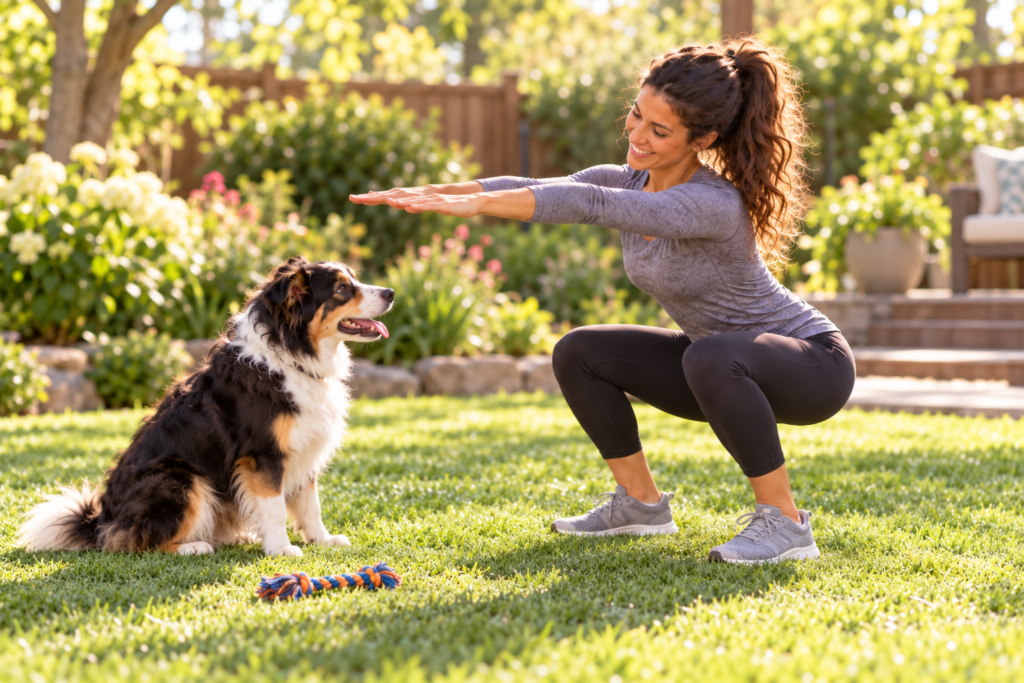
Your dog can add fun to your regular workout. Try doing squats, lunges, or push-ups while your dog practices sitting or lying down between sets. This boosts their training and self-control during your exercise. You can throw a toy between sets, or jog in place and call your dog over across the yard. Running back and forth together provides excellent interval training for both of you.
11. Indoor Games for Bad Weather
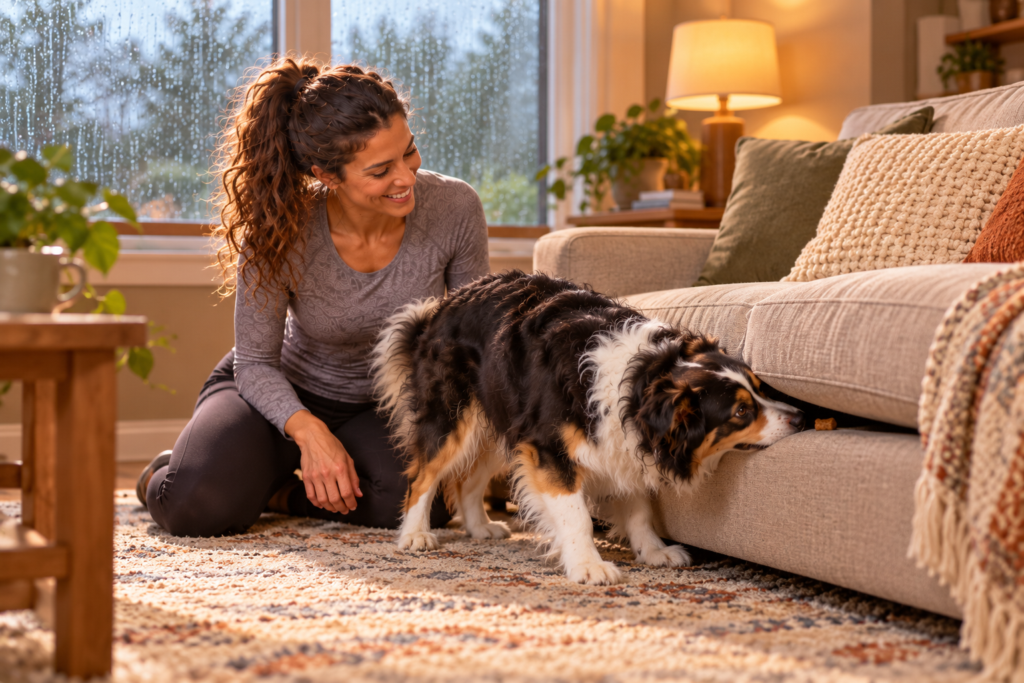
When bad weather confines you indoors, you can still keep your dog active with several fun activities. Play hide-and-seek by having your dog wait while you hide, then calling them to find you. Scatter treats or toys around the house for a nose work game that stimulates your dog mentally. Use a flirt pole, a toy attached to a long stick and string, for quick chasing fun in a hallway or garage. Climbing stairs together can also be great exercise if your dog’s joints are healthy. Additionally, puzzle toys and short training sessions offer vital mental stimulation for your dog.
12. Cold-Weather Adventures
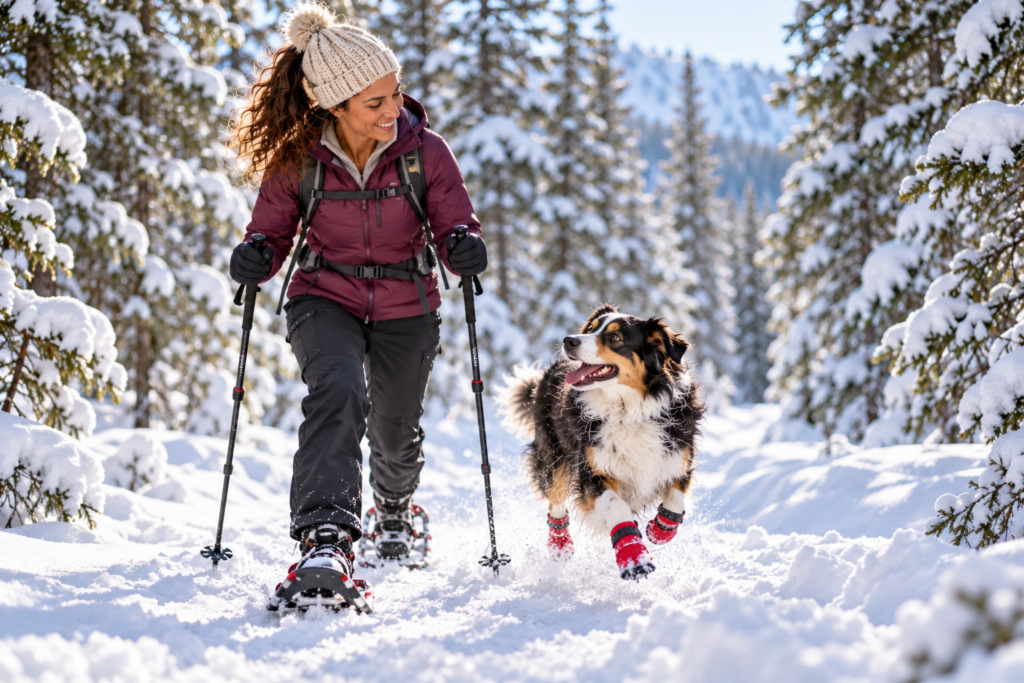
If you live in a snowy region, winter offers new opportunities for fun with your dog. Many dogs love running in the snow, which provides good exercise. Snowshoeing on packed trails can be memorable, and some people try skijoring, where a harnessed dog pulls a skier. To protect your dog’s paws from ice and salt, use booties or paw balm, wipe their feet after walks, and consider a coat for small or short-haired dogs.
Keeping Your Dog Safe
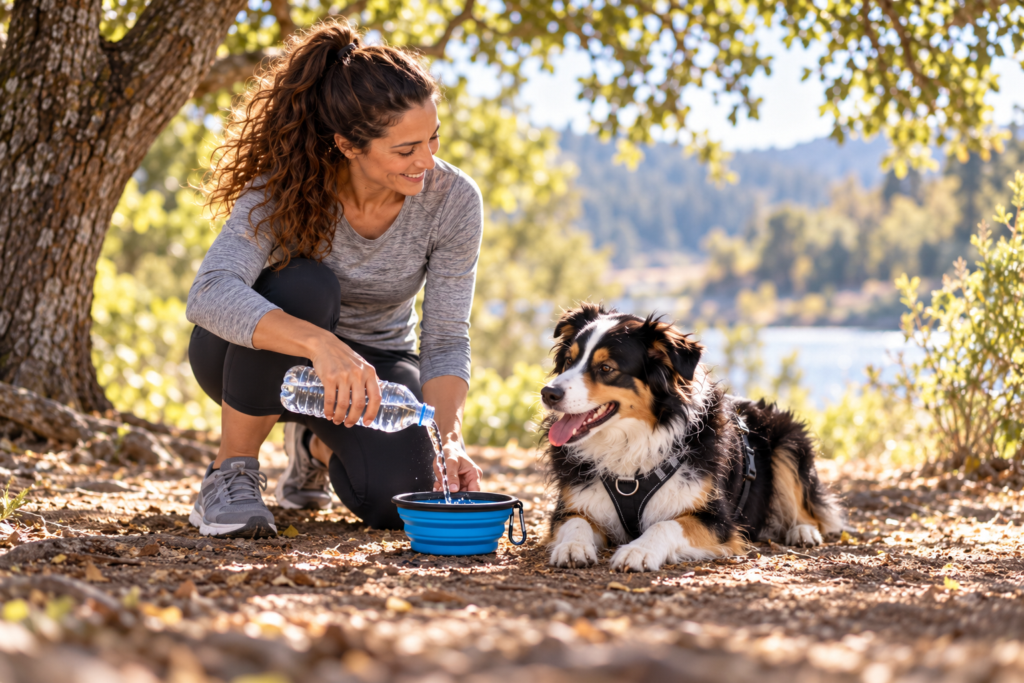
A little planning can make exercising safe and fun for you and your dog, regardless of your location.
- Check with your veterinarian first. Before starting a new or more intense activity, make sure your dog is healthy enough for it.
- Consider your dog’s age. Puppies’ bones and joints are still growing, so avoid long runs, repetitive jumping, and hard surfaces until your veterinarian says they are mature. Senior dogs often do best with gentler, shorter activities such as walking and swimming.
- Know your breed. Flat-faced breeds such as pugs, bulldogs, and boxers overheat quickly and struggle with intense exercise. Small dogs tire faster, and some breeds are built for endurance while others are built for short sprints.
- Watch the heat. Exercise in the cooler parts of the day when it’s warm. Test pavement with the back of your hand for several seconds, and if it is too hot for you, it is too hot for your dog’s paws. Signs of overheating include heavy panting, drooling, bright red gums, weakness, stumbling, or vomiting, and these need prompt cooling and veterinary care.
- Watch the cold. In freezing weather, protect paws from ice and salt, shorten outings for small and short-haired dogs, and watch for shivering or lifting paws.
- Bring water. Carry water and a collapsible bowl for your dog, and drink plenty yourself. How much water should you be drinking covers the human side.
- Build up gradually. Increase distance and intensity slowly, just as you would for yourself.
- Watch for signs of trouble. Limping, lagging behind, reluctance to continue, or soreness the next day mean it is time to rest and scale back.
- Check paws and coat. After outings, look for cuts, burrs, foxtails, and ticks.
Final Thoughts
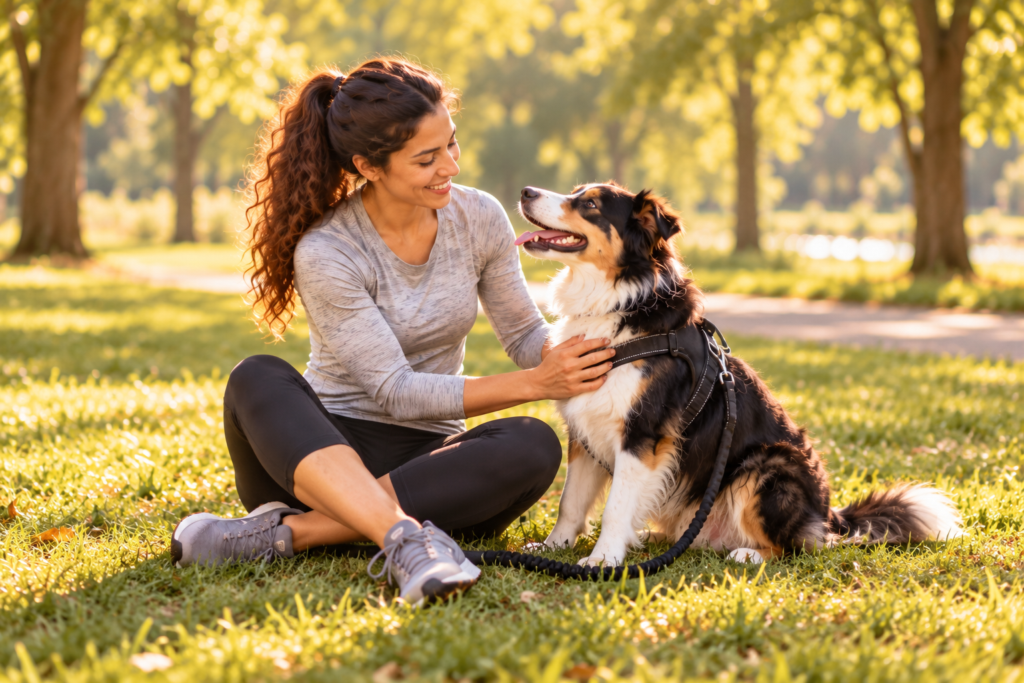
Exercising with your dog is an easy way to make movement a regular and enjoyable part of your life. Your dog will never say they are too busy, and their excitement can help you move even when you don’t feel like it. Try different activities, notice what your dog enjoys and what they can handle, and make the most of your time together. Both of you will be healthier and happier. If you feel sore after starting a new routine, acupressure can help you recover.
Above and Beyond Acupuncture offers acupuncture, cupping, and lifestyle coaching at the North Frank Lloyd Wright Boulevard location in Scottsdale.
Schedule an appointment online to start your healing journey.
About the Publisher
Paul Kerzner, L.Ac., is a licensed acupuncturist and board-certified herbalist, as well as the founder of Above and Beyond Acupuncture in Scottsdale. His own journey from chronic patient to practicing acupuncturist shapes his commitment to providing honest, clinically grounded information about acupuncture and Traditional Chinese Medicine. Learn more about Paul and his clinical approach on the About Us page.