Key Takeaways
- The 5-HTP supplement is derived from L-tryptophan and helps increase serotonin levels, which may improve mood and sleep quality.
- Some studies show promise for depression and anxiety, but research remains limited.
- Safety concerns include serotonin syndrome, eosinophilia-myalgia syndrome, and potential interactions with medications.
- Moderate doses of 5-HTP are generally safe for most people, but individuals on other medications should consult a healthcare provider first.
- 5-HTP should not replace professional medical treatment for serious conditions like depression or persistent sleep issues.

5-HTP, short for 5-hydroxytryptophan, is a popular over-the-counter supplement used to support mood, sleep, and appetite. You can find it in most vitamin stores, usually priced between $10 and $20 per bottle. Many people turn to it for natural support for depression, anxiety, or insomnia. While some research supports it, the evidence is not as strong as the marketing suggests, and the safety risks are greater than many people realize.
This article explains what 5-HTP is, how it functions in your body, what research indicates about it, and key safety considerations before trying it.
What is 5-HTP and How Does it Function?

5-HTP is derived from L-tryptophan, an amino acid essential for protein synthesis and brain chemistry. Your body naturally produces 5-HTP through the enzyme tryptophan hydroxylase, which converts tryptophan into 5-HTP. Next, 5-HTP is converted into serotonin, a neurochemical that influences mood, sleep, appetite, and other functions.
5-HTP is marketed as a supplement rather than serotonin because oral serotonin cannot cross the blood-brain barrier. In contrast, 5-HTP can cross the blood-brain barrier and is then converted into serotonin, allowing it to influence mood and sleep.
An enzyme called L-aromatic amino acid decarboxylase converts 5-HTP into serotonin. If this enzyme functions properly, taking 5-HTP supplements will usually increase serotonin levels in the brain.
Where Does 5-HTP Come From?

Most commercial 5-HTP comes from the seeds of Griffonia simplicifolia, a plant found in West and Central Africa. These seeds have a lot of 5-HTP, which is extracted and made into pills for supplements.
You can also obtain some 5-HTP by consuming foods rich in tryptophan, such as turkey, dairy, eggs, nuts, seeds, and certain greens. However, your body converts tryptophan from food into 5-HTP much more slowly and less consistently than using a supplement. If you’re aiming for a significant impact on mood or sleep, relying solely on food probably won’t significantly raise serotonin levels.
What the Research Shows

Most clinical studies on 5-HTP have focused on its impact on depression, anxiety, sleep, and appetite.
Several small studies indicate that 5-HTP may alleviate depression similarly to standard antidepressants, though research is limited compared to prescription medications. The most notable study showed roughly 43 percent of participants experienced fewer depression symptoms. Although encouraging, the study had limitations, and the overall evidence remains inconclusive.
Research on 5-HTP for anxiety is promising but not yet conclusive. Some studies indicate it can alleviate anxiety symptoms, though the results vary and are not consistently strong.
Some evidence suggests that 5-HTP may help people fall asleep more quickly and enhance sleep quality, likely because serotonin is converted into melatonin. Although research is limited, it aligns with scientists’ understanding of its mechanism.
One study found that higher 5-HTP levels were linked to feeling fuller and having a lower BMI in overweight women. This is probably because serotonin helps signal when you are full. This result has made 5-HTP popular for weight management, but it should not be used as the only solution.
In summary, 5-HTP appears promising across several areas; however, the lack of large, high-quality studies prevents it from being a primary treatment for any condition.
Dosage Considerations

5-HTP is typically available in 50 mg or 100 mg capsules. Most research has employed daily doses ranging from 50 to 300 mg, usually divided into two or three doses with meals. Doses above this range may increase the risk of side effects.
If you’re considering trying 5-HTP, it’s best to begin with 50 to 100 mg daily and only increase if necessary. Taking higher doses doesn’t necessarily improve results and may lead to more stomach issues.
Important Safety Considerations

Most consumer information tends to overlook safety, yet it is the most crucial aspect to consider before using 5-HTP.
- Serotonin syndrome: 5-HTP increases serotonin production. Combining it with other substances that also increase serotonin can produce serotonin syndrome, a potentially serious condition characterized by agitation, rapid heart rate, elevated blood pressure, sweating, muscle rigidity, and altered mental status. The substances most likely to interact with 5-HTP in this way include selective serotonin reuptake inhibitors (SSRIs) such as Prozac, Zoloft, and Lexapro, serotonin-norepinephrine reuptake inhibitors (SNRIs) such as Cymbalta and Effexor, monoamine oxidase inhibitors (MAOIs), tramadol, certain migraine medications called triptans, and St. John’s Wort. Anyone taking any of these medications should not use 5-HTP without explicit medical supervision.
- Eosinophilia-myalgia syndrome: EMS is a serious condition that produces extreme muscle pain, fatigue, and blood abnormalities. A large outbreak of EMS in 1989 was traced to contaminated L-tryptophan from a single manufacturer. While the cause was contamination rather than tryptophan or 5-HTP itself, the concern has persisted, and supplement quality remains important. Choosing reputable brands with third-party testing is the most practical risk-reduction step.
- Pregnancy and breastfeeding: 5-HTP has not been adequately studied in pregnant or breastfeeding women, and most clinical sources recommend avoiding it during these periods.
- Children: The safety of 5-HTP in children has not been established. It should not be given to children except under direct medical supervision.
- Surgery: Many surgeons recommend discontinuing 5-HTP at least two weeks before any scheduled surgery due to potential interactions with anesthetics and other perioperative medications.
- Other common side effects: Stomach pain, heartburn, diarrhea, drowsiness, and nausea are reported by some users, particularly at higher doses. Taking 5-HTP with food often reduces gastrointestinal side effects.
Final Considerations

5-HTP is readily available and has some credible, though limited, evidence supporting its benefits for mood, sleep, and appetite. For individuals not using other serotonin-related drugs and not belonging to the special groups mentioned earlier, it appears to be relatively safe when taken at moderate doses.
5-HTP should not replace seeing a healthcare professional for depression, anxiety, or persistent sleep problems. If you have persistent symptoms, it is important to get a proper medical evaluation rather than trying to treat yourself with supplements. Anyone considering 5-HTP, especially if already taking prescription medications, should talk to their healthcare provider first.
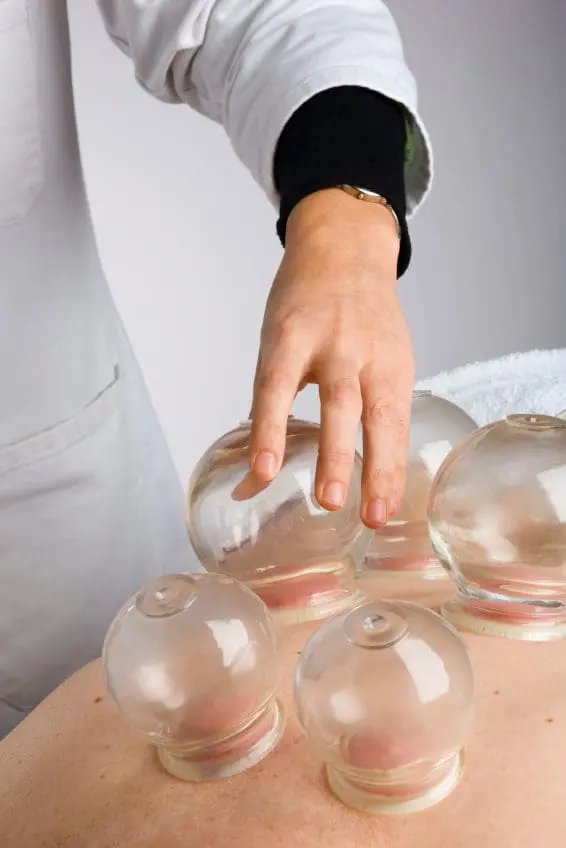
Above and Beyond Acupuncture offers acupuncture, cupping, and lifestyle coaching at the North Frank Lloyd Wright Boulevard location in Scottsdale.
Schedule an appointment online to start your healing journey.

About the Publisher
Paul Kerzner, L.Ac., is a licensed acupuncturist and board-certified herbalist, as well as the founder of Above and Beyond Acupuncture in Scottsdale. His own journey from chronic patient to practicing acupuncturist shapes his commitment to providing honest, clinically grounded information about acupuncture and Traditional Chinese Medicine. Learn more about Paul and his clinical approach on the About Us page.