Key Takeaways
- Meditation calms the mind and body, promoting rest and balance in our hectic lives.
- It enhances focus, reduces stress and anxiety, and improves emotional resilience.
- Regular practice helps maintain a lower stress baseline and fosters better sleep and mood stability.
- Meditation complements Traditional Chinese Medicine by promoting the free flow of Qi and calming the nervous system.
- Starting small with consistent practice is key to experiencing the benefits of meditation.
Life in the modern age is almost never quiet.
The constant flow of information, notifications, requests, and noise keeps the mind engaged in analysis and thought, leaving little room for true rest between waking and sleeping. When the mind remains restless, the body also struggles to settle and has difficulty resting, repairing, and renewing itself properly.
Meditation is one of the simplest and most effective ways to restore balance, as it helps calm the mind and encourages the body to relax. Used for thousands of years, meditation requires no cost and can be practiced anywhere. Modern research has validated the long-held beliefs of various traditions by demonstrating clear, measurable benefits for both mind and body. +
This article explores what meditation is, its effects, and how to begin practicing it.
What is Meditation?
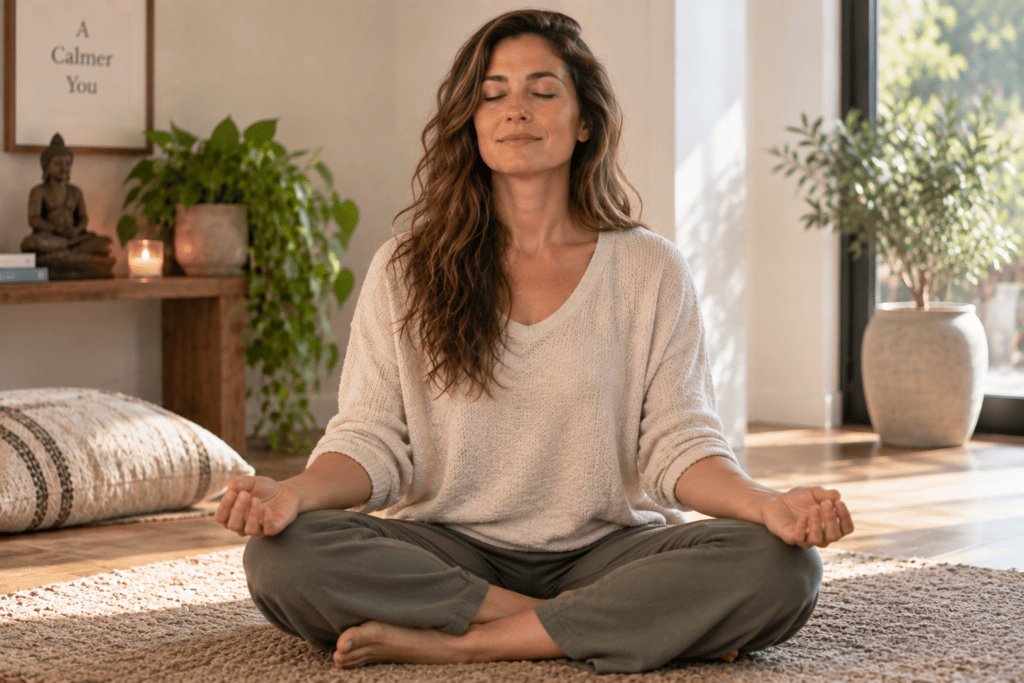
Meditation isn’t just one technique, but a variety of practices aimed at enhancing focus and achieving a peaceful, clear state of mind. Some techniques involve complete stillness, while others incorporate gentle movement.
Methods might concentrate on your breath, a particular word or phrase, bodily sensations, calming imagery, or being fully present. The key idea is gently calming a restless mind and consistently redirecting focus to a selected point. It’s important to understand that meditation doesn’t mean blanking your mind or stopping thoughts, as that’s not how it operates. Instead, it involves changing how you relate to your thoughts, noticing them without engaging, and this ability gets better with practice.
How Does Meditation Help the Mind and Body?
Meditation primarily calms the nervous system. In today’s world, the body often remains in a low-level stress state, activating the sympathetic ‘fight-or-flight’ response. Through regular practice, meditation shifts the body into the parasympathetic ‘rest-and-digest’ mode, during which the heart rate slows, breathing deepens, and the body can repair itself. The more consistently one meditates, the lower their baseline stress levels become.
Research shows a clear link between meditation and reduced stress and anxiety, lower blood pressure, better sleep, enhanced focus, mental clarity, and a greater emotional balance and resilience. Brain imaging studies indicate that regular meditation can bring about physical changes in brain areas responsible for attention, emotional regulation, and the stress response. These benefits extend beyond mental health, as a calmer nervous system also lessens physical stress symptoms like muscle tension, headaches, digestive issues, and weakened immunity.
People often notice better sleep and feeling more rested when they meditate regularly. Their mood usually becomes calmer and more stable, with less reactivity to stress. Many also find it easier to think clearly and concentrate, experiencing less tension and body pain. Meditation can help you stay grounded during tough times. No special equipment or beliefs are needed, just a little time and consistent practice.
Meditation and Traditional Chinese Medicine
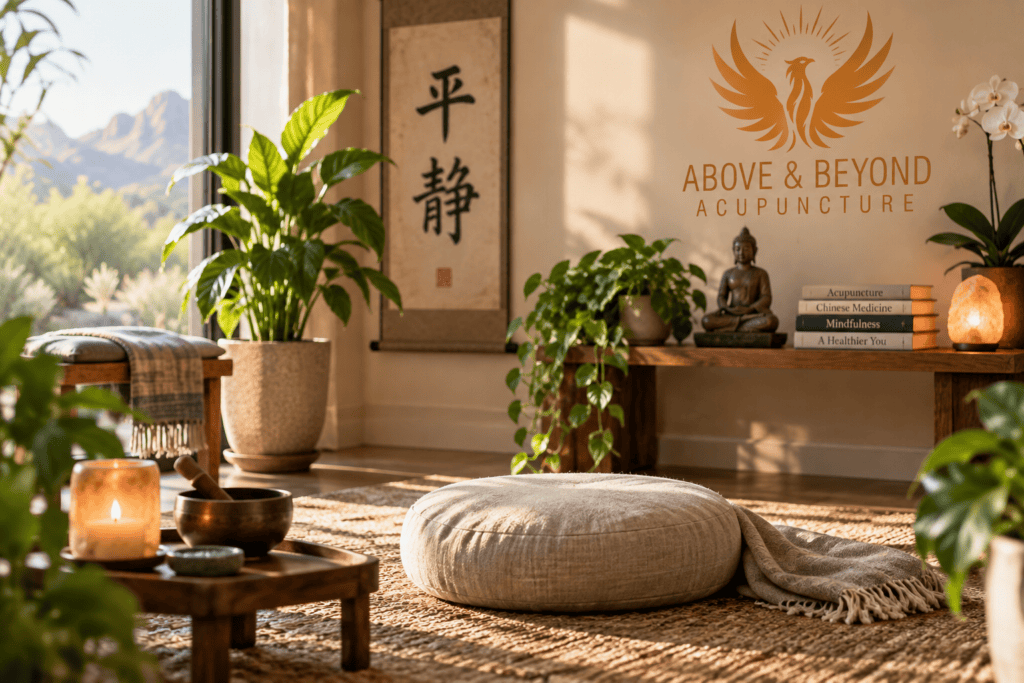
Meditation and Traditional Chinese Medicine share a deep, long-standing connection because both hold that the mind and body are inseparable and that the condition of one affects the other. In Chinese medicine, the mind and spirit, known as the Shen, reside in the Heart. A peaceful Shen forms the basis of good health, clear thinking, and restful sleep, whereas a restless, disturbed Shen disrupts the entire system. One of the most effective ways to calm the Shen and soothe the mind is meditation. It also helps ensure the free flow of Qi throughout the body, as stress and tension obstruct that flow, which is exactly the kind of stagnation that acupuncture is designed to relieve.
That is why meditation and acupuncture go so well together: both calm an overactive nervous system, settle the spirit, and restore the smooth flow stress disrupts. Many people find that engaging in a meditation practice enhances the benefits of their acupuncture treatment and helps those benefits last between visits.
How to Begin a Meditation Practice
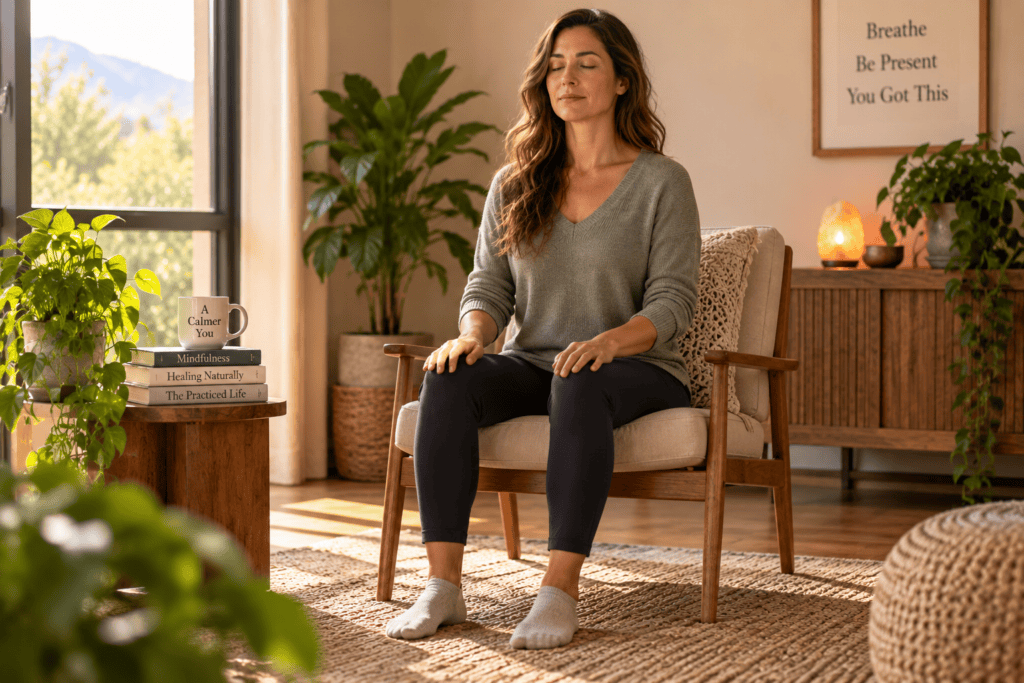
The most effective meditation is the one you practice regularly, so start small and keep it straightforward rather than striving for perfection. Even a few minutes each day, done consistently, is far more beneficial than infrequent, lengthy sessions.
- Start with just five to ten minutes, ideally at the same time each day, such as first thing in the morning, which helps it become a habit.
- Sit comfortably, either on a chair with the feet flat on the floor or cross-legged on the floor, with the back reasonably upright and the eyes gently closed or softly lowered.
- Bring the attention to the breath, breathing slowly and naturally, and simply notice each breath in and out.
- When thoughts arise, and they will, do not fight them or judge yourself for having them. Notice the thought, acknowledge it, and gently return the attention to the breath. This returning, again and again, is the practice itself, not a failure of it.
- Let the length be flexible. Some days a longer sit will feel easy, and other days a couple of minutes is all there is, and that is fine, since the consistency matters more than the length. Two minutes of meditation is better than none.
Many people find guided meditations, apps, classes, or breathing techniques useful when starting out, and since there is no single correct method, it’s beneficial to try different approaches until you find one that feels natural and sustainable for you. The aim isn’t to be a perfect meditator but to regularly give your mind and body a break from the noise.
A Practice Worth Keeping

Meditation is a simple, accessible practice that offers real benefits for the mind and body and requires only a few minutes and consistent effort.
Whether you’re new to meditation or returning to it, the key is consistency rather than perfection. Starting slowly and staying committed makes meditation one of the most valuable habits for cultivating a calmer mind, a more relaxed body, and a steadier way of handling a hectic world. It complements practices like acupuncture and other methods that support a balanced nervous system, all of which contribute to the body’s natural healing capabilities.
Above and Beyond Acupuncture offers acupuncture, cupping, and lifestyle coaching at the North Frank Lloyd Wright Boulevard location in Scottsdale.
Schedule an appointment online to start your healing journey.

About the Publisher
Paul Kerzner, L.Ac., is a licensed acupuncturist and board-certified herbalist, as well as the founder of Above and Beyond Acupuncture in Scottsdale. His own journey from chronic patient to practicing acupuncturist shapes his commitment to providing honest, clinically grounded information about acupuncture and Traditional Chinese Medicine. Learn more about Paul and his clinical approach on the About Us page.