Key Takeaways
- Many people suffer from seasonal allergies, which cause symptoms that interfere with outdoor activities.
- Traditional Chinese Medicine (TCM) considers allergies a sign of weakened protective Qi (energy), and acupuncture can be used to help strengthen it.
- Acupuncture for allergies can provide lasting relief and enhance quality of life, though it typically requires several sessions to achieve noticeable benefits.
- Integrating acupuncture with Chinese herbal formulas improves results, as tailored formulas address specific allergy requirements.
- Taking preventive measures before allergy season can boost immune defenses and lessen symptom severity when peaks occur.

Do allergies keep you from enjoying the best weather of the year?
In Scottsdale and Phoenix, the best times for hiking, patio dinners, and outdoor activities often coincide with severe allergy symptoms. Sneezing, congestion, and itchy, watery eyes can appear just when you want to enjoy being outside. Allergies are quite common, affecting roughly a quarter of American adults, and for many, they return each season despite using numerous medications.
I understand this challenge because I’ve faced it personally. For years, I endured severe allergies during spring and fall. OTC medicines provided only short-term relief and sometimes led to side effects. When I turned to acupuncture and Chinese herbs, my allergies markedly improved. Even during flare-ups, I could quickly manage the symptoms with Traditional Chinese Medicine. This personal experience shapes my approach to allergy treatment and reinforces my trust in this method.
What is an Allergy?
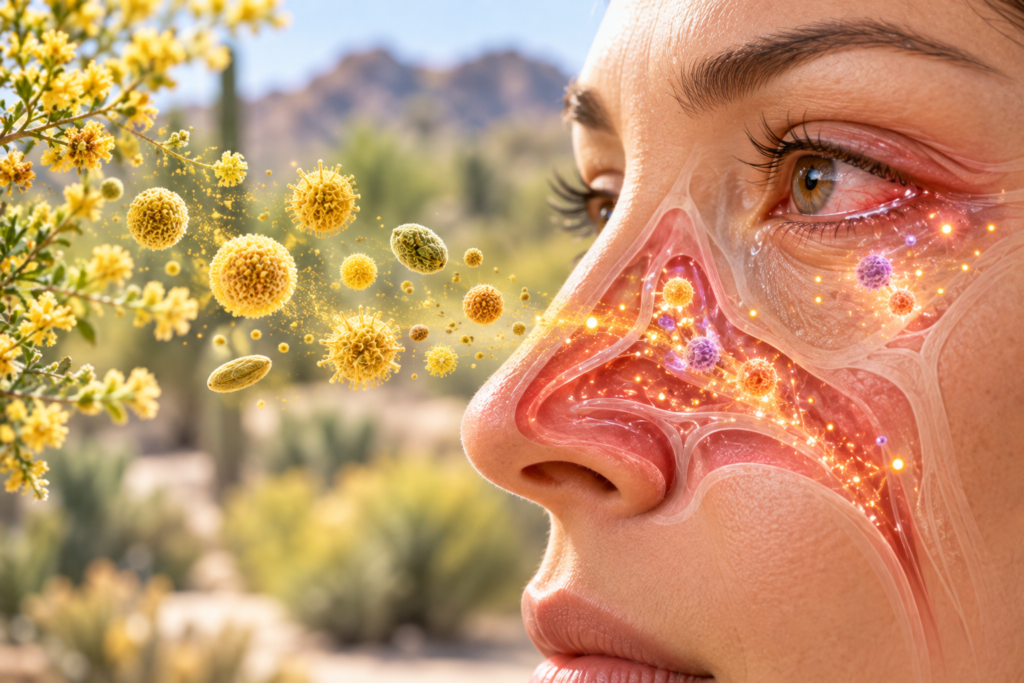
Allergies happen when your immune system mistakenly sees harmless things like pollen, dust mites, mold, or pet dander as threats. It responds by making antibodies that remain alert for these substances. When you encounter them again, these antibodies release histamine and other chemicals, causing symptoms like sneezing, a runny or stuffy nose, postnasal drip, a sore or itchy throat, coughing, itchy or watery eyes, and dark circles under the eyes, known as allergic shiners. Allergies can also cause fatigue, mental fog, and sleep problems, making them more disruptive than just “hay fever” usually suggests.
Allergy Season in the Valley

Living in the desert doesn’t mean you’re immune to allergies. In fact, Phoenix has some of the longest allergy seasons in the U.S. During spring, trees like olive, mulberry, and mesquite produce pollen. Bermuda grass pollinates most warm months, while weeds such as ragweed extend into fall. Mild winters offer a brief respite, but many people still react nearly year-round. Dry air increases nasal sensitivity, and dust storms during monsoon season add more irritants. For many Valley residents, allergies are a constant problem, underscoring the importance of addressing root causes rather than just symptoms.
Why Medications Only Go So Far

Antihistamines, decongestants, and nasal sprays can be helpful for many. If they provide relief, there’s usually no reason not to use them. However, they only treat symptoms and do not address the underlying cause of your body’s reactions, which is why symptoms often come back after the medication wears off. Many of these drugs may cause side effects such as drowsiness, dry mouth and eyes, dizziness, upset stomach, or, in the case of decongestants, jitteriness and sleep issues. Overusing nasal decongestant sprays for more than a few days can even worsen congestion.
For longer-lasting relief with fewer side effects, or if medications aren’t enough, acupuncture and Chinese herbs can be effective alternatives. These treatments can complement your current medications.
How Traditional Chinese Medicine Views Allergies

In Traditional Chinese Medicine (TCM), allergies indicate a weakened state of Wei Qi, the body’s protective energy. This energy functions at the body’s surface to guard against external factors. The Lung, which governs Wei Qi, is linked to the nose; when both are weakened, external influences, called wind in TCM, can enter through the nose and eyes, causing symptoms like sneezing, itching, and a runny nose. The Spleen also plays a key role, as its weakness can lead to dampness and phlegm buildup, resulting in congestion, postnasal drip, and a heavy, foggy head. For chronic allergy sufferers, the Kidney, seen as the body’s foundation of defense, may also be involved.
A licensed acupuncturist will assess your pattern and develop a treatment plan to ease symptoms and strengthen your body’s defenses.
How Acupuncture Helps
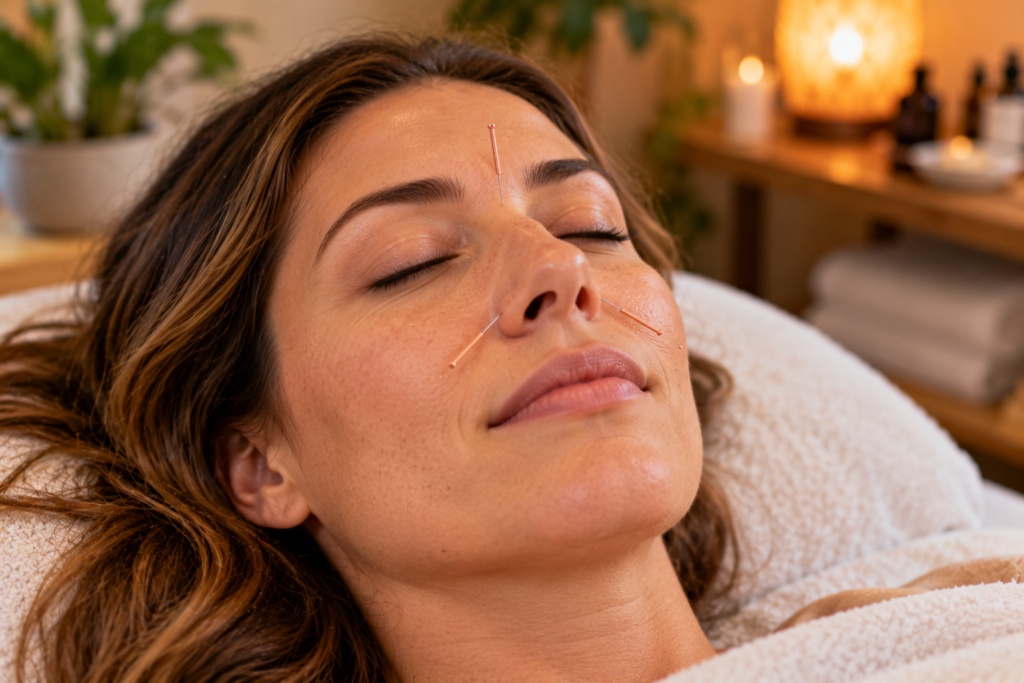
Acupuncture eases allergies mainly through two mechanisms. Initially, it can clear nasal passages, reduce sinus pressure, and soothe itchy, watery eyes; many patients notice relief during or soon after a session. With ongoing treatment, acupuncture addresses the root causes of your body’s hypersensitivity. In Chinese medicine, it is believed to strengthen the Lung, Spleen, and defensive Qi, helping the body respond less strongly. Modern research indicates acupuncture might help regulate the immune system and decrease inflammation associated with allergy symptoms. It also calms the nervous system, which is beneficial since stress can intensify allergies. The treatment involves stimulating points around the nose, face, hands, arms, and legs to support lung and immune function.
What the Research Shows

Extensive research supports acupuncture as an effective treatment for seasonal allergies.
A significant randomized trial in the Annals of Internal Medicine showed that individuals with seasonal allergic rhinitis experienced improved quality of life and used fewer antihistamines when receiving acupuncture compared to those undergoing sham treatment or only medication. The American Academy of Otolaryngology includes acupuncture as a viable option for patients seeking non-drug alternatives. This is especially meaningful for a condition often managed with daily medication.
Chinese Herbs for Allergies
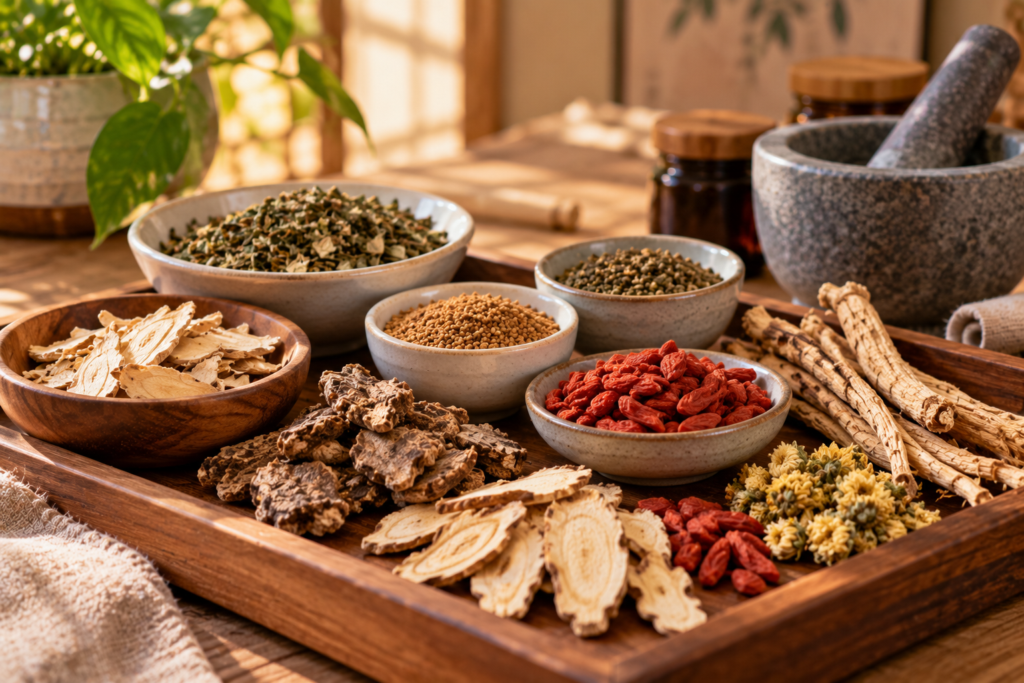
Chinese herbal medicine complements acupuncture effectively for allergies, with lasting benefits often stemming from daily herb intake that continues to work between treatments. Practitioners select classical formulas based on individual needs. For example, Jade Windscreen strengthens the body’s defenses to reduce reactions, while other formulas ease nasal congestion and help clear the nose during flare-ups. Herbal recommendations are tailored for each patient, and medications are reviewed to ensure the herbs are safe.
Start Treatment Before Your Season

In Traditional Chinese Medicine, it is advisable to start treatment before allergy symptoms develop. If allergies tend to worsen in spring or fall, initiating acupuncture and herbal remedies six weeks prior can strengthen your immune system and lessen symptoms. Many patients schedule treatments in advance of difficult seasons and visit as necessary during flare-ups. Even after the season begins, acupuncture can offer prompt relief and help you manage the remaining period more comfortably.
What to Expect From Treatment

During the first visit, the focus is on symptoms, triggers, allergy severity, and overall health, including sleep, digestion, and stress factors that affect bodily reactions. Treatment usually involves several sessions, often weekly at the beginning, with many patients experiencing easier breathing and fewer symptoms after the first few visits. Acupuncture is gentle and typically very calming.
What You Can Do at Home

A few daily habits reduce your allergen load and help treatment work even better.
- Rinse your nasal passages with a saline solution, especially after time outdoors, to clear pollen and ease dryness.
- Shower and change clothes after outdoor activities during high-pollen days, and wash bedding weekly in hot water.
- On days with high pollen or strong winds, keep windows shut and use air conditioning equipped with a good filter or a HEPA purifier indoors.
- Check local pollen forecasts and schedule outdoor activities for times when pollen levels are lower.
- Wear a mask when dust storms occur or when working in the yard.
- Keep yourself well hydrated, as dry air and dehydration can thicken mucus and irritate your nose.
When to See a Doctor

Call emergency services immediately if you experience a severe allergic reaction, such as swelling of the lips, tongue, face, or throat; difficulty breathing; widespread hives; dizziness; or fainting after exposure to food, a sting, or medication. Seek medical care if you notice wheezing, chest tightness, or shortness of breath, as these may signal allergy-related asthma.
See a doctor if you experience facial pain, thick or discolored mucus, and fever, as these may suggest a sinus infection. If your allergies are severe or not well-controlled, contact a healthcare provider. Allergy testing can pinpoint specific triggers, and your doctor can talk about treatment options, including immunotherapy.
Above and Beyond Acupuncture offers acupuncture, cupping, and lifestyle coaching at the North Frank Lloyd Wright Boulevard location in Scottsdale.
Schedule an appointment online to start your healing journey.

About the Publisher
Paul Kerzner, L.Ac., is a licensed acupuncturist and board-certified herbalist, as well as the founder of Above and Beyond Acupuncture in Scottsdale. His own journey from chronic patient to practicing acupuncturist shapes his commitment to providing honest, clinically grounded information about acupuncture and Traditional Chinese Medicine. Learn more about Paul and his clinical approach on the About Us page.