Key Takeaways
- Stress negatively impacts mental and physical health, often causing tension, sleep issues, and fatigue.
- Research suggests that acupuncture can decrease stress by modulating the nervous system and reducing cortisol levels.
- Acupuncture balances the autonomic nervous system, shifting from sympathetic overdrive to a calmer state.
- Regular sessions of acupuncture generally provide better stress relief than a single treatment, enhancing relaxation and calmness.
- Seek additional support if stress becomes severe, but acupuncture can effectively manage everyday stress alongside other techniques.
When you’re stressed, your mind may race, and it can be hard to quiet that mental activity. You might notice tension in your shoulders and jaw, trouble sleeping, gastrointestinal discomfort, and a persistent, hard-to-release sense of agitation. It’s normal to experience stress occasionally; in fact, it can sometimes be beneficial. When stress persists, it can affect both mental and physical health.
Many people seeking ways to relieve stress wonder whether acupuncture could be a good alternative to medication. Studies show it can provide natural, holistic relief. Acupuncture targets the nervous system and helps balance stress hormones that contribute to tension throughout the body.
This article examines how stress affects us, how acupuncture may help, and what current research indicates.
What Does Stress Do to the Body?
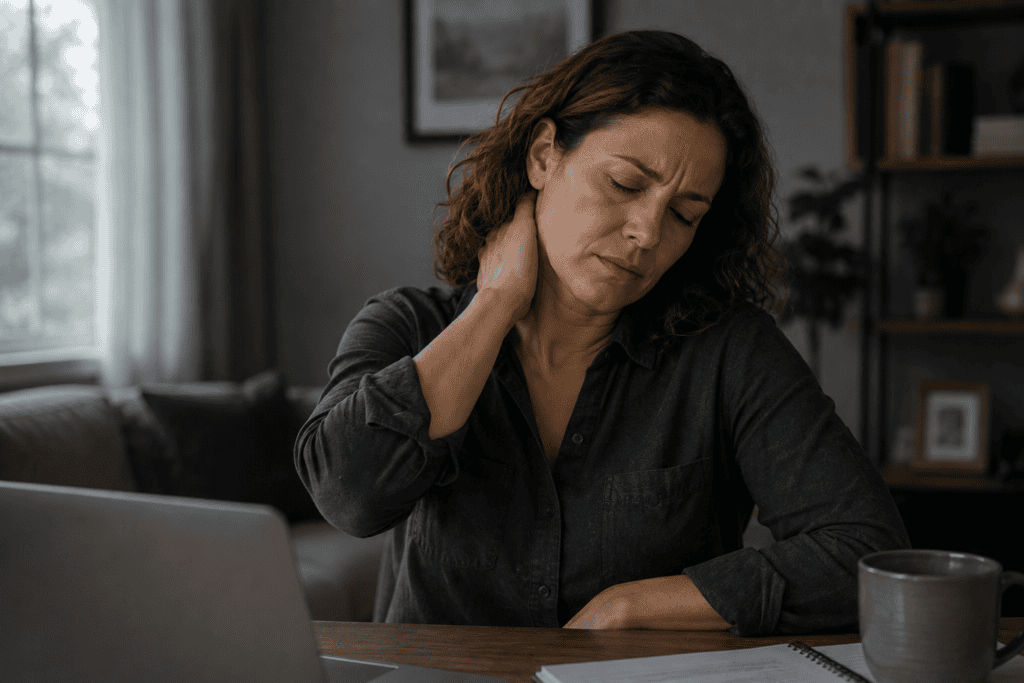
Stress is how the body reacts to perceived threats, triggering the fight-or-flight response developed for danger. When faced with danger, stress hormones like cortisol and adrenaline flood the body, enhancing focus, increasing heart rate, and readying you to act. This reaction is designed to be brief and then stop. However, in modern life, this switch often remains on. Ongoing issues such as overflowing emails, financial worries, long commutes, or strained relationships can keep the body in a constant state of alert for weeks or months. The brain responds to this persistent stress much like it would to physical danger.
Living in that state can be very taxing. Persistent stress raises cortisol levels and leaves the nervous system in constant overdrive, resulting in fatigue, muscle tension, pain, headaches, insomnia, digestive issues, irritability, and a lowered immune response. Over time, chronic stress can adversely affect heart health, mood, and immune function. Therefore, reducing stress isn’t just about feeling calmer now but also about safeguarding the body from the long-term effects of continuous activation.
How Does Acupuncture Ease Stress?
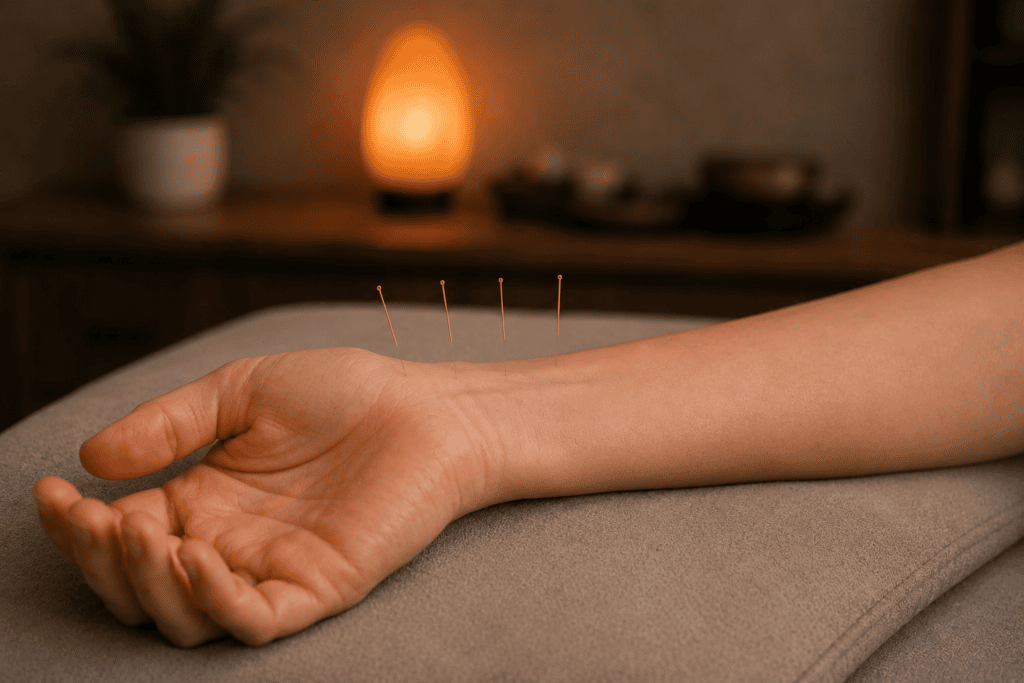
Acupuncture addresses stress by targeting the nervous system, where chronic stress resides. The autonomic nervous system has two parts: the sympathetic side, responsible for fight-or-flight responses, and the parasympathetic side, which manages rest and healing. When stressed chronically, the body remains in sympathetic overdrive. Acupuncture effectively helps shift the balance toward the parasympathetic side, explaining why many people experience a profound, almost weighty sense of calm during and after treatments.
Research indicates that acupuncture influences stress-related effects by helping regulate the HPA axis, the body’s central stress response system, and lowering cortisol levels, the primary stress hormone. It also affects brain activity in emotional centers, calming the amygdala, the brain’s alarm system, and influencing the body’s production of natural feel-good chemicals like endorphins and serotonin. These combined effects may explain patients’ reports of a quieter mind, a relaxed body, improved sleep, and relief from constant tension. Since chronically elevated cortisol significantly contributes to stress’s physical toll, reducing its levels is a key way acupuncture provides relief.
What Does the Research Show?

Evidence supporting acupuncture for stress-related issues has grown considerably and looks promising. Systematic reviews of controlled trials show that acupuncture can effectively lessen anxiety symptoms, while studies measuring stress markers indicate it reduces cortisol levels and helps calm the nervous system. Brain imaging studies also confirm these effects are real physiological changes, showing measurable shifts in the brain’s emotional regions after treatment. However, trial quality varies, and because stress is difficult to measure precisely, these findings should be seen as promising and consistent rather than definitive.
Overall, acupuncture remains a legitimate, low-risk option for relieving stress, supported by growing research and its long-standing history of use.
How Does Traditional Chinese Medicine View Stress?

Traditional Chinese Medicine views the mind and body as interconnected, which aligns with the concept of stress, where mental strain and physical symptoms often coexist. In this system, stress frequently obstructs the flow of Qi, especially affecting the Liver, which governs the smooth movement of energy within the body. When stress disrupts this flow, it can cause tension, irritability, and a wound-up feeling, often leading to headaches, digestive issues, poor sleep, and racing thoughts. An acupuncturist doesn’t treat the anxious mind and tense stomach as separate issues; they see them as related expressions of the same imbalance.
The goal of treatment is to restore smooth energy flow and re-establish overall balance. This perspective mirrors recent scientific understanding of how to calm an overactive nervous system.
What to Expect From Acupuncture Treatment

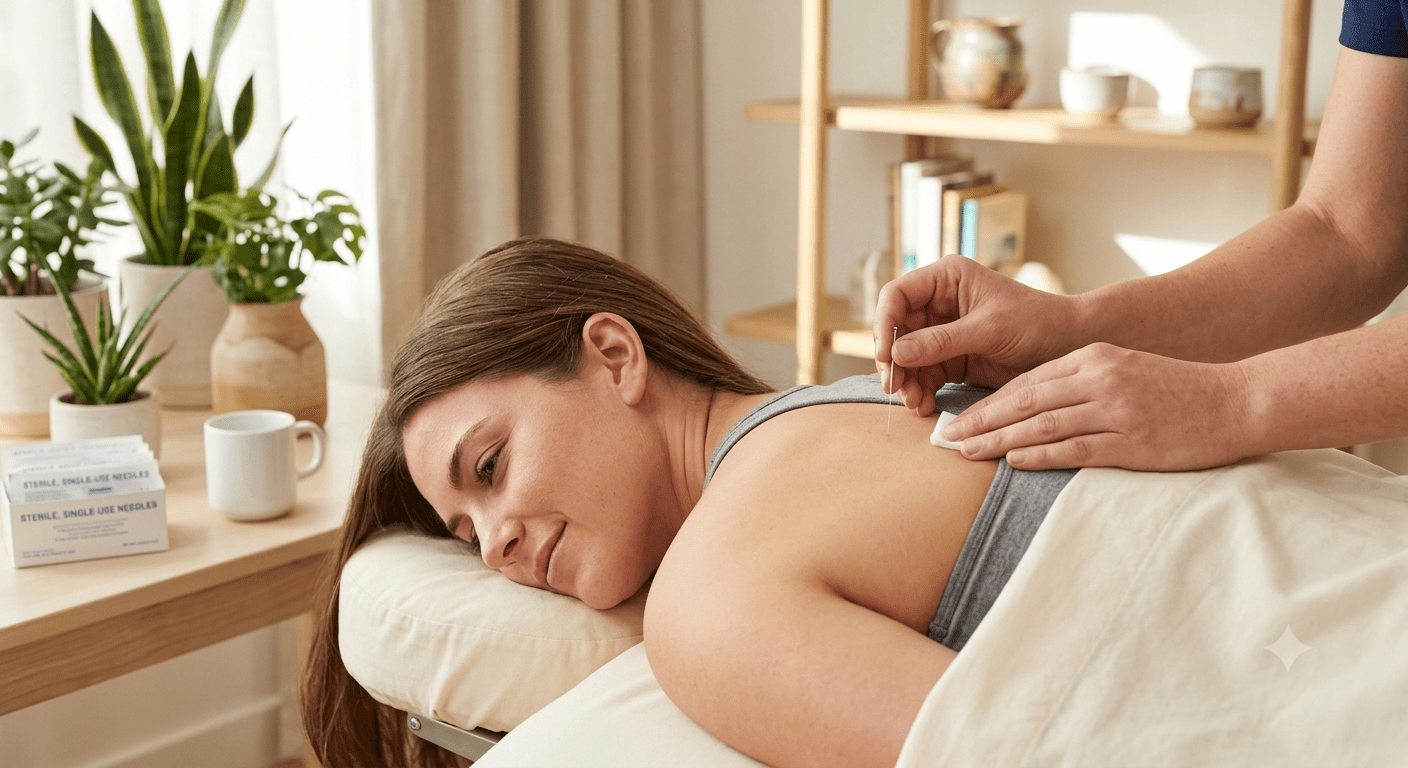
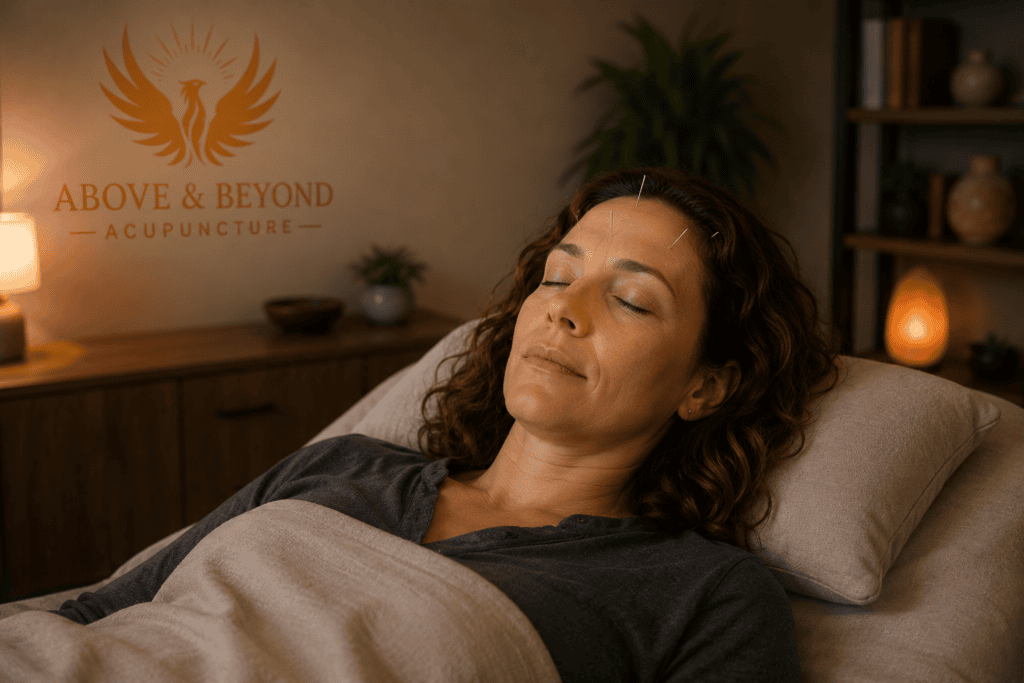
Stress usually responds better to a series of acupuncture sessions than to a single treatment. Many people notice a significant sense of calm after the first visit. Treatments are typically scheduled weekly at the start, with the calming effects gradually building and lasting longer over time. During each session, most individuals relax deeply while lying comfortably with fine needles for about thirty minutes, often entering a peaceful, meditative state that enhances the treatment’s effectiveness.
Acupuncture works well alongside other stress-relief techniques like cupping and lifestyle coaching, addressing stress from multiple angles. When integrated into a comprehensive stress management plan, along with adequate sleep, regular physical activity, and healthy daily habits, it helps prevent the nervous system from becoming overstressed.
When to Seek Additional Support

Acupuncture can effectively help manage everyday stress and can be a valuable addition during more intense stress and anxiety episodes. If stress or anxiety becomes severe, persistent, or starts affecting your work, relationships, sleep, or daily functioning, it’s important to consult a doctor or mental health professional. Remember, anxiety disorders and depression are common and highly treatable with approaches like therapy and medication when necessary. Acupuncture can complement these treatments but should not replace them.
If you ever feel overwhelmed or have thoughts of self-harm, please seek help immediately by calling or texting the 988 Suicide and Crisis Lifeline, available any time. Reaching out for support is a courageous and positive step.
Above and Beyond Acupuncture offers acupuncture, cupping, and lifestyle coaching at the North Frank Lloyd Wright Boulevard location in Scottsdale.
Schedule an appointment online or call us today to start your healing journey.

About the Publisher
Paul Kerzner, L.Ac., is a licensed acupuncturist and board-certified herbalist, as well as the founder of Above and Beyond Acupuncture in Scottsdale. His own journey from chronic patient to practicing acupuncturist shapes his commitment to providing honest, clinically grounded information about acupuncture and Traditional Chinese Medicine. Learn more about Paul and his clinical approach on the About Us page.