Key Takeaways
- Acupuncture is an ancient practice offering numerous benefits, such as natural pain relief and reduced stress.
- It helps improve sleep quality, promote mental health, and support digestive health.
- Acupuncture can also support the immune system and promote women’s health and fertility.
- Although acupuncture can complement cancer care, it does not treat cancer itself; instead, it helps relieve related symptoms.
- Patients should consult qualified practitioners for personalized sessions to promote safety and effective treatment.
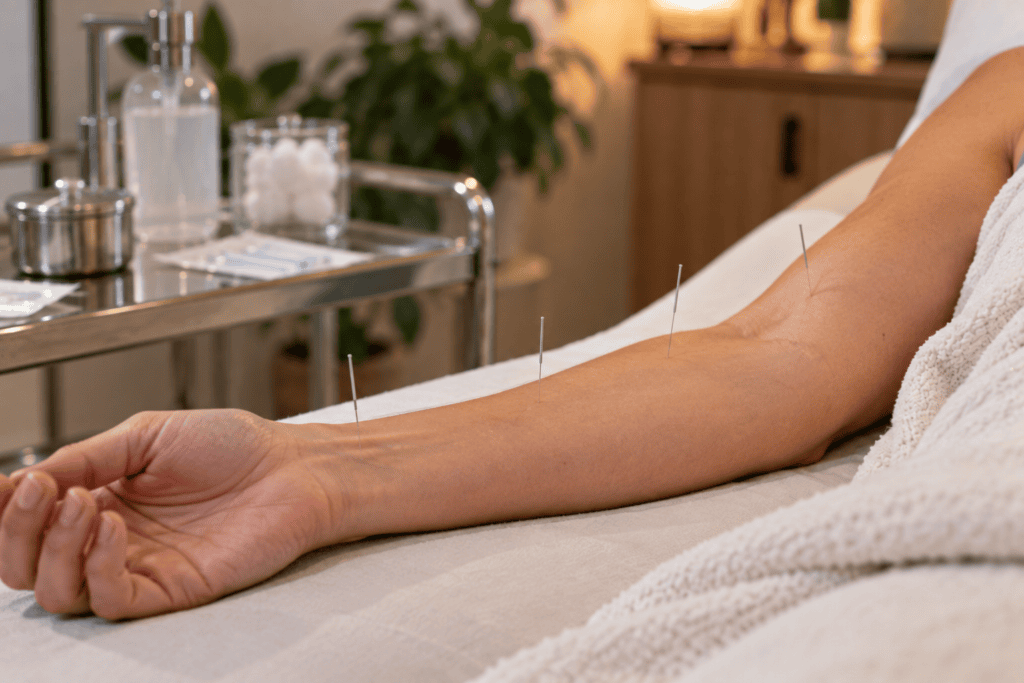
Acupuncture is among the oldest medical systems that remains in use today.
Developed in China thousands of years ago, acupuncture is becoming increasingly common in modern healthcare as research confirms what practitioners have long observed. By inserting fine needles at specific points on the body, acupuncture produces real, measurable changes in the nervous system, circulation, and body chemistry. This helps explain why it is used to address so many different concerns. This guide outlines acupuncture’s main benefits and highlights where it may help most, so you can understand what it might offer you.
Natural Pain Relief

Pain relief is acupuncture’s best-known and most thoroughly researched benefit, and it is often the main reason people try it.
Studies show that acupuncture can help relieve many types of pain, including low back pain, neck pain, knee osteoarthritis, migraines, and tension headaches. It is now often recommended as a nondrug treatment for chronic pain. Acupuncture works by triggering the release of endorphins, the body’s natural painkillers, and altering how pain signals travel through the nervous system. It may also improve circulation and relax tense muscles, both of which can contribute to pain. For people who want to manage pain without relying solely on medication, acupuncture is a legitimate, low-risk option supported by solid evidence.
Stress Relief and Relaxation
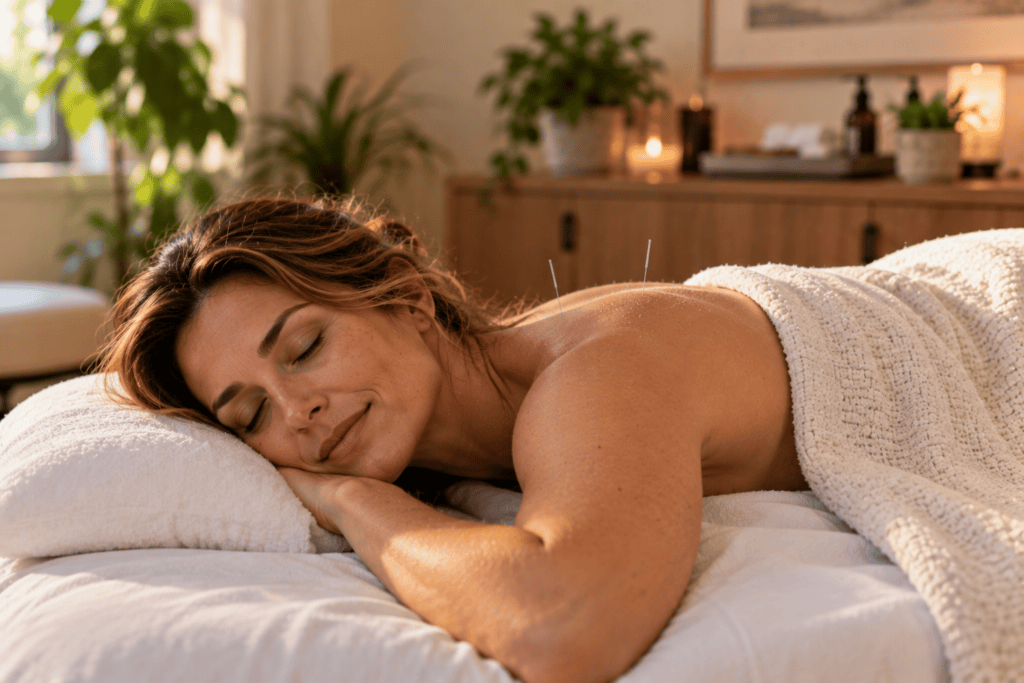
A common and noticeable benefit of acupuncture is deep relaxation.
Many people today feel trapped in a constant state of stress, but acupuncture helps guide the body into a calmer, rest-and-repair mode by soothing the nervous system. It regulates the body’s stress response and lowers cortisol, which is why people often feel deeply calm during and after a session. This calm helps ease the physical effects of stress and explains why many people find acupuncture restorative rather than focused solely on symptoms.
Better Sleep

Many people use acupuncture to improve their sleep.
Rather than simply making you drowsy, acupuncture works by calming the nervous system and easing the stress and anxiety that can keep you awake. It also supports the body’s natural sleep rhythms, making it easier to fall asleep, stay asleep, and wake up feeling more rested. Because quality sleep supports energy, mood, and overall health, improved sleep is one of the most valued benefits people notice with regular acupuncture.
Support for Anxiety, Stress, and Depression

Acupuncture can support mental and emotional health by influencing the nervous system and brain chemistry, which may also help relieve stress.
Research suggests it may reduce symptoms of anxiety and depression by affecting the brain’s emotional centers and mood-related chemicals. Acupuncture works best as part of a broader mental health plan that includes therapy, medical care, and healthy habits. Supporting people with anxiety, stress, and depression is a central part of our practice.
Help for Digestive Health

Acupuncture often helps with digestive problems by calming the nervous system, which plays an important role in digestion.
Traditional Chinese Medicine has long emphasized digestive health. Acupuncture is used to address issues such as nausea, bloating, indigestion, and gut-brain conditions like irritable bowel syndrome, where stress and digestion are closely linked. By calming the nervous system and supporting healthy digestion, acupuncture can soothe an upset stomach and ease discomfort.
Immune Support

Acupuncture helps balance and regulate the immune system rather than simply boost it, which is what the body really needs.
Research shows that it affects the connection between the nervous and immune systems and helps control inflammation. Because chronic stress can weaken the immune system, acupuncture’s calming effect also supports immunity. When used regularly, it can help you stay resilient, especially during stressful times.
Support for Women’s Health and Fertility

Acupuncture has long supported women’s health, helping address menstrual problems, menopause symptoms, and fertility.
When used for fertility, it is often combined with other treatments and may support conception by improving blood flow to the reproductive organs, promoting hormone balance, and reducing stress. Throughout the reproductive years, acupuncture provides gentle, whole-person support for the changes and challenges women experience.
Complementary Cancer Care
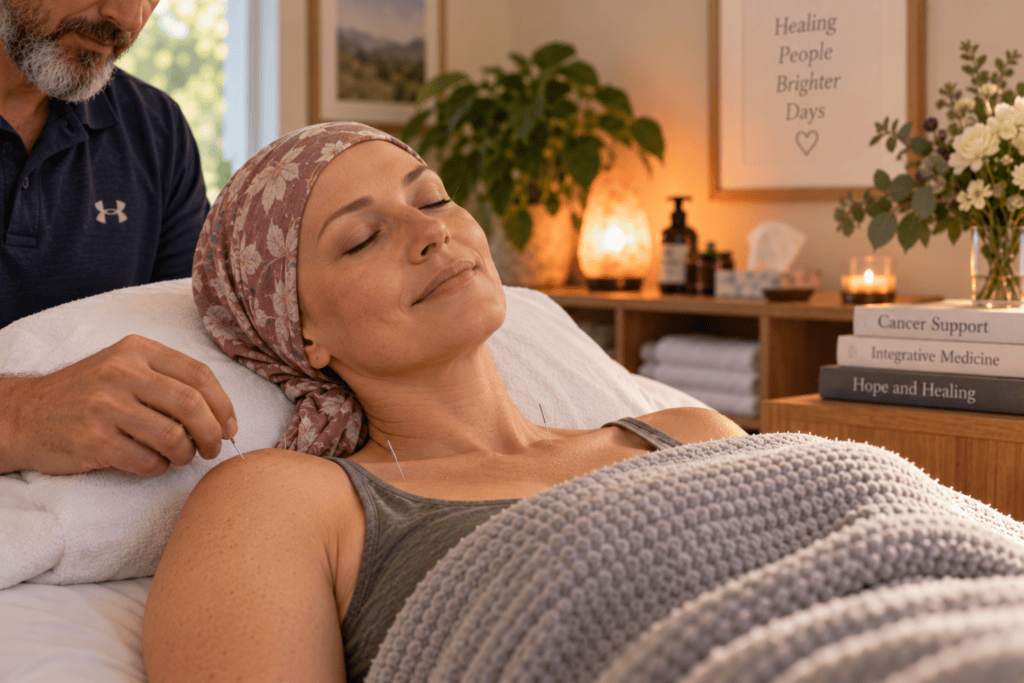
Acupuncture is now commonly included in cancer care as a supportive therapy.
Although it does not treat cancer itself, it may help relieve symptoms and side effects caused by the disease and its treatments. Evidence shows that acupuncture can help with chemotherapy-related nausea, pain, fatigue, and nerve problems caused by certain treatments. It may also help people relax and feel better emotionally during a difficult time. When used alongside standard cancer care, acupuncture can improve quality of life for many people.
How Acupuncture Works
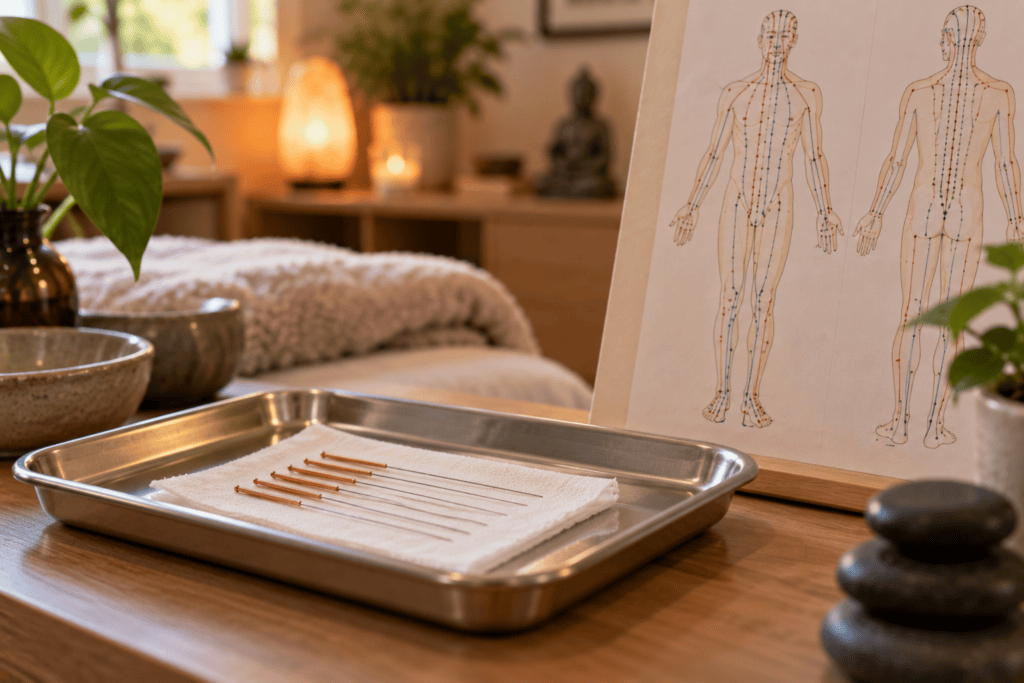
Two main perspectives explain how acupuncture works, and both are useful.
Traditionally, acupuncture is thought to balance the flow of Qi, or vital energy, through channels in the body, restoring equilibrium when that flow is blocked or depleted. In modern terms, acupuncture needles stimulate nerves, muscles, and connective tissue, prompting the release of endorphins and other chemicals that help regulate the body. This shifts the nervous system into a calmer state, improves circulation, and influences how the brain processes pain and emotions. Both perspectives describe a treatment that supports the body’s ability to heal and regulate itself, which may explain why acupuncture can help with many different issues.
What to Expect and Getting Started

Most people get the best results from acupuncture through a series of sessions rather than a single visit, although many feel deeply relaxed after their first treatment.
The sessions are calming: a qualified practitioner places fine needles while you rest, and acupuncture is very safe when performed by a qualified practitioner. If you are considering acupuncture, choose a licensed, experienced acupuncturist who can tailor treatment to your needs. Acupuncture can work well alongside regular medical care, and a good practitioner will view it as one part of your overall health plan.
Above and Beyond Acupuncture offers acupuncture, cupping, and lifestyle coaching at the North Frank Lloyd Wright Boulevard location in Scottsdale.
Schedule an appointment online to start your healing journey.

About the Publisher
Paul Kerzner, L.Ac., is a licensed acupuncturist and board-certified herbalist, as well as the founder of Above and Beyond Acupuncture in Scottsdale. His own journey from chronic patient to practicing acupuncturist shapes his commitment to providing honest, clinically grounded information about acupuncture and Traditional Chinese Medicine. Learn more about Paul and his clinical approach on the About Us page.