
Key Takeaways
- Chronic stress affects physical and mental health, activating the sympathetic nervous system and increasing cortisol levels.
- Natural interventions can effectively address chronic stress, shifting the body from sympathetic to parasympathetic dominance.
- Five effective methods to get rid of stress naturally include breath work, acupressure, regular movement, warm baths with Epsom salts, and prioritizing sleep.
- Combining these techniques into a daily routine enhances their effectiveness over time.
- Acupuncture serves as an additional intervention for those not responding to natural methods, regulating the nervous system and reducing stress.
Chronic stress has become one of the defining health problems of modern life. Roughly three out of four American adults report experiencing meaningful stress symptoms at least monthly, and the physical effects extend far beyond the emotional experience. Chronic stress activates the sympathetic nervous system, elevates cortisol, disrupts sleep, drives inflammation, and contributes to nearly every chronic condition treated in modern medicine.
The conventional approach often reaches for anti-anxiety medications or sleep aids, which help some patients but do not address why the nervous system stays activated. There are more natural approaches that address the underlying pattern rather than only masking the resulting symptoms. Here are five natural ways to relieve stress that have real clinical rationale behind them.
Why Chronic Stress Matters

Understanding what stress actually does to the body is worth a moment before working through the interventions. The body’s stress response is designed for short-duration threats. The heart rate climbs. Blood pressure rises. Blood flow shifts away from digestion and toward the muscles. Cortisol releases to mobilize energy. The nervous system becomes vigilant.
This response is protective in acute situations. The problem is that modern life produces sustained low-grade stress that keeps the response chronically activated. The system that should turn on for a few minutes stays on for hours, days, or years. The physical consequences accumulate. Elevated cortisol drives weight gain, disrupts sleep, and suppresses the immune system. Sympathetic dominance interferes with digestion. Chronic muscular tension produces headaches, neck pain, and low back pain. The fuller picture is in What Is Cortisol and Why Do I Have So Much of It?.
Addressing chronic stress means shifting the autonomic nervous system out of sympathetic dominance and into parasympathetic activation. The five methods below all do this through different mechanisms.
1. Practice Breath Work
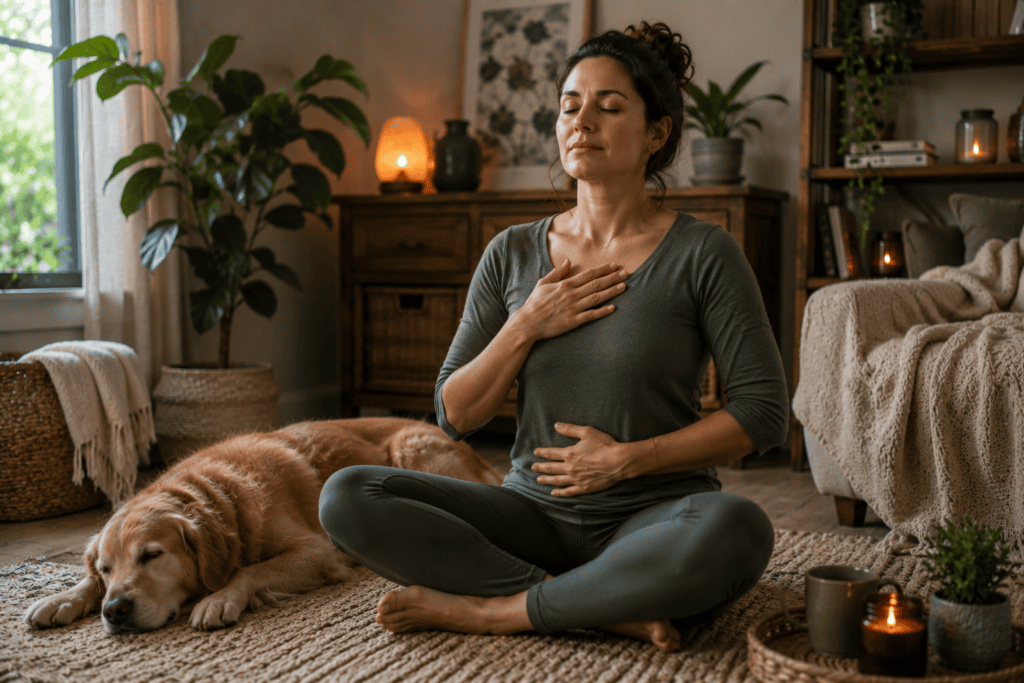
Slow deliberate breathing is one of the fastest ways to shift the autonomic nervous system. The vagus nerve responds directly to breath patterns. Long slow exhales activate the parasympathetic branch and produce measurable reductions in heart rate, blood pressure, and cortisol within minutes.
A simple protocol worth learning is box breathing. Inhale for a count of four. Hold for a count of four. Exhale for a count of four. Hold for a count of four. Repeat for two to five minutes. The equal timing of the phases creates a rhythm the nervous system entrains to, which shifts the balance away from sympathetic activation.
Another effective protocol is extended exhale breathing. Inhale for a count of four and exhale for a count of six or eight. The longer exhale specifically activates the parasympathetic response and is one of the most direct interventions for acute stress.
The Cleveland Clinic overview of stress describes the effects of chronic stress and the role of breath-based interventions. Breath work can be done anywhere. At a desk. In a car. In bed before sleep. The accessibility is part of what makes it one of the most useful stress management tools available.
2. Use Acupressure
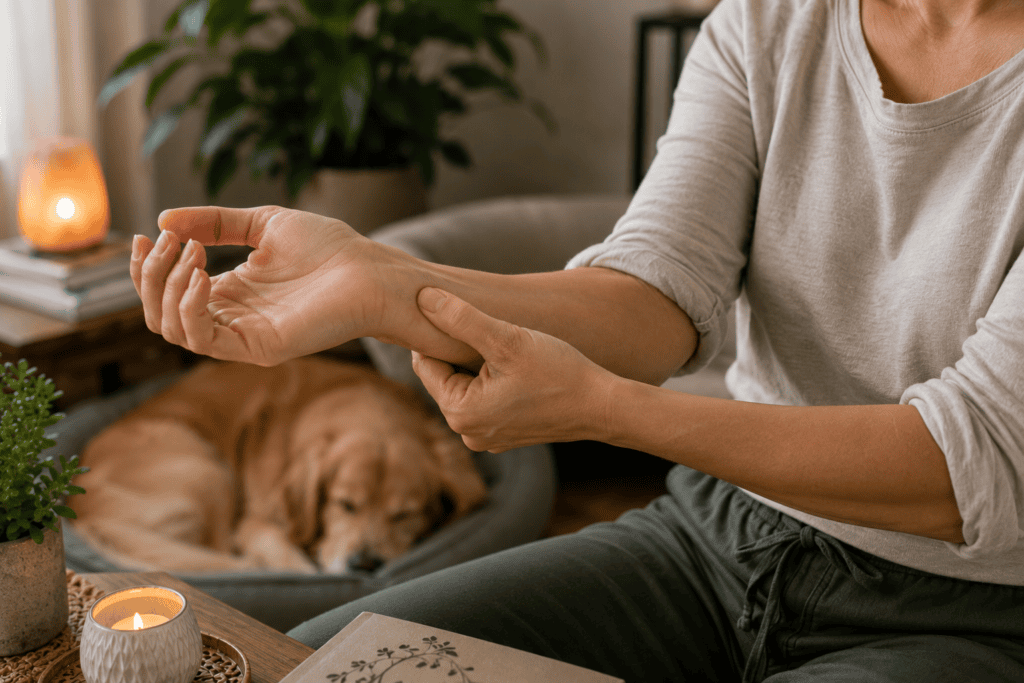
Acupressure applies finger pressure to specific points on the body that regulate the nervous system. The technique produces the same effects as acupuncture through the same mechanisms, and it can be performed at home without any equipment. For stress specifically, several points calm the nervous system quickly and support parasympathetic activation over time.
The foundational technique is covered in Performing Acupressure in 3 Easy Steps, which walks through how to find the point, apply the appropriate pressure, and hold for the right duration.
For stress specifically, How to Use Acupressure for Anxiety covers six points that address the physical and mental dimensions of chronic stress. Yintang between the eyebrows for the racing mind. HT7 at the wrist crease for the Heart-level tension. P6 on the inner forearm for the autonomic regulation. GB20 at the base of the skull for the muscular tension in the neck. Baihui at the crown of the head for overthinking. LR3 on the top of the foot for the underlying pattern.
Acupressure works best when done consistently. A five to ten minute daily practice using two or three of the points above produces measurable improvements in baseline stress levels over weeks and months.
3. Move Your Body

Regular movement is one of the most consistently supported interventions for chronic stress. Exercise reduces cortisol, releases endorphins, discharges the physical activation that stress produces, and improves sleep quality. The specific type of movement matters less than the consistency.
Cardiovascular exercise (walking, running, swimming, cycling) produces the strongest short-term reduction in stress hormones. Even a twenty minute walk after a stressful day produces measurable improvements.
Strength training builds resilience over time and produces improvements in mood, sleep, and body composition that reduce baseline stress.
Yoga combines movement, breath work, and mindfulness in a single practice that addresses stress from multiple angles simultaneously. The research base for yoga in stress management is substantial.
Tai chi and qigong are gentler movement practices from the Chinese tradition that are particularly useful for people who cannot tolerate more intense exercise. Both practices produce measurable improvements in autonomic function.
The important thing is to find something you will actually do. The best stress-reducing exercise is the one that fits into your life sustainably.
4. Take Warm Baths and Use Epsom Salts
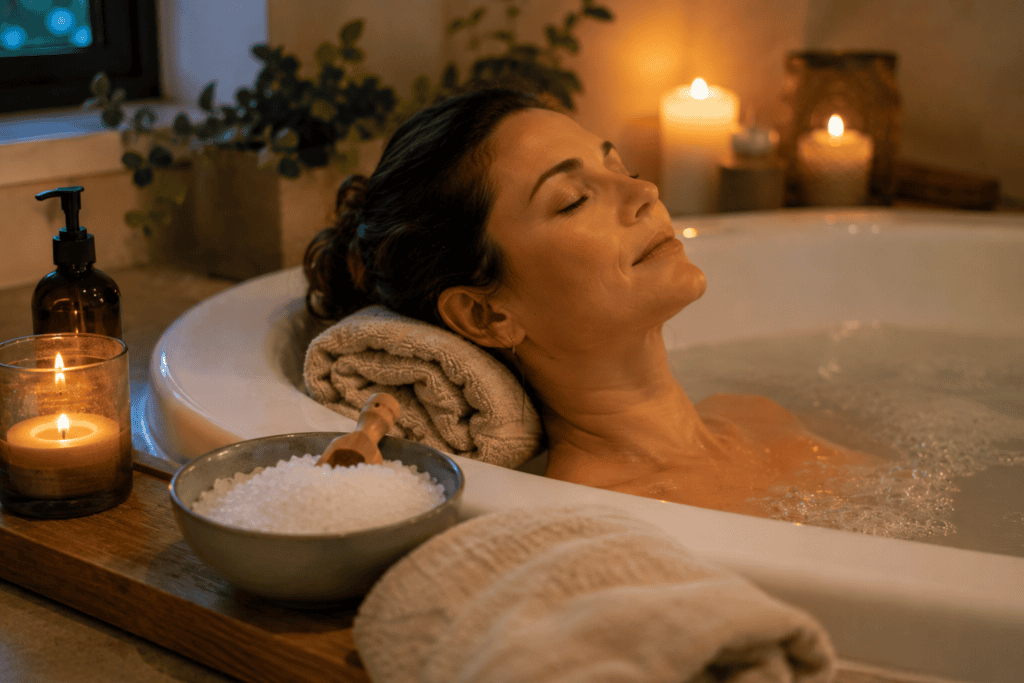
Warm water immersion produces real physiological effects on the nervous system. The heat dilates blood vessels, promotes muscular relaxation, and shifts the autonomic balance toward parasympathetic activation. A twenty minute bath in the evening reliably reduces cortisol and improves sleep quality.
Adding Epsom salts (magnesium sulfate) extends the benefit. Magnesium is a mineral that supports muscular relaxation, nervous system function, and sleep quality, and many Americans are deficient in it. While the absorption of magnesium through the skin is debated in the research literature, the muscular and neurological effects of the warm bath itself are well established. Adding two cups of Epsom salts to a warm bath is a simple and effective stress-reduction protocol.
For patients who cannot take baths regularly, hot showers, foot soaks, and warm compresses all produce similar effects at smaller scales.
5. Prioritize Sleep
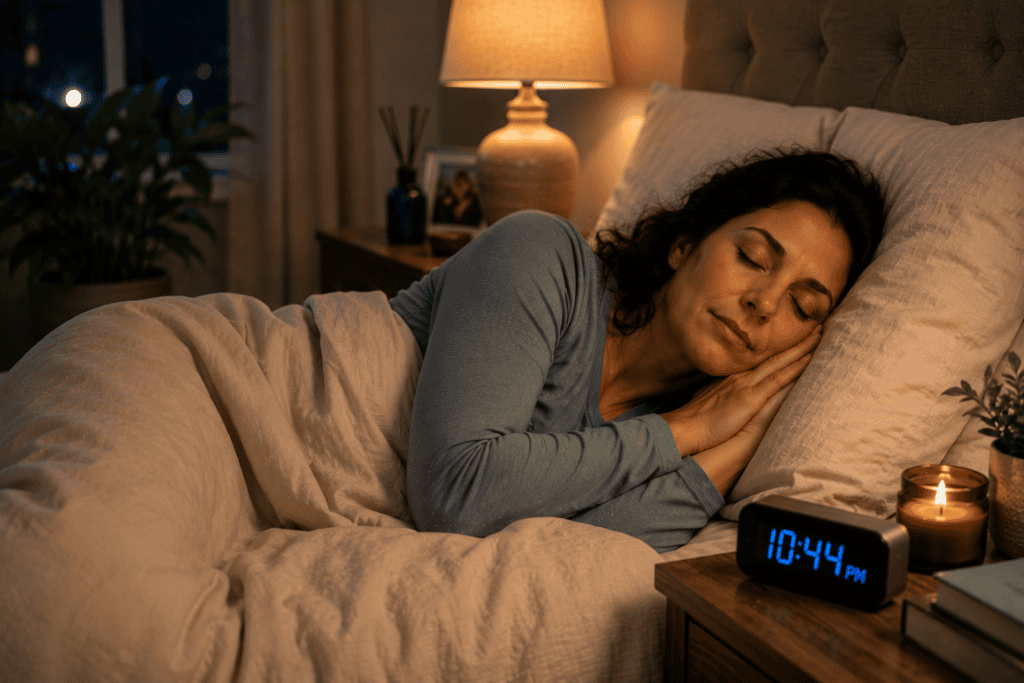
Sleep and stress interact bidirectionally. Chronic stress disrupts sleep, and poor sleep amplifies the stress response the next day. Breaking this cycle by improving sleep is one of the most impactful interventions available for chronic stress.
The basics matter. A consistent sleep schedule that goes to bed and wakes at the same time each day supports the circadian rhythm that regulates cortisol and other stress hormones. Aiming for seven to nine hours of sleep gives the body the time it needs for the parasympathetic-dominant recovery phase that stress reduction requires.
The environment matters. A cool, dark, quiet bedroom supports deep sleep. Removing screens from the bedroom eliminates the light exposure and stimulation that disrupt sleep initiation. Limiting caffeine after early afternoon prevents the residual stimulation that interferes with sleep quality.
The pre-sleep routine matters. Winding down for thirty to sixty minutes before bed with low-stimulation activities (reading, gentle stretching, breath work) supports the transition into sleep. The stress-reduction methods above (breath work, warm baths, acupressure) all work particularly well in the pre-sleep window.
The NCCIH summary on relaxation techniques covers the broader research base for these interventions and their effects on stress-related conditions.
Where This Fits in a Broader Approach
The five methods above are practical tools that address stress through direct interventions. They work best when combined into a consistent daily practice rather than reached for only during acute stress. Ten minutes of breath work in the morning, a five minute acupressure session at midday, a twenty minute walk in the afternoon, a warm bath in the evening, and a consistent sleep routine at night compound into a substantial shift in the underlying pattern over weeks and months.
For patients dealing with chronic stress that is not responding to these natural approaches, acupuncture treatment offers a more substantial intervention. The treatment directly regulates the autonomic nervous system, reduces cortisol, calms the vagal tone, and produces measurable improvements in the stress response over the course of treatment. The broader stress and nervous system framework is covered in Anxiety, Stress, and Depression.
The full picture of what the practice offers is in Acupuncture, Cupping & Lifestyle Coaching.
Reach out to Above and Beyond Acupuncture on North Frank Lloyd Wright Boulevard in Scottsdale to schedule a consultation.
Schedule an appointment online or call us today to start your journey to relief.