Key Takeaways
- Polycystic ovary syndrome (PCOS) is a hormonal disorder affecting menstrual cycles and overall health.
- Acupuncture helps regulate ovulation, reduce androgen levels, and improve hormonal balance.
- Research supports acupuncture’s effectiveness for PCOS, particularly its ability to regulate cycles and promote hormonal balance.
- Integrating acupuncture with medical care and lifestyle changes enhances overall management of PCOS.
- Consult a doctor for PCOS evaluation and treatment, as acupuncture should complement medical interventions.
If your periods are irregular, unpredictable, or sometimes missing, and you want a natural way to get your cycle back on track, you are not alone. Polycystic ovary syndrome is a common hormonal condition for women of reproductive age. Acupuncture is a popular natural therapy for PCOS, especially for regulating cycles and supporting fertility. It can help restore regular ovulation, lower high androgen levels, and rebalance the hormones affected by PCOS.
In this article, we will look at what PCOS is, how acupuncture can help, what research says, how Chinese medicine views the condition, and what you can expect from treatment.
What Is PCOS?
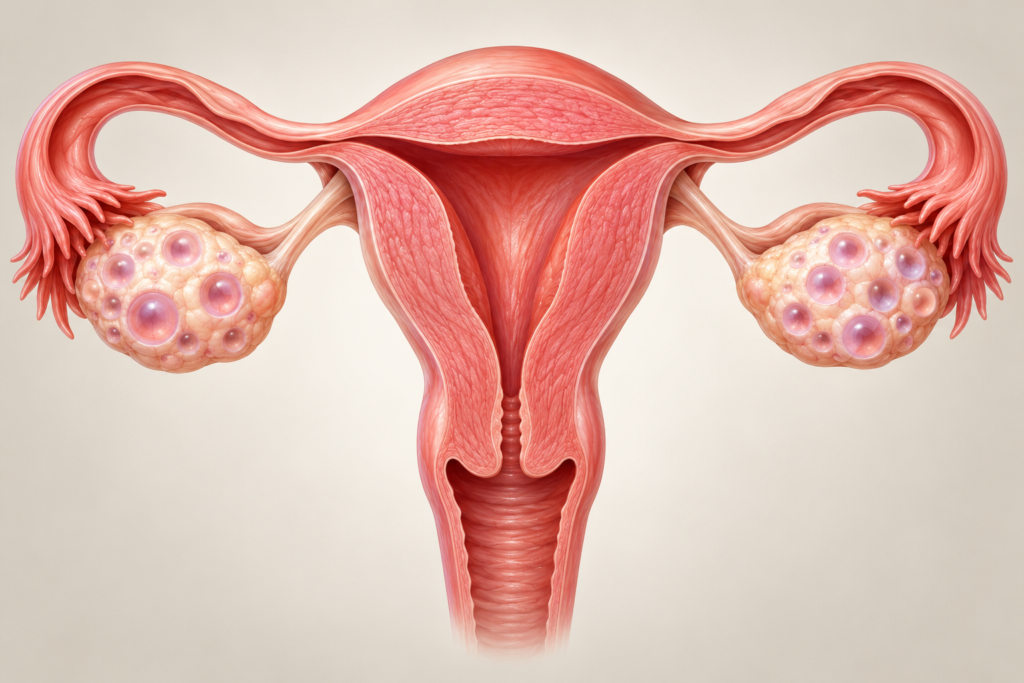
About one in ten women of reproductive age has PCOS, and it is often not diagnosed until they have difficulty getting pregnant. It is typically diagnosed by doctors when at least two out of three features are observed: irregular or missing ovulation, evidence of high levels of androgens (male-type hormones) as shown by blood tests or through symptoms such as acne and excessive hair growth, and ovaries that show a large number of small follicles on ultrasound. Although it is called PCOS, the “cysts” are in fact immature follicles which have not developed fully and have not released an egg.
For many women insulin resistance is at the heart of PCOS. If the body responds poorly to insulin, then it produces more insulin, and high levels of insulin cause the ovaries to produce more androgens. These androgens then interfere with the development of the follicles, which is the reason why ovulation becomes irregular. It is this cycle that accounts for the fact that PCOS affects so many different systems at once.
Women with PCOS may experience:
- Irregular, infrequent, or absent periods
- Difficulty conceiving
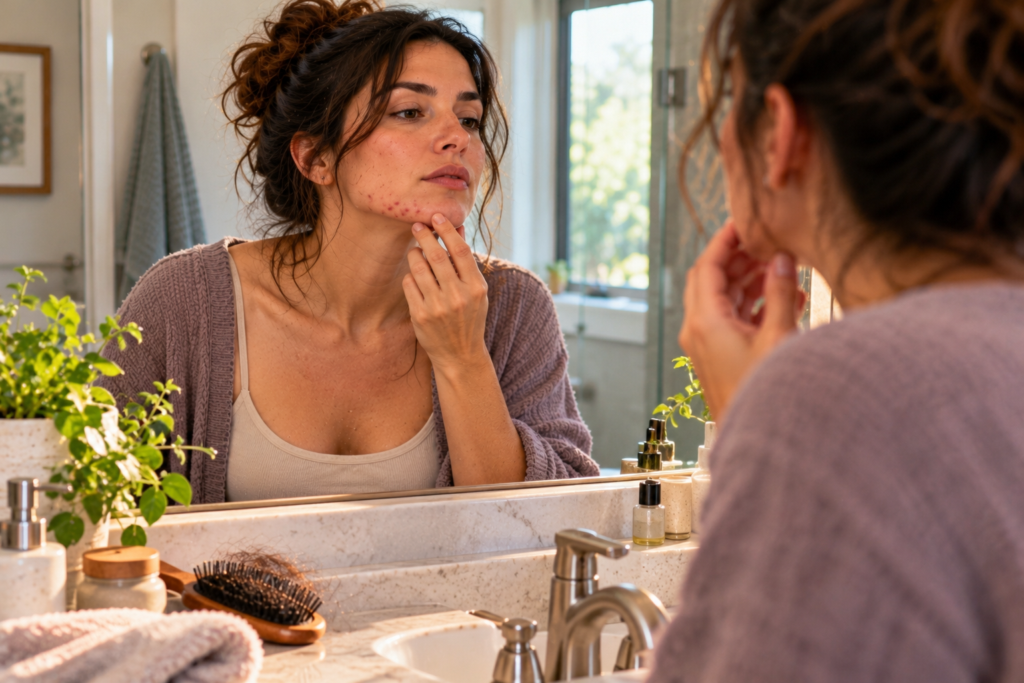
- Acne, especially along the jaw and chin
- Excess hair on the face, chest, or abdomen
- Thinning hair on the scalp
- Weight gain, especially around the abdomen, and difficulty losing weight
- Darkened patches of skin on the neck or underarms
- Fatigue, mood changes, and sugar cravings
It is not true that all women with PCOS exhibit all the symptoms; some women have PCOS even though they do not have excess weight, a condition sometimes referred to as lean PCOS, and in these cases their primary worries are usually irregular periods or acne. Since PCOS also increases the long-term risk of type 2 diabetes, high cholesterol, sleep apnea, and alterations to the uterine lining, continuous medical care is important.
Can Acupuncture Treat PCOS?

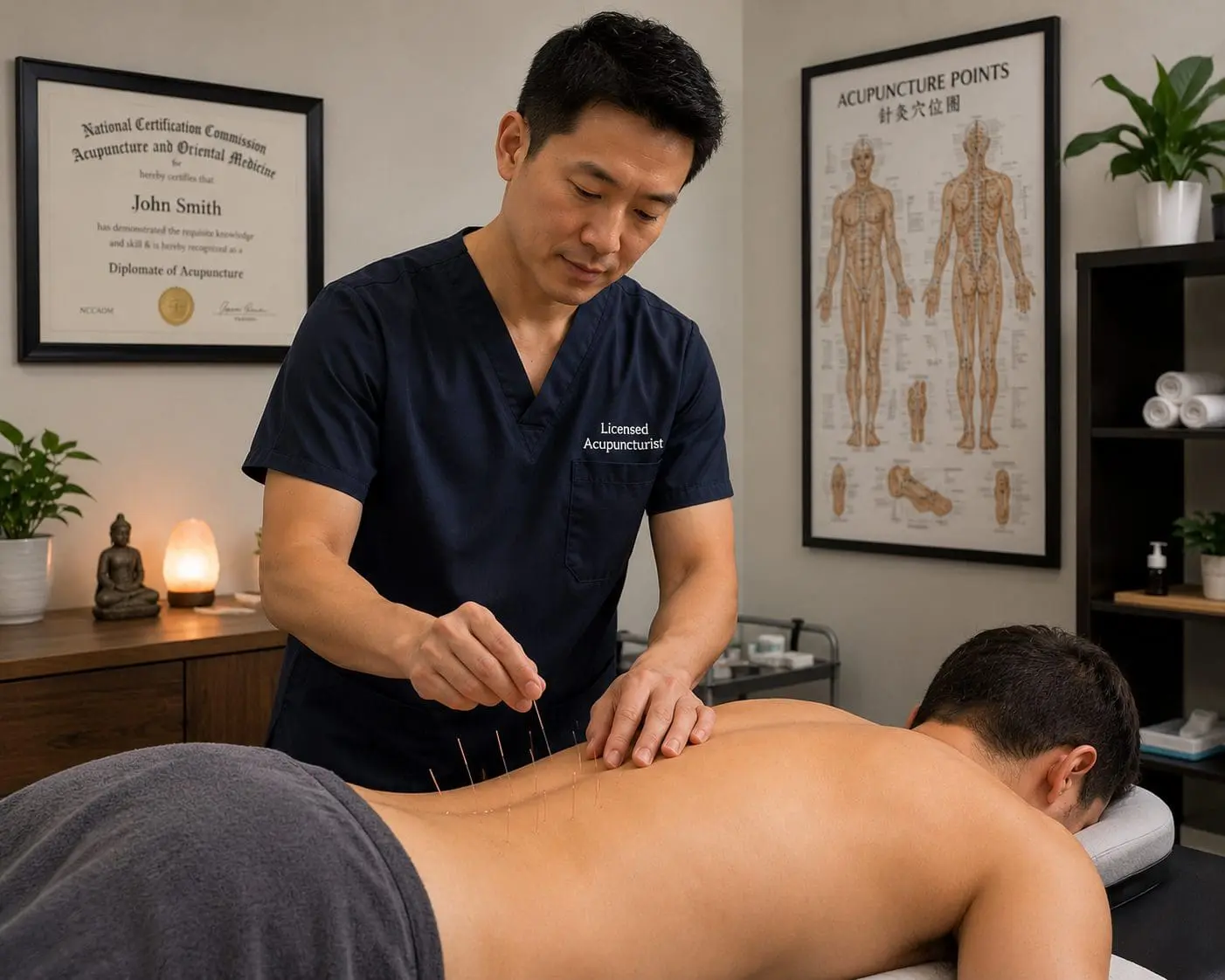
Acupuncture can indeed form an effective component of the treatment of PCOS. Research has found that it helps restore more regular ovulation and menstrual cycles, reduce elevated androgen levels, and improve hormonal balance in many women. Since it also has a calming effect on the stress response, many women find that their sleep is better, their mood becomes more stable, and they feel a stronger sense of connection to their cycle.
Acupuncture targets the underlying patterns that cause PCOS and not just the symptoms; rather than using hormones to suppress the cycle, it seeks to enable the body to regulate itself, which is the reason why many women opt for it, either when they are looking for a natural method or because the medications have given rise to undesirable side effects. It is most effective when it forms part of an overall strategy that involves diet, exercise, and medical treatment if required, and it works well in combination with drugs such as metformin.
How Acupuncture Helps
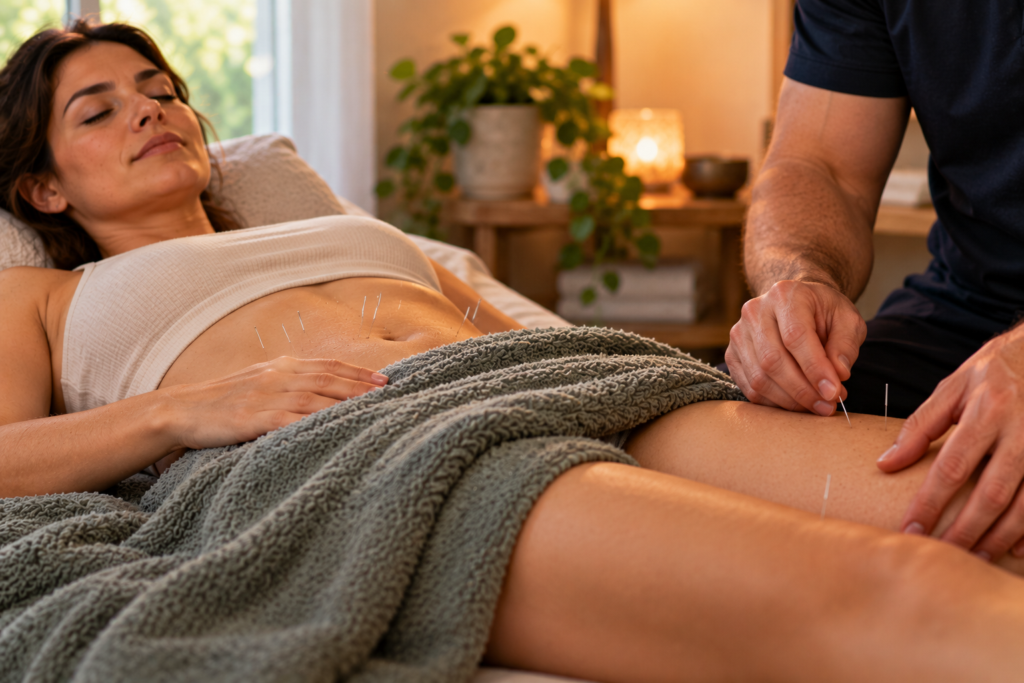
Acupuncture has an effect on PCOS at many levels.
- Acupuncture, especially electroacupuncture, helps to suppress excessive nerve signals from the ovaries. In the case of PCOS, the sympathetic nervous system—which is the part of the nervous system associated with stress—sends increased signals to the ovaries and this interferes with follicle development.
- Acupuncture helps to rebalance the reproductive hormones by regulating the hormonal signals between the brain and the ovaries, which in turn supports the maturation of the follicles and the release of an egg.
- Androgen levels can be lowered. Studies have shown that acupuncture is able to reduce elevated testosterone and other androgens, which, over time, helps to improve acne and slows down excessive hair growth.
- Acupuncture can improve the body’s response to insulin, as research has shown, because it addresses one of the condition’s primary causes.
- Acupuncture can reduce stress, since chronic stress interferes with the menstrual cycle and acupuncture effectively calms the stress response.
Many women also discover that having regular sessions leads to improvements in their sleep, energy levels, and mood. This is more important than it may at first appear, since a steady supply of energy and a quieter mind make it much easier to keep to the diet and exercise changes that support PCOS in the long term.
What the Research Shows
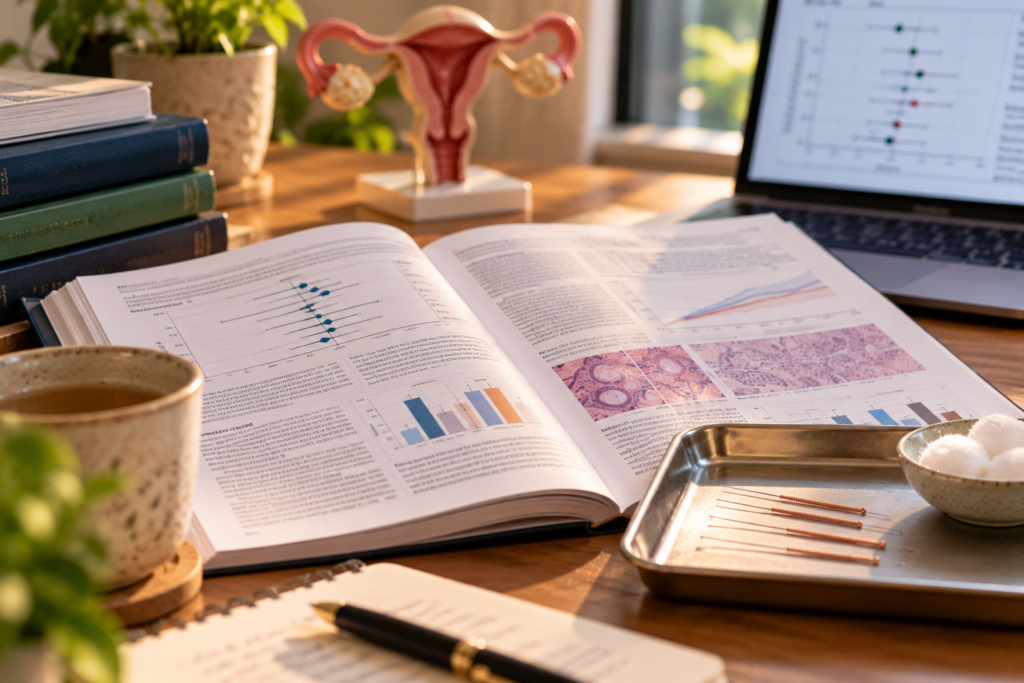
The main research into the use of acupuncture for PCOS is concerned with ovulation and hormone levels. Clinical trials conducted in Sweden and China, especially those involving electroacupuncture, have shown that it increases the frequency with which women ovulate and reduces androgen levels compared with no treatment, while improvements in menstrual regularity can last for months after treatment has finished. Some of the studies have also discovered improvements in insulin sensitivity, although the results in this area are less consistent.
The question of fertility is different. A big study involving 1,000 women, which was published in JAMA, showed that adding acupuncture to the fertility drug clomiphene did not result in a higher rate of live births than with sham acupuncture. Overall, the evidence indicates that acupuncture can be useful for regulating cycles and hormones in women with PCOS, but those who are trying to get pregnant get the best results when acupuncture is carried out in coordination with treatment by a fertility specialist.
How Traditional Chinese Medicine Views PCOS
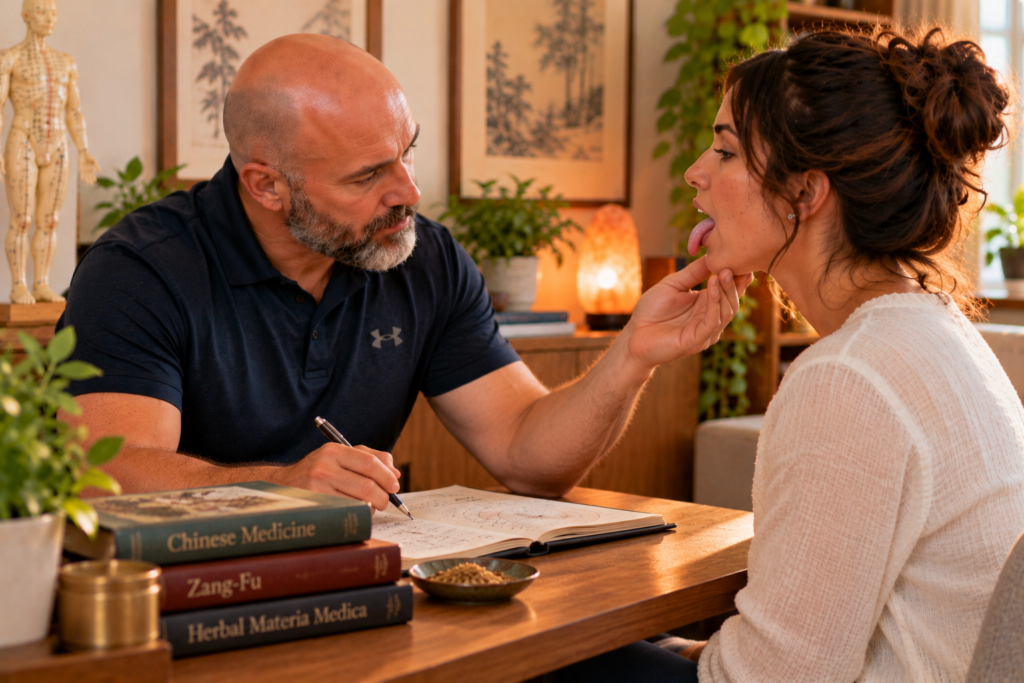
Traditional Chinese Medicine does not use the term PCOS, but it recognizes several patterns that are similar. Most women show a mix of these patterns, and figuring out which ones are most prominent guides the treatment plan.
- Kidney weakness: In Chinese medicine, the Kidney is linked to reproduction, growth, and the menstrual cycle. When it is weak, periods may become long, irregular, or stop altogether, and ovulation can be affected. Women with this pattern often feel cold and tired and may have lower back pain.
- Spleen weakness with phlegm and dampness: When the Spleen is weak, it cannot process food and fluids properly, leading to a buildup of phlegm and dampness. This is linked to weight gain around the middle, a slow metabolism, a heavy feeling, and phlegm blocking the ovaries. This pattern is similar to insulin resistance.
- Stuck Liver Qi: Stress can block the flow of Liver Qi, which disrupts the menstrual cycle and can cause breast tenderness, irritability, and premenstrual symptoms. If this blockage creates heat, it may also lead to acne and more irritability.
- Blood stagnation: If blood flow is blocked for an extended period, it can cause painful periods with dark clots and a persistent feeling of lower-abdominal fullness.
Practitioners diagnose your pattern by asking questions and checking your pulse and tongue. They then create a treatment plan to strengthen the Kidney, clear phlegm and dampness, move Liver Qi, improve blood flow, and help regulate ovulation.
Treatment Methods Used in the Clinic
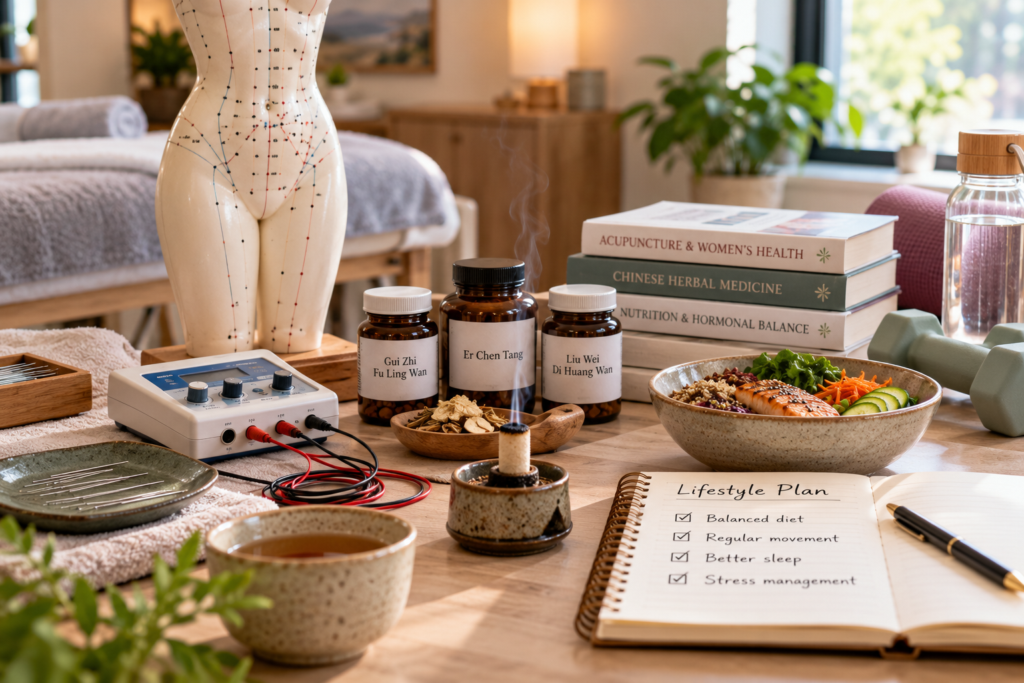
Treatment for PCOS usually combines several methods, chosen for your pattern and goals.
- Acupuncture and electroacupuncture. Points on the lower abdomen, legs, and back support the ovaries and reproductive system, while points elsewhere address stress, digestion, and metabolism. Gentle electrical stimulation on selected needles is often used, since electroacupuncture has the strongest research behind it for PCOS.
- Treatment timed to the cycle. When cycles begin to return, treatment can shift with each phase, supporting follicle growth in the first half of the cycle and a steady second half after ovulation.
- Moxibustion. Gentle warmth applied over the lower abdomen or back is used for women with a cold, depleted Kidney pattern.
- Chinese herbal formulas. Classical formulas tailored to your pattern, such as those that clear phlegm and dampness or strengthen the Kidney, are often central to PCOS care, and are always checked against your medications.
- Lifestyle coaching. Guidance on diet, movement, sleep, and stress, matched to your pattern, ties the plan together between visits.
What to Expect From Treatment

During your first visit, the doctor will have a thorough discussion with you regarding your menstrual history, your symptoms, your diet, your level of physical activity, your sleep patterns, your stress levels, and any medications or fertility treatments you may be taking. It would be useful if you could bring any recent laboratory results, for example, hormone tests or tests for glucose and insulin. Using an app to track your cycles, taking ovulation test strips, or measuring your basal body temperature provides both you and your healthcare provider with a clear understanding of how your body responds over time.
Treatment usually starts with weekly appointments. As the changes take place slowly, the majority of women require about three months to assess whether the treatment is effective. Early on, improvements typically consist of better sleep, increased energy, fewer cravings and a more stable mood, followed by more regular cycles and, in many cases, the appearance of ovulation. It takes longer for changes in acne and hair growth to be seen, often several months, since hair and skin react slowly to reduced androgen levels. When the cycles have become stable, a number of women then switch to less frequent follow-up visits. Classical Chinese herbal formulas are generally included in the care plan, with a careful examination being carried out to make sure they do not interfere with medications such as metformin or fertility drugs.
Acupuncture Alongside Medical Care

The most effective method of managing PCOS is to use a combination of different approaches. Medical treatments may involve drugs that improve insulin sensitivity, hormonal therapies designed to regulate the menstrual cycle and reduce androgen symptoms, and medications that induce ovulation for women who wish to conceive. Acupuncture can be used comfortably in conjunction with all of these.
Lifestyle changes are some of the most effective remedies for PCOS since they act at the origin of insulin resistance:
- Eat regular meals built around protein, vegetables, and fiber, and avoid long gaps that lead to sugar cravings.
- Cut back on sugary drinks, refined carbohydrates, and ultra-processed foods.
- Walk for ten to fifteen minutes after meals, which noticeably improves blood sugar.
- Build in strength training two or three times a week, since muscle improves how the body uses insulin.
- Protect your sleep, since short or poor sleep worsens insulin resistance.
- Find a daily outlet for stress.
Even modest weight loss can help restore more regular cycles in women carrying extra weight. Between appointments, acupressure for PCOS offers simple points to use at home, and because insulin resistance links the two conditions, acupressure for metabolic syndrome offers additional support.
Home Care From a Chinese Medicine Perspective

Chinese medicine includes a number of principles that can help with the treatment of PCOS at home. It is advisable to eat warm, cooked foods such as soups, stews, and roasted vegetables since these are believed to be easier on the Spleen, while cold, raw, greasy, and extremely sweet foods should be avoided, as they are thought to cause phlegm and dampness. For many women with the phlegm-damp pattern, it also helps to reduce dairy, which we look at in the dairy dilemma.
Keep the lower abdomen, lower back, and feet warm, especially in air-conditioned environments, as Chinese medicine sees warmth as beneficial for the Kidneys and the uterus. Eat at regular times and avoid heavy dinners eaten late. Try to be in bed by eleven to support the Kidneys and the Blood. Finally, find a way to relieve stress, for example by walking, doing tai chi, or spending time outdoors, since stagnant Liver Qi is one of the main reasons cycles come to a standstill.
If You Are Trying to Conceive

A large number of women who have PCOS turn to acupuncture when they are trying to have a child. It is helpful in regulating the cycles and in reducing stress, and it functions most effectively when carried out together with the care of a fertility specialist rather than instead of it. Since regular ovulation is the basis of natural conception, for a great many women the initial aim of treatment is to restore a regular cycle.
Acupuncture can be arranged to fit in with the treatment program for women who are using fertility drugs or undergoing IVF, and it is usual for acupuncturists and fertility clinics to co-ordinate their schedules. In cases where you are under 35 and have been trying to conceive for a year, or over 35 and have been trying for six months, or if your cycles are particularly irregular, you should consult your doctor or a fertility specialist rather than delaying the action.
For more information, read about treating infertility with acupuncture, acupuncture and IVF, and acupressure for fertility.
When to See a Doctor

You should have PCOS diagnosed and its treatment carried out by your doctor since the condition involves long-term health risks such as type 2 diabetes and alterations to the uterine lining. As part of proper PCOS management, regular checks of your blood sugar, cholesterol, and blood pressure are necessary. You should consult your doctor if you have not had a period for three months or longer, if your periods are extremely heavy or last for a long time, if you notice that you are drinking more than usual and have to urinate frequently, or if you snore heavily and wake up feeling unrefreshed, as this may be a sign of sleep apnea. Get medical attention promptly if you experience a rapid increase in hair growth, a deepening of your voice, or any other sudden changes, and seek emergency care if you have sudden and severe pain in the pelvis on one side, particularly when nausea or vomiting is also present.
Acupuncture forms an effective component of the care for PCOS and is used in conjunction with the medical treatment needed for the condition.
Above and Beyond Acupuncture offers acupuncture, cupping, and lifestyle coaching at the North Frank Lloyd Wright Boulevard location in Scottsdale.
Schedule an appointment online to start your healing journey.

About the Publisher
Paul Kerzner, L.Ac., is a licensed acupuncturist and board-certified herbalist, as well as the founder of Above and Beyond Acupuncture in Scottsdale. His own journey from chronic patient to practicing acupuncturist shapes his commitment to providing honest, clinically grounded information about acupuncture and Traditional Chinese Medicine. Learn more about Paul and his clinical approach on the About Us page.