Key Takeaways
- Running cupping is a Traditional Chinese technique in which oiled cups glide along the back under strong suction, lifting and stretching the skin, fascia, and underlying muscle.
- The technique is inherently intense, and it feels most intense in people whose fascia is tightly bound by stress, repetitive strain, poor posture, or old injuries.
- Bound fascia pulls on the muscles it surrounds, drawing them out of alignment and creating tension and problems in other parts of the body.
- In the upper back and between the shoulder blades, bound fascia often makes the skin feel drum-tight, and this is where running cupping usually feels strongest.
- Loosening bound fascia takes a series of sessions, and tightness left alone doesn’t simply go away; it keeps pulling on the body until it is addressed.
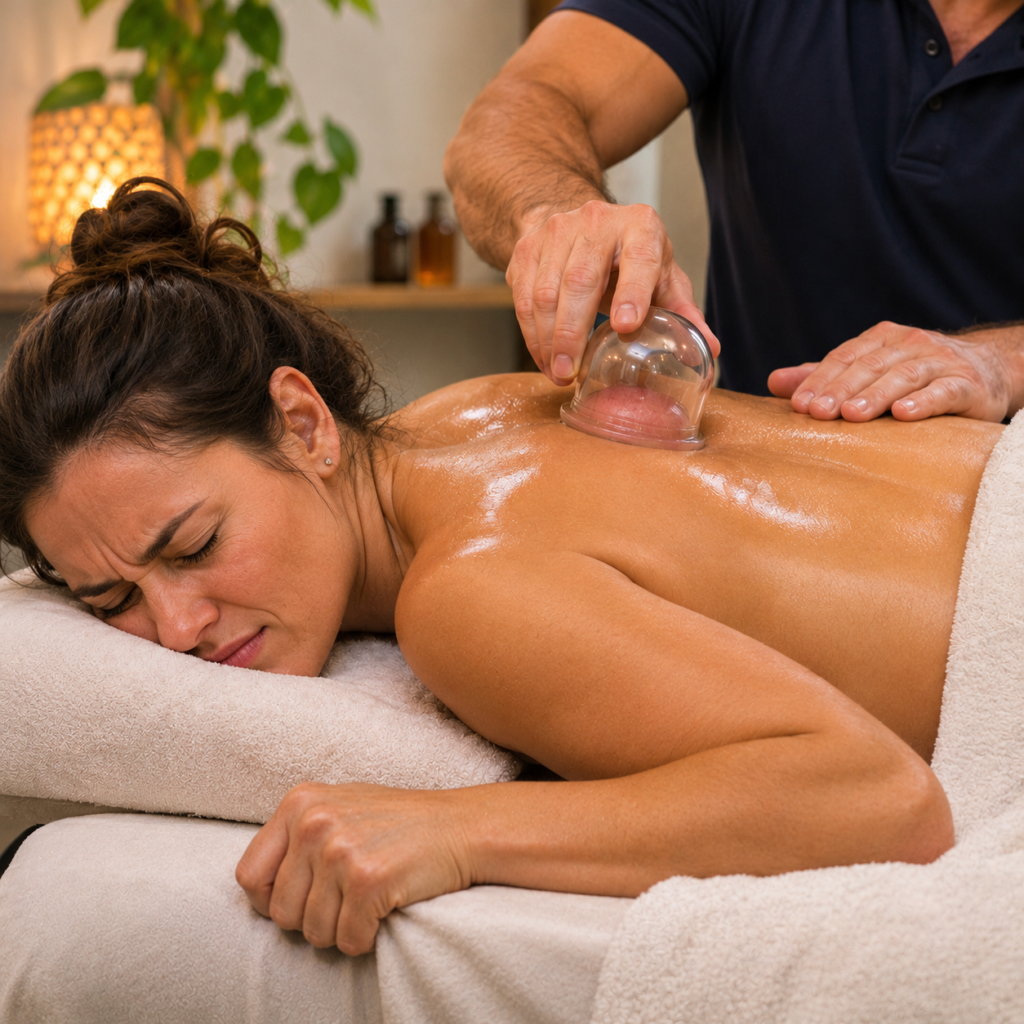
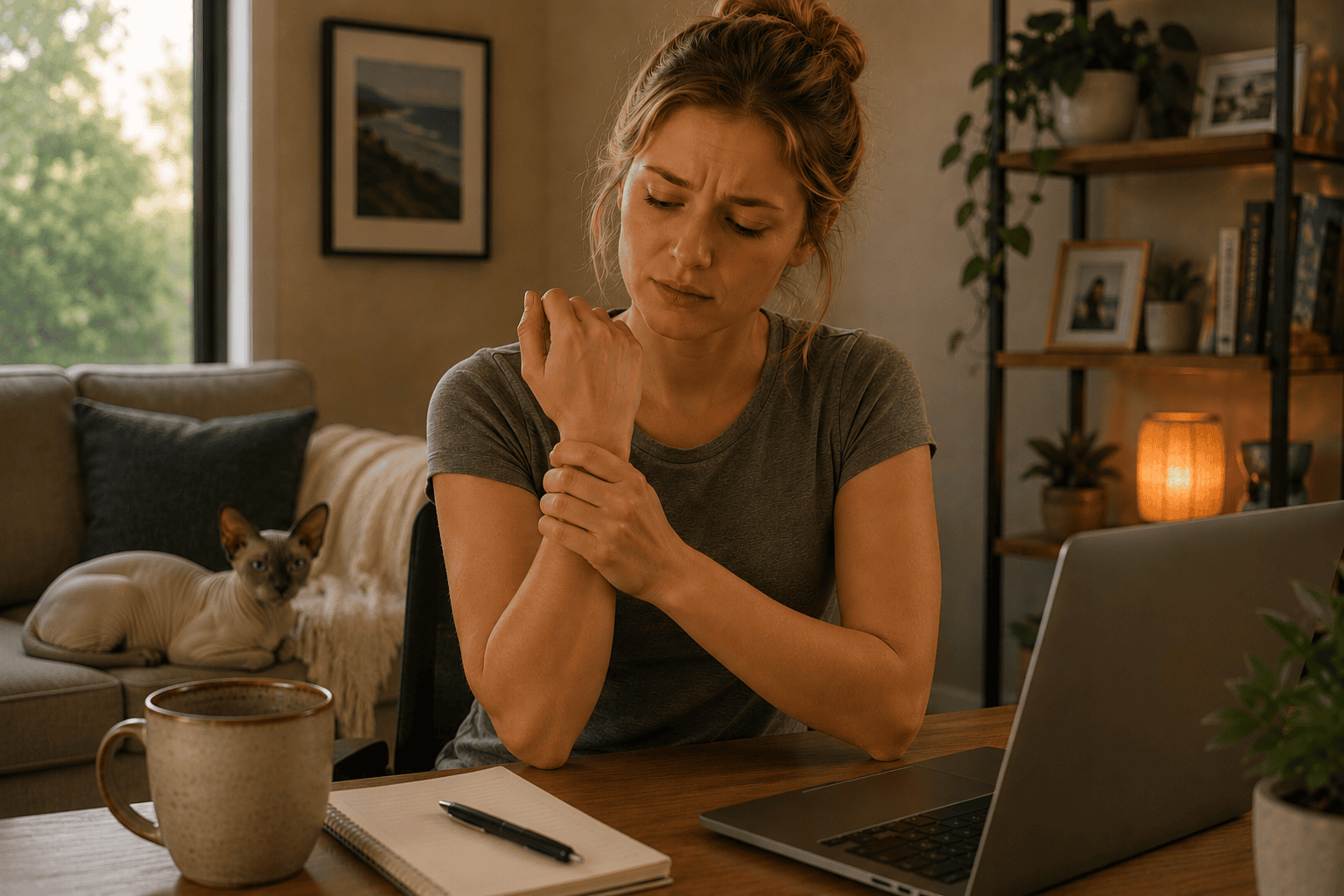
Running cupping is a unique experience. Some people relax on the table as the cups glide from the base of the neck to the lower back. Others notice each movement, especially across the upper back and between the shoulder blades, and are surprised by how intense it feels. Even with the same cups, oil, and technique, the experience can vary greatly from person to person.
The difference lies in what’s beneath the cups, not in the cups themselves. Fascia is the connective tissue surrounding every muscle. A 2024 review in Cureus explains that its main role is to transmit tension throughout the body. The review also notes that prolonged, low-intensity strain can harm fascia more than brief, heavy loads, and that fascia responds to factors such as nervous system activity. When fascia stiffens, it alters tension in nearby tissues, affecting joint movement and the way the body holds itself.
This matches what shows up on the cupping table. Spending hours hunched over a desk or phone, repeating the same motions for years, and living with long-term stress all place steady, low-level strain on the fascia, causing it to tighten over time. As cups move across this tissue, they encounter resistance. The tighter the fascia, the stronger the sensation.
The sections below explain what running cupping is, why it feels so intense for some people, how bound fascia affects the rest of the body, and why loosening it sooner is easier than waiting.
What Is Running Cupping?
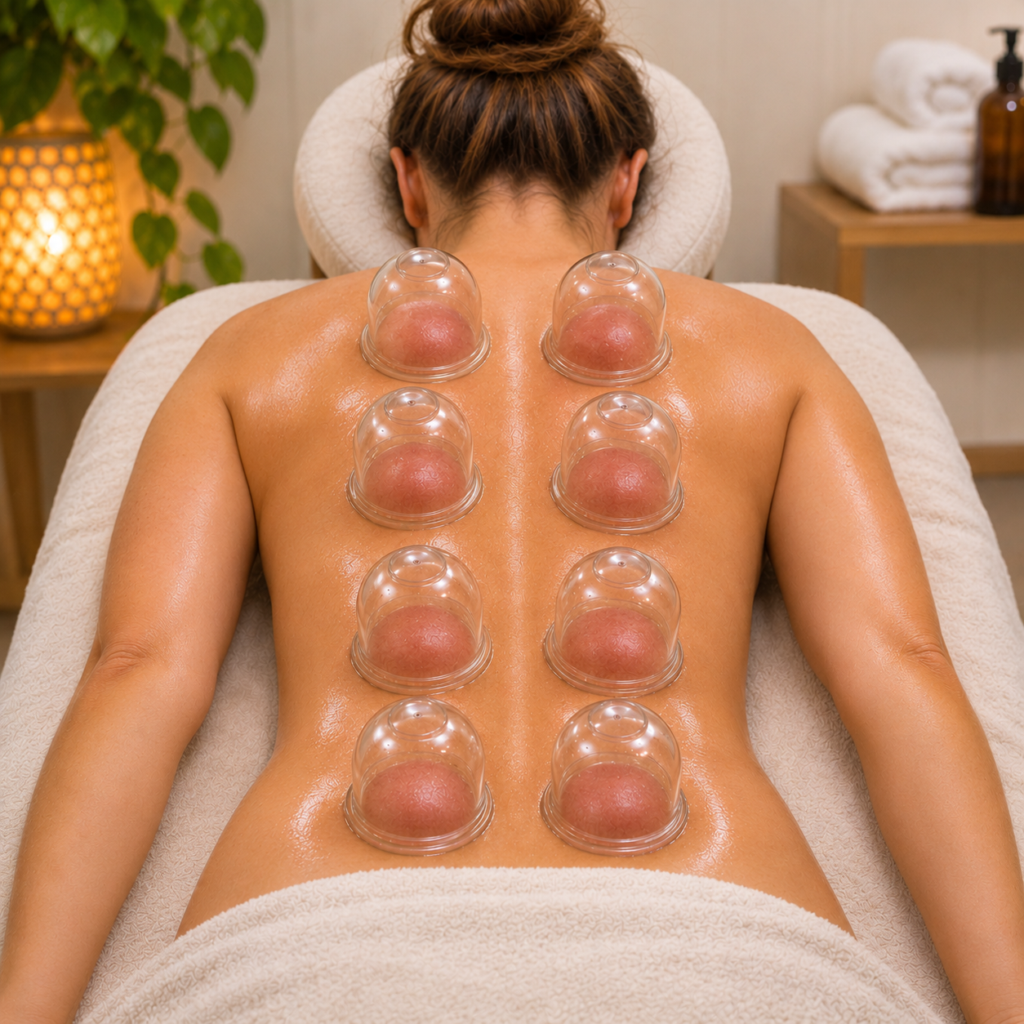
Running cupping, also known as sliding or moving cupping, is a Traditional Chinese technique that combines cupping with deep tissue work. Oil is applied to the back, and a cup is placed on the skin to create suction. The cup is then glided along the muscles while maintaining suction. As it moves, the skin, fascia, and muscle are drawn into the cup and stretched, opposite to the downward pressure used in massage.
At Above and Beyond Acupuncture, running cupping is performed only on the base of the neck, back, and shoulders. The cups glide from the base of the neck across the shoulders and upper back, between the shoulder blades, and down the spine to the sacrum. While some practitioners use running cupping on other parts of the body, the back remains the primary focus because tension from stress, posture, and repetitive strain often builds there.
Each stroke follows the long muscles alongside the spine and the large muscles across the shoulders and upper back. The cup glides easily over loose tissue. Where the tissue is tight, it grips the cup, slowing it down and making the suction feel stronger.
Why Running Cupping Feels So Intense
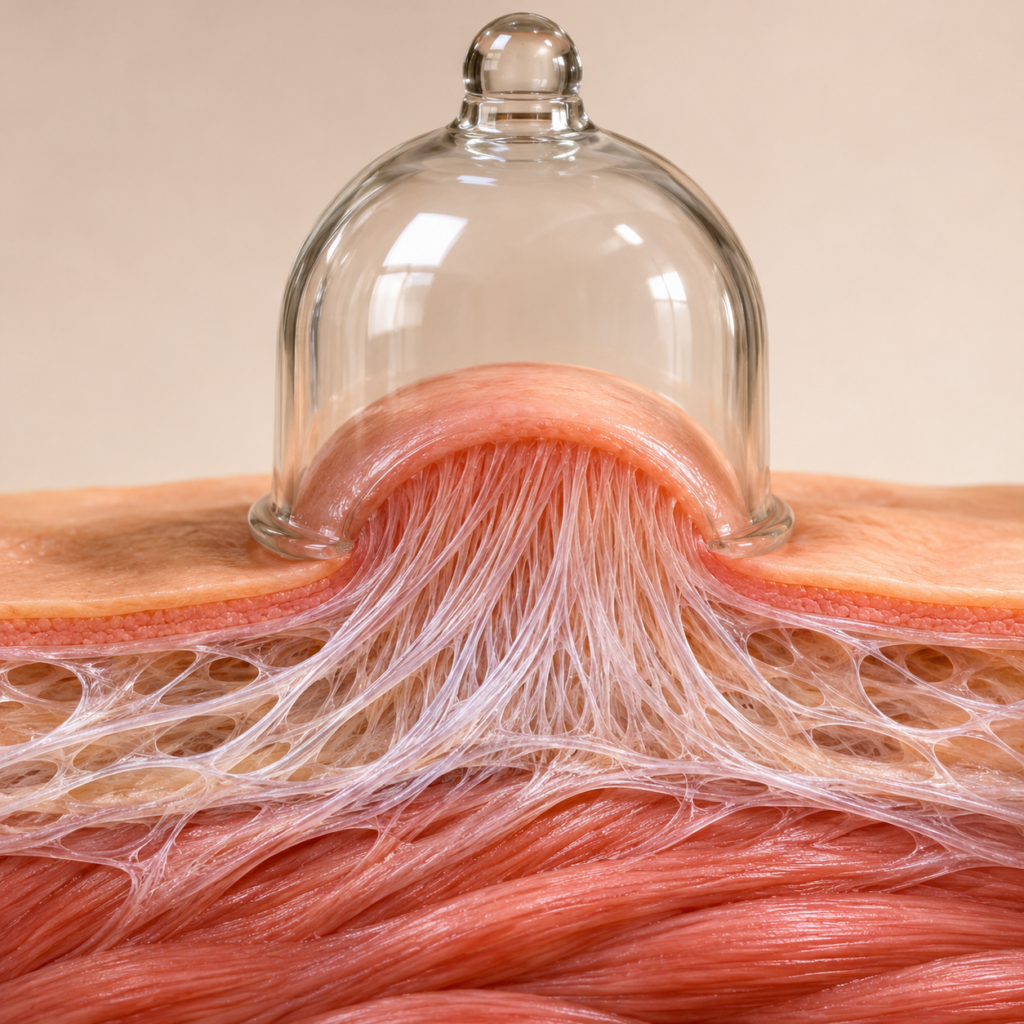
Traditional Chinese running cupping is intense, with no gentle version. The suction lifts tissue away from the body, while the gliding stretches fascia that may not have moved freely in years. Together, these actions make the technique both effective and intense.
How intense it feels depends mostly on the condition of the fascia. When the fascia is soft and moves easily, the cup lifts it with little effort, and the strokes feel like a deep stretch. When it’s tight from stress, repeated strain, or sitting in one position for a long time, it resists being lifted. The cup must work harder, making the sensation much stronger.
This explains why two people can respond very differently to the same technique. The intensity doesn’t mean anything is wrong with the treatment; it simply reflects how tight the fascia is underneath and indicates where the body has been holding the most tension.
How Bound Fascia Pulls the Body Out of Alignment
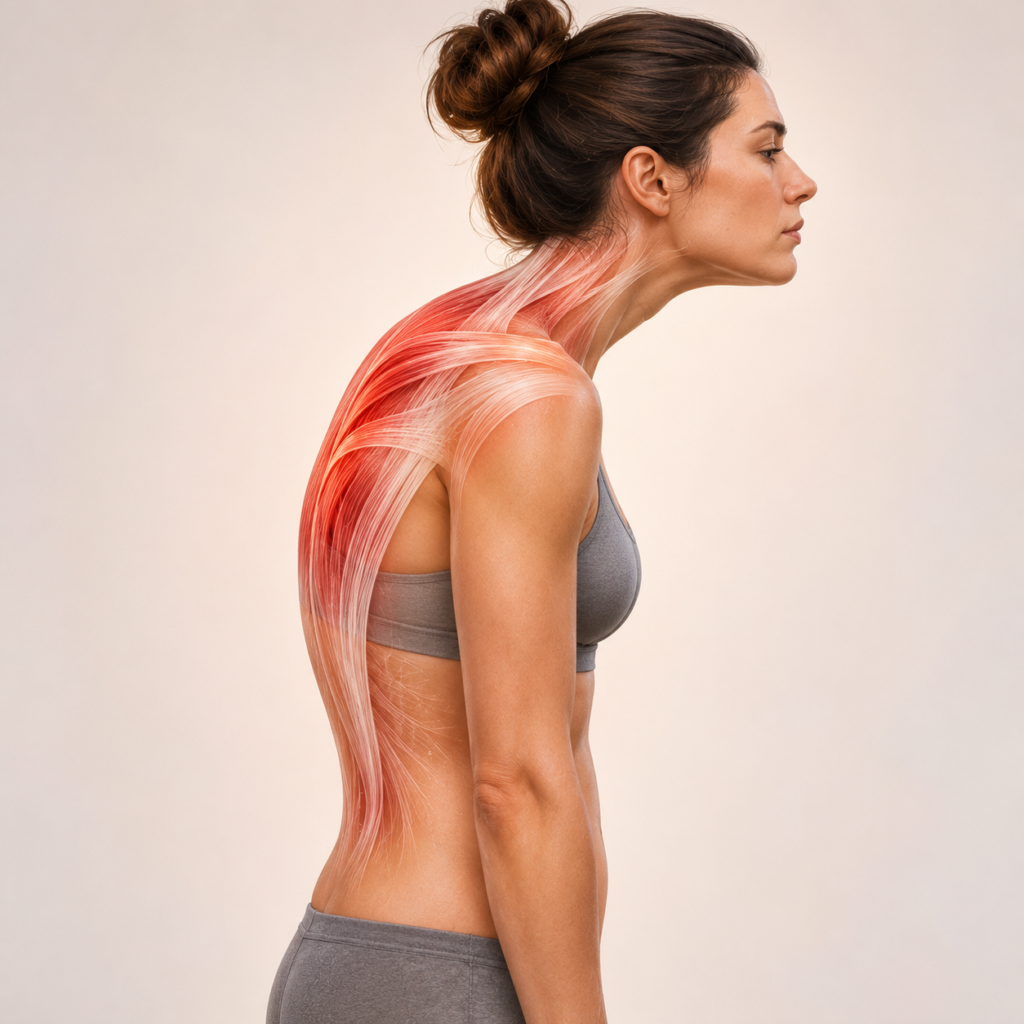
Fascia forms a continuous web throughout the body. It surrounds each muscle, connects muscles to one another, and links different regions of the body. When fascia moves freely, muscles can stretch and contract smoothly, helping the body maintain good posture without strain.
When fascia tightens, it behaves more like shrink-wrap than a flexible sleeve, squeezing the muscles it covers and pulling them out of their natural positions. For example, a tight band across the upper back can draw the shoulders forward and push the head out over the chest. Tight fascia along one side of the spine can tilt the shoulders or hips. Because fascia is connected throughout the body, tension in one area can spread elsewhere. That’s why tightness between the shoulder blades often comes with tension at the base of the skull, a stiff neck, a clenched jaw, or tightness in the lower back.
Over time, muscles pulled out of place have to work harder to keep the body upright. They tire more quickly, tighten further, and increase tension. Running cupping helps interrupt this cycle by lifting and stretching the fascia, creating space for muscles to move toward their natural position.
The Drum-Tight Skin Between the Shoulder Blades
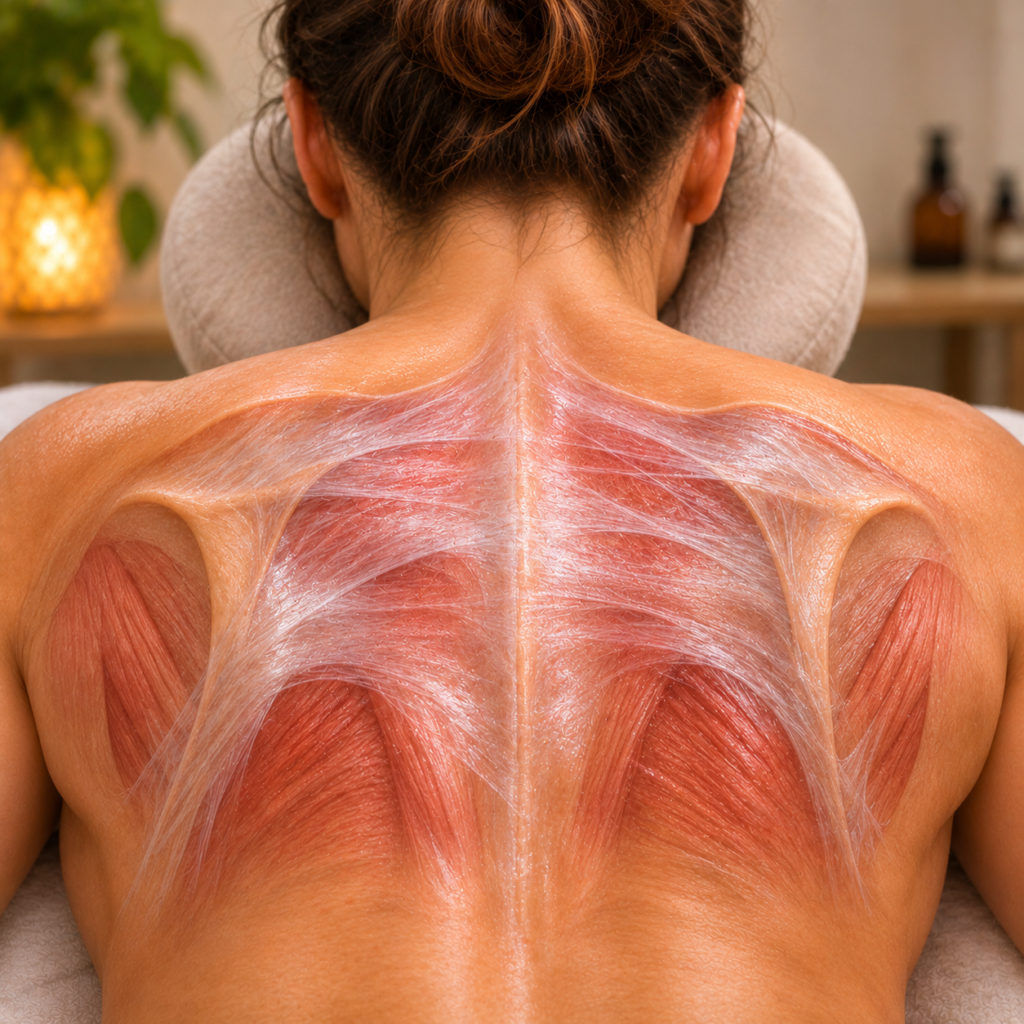
One of the clearest signs of tight fascia is between the shoulder blades and across the upper back. For many people, the skin in this area feels tight, almost like a drum. It doesn’t lift or roll easily, and when a cup is placed on it, very little tissue initially rises into the cup.
That tight feeling comes from the fascia underneath. The upper back supports the head and arms throughout the day, and it’s a common place to hold stress, with shoulders raised and shoulder blades pulled tight. Long hours at a computer, driving, or looking down at a phone add steady strain to this area. Over time, the fascia can become so tight that the skin feels stuck to the muscle below.
Running the cup over this area is usually the most intense part of the treatment. It meets the most resistance here, and the stretch is strongest where the tissue has been tight the longest. Over several sessions, as the fascia loosens, the skin lifts more easily, the cups glide more smoothly, and movement gradually returns to the upper back.
How Traditional Chinese Medicine Explains Bound Fascia
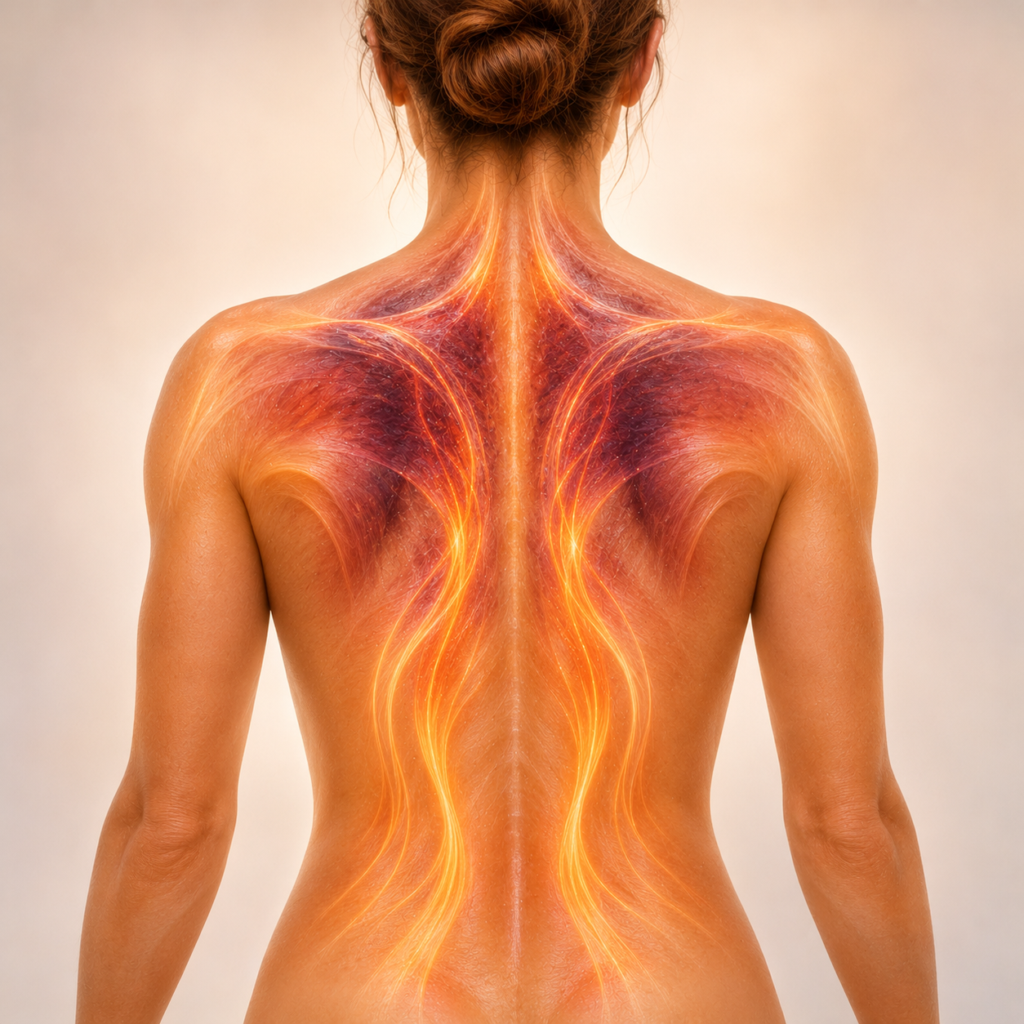
In Traditional Chinese Medicine, tight, bound tissue is called stagnation, meaning Qi and Blood aren’t flowing freely in that area. When they stagnate, the tissue gets less nourishment and flexibility, becomes stiff, and holds tension that doesn’t go away on its own.
Stress plays a central role in this picture. The Liver helps Qi flow smoothly throughout the body and nourishes the sinews, the tendons, ligaments, and connective tissue that hold the body together. Ongoing stress constrains Liver Qi, causing the sinews to tighten, especially across the neck, shoulders, and upper back. Repetitive strain and long periods in one position add local stagnation, while cold drafts or air conditioning on the back can tighten the tissue further.
Running cupping is one of the most direct ways Traditional Chinese Medicine moves stagnation. The suction draws Qi and Blood to the surface, while the gliding motion moves them along the back’s channels, restoring circulation and nourishing tissue that has been stuck.
What Deep Purple Cup Marks Indicate
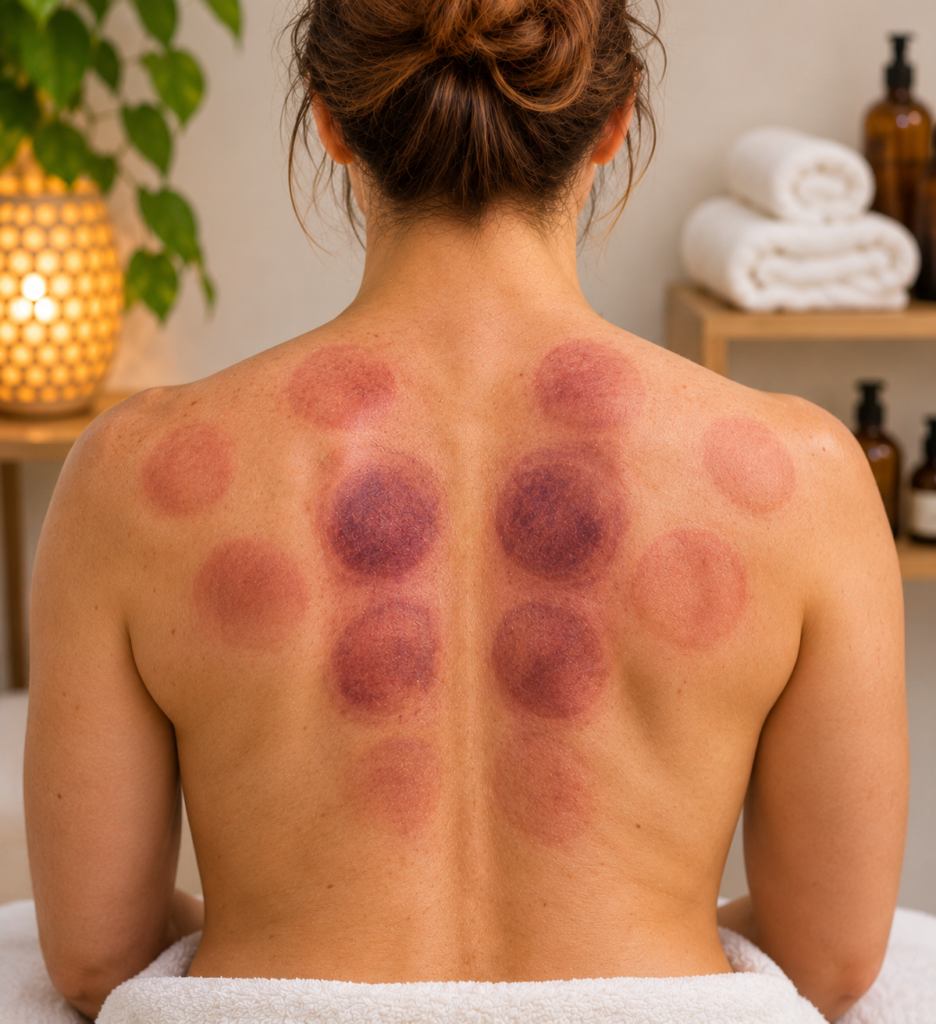
Running cupping often leaves temporary marks on the back, and the colors vary from person to person. There is considerable subjectivity in interpreting these marks, so it is best not to read too much into them.
One pattern is worth noting: when the marks turn deep purple, it indicates significant stagnation, meaning the tissue in that area has been stagnant for a long time. In these cases, additional running cupping sessions are usually recommended to continue addressing the long-standing stagnation.
Address Fascial Tension Now or Face the Consequences Later

Bound fascia does not loosen on its own. Left untreated, it continues to pull muscles out of alignment, strain surrounding areas, and often become more firmly bound as the same stresses and habits persist. The choice is not between intensity and no intensity. It is between addressing the fascia now or carrying that tightness forward and dealing with it later, often after it has caused other issues in the body.
Loosening fascia that has been bound for years takes a series of sessions, not just one visit. Each session lifts and stretches the tissue a little more. As the fascia becomes more supple, the cups glide more easily over areas that once held them tightly. Pairing running cupping with daily movement, regular breaks from sitting, attention to posture, and genuine downtime from stress helps keep the fascia looser between sessions.
After a session, stay warm, drink water, and avoid cold drafts on your back to support the work.
For more on what to expect after treatment, read what to expect after your cupping treatment.
Who Should Check Before Running Cupping

Before cupping, let your practitioner know if you take blood thinners; have a bleeding or clotting disorder; have a skin condition (e.g. eczema, psoriasis) on your back; have a sunburn, rash, open wound, or recent surgery in the area; or are pregnant (the low back and sacrum are often avoided during pregnancy). If you have very fragile skin, an active fever, or feel unwell, wait until you’ve recovered. See a doctor if your back tightness comes with numbness, tingling, or weakness in your arms or legs, or follows a fall or accident.
Cupping may support bound fascia and tension, but it does not replace proper diagnosis or medical treatment.
For more on cupping, running cupping for fascia release, the benefits of cupping therapy, and what cupping is and how it can help, see the companion posts. If you are curious about the traditional technique that uses a flame to create suction, learn about fire cupping.
Above and Beyond Acupuncture offers acupuncture, cupping, and lifestyle coaching at the North Frank Lloyd Wright Boulevard location in Scottsdale.
Schedule an appointment online to start your healing journey.

About the Publisher
Paul Kerzner, L.Ac., is a licensed acupuncturist and board-certified herbalist, as well as the founder of Above and Beyond Acupuncture in Scottsdale. His own journey from chronic patient to practicing acupuncturist shapes his commitment to providing honest, clinically grounded information about acupuncture and Traditional Chinese Medicine. Learn more about Paul and his clinical approach on the About Us page.