
Key Takeaways
- Indigestion is a common condition characterized by symptoms such as bloating and upper abdominal discomfort.
- Acupuncture can effectively address indigestion by improving gastric motility and regulating the physiological stress response.
- Research indicates that acupuncture significantly alleviates functional dyspepsia symptoms, thereby improving quality of life.
- Treatment typically involves several sessions customized to each person’s symptoms and lifestyle.
- Seek medical evaluation for severe symptoms, but acupuncture can be effective for functional indigestion.

Indigestion goes beyond a simple upset stomach; it’s a chronic condition characterized by symptoms like heaviness after eating, bloating, early fullness, nausea, burning, and upper stomach pain that often don’t improve with antacids. If changing your diet and over-the-counter treatments haven’t provided lasting relief, acupuncture could be a suitable next option. Scientific studies back the effectiveness of acupuncture for indigestion, making it one of the rare conditions with scientifically proven, measurable benefits.
What is Indigestion?

Most cases of chronic indigestion are classified as functional dyspepsia by doctors, meaning recurring discomfort in the upper abdomen without any structural issues like an ulcer.
Symptoms generally fall into two categories: one includes fullness, bloating, and early fullness after eating, while the other involves burning or pain in the upper stomach that can occur regardless of meals. This condition is very common, affecting nearly a third of adults at some point. Although not harmful on its own, it impacts quality of life by making meals uncomfortable, draining energy, and triggering anxiety. Because standard medications provide only partial relief for some, many seek alternative solutions such as acupuncture, which may offer better results.
How Does Traditional Chinese Medicine View Indigestion?
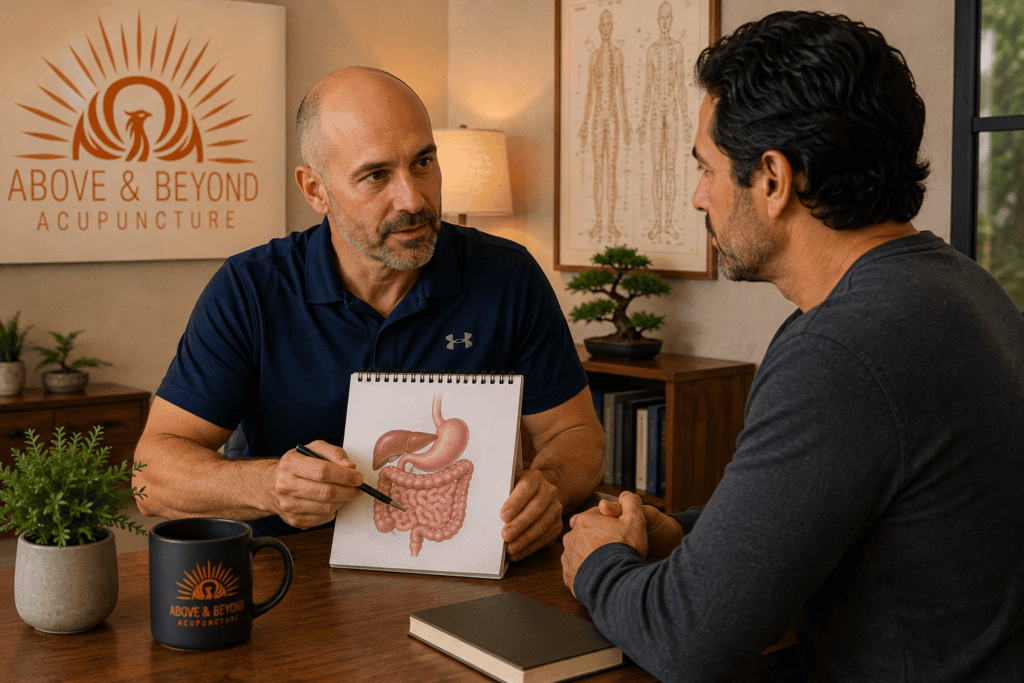
Chinese medicine has long viewed digestion as central to health, primarily managed by the Stomach and Spleen. The Stomach’s role is to receive food and send it downward, while the Spleen transforms this into Qi and Blood to nourish the body. Indigestion occurs when this process stalls. If the Stomach Qi fails to descend properly and backs up, it causes fullness, nausea, and belching. When the Spleen doesn’t effectively transform food, symptoms include bloating and a heavy, sluggish feeling after meals. Food and Qi can stagnate, heat may develop into acid and burning sensations, and stress often ties up the Liver, overacting on the Stomach and disrupting the entire system.
This pattern explains why many people experience digestive issues during stress, hurried eating, or tense meals, a concept that Traditional Chinese Medicine has described for centuries.
How Can Acupuncture Help?

Acupuncture treats indigestion by influencing both the gut and nervous system. Research shows it can improve stomach motility, which often becomes irregular in functional dyspepsia. It also decreases heightened sensitivity, making meals less painful or overly full. Importantly, acupuncture helps regulate the stress response, a key factor in indigestion. Since the gut and brain constantly communicate, stress can disrupt digestion by shifting the nervous system away from the parasympathetic, calming state needed for proper digestion. Acupuncture restores this balance, often alleviating stomach problems and related tension.
Chronic stress elevates cortisol levels, which can contribute to indigestion over time; addressing and alleviating this response targets the root causes rather than merely symptoms.
What Does the Research Show?
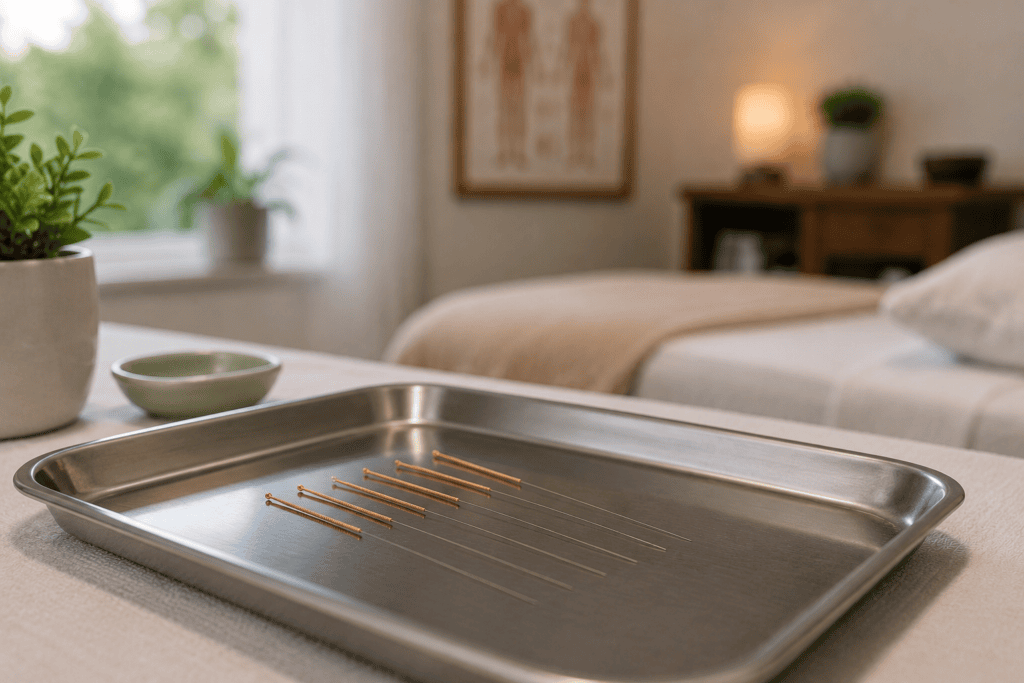
Indigestion differs from many other conditions because the evidence supporting acupuncture is strong.
A recent review of over twenty randomized trials indicates that acupuncture likely reduces symptoms of functional dyspepsia and enhances quality of life compared to sham acupuncture, with evidence rated as moderate to high, an especially remarkable finding. The study also found that acupuncture outperforms no treatment or usual care in symptom relief and significantly improves quality of life more than prokinetic drugs typically used for indigestion. These benefits were achieved without increased side effects, exemplifying acupuncture’s safety. The commonly used points, ST36, CV12, and PC6, are standard in indigestion treatment protocols. Patients underwent several weekly treatments over approximately a month. Given that conventional medications for indigestion often fall short, these results are particularly encouraging.
What to Expect From Treatment

Indigestion usually requires several treatments rather than a single session. Typically, you’ll undergo regular appointments, often once or twice weekly, over multiple weeks. The practitioner will select specific points based on your unique pattern, whether it’s fullness and bloating from stagnated Stomach Qi, a burning sensation caused by stomach heat, or stress-related Liver overactivity affecting the Stomach. Many patients notice their meals feel more comfortable within the first few weeks, with continued improvement as therapy progresses. The practitioner often combines needling with advice on diet and eating habits, since indigestion is frequently linked to lifestyle. They may also suggest self-care acupressure points to use at home, offering relief between visits.
When to See a Doctor

Acupuncture may help treat functional indigestion, which causes recurring discomfort without structural issues.
First, confirm the diagnosis. See a doctor if symptoms are new, persistent, or worsening, especially with unintended weight loss, swallowing difficulties or pain, repeated vomiting, vomiting blood, or black or bloody stools, as these need medical attention. Indigestion in people over fifty-five or those with anemia also needs evaluation. Importantly, what seems like indigestion might not be; if upper abdominal or chest discomfort occurs with chest pressure, shortness of breath, sweating, dizziness, or pain radiating to the arm, neck, or jaw, it could be a heart problem. Seek emergency care immediately.
While acupuncture can effectively treat common functional indigestion, it should complement medical assessment when there are warning signs.
Above and Beyond Acupuncture offers acupuncture, cupping, and lifestyle coaching at the North Frank Lloyd Wright Boulevard location in Scottsdale.
Schedule an appointment online or call us today to start your healing journey.

About the Publisher
Paul Kerzner, L.Ac., is a licensed acupuncturist and board-certified herbalist, as well as the founder of Above and Beyond Acupuncture in Scottsdale. His own journey from chronic patient to practicing acupuncturist shapes his commitment to providing honest, clinically grounded information about acupuncture and Traditional Chinese Medicine. Learn more about Paul and his clinical approach on the About Us page.