Key Takeaways
- Dysautonomia often remains under-supported, requiring years for a proper diagnosis; however, a multi-modal holistic approach can improve symptoms significantly.
- Key interventions include salt and fluid loading, compression garments, graded exercise, dietary adjustments, stress management, and acupuncture treatment.
- Acupuncture directly addresses autonomic dysfunction and has research support specifically for conditions like POTS and orthostatic dysfunction.
- Working with specialized medical professionals and employing a coordinated care strategy enhances the effectiveness of treatment options.
- Initial improvements can occur within weeks, with more significant changes evident over several months, emphasizing the need for a consistent multi-modal approach.
Dysautonomia is one of the most under-supported conditions in modern medicine. The typical patient spends years cycling through specialists before receiving a diagnosis. Even after diagnosis, the treatment options offered are often limited to a few medications and general advice about salt and fluids. Many patients leave with the impression that there is not much else to be done.
The picture is actually much more hopeful than that. Dysautonomia responds meaningfully to a multi-modal holistic approach that addresses the underlying drivers rather than only managing the resulting symptoms. Salt and fluid loading. Compression garments. Graded exercise in appropriate positions. Sleep optimization. Dietary adjustments including identification of specific inflammatory food triggers. Stress management and nervous system regulation. Acupuncture treatment. Coordinated medical care.
Each pillar addresses a different aspect of the autonomic dysfunction. Together they produce meaningful improvements for many patients that single-intervention approaches cannot achieve. The full picture of what dysautonomia is and how acupuncture specifically addresses it is covered in Can Acupuncture Help Dysautonomia?. This piece covers the broader holistic framework.
Salt and Fluid Loading
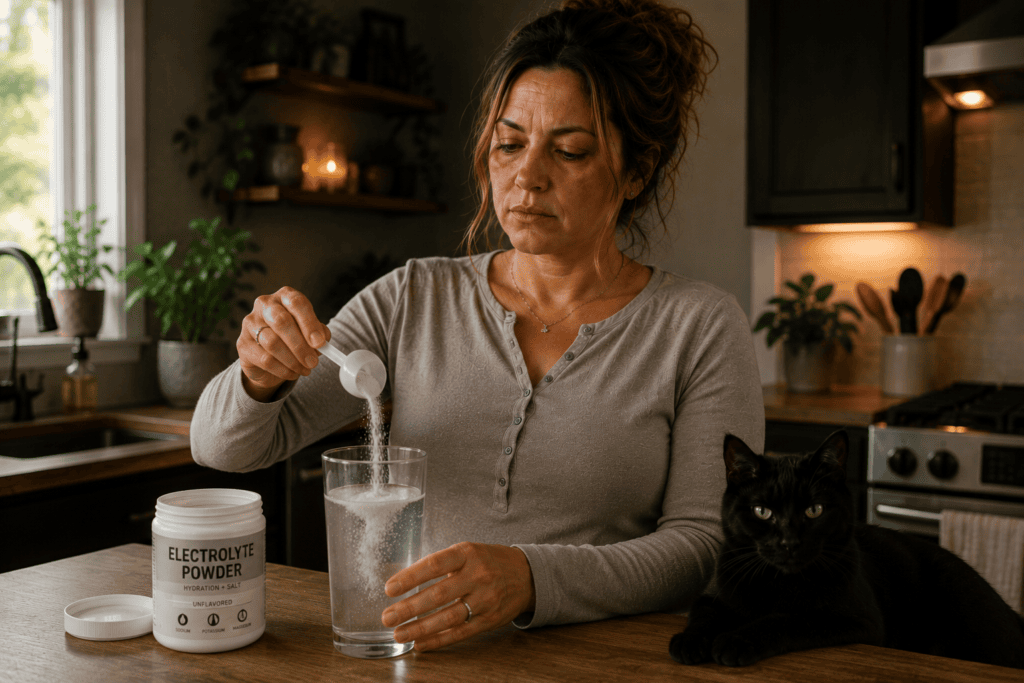
This is one of the most foundational medical interventions for POTS, orthostatic hypotension, and other orthostatic patterns. Dysautonomia often involves low blood volume relative to what the cardiovascular system needs to respond to positional changes. Increasing salt intake and fluid volume expands blood volume, which reduces the orthostatic symptoms that dominate many patients’ daily experience.
The typical recommendation for dysautonomia patients is significantly more salt than the general population needs. Depending on the specific condition and the patient’s other health factors, this can range from 3 to 10 grams of sodium per day. Fluid recommendations typically range from two to three liters daily. These numbers are much higher than standard health advice, which is one reason patients often need to hear this specifically from a provider who understands the condition.
The salt intake matters more when spread through the day rather than consumed in large single doses. Electrolyte-containing beverages that include sodium along with potassium and other minerals often work better than plain water for maintaining volume expansion. Working with a physician who understands dysautonomia is important because patients with other conditions (kidney disease, heart failure, high blood pressure) need individualized guidance rather than generic advice.
Compression Garments

Compression stockings and abdominal binders are among the most effective non-pharmaceutical interventions for orthostatic dysautonomia. The mechanism is direct. Compression reduces the pooling of blood in the legs and abdomen that occurs on standing, which improves venous return to the heart and reduces the orthostatic drop in blood pressure.
The specific level of compression matters. Grade II compression (20-30 mmHg) is typically the minimum useful level. Grade III (30-40 mmHg) provides more support and is often necessary for patients with more severe symptoms. Waist-high or thigh-high garments provide more benefit than knee-high options because they address the abdominal pooling that contributes significantly to the orthostatic response.
Abdominal binders can provide additional support when standing produces significant symptoms. These are often used in combination with compression stockings rather than as a replacement.
Graded Exercise in Appropriate Positions
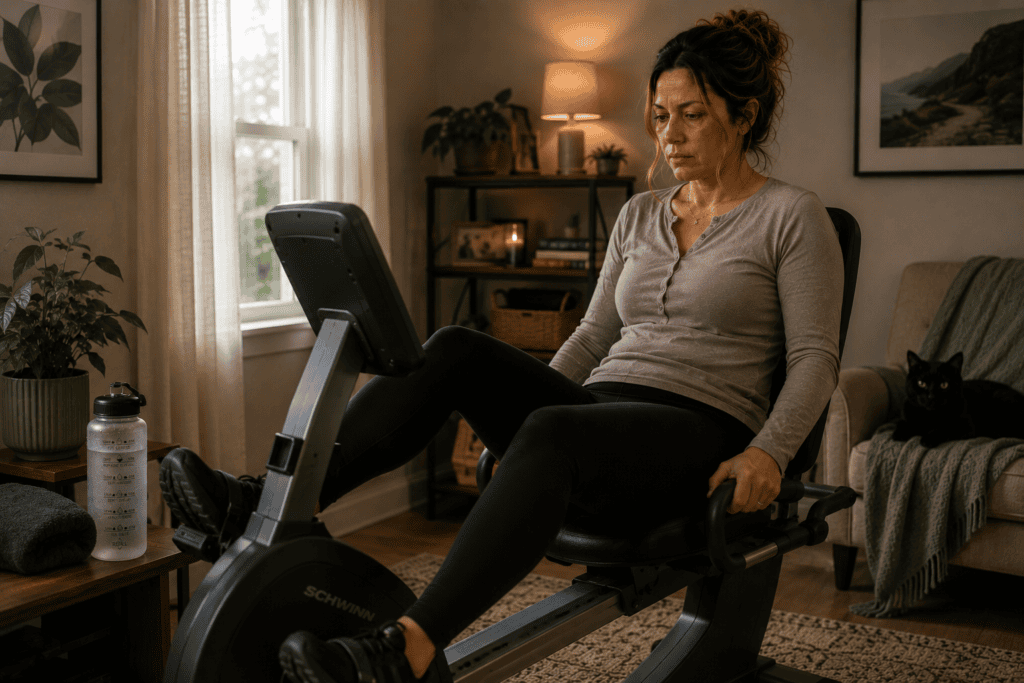
Exercise is essential for dysautonomia recovery, but the standard approach of “just exercise more” produces flares for many patients. The autonomic system that has been dysregulated cannot tolerate the demands of standard upright cardiovascular exercise. Patients who push through anyway often experience severe symptom flares that set back their recovery for weeks.
The correct approach is graded exercise in positions that minimize the orthostatic challenge. Recumbent exercise (recumbent bicycle, rowing machine, or swimming) allows patients to build cardiovascular fitness without triggering orthostatic symptoms. Starting with brief sessions (5 to 10 minutes) and gradually building duration and intensity over weeks and months produces sustainable improvements.
The Dallas POTS exercise protocol and similar structured graded exercise programs have research support for improving dysautonomia symptoms over time. The key principle is that the exercise should not produce symptom flares that persist beyond the immediate session. Working with a physical therapist who understands dysautonomia is often helpful for individualizing the progression.
Sleep Optimization
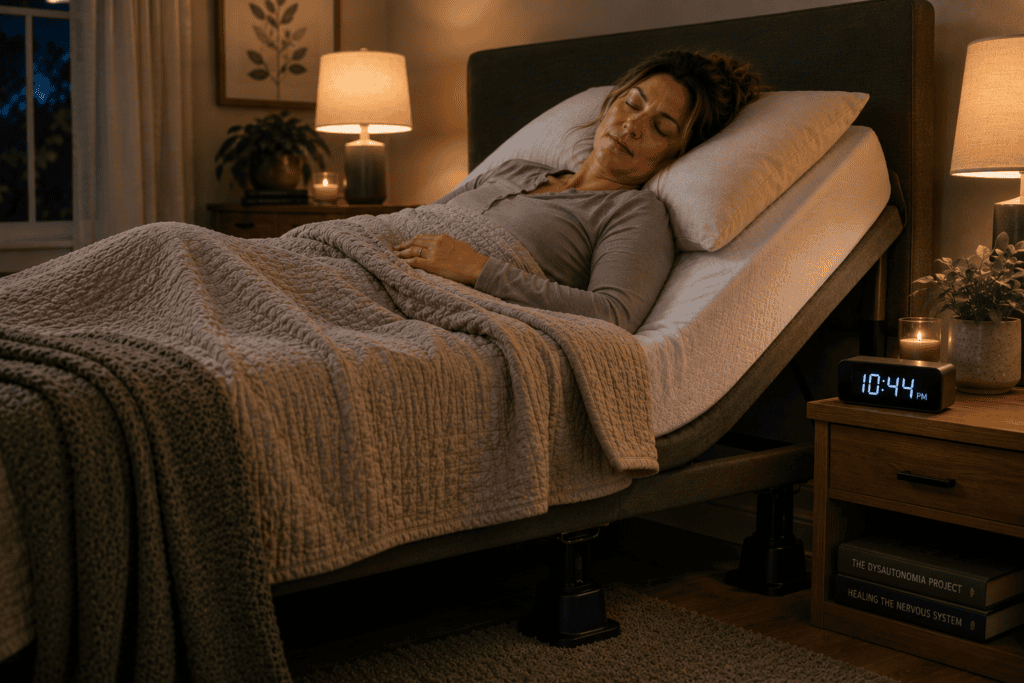
Sleep is essential for autonomic recovery. Dysautonomia often disrupts sleep through the autonomic dysregulation itself, and the disrupted sleep in turn worsens the next day’s symptoms.
Elevating the head of the bed by 6 to 8 inches (using bed risers or a wedge) reduces the volume of fluid that shifts overnight, which reduces the morning orthostatic symptoms many patients experience.
Consistent sleep and wake times support the circadian regulation of the autonomic system. A cool, dark, quiet bedroom supports sleep quality.
Managing pre-sleep stress through breath work, gentle stretching, or other calming practices supports the parasympathetic activation that sleep requires.
Dietary Considerations Including IgG Food Sensitivity Testing

Dietary patterns significantly influence dysautonomia symptoms. Several principles apply to most patients.
Frequent smaller meals reduce postprandial hypotension, which is the drop in blood pressure that occurs after large meals. Patients who eat large meals often experience severe symptom flares afterward as blood shifts to the digestive system. Smaller more frequent meals prevent this pattern.
Reducing alcohol helps most patients because alcohol worsens orthostatic symptoms and disrupts sleep. Caffeine can help some patients (through the mild vasoconstriction) but worsen others (through the sleep and anxiety effects). Individual response varies.
The most impactful dietary intervention for many dysautonomia patients is identifying the specific foods driving the inflammation that contributes to the autonomic dysfunction. Chronic low-grade inflammation is a common finding in dysautonomia patients, and reducing this inflammatory load produces meaningful improvements in autonomic function for many patients.
The single most useful clinical tool for identifying inflammatory food triggers is the IgG food sensitivity test. The test measures immunoglobulin G antibodies the immune system produces in response to specific foods, which reveals the delayed immune reactions that drive chronic inflammation. Unlike classical food allergies that produce immediate obvious symptoms, IgG sensitivities produce delayed patterns that patients often do not connect to specific foods. The full discussion of how the test works and what it can reveal is in The Many Benefits of the IgG Food Sensitivity Test.
For dysautonomia patients, identifying and removing the specific IgG-triggering foods often produces meaningful improvements in autonomic symptoms within weeks. The inflammation dimension has been under-recognized in the standard dysautonomia treatment framework, and addressing it directly is one of the highest-yield interventions available.
Stress Management and Nervous System Regulation

Chronic stress activates the sympathetic nervous system, which worsens autonomic dysregulation. Dysautonomia patients often live in a state of nervous system activation not just from the underlying condition but from the emotional and practical demands of managing a chronic condition.
Direct nervous system practices that support parasympathetic activation produce measurable improvements. Slow deliberate breath work, particularly extended exhale patterns, activates the vagus nerve and shifts the autonomic balance. Regular practice matters more than individual sessions.
Meditation and mindfulness practices support the nervous system regulation that dysautonomia recovery requires.
Reducing sources of chronic stress where possible supports the underlying recovery. This includes sleep disruption, overwork, relationship stress, and other sustained stressors that keep the sympathetic system activated.
The fuller picture of how chronic stress affects the body is in What Is Cortisol and Why Do I Have So Much of It?.
Acupuncture Treatment
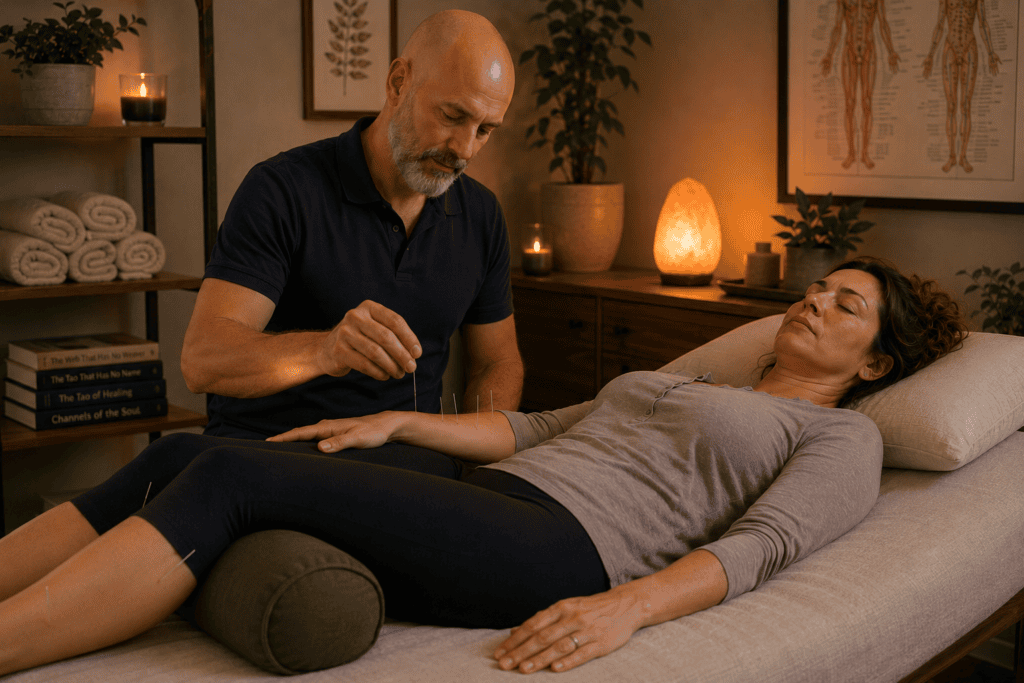
Acupuncture addresses the autonomic dysfunction directly through documented mechanisms. Sympathetic downregulation. Parasympathetic activation. Vagal stimulation. Improvements in heart rate variability. Better cardiovascular response to orthostatic stress. Reduction of inflammatory markers.
The nervous system effects are exactly what dysautonomia patients need, and the treatment has meaningful research support specifically for POTS and orthostatic dysfunction. The full picture of the mechanisms and what to expect from acupuncture treatment is covered in Can Acupuncture Help Dysautonomia?.
The Dysautonomia International research summary describes the autonomic mechanisms and the complementary approaches that patients have found helpful.
Coordinated Medical Care

The holistic approach works best when integrated with appropriate medical care. Working with a physician who specializes in autonomic disorders provides the diagnostic clarity and medical management that the condition requires.
Autonomic neurologists, cardiologists with dysautonomia expertise, and specialists in complex chronic conditions can identify the specific form of dysautonomia and manage medications when they are indicated. Beta blockers, midodrine, fludrocortisone, ivabradine, and other medications have specific roles for specific patients.
The NCCIH summary on acupuncture covers the broader research base for the treatment as it applies to autonomic and nervous system conditions.
Realistic Expectations
The holistic approach to dysautonomia is a longer process than treating an acute condition. The autonomic dysregulation has developed over time, and unwinding it requires sustained work across multiple pillars.
Most patients see initial improvements within four to eight weeks of consistent multi-modal work, with more substantial changes emerging over three to six months. The improvements are usually graded rather than dramatic. A patient who could stand for five minutes without symptoms may find themselves standing for fifteen. A patient whose fatigue prevented them from working may find themselves able to work reduced hours. These are meaningful changes that support the return to more sustainable daily function.
Some patients experience substantial improvement over the course of holistic treatment. Others experience meaningful but partial improvement. A few require ongoing management rather than resolution. The multi-modal nature of the approach is one of its strengths because different patients respond to different combinations of the underlying interventions.
Where to Start
For most dysautonomia patients, the highest-yield first steps are the ones that produce the fastest measurable improvements. Salt and fluid loading, compression garments, and identifying inflammatory food triggers through the IgG food sensitivity test all fit this category. These interventions can produce meaningful symptom reduction within weeks.
Adding graded exercise and structured sleep optimization builds on this foundation over the following weeks and months. Acupuncture treatment adds direct autonomic regulation and supports the broader work. Coordinated medical care with a dysautonomia-informed physician provides the diagnostic clarity and medication management when indicated.
The broader stress and nervous system framework that maintains many chronic conditions including dysautonomia is covered in Anxiety, Stress, and Depression.
The full picture of what the practice offers is in Acupuncture, Cupping & Lifestyle Coaching.
Reach out to Above and Beyond Acupuncture on North Frank Lloyd Wright Boulevard in Scottsdale to schedule a consultation. Dysautonomia is treatable, and the multi-modal approach produces meaningful improvements when it is applied consistently.
Schedule an appointment online or call us today to start your healing journey.