Key Takeaways
- Modern healthcare increasingly integrates Eastern and Western medicine, leading to better patient outcomes.
- Western medicine excels in acute interventions, diagnostic precision, and surgical procedures, but has limitations for chronic conditions.
- Eastern medicine proactively identifies imbalances, manages chronic conditions, and offers holistic support where Western medicine may fall short.
- The combination of both systems proves effective for conditions like chronic pain, infertility, and stress management.
- Patients should seek a healthcare team that incorporates both Eastern and Western approaches for comprehensive care.
The old framing of Eastern versus Western medicine as competing systems has largely dissolved in modern healthcare. Major academic medical centers now have integrative medicine departments. The National Institutes of Health funds acupuncture research. Insurance coverage for acupuncture has expanded steadily for specific indications. Patients increasingly work with providers across both traditions and find that the combination produces better outcomes than either alone.
The reason the integration works is that Eastern and Western medicine excel at fundamentally different things. Understanding what each system does well, and where each system reaches its limits, gives patients and providers a framework for using both effectively.
At the most basic level, the distinction between the two systems can be understood through orientation. Eastern medicine is proactive. It works to identify and address patterns of imbalance before they become disease, and it supports the body’s ongoing capacity to maintain health. Western medicine is reactive. It excels at identifying specific pathologies once they develop and delivering targeted interventions to correct them.
Both orientations are necessary. Neither is sufficient on its own. Here is what each system offers, where each reaches its limits, and how the combination produces the best patient outcomes.
What Western Medicine Does Well
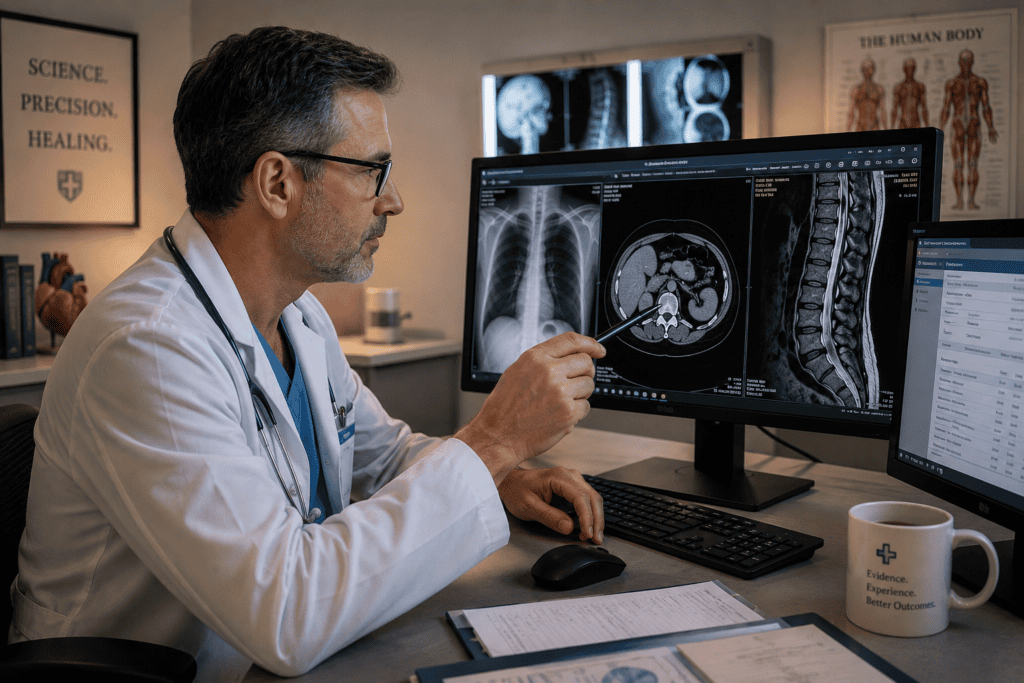
Western medicine is one of the great achievements of modern civilization. In the categories where it works, it works better than any other approach in history. Understanding those categories clearly is essential for using Western medicine appropriately.
- Acute intervention. Trauma care, emergency surgery, cardiac intervention, and life-threatening infectious disease treatment all sit squarely in Western strength. When someone is in a car accident, has a heart attack, develops sepsis, or needs an appendectomy, Western medicine saves lives in ways that no other tradition can replicate.
- Diagnostic precision. Advanced imaging (MRI, CT, ultrasound), laboratory testing, genetic analysis, and other diagnostic technologies identify specific conditions with a precision that would be impossible without them. When the question is what specific pathology is producing symptoms, Western medicine’s diagnostic capabilities are essential.
- Surgical intervention. Modern surgery can repair structural damage that no other medical tradition can address. Joint replacement, cardiac bypass, tumor resection, and reconstructive procedures all extend and improve lives.
- Pharmaceutical intervention for specific conditions. Antibiotics for bacterial infection. Insulin for type 1 diabetes. Chemotherapy for many cancers. Antiretroviral medications for HIV. These represent Western medicine’s ability to deliver targeted molecular interventions for specific conditions.
- Emergency and critical care. The infrastructure of emergency departments, intensive care units, and rapid response systems represents an essential capability of modern healthcare that no traditional medicine can match.
The Cleveland Clinic overview of integrative medicine describes how Western medicine has increasingly recognized the value of integrating complementary approaches for conditions where standard care alone reaches its limits.
Where Western Medicine Reaches Its Limits
For all its strengths, Western medicine has categories where its framework reaches its natural limits.
- Chronic conditions without a single pathology. Fibromyalgia, chronic fatigue, dysautonomia, functional digestive disorders, and many chronic pain conditions do not fit neatly into the disease-specific framework that Western medicine works with best. Patients with these conditions often cycle through specialists without receiving effective treatment because there is no single pathology to target.
- Functional dysregulation rather than structural damage. Autonomic dysfunction, hormonal imbalances that fall short of clinical disease, subclinical inflammation, and other patterns of dysregulation are difficult to address through medications designed to target specific molecular pathways.
- The multi-system nature of chronic illness. Chronic conditions often involve multiple systems interacting in complex ways. The specialist-driven organization of Western medicine can miss the connections between systems that a whole-person framework would recognize.
- Prevention of chronic disease. Western medicine is highly effective at treating chronic disease once it develops. It is less effective at preventing chronic disease from developing in the first place through addressing the underlying patterns of imbalance.
- Health optimization for patients who are not sick. Once Western medicine has ruled out specific conditions, it has limited tools for supporting the patient who feels unwell but does not meet diagnostic criteria for any specific disease.
What Eastern Medicine Does Well
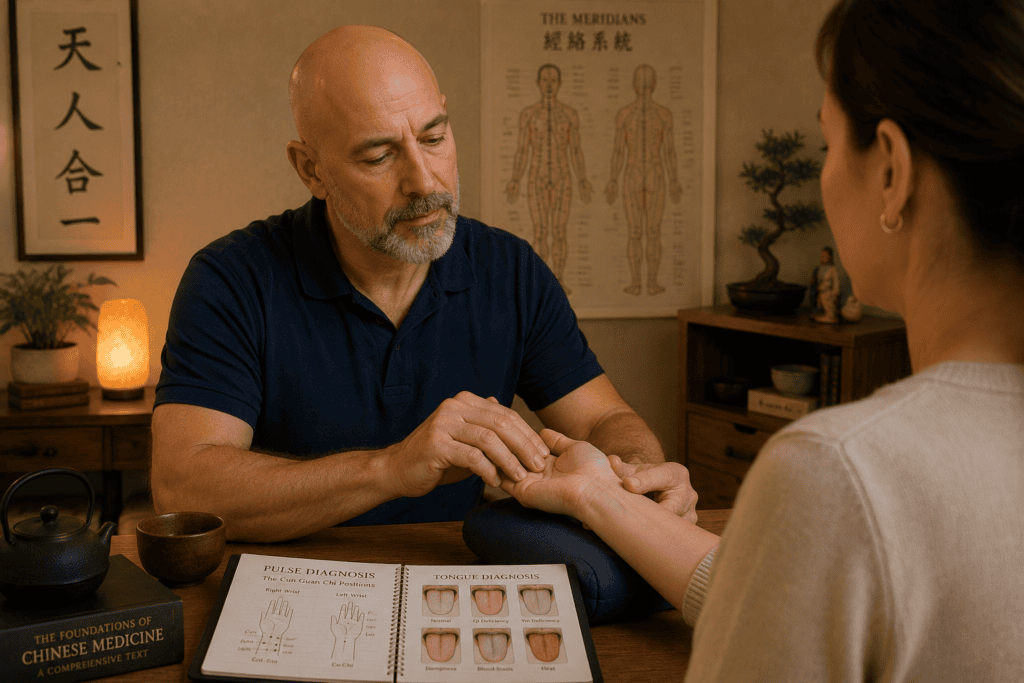
Traditional Chinese Medicine and other Eastern traditions bring a different orientation that addresses exactly the categories where Western medicine reaches its limits.
- Proactive pattern recognition. Chinese medicine identifies patterns of imbalance long before they progress to clinical disease. The pulse and tongue diagnosis that a licensed acupuncturist performs reveals patterns of Qi deficiency, Blood stagnation, Yin depletion, or other imbalances that Western diagnostic tools do not detect. Addressing these patterns supports the body’s ongoing capacity to maintain health.
- Chronic condition management. Chronic pain, chronic fatigue, chronic digestive dysfunction, autonomic dysregulation, and stress-driven patterns all respond meaningfully to acupuncture and Chinese medicine in ways that Western medicine often does not reach. The multi-mechanism nature of the treatment matches the multi-system nature of chronic illness.
- Functional support. Where Western medicine excels at addressing specific pathology, Eastern medicine excels at supporting the function that pathology has not yet appeared in. Sleep quality that is compromised but not disordered enough for a sleep diagnosis. Fatigue that is real but not explained by any specific condition. Digestive discomfort that persists despite a normal medical workup. These fall within Eastern medicine’s territory.
- Whole-person framework. Chinese medicine treats the whole person rather than a specific organ or system. The framework recognizes that emotional patterns affect physical health, that sleep affects digestion, that stress affects immunity, and that all systems interact. This whole-person orientation matches the reality of how bodies actually work.
- Prevention through lifestyle and constitutional support. Chinese medicine has thousands of years of accumulated wisdom on how diet, movement, sleep, breath, and lifestyle patterns support health. This preventive orientation addresses chronic disease before it develops rather than only responding to it once it has.
- Nervous system regulation. The autonomic nervous system dysregulation that underlies many chronic conditions responds directly to acupuncture treatment. The measurable effects on heart rate variability, cortisol, sympathetic activation, and vagal tone represent one of the most well-documented areas of acupuncture research.
A more complete picture of what acupuncture does to the body across multiple mechanisms is found in What Does Acupuncture Actually Do to Your Body?.
Where Eastern Medicine Reaches Its Limits
Chinese medicine has its own categories where the framework reaches natural limits.
- Acute emergencies. A heart attack, a serious infection, a traumatic injury, or another acute emergency requires the interventions that Western medicine provides. Acupuncture cannot stop a bleeding artery or clear a blocked coronary vessel.
- Diagnostic precision for specific pathology. Chinese medicine’s pulse and tongue diagnosis identifies patterns of imbalance, but it does not distinguish between a benign digestive pattern and pancreatic cancer that happens to produce similar symptoms. Advanced diagnostic imaging and testing are essential for identifying specific pathology.
- Structural damage. Torn ligaments, herniated discs, joint destruction from arthritis, and other structural damage often require surgical intervention that no traditional medicine can replicate.
- Specific pharmaceutical requirements. Bacterial infections requiring antibiotics, insulin-dependent diabetes, and other conditions requiring specific pharmaceutical intervention need Western medicine’s tools.
- Emergency infrastructure. The rapid response systems, emergency departments, and intensive care capabilities of Western medicine represent essential resources that no traditional medicine can substitute for.
Where the Two Systems Combine Most Synergistically
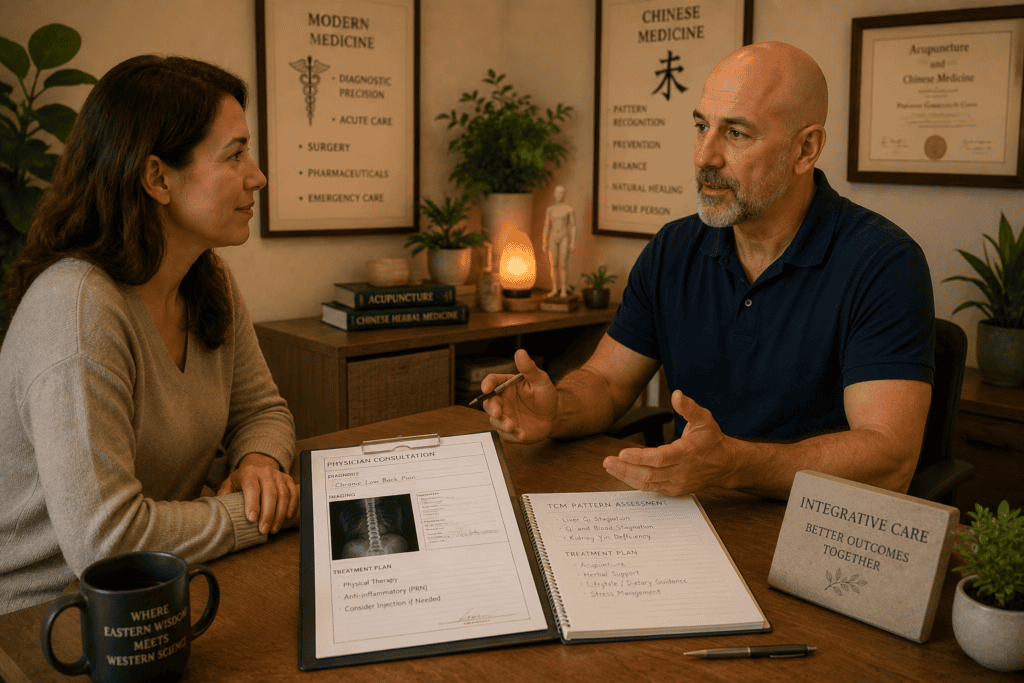
The best patient outcomes come from using both systems appropriately for what each does well. Several specific conditions illustrate the value of the integrated approach.
- Chronic pain conditions. Western medicine provides diagnostic evaluation to rule out serious pathology (fracture, tumor, nerve damage, structural instability). Acupuncture treatment then addresses the underlying muscular, autonomic, and nervous system patterns that maintain the chronic pain. Neither approach alone produces the same outcomes as the two combined.
- Bell’s palsy. Western medicine provides prompt diagnosis to distinguish Bell’s palsy from stroke and initiates time-sensitive corticosteroid treatment within 72 hours. Acupuncture treatment started as early as possible provides the direct nerve stimulation and muscular support that standard care does not offer. The combination produces better outcomes than either alone.
- Fertility support during IVF. Reproductive endocrinology provides the medical framework and the specific interventions that IVF requires. Acupuncture supports the HPA-ovarian axis, uterine blood flow, and stress regulation that improve outcomes during the process.
- Dysautonomia and POTS. Autonomic neurology provides the diagnostic framework and the medical management. Acupuncture treatment directly regulates the autonomic nervous system while dietary, exercise, and lifestyle interventions address the broader picture.
- Chronic stress and mental health. Mental health providers offer psychotherapy, medication management when indicated, and the therapeutic framework that clinical conditions require. Acupuncture treatment addresses the autonomic dysregulation and constitutional patterns that maintain chronic stress and support the broader treatment approach.
- Digestive dysfunction. Gastroenterology provides diagnostic evaluation to identify structural or inflammatory disease. Acupuncture and dietary interventions then address the functional patterns that produce ongoing symptoms in patients whose medical workup was largely normal.
- Post-surgical recovery. Surgery provides the intervention for structural damage or specific pathology. Acupuncture supports recovery through improved circulation, reduced inflammation, better sleep, and pain management that reduces the need for opioid medications.
How to Work With Both Systems
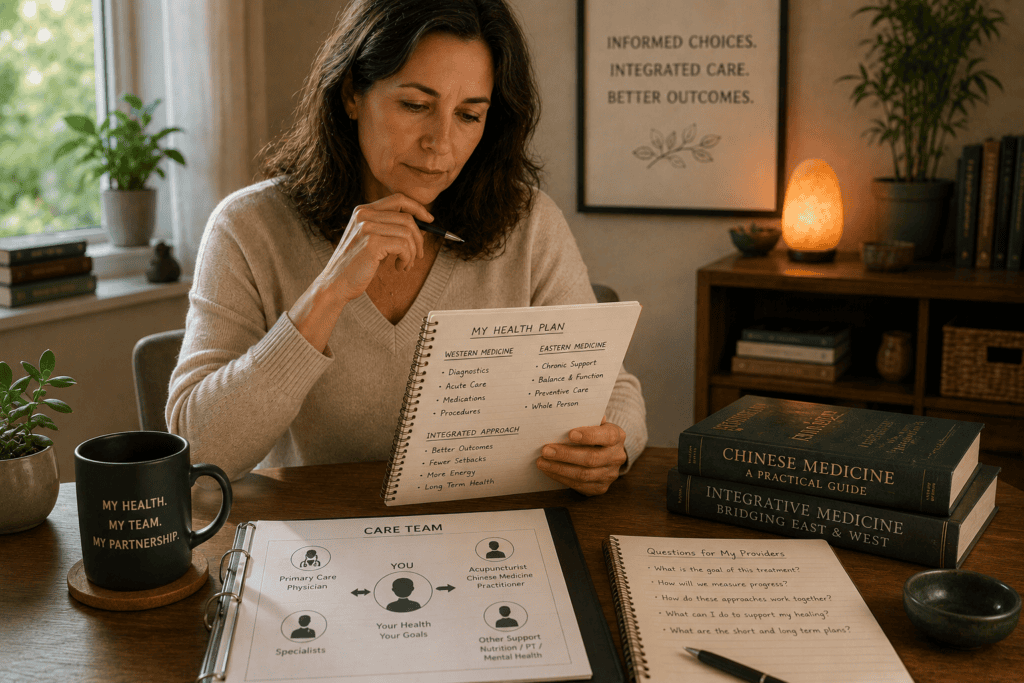
For patients navigating chronic conditions, the practical framework is straightforward. Use Western medicine for what it does well: acute conditions, diagnostic precision, structural intervention, and specific pharmaceutical treatment. Use Eastern medicine for what it does well: chronic condition management, functional dysregulation, whole-person support, and preventive care.
Building a healthcare team that includes both perspectives serves you better than relying on either alone. Primary care and specialist physicians for the diagnostic framework and specific interventions. Licensed acupuncturists for the pattern-based approach to chronic conditions and preventive care. When both perspectives inform your care, you get the benefit of both systems’ strengths without either system’s limitations.
The broader nervous system and stress framework that shows up across many chronic conditions is covered in Anxiety, Stress, and Depression.
The NCCIH summary on Traditional Chinese Medicine provides the federal research perspective on the integration of Eastern and Western approaches.
Where to Start
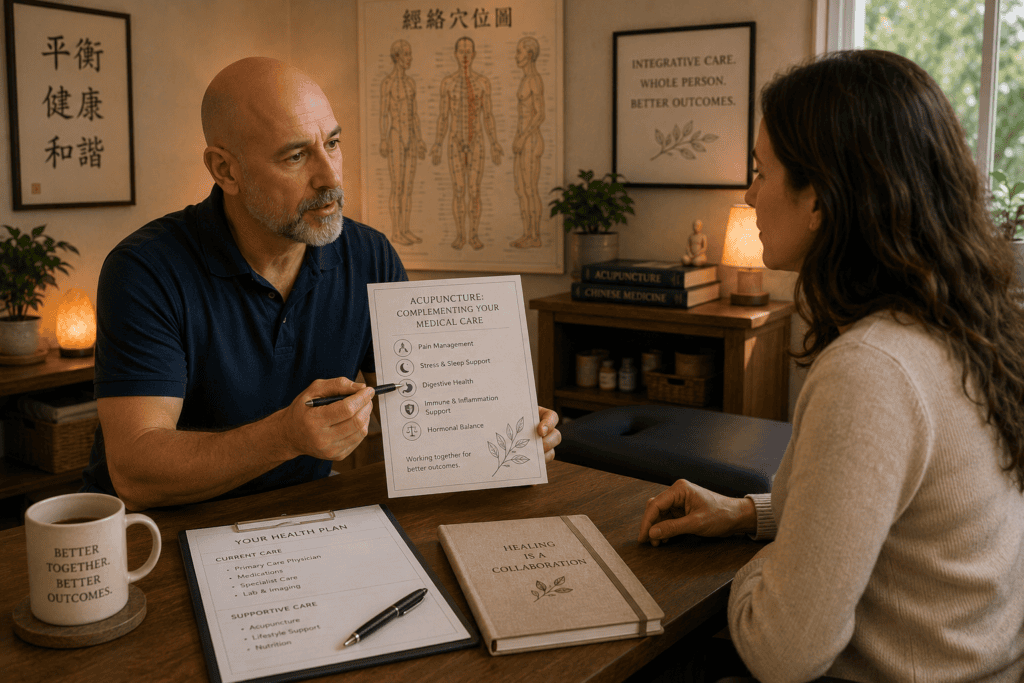
If you are dealing with a chronic condition that has not fully responded to standard care, adding acupuncture treatment to your existing healthcare approach is worth considering. Most patients find that the combination produces better outcomes than either approach alone.
The full picture of what the practice offers is in Acupuncture, Cupping & Lifestyle Coaching.
Reach out to Above and Beyond Acupuncture on North Frank Lloyd Wright Boulevard in Scottsdale to schedule a consultation. The integration of Eastern and Western medicine offers the best of both traditions, and finding practitioners who work well together within your healthcare team supports better outcomes than either system alone.
Schedule an appointment online or call us today to start your healing journey.