Key Takeaways
- General anxiety disorder affects millions and involves persistent worry that disrupts daily life.
- Standard care includes therapy and medications, but many seek additional tools like acupuncture for relief.
- Acupuncture supports GAD by regulating the nervous system, reducing cortisol, and addressing physical symptoms.
- Complementary care integrates acupuncture with mental health support, medications, and lifestyle changes.
- Research shows acupuncture can effectively reduce anxiety symptoms, making it a valuable addition to treatment plans.
The chronic worry that will not turn off. The sleep disruption that leaves you exhausted. The chest tightness and physical tension. The mental fog that makes it hard to focus. The sense that something is always slightly wrong even when nothing specific has happened. GAD is a serious condition that affects nearly every part of daily life.
Standard care includes therapy (particularly cognitive behavioral therapy), medications when appropriate (SSRIs, SNRIs, and other classes), and lifestyle work. These approaches help many patients but often render only partial relief or produce side effects. Patients living with GAD often want additional tools that address the physical and nervous system component underlying chronic anxiety.
Acupuncture and Traditional Chinese Medicine offer meaningful support for general anxiety disorder. The treatment does not replace therapy, medications, or the mental health care that GAD requires. What acupuncture does is address the physical and nervous system patterns that make chronic anxiety so difficult, which supports the deeper work of managing the condition through appropriate mental health care.
Here is what GAD actually involves, how acupuncture supports the condition, and how to think about integrated care.
What Is General Anxiety Disorder?

General anxiety disorder is a diagnosable mental health condition involving persistent and excessive worry about a range of everyday events or activities. The worry is difficult to control, occurs more days than not for at least six months, and interferes with functioning.
- Common symptoms include chronic worry that cannot be turned off, restlessness or feeling on edge, difficulty concentrating or mind going blank, irritability, muscle tension particularly in the neck and shoulders, sleep disturbance, and fatigue that does not resolve with rest.
- Physical symptoms are as common as psychological symptoms and often more debilitating. Chest tightness. Heart palpitations. Digestive issues including nausea, changes in appetite, and IBS-type symptoms. Chronic headaches. Fatigue. Frequent illness from immune suppression. Sleep issues including difficulty falling asleep, waking during the night, and unrefreshing sleep.
- Distinction from occasional anxiety. Everyone experiences anxiety sometimes. GAD is distinguished by the persistence, intensity, and functional impairment that occasional anxiety does not produce.
- Distinction from other anxiety conditions. GAD is different from panic disorder (episodic panic attacks), specific phobias, social anxiety disorder, and obsessive-compulsive disorder, though these conditions can overlap.
The Mayo Clinic overview of generalized anxiety disorder and the National Institute of Mental Health information provide the medical picture of the condition.
How Does GAD Affect the Body?

The physical toll of chronic anxiety is often underestimated and understated. The nervous system stays in a prolonged sympathetic stress response, which affects nearly every bodily system over time.
- Cardiovascular effects. Elevated resting heart rate. Blood pressure changes. Increased cardiovascular risk with sustained chronic anxiety.
- Digestive effects. GAD is closely linked to IBS and other functional digestive disorders. Appetite changes and nutrient absorption issues are common.
- Immune effects. Chronic cortisol elevation from sustained anxiety suppresses immune function, which contributes to frequent illness and delayed healing.
- Sleep effects. Sleep disruption is nearly universal in GAD and worsens every other symptom in a self-reinforcing cycle.
- Musculoskeletal effects. Chronic muscular tension particularly in the neck, shoulders, and jaw. Tension headaches. Chronic pain conditions often worsen with GAD.
- Cognitive effects. The “anxious brain fog” that many patients describe includes difficulty concentrating, memory issues, and decision fatigue.
- Metabolic effects. Chronic stress affects blood sugar regulation and metabolic patterns over time.
The chronic cortisol elevation from sustained anxiety drives many of these physical patterns. The chronic inflammation that develops from prolonged stress contributes to the physical patterns of GAD over time.
How Does Traditional Chinese Medicine View GAD?
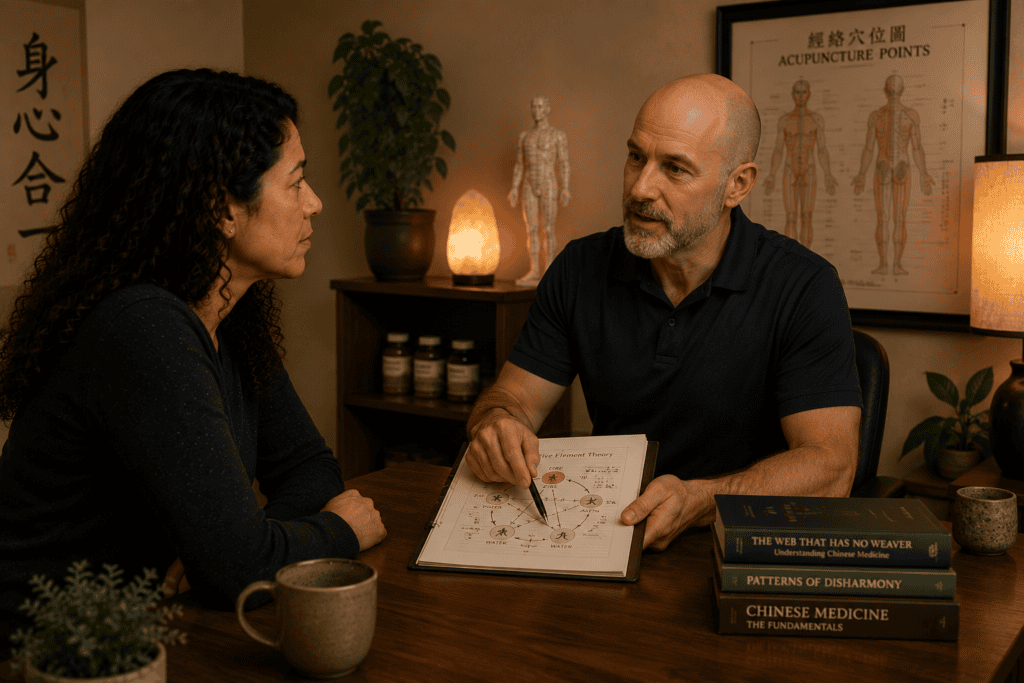
Traditional Chinese Medicine has understood chronic anxiety and worry patterns for thousands of years, and the view maps onto but differs from Western psychiatric categories.
- Heart-Shen involvement. The Heart in Chinese medicine houses the Shen, which refers to the mind and spirit. Chronic anxiety reflects Shen disturbance, which produces the mental restlessness, sleep issues, and emotional patterns of GAD.
- Liver Qi Stagnation. Chronic stress and worry produce Liver Qi Stagnation, which contributes to the muscular tension, irritability, and cyclical mood patterns of chronic anxiety.
- Spleen Qi deficiency. The Spleen governs digestion and the processing of thoughts. Chronic worry (called “over-thinking” in Chinese medicine) depletes the Spleen, which contributes to the digestive symptoms, appetite issues, and cognitive fog of GAD.
- Kidney depletion. Sustained anxiety over time depletes the Kidneys, which are the deep constitutional reserves. This contributes to the exhaustion, fragility, and reduced resilience that patients with longstanding GAD often experience.
- Fire pattern imbalance. The Fire element in Chinese medicine governs the Heart and the emotional processing. GAD often involves Fire pattern imbalance producing the mental restlessness and emotional intensity of chronic anxiety.
A licensed acupuncturist identifies which patterns are dominant in the individual patient and treats accordingly. The pattern-based approach is what makes Traditional Chinese Medicine distinct from protocol-only care.
How Does Acupuncture Support GAD?
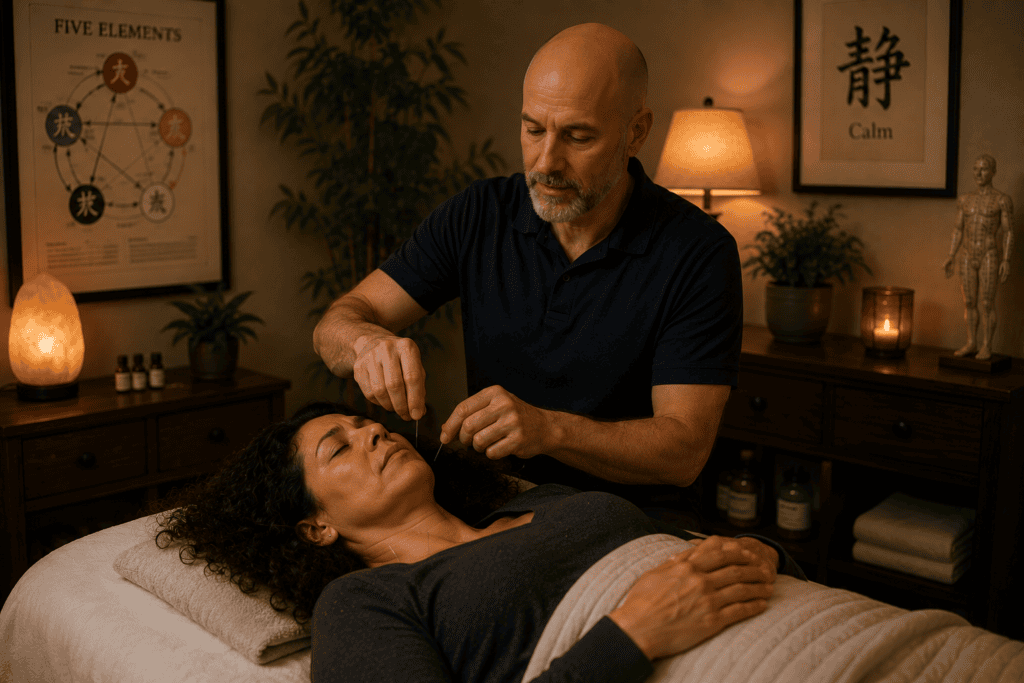
Acupuncture addresses GAD through several effects that support the person while they do the work of managing anxiety.
- Nervous system regulation. Chronic anxiety keeps the nervous system in a sustained stress response. Acupuncture activates the parasympathetic nervous system and reduces the chronic sympathetic activation that GAD produces. This shifts the nervous system state without eliminating the underlying condition.
- Cortisol regulation. Sustained cortisol elevation drives many of the physical patterns of GAD. Acupuncture has documented effects on cortisol regulation.
- Sleep support. Sleep disruption is nearly universal in GAD and worsens every other symptom. Acupuncture supports the sleep patterns that anxiety disrupts, which supports the overall management of the condition.
- Muscular release. The chronic tension in the neck, shoulders, jaw, and other areas responds to direct acupuncture treatment. This provides physical relief while the deeper work continues.
- Digestive support. The functional digestive symptoms that often accompany GAD respond to acupuncture through effects on gut motility, digestive function, and the gut-brain connection.
- Cardiovascular support. The chest tightness, palpitations, and heart-related symptoms of anxiety respond to acupuncture through Heart and Pericardium meridian points.
- Cognitive support. The mental fog and difficulty concentrating that chronic anxiety produces respond to acupuncture through points that clear the mind and support cognitive function.
- Emotional regulation. Some patients experience emotional release during or after acupuncture sessions. Tears, memories, and feelings can surface as the nervous system relaxes. This is normal and often supportive of the deeper work of managing chronic anxiety.
- Pattern differentiation. The individualized Chinese medicine approach treats the specific patterns present in each patient. Heart calming for Shen disturbance. Liver Qi regulation for stagnation. Spleen support for the over-thinking depletion. Kidney support for constitutional exhaustion. Fire pattern harmonization for emotional intensity.
Acupuncture does not eliminate anxiety or replace mental health care. What it does is address the physical and nervous system patterns and imbalances that make chronic anxiety so difficult, which supports the person’s capacity to do the therapeutic and psychological work of managing GAD.
The Research Base
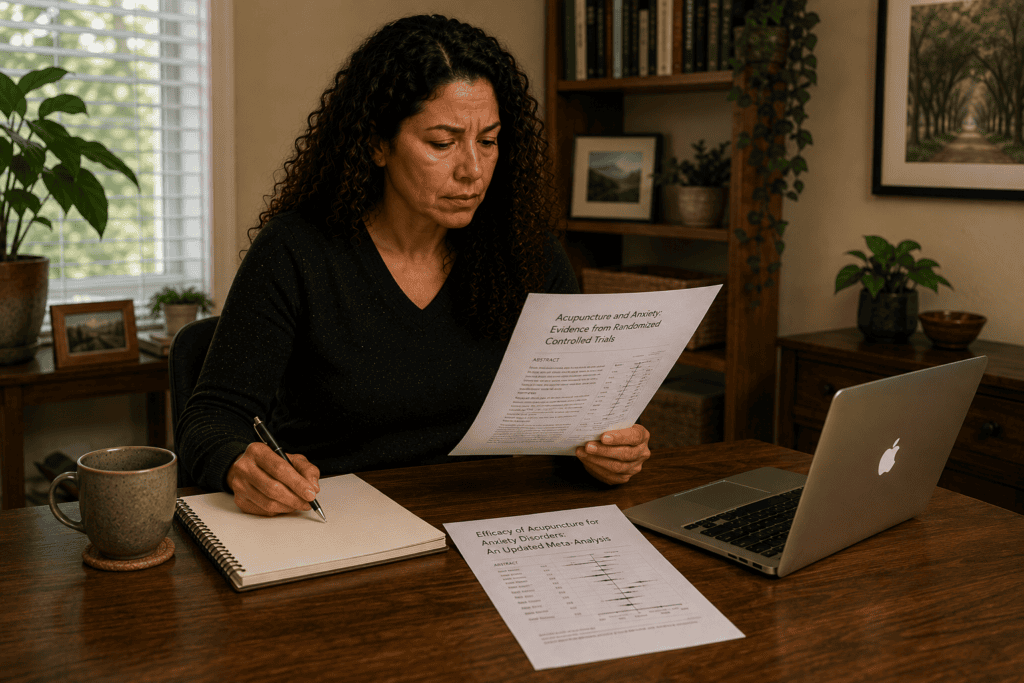
Research on acupuncture for anxiety has been growing. Multiple systematic reviews have found acupuncture effective for reducing anxiety symptoms in patients with GAD and other anxiety conditions. Studies comparing acupuncture to standard care alone have found acupuncture producing meaningful additional improvement.
The NCCIH summary examines the clinical evidence for acupuncture across a range of health conditions.
What Is The Holistic Integrated Approach To GAD?
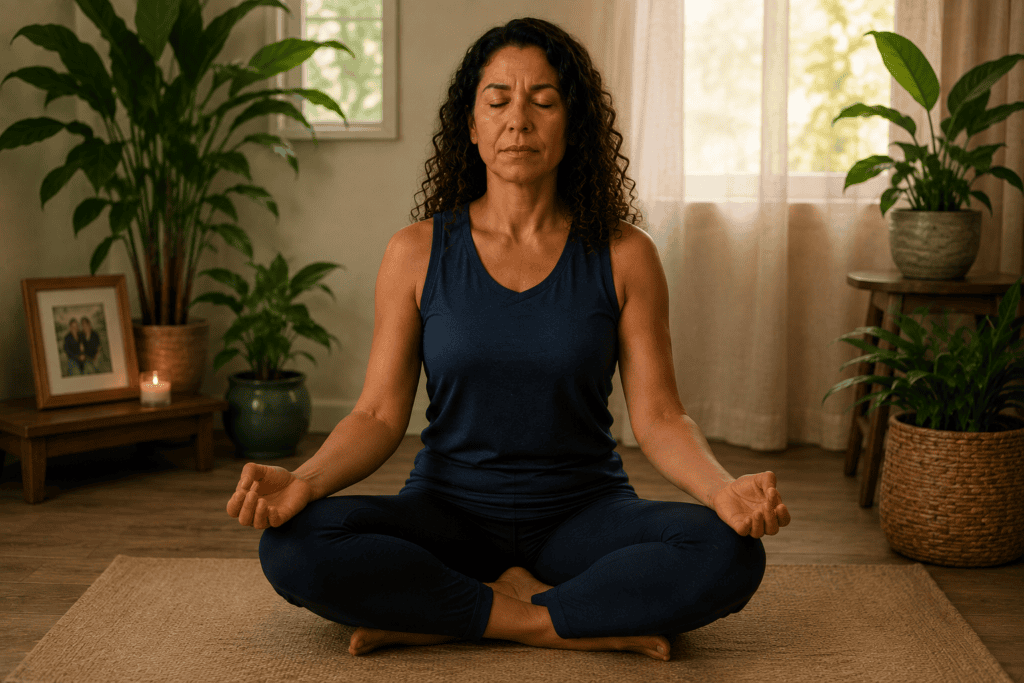
GAD responds best to a coordinated approach that combines mental health care with complementary support.
- Mental health care remains foundational. Working with a therapist experienced in anxiety, particularly one trained in cognitive behavioral therapy, provides the space for the psychological and behavioral work of managing chronic anxiety.
- Medications when appropriate. SSRIs, SNRIs, and other medication classes help many patients with GAD. Working with a prescribing physician or psychiatrist to identify the right medication and dose supports many patients.
- Regular acupuncture treatment. Weekly or biweekly acupuncture during the initial course supports the nervous system and physical patterns. Frequency can adjust based on individual response.
- Home acupressure practice. Daily acupressure between professional sessions supports the ongoing patterns. See How to Use Acupressure for General Anxiety Disorder for the specific home practice.
- Regular movement. Aerobic exercise has strong research support for anxiety reduction. Even modest daily movement produces meaningful improvement.
- Sleep support. Sleep hygiene practices support the sleep patterns that anxiety disrupts.
- Nutrition that supports blood sugar stability. Blood sugar swings worsen anxiety patterns for many patients. Regular meals with adequate protein and reduced processed foods support blood sugar stability.
- Reduced stimulants. Caffeine and other stimulants worsen anxiety for many patients with GAD. Reducing or eliminating stimulants often produces meaningful improvement.
- Direct nervous system practices. Meditation, breath work, prayer, or other contemplative practices support parasympathetic nervous system activation.
- Community and connection. Isolation worsens anxiety. Time with people who care about you supports the nervous system.
When Is Additional Professional Support Essential For GAD?

Certain patterns warrant additional mental health evaluation and support beyond what acupuncture provides.
Severe anxiety that interferes significantly with daily functioning. Panic attacks. Suicidal thoughts. Substance use that has begun or worsened as a coping approach. Symptoms that are not responding to any approach. Signs of depression alongside anxiety. Trauma-related patterns that require specialized care.
If you are experiencing suicidal thoughts, please contact the 988 Suicide and Crisis Lifeline (call or text 988) or reach out to a mental health professional immediately.
Many patients living with chronic anxiety also experience depression and stress patterns that require additional focus and attention.
Above and Beyond Acupuncture offers acupuncture, cupping, and lifestyle coaching at the North Frank Lloyd Wright Boulevard location in Scottsdale.
Schedule an appointment online or call us today to start your healing journey.

About the Publisher
Paul Kerzner, L.Ac., is a licensed acupuncturist and board-certified herbalist, as well as the founder of Above and Beyond Acupuncture in Scottsdale. His own journey from chronic patient to practicing acupuncturist shapes his commitment to providing honest, clinically grounded information about acupuncture and Traditional Chinese Medicine. Learn more about Paul and his clinical approach on the About Us page.