Key Takeaways
- Acupressure is an ancient self-care practice that applies pressure to specific body points for health benefits.
- It stimulates the nervous system, improves circulation, and can relieve pain, anxiety, and digestive issues.
- The practice is rooted in Traditional Chinese Medicine, focusing on Qi flow through meridians.
- Acupressure is easy to learn and can be safely done at home with proper techniques and precautions.
- It complements professional acupuncture treatment for chronic conditions, providing daily support and maintenance.
Acupressure is one of the oldest home health practices in the world and one of the most accessible. If you have ever seen someone press their thumb into a specific spot on their hand and immediately feel relief, you have seen acupressure. If you have used a wristband to prevent nausea during travel, you have used acupressure. The practice has been part of everyday health support in China for thousands of years and continues to serve patients globally as one of the simplest and most effective self-care tools available.
The practice of acupressure is gaining more recognition in the West. Videos of specific acupressure points for anxiety, sleep, headaches, and other common issues spread across social media. Wellness content features acupressure as a useful home tool. Patients have been asking questions about acupressure more often. The interest is real and the practice deserves attention as it is effective, natural and holistic.
Here is what acupressure is, where it comes from, how it works, and how to use it at home.
The Practice of Acupressure
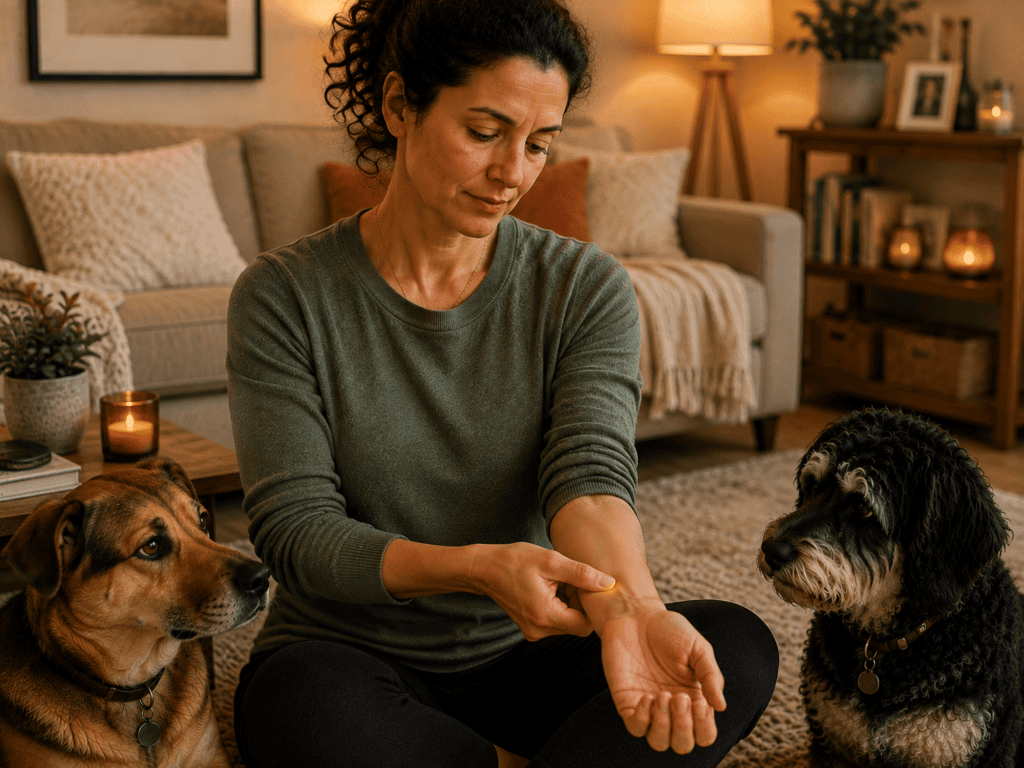
Acupressure involves the application of firm pressure to specific points on the body using fingers, thumbs, palms, elbows, or specialized tools. The pressure is sustained for a period of time, typically one to three minutes per point, and produces effects on the nervous system, circulation, and the flow of Qi and Blood that Traditional Chinese Medicine describes as central to health.
The points used in acupressure are the same points used in acupuncture. There are hundreds of points across the body, each with specific effects that Traditional Chinese Medicine has mapped over thousands of years. Some points are used for pain relief. Others for calming the mind. Others for supporting digestion. Others for improving sleep. Many points serve multiple purposes depending on how they are combined.
Acupressure works well for daily maintenance and support of common patterns. It does not require special training beyond understanding where the points are and how to press them properly. The technique is simple enough that most patients can learn to use core points within an hour of instruction.
The Tradition of Acupressure
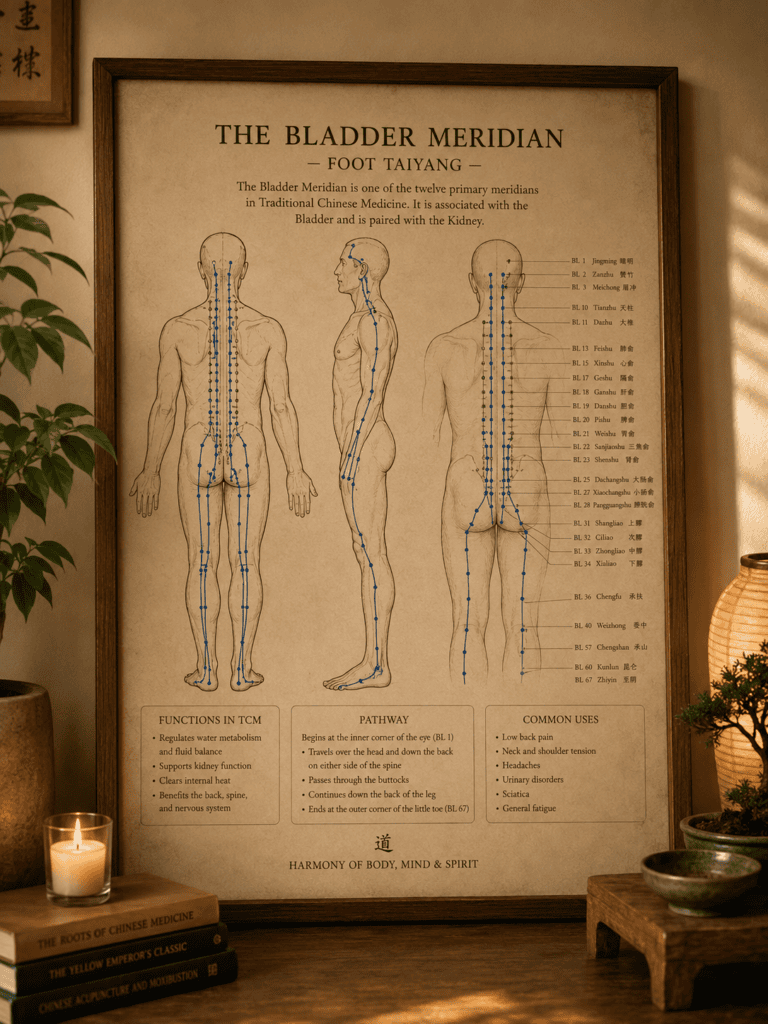
Traditional Chinese Medicine has developed acupressure over more than two thousand years. The practice predates written medical history in China and represents one of the oldest continuously practiced medical traditions on the planet.
Traditional Chinese Medicine views health as the smooth flow of Qi (vital energy) and Blood through pathways called meridians. When that flow becomes disrupted or imbalanced, pain, illness, or other symptoms may develop. Acupressure applies firm pressure to specific points along these meridians to help restore balance, improve the flow of Qi and Blood, and support the body’s natural healing processes.
The meridian system in Chinese medicine includes twelve primary meridians corresponding to major organ systems (Lung, Large Intestine, Stomach, Spleen, Heart, Small Intestine, Bladder, Kidney, Pericardium, San Jiao, Gallbladder, Liver) and several additional extra meridians and channels. The points where the meridians surface on the body are the acupressure and acupuncture points.
This tradition continues to guide how acupressure is practiced today. Points are not selected randomly. Each condition has classical point combinations that have been refined and passed down over centuries. When you apply pressure to LI4 for a headache, you are following an approach that has been used for generations in Traditional Chinese Medicine. While modern research continues to explore the mechanisms behind these treatments, many of the point combinations used today are rooted in centuries of clinical observation and experience.
How Does Acupressure Work?
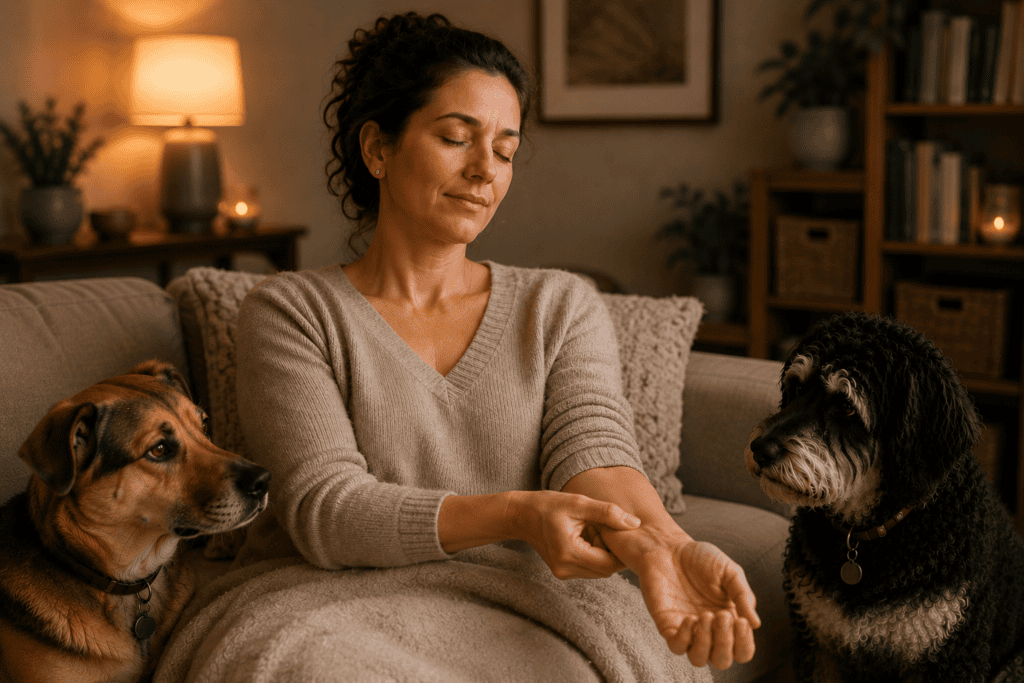
Modern research has documented several ways acupressure physiologically affects the body.
Pressure applied to specific points activates the nervous system in measurable ways. The release of endorphins and other natural pain-relieving chemicals reduces pain. The shift toward parasympathetic nervous system activation supports relaxation and recovery. The effects on local circulation improve blood flow to the pressed region and support tissue healing.
The specific points used in acupressure often correspond to sites where nerves, blood vessels, or muscle tension patterns can be affected through pressure. Some points sit over major nerve branches. Others over vascular points. Others at sites of chronic muscular tension that acupressure directly releases. The Chinese medicine tradition mapped these points based on centuries of clinical observation before modern anatomy could explain why they work.
The effects are not just local. Pressing a point on the foot can affect a headache. Pressing a point on the hand can affect nausea. The connections between distant body regions that Traditional Chinese Medicine describes through meridian relationships produce effects that modern neuroscience has begun to document through fascial connections, nervous system pathways, and the interconnected regulation of body systems.
Common Applications for Acupressure
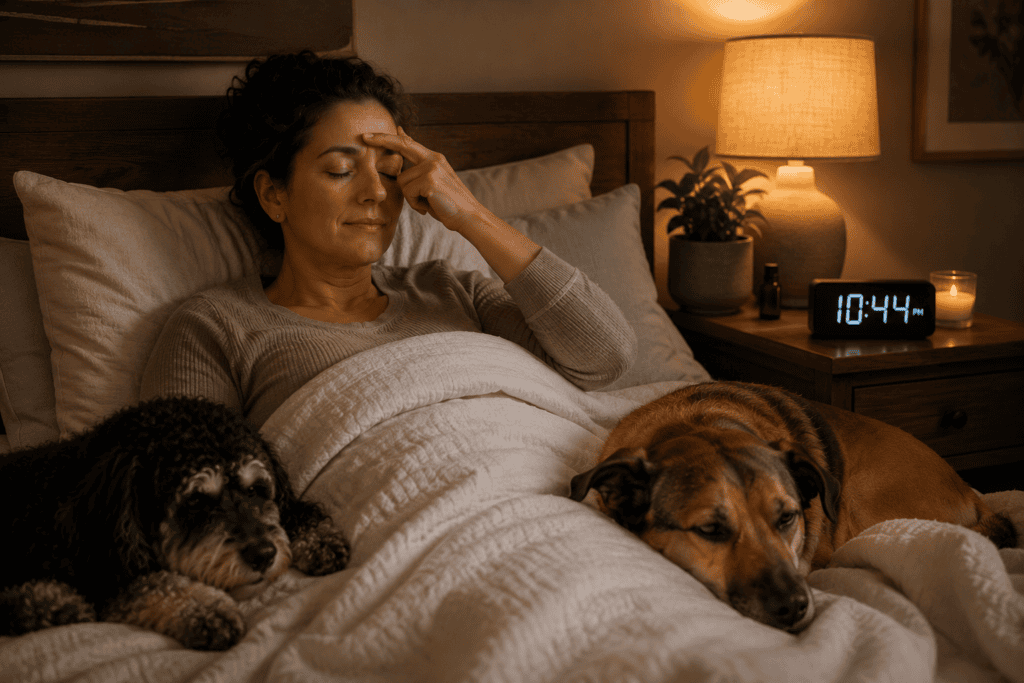
Acupressure supports a wide range of common patterns. The library of acupressure how-to pieces at Above and Beyond Acupuncture covers specific conditions in depth:
- Pain conditions including headaches, back pain, knee pain, shoulder pain, and general muscular tension.
- Sleep issues including difficulty falling asleep, waking during the night, and unrefreshing sleep.
- Stress and anxiety patterns including chronic worry, chest tightness, and nervous system activation.
- Digestive issues including nausea, constipation, bloating, and general digestive discomfort.
- Women’s health patterns including menstrual cramps, PMS, and pregnancy-related discomfort with appropriate point selection.
- Sinus and respiratory patterns including congestion and pressure.
- Fatigue and energy patterns including afternoon energy drops and general depletion.
- Emotional patterns including grief, frustration, and emotional overwhelm.
The application of acupressure is broad because the practice affects fundamental systems including the nervous system, circulation, and the constitutional patterns Chinese medicine describes.
How to Use Acupressure

The basic technique is rather straightforward.
- Find the acupressure point. Each point has a specific location described in relation to bone landmarks, muscle boundaries, or measured distances from other structures. The point often feels distinct when pressed. A small depression, a tender spot, or an area that produces a specific sensation when pressed.
- Apply firm sustained pressure. Use your thumb, fingertip, knuckle, or a specialized tool. The pressure should be firm enough to produce a distinct sensation but not so hard that it causes sharp pain. Some tenderness at the point is normal and often indicates the point is active.
- Hold the pressure for one to three minutes. Consistency matters more than intensity. Sustained pressure produces the effects the practice is known for. Brief pressure does not.
- Breathe during the pressure. Slow deep breathing supports the nervous system regulation the practice depends on.
- Apply the practice consistently. One session provides some immediate effects. Consistent daily practice over weeks produces the sustained changes that support the underlying patterns.
For a more detailed technique guide, Performing Acupressure in 3 Easy Steps covers the specifics.
Safety and Precautions
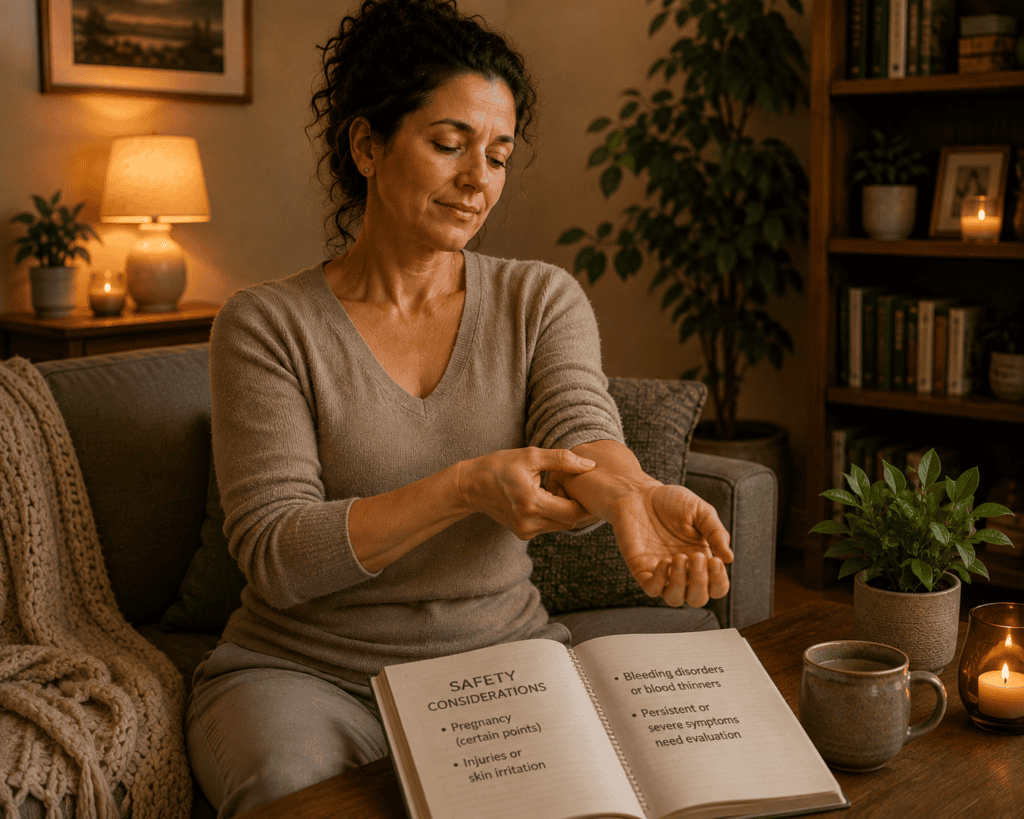
Acupressure is generally very safe. Serious complications are rare when practiced with appropriate awareness.
The precautions that matter.
- Certain points are contraindicated during pregnancy. LI4, SP6, GB21, BL60 and several others should be avoided during pregnancy because they can affect uterine activity. The acupressure how-to pieces at Above and Beyond Acupuncture identify pregnancy contraindications for each relevant point.
- Do not press directly on injuries, active infections, or areas of severe skin irritation. Work around the region rather than on it.
- For patients with bleeding disorders or on blood-thinning medications, discuss acupressure with your physician before starting.
- For patients with pacemakers or other electronic implants, discuss any electrical stimulation devices with your physician. Manual pressure is generally safe.
Persistent or severe symptoms warrant professional evaluation rather than home practice alone. Acupressure supports common patterns. It does not replace medical care for serious conditions.
When Should I Use Acupressure?
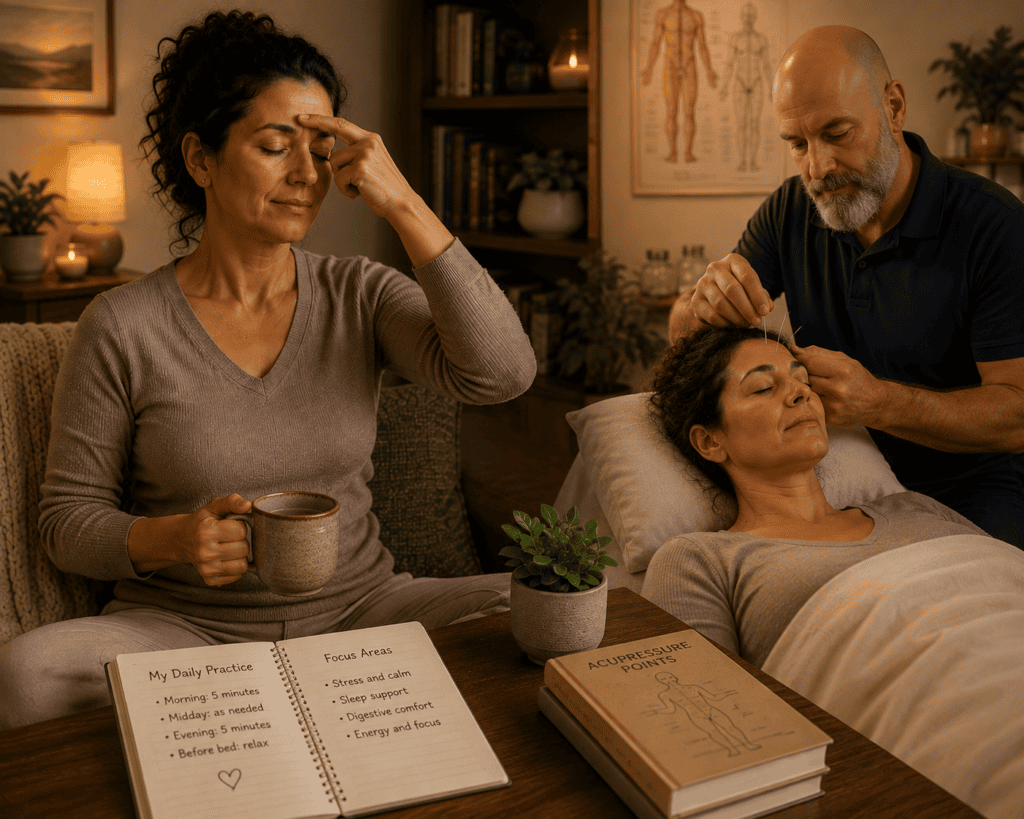
Acupressure works well for daily maintenance, mild to moderate symptoms, and support between professional treatments.
For patients dealing with chronic or severe conditions, professional acupuncture treatment provides more substantial intervention than home acupressure alone. The relationship between the two practices is complementary. Acupressure supports the constitutional patterns and provides daily maintenance. Acupuncture addresses specific conditions with the depth that professional treatment provides.
Many patients discover acupressure while looking for home approaches to common conditions and eventually seek acupuncture for more substantial support. Others use acupressure indefinitely as a home practice without needing professional treatment. Both patterns are legitimate uses of the practice.
For patients wondering whether professional acupuncture would help their specific situation, Can Acupuncture Help Me Heal? covers the honest picture of what the treatment can and cannot do.
Many patients also experience anxiety, stress, and depression that respond well to both home acupressure practice and professional treatment.
Above and Beyond Acupuncture offers acupuncture, cupping, and lifestyle coaching at the North Frank Lloyd Wright Boulevard location in Scottsdale.
Schedule an appointment online or call us today to start your healing journey.
About the Publisher
Paul Kerzner, L.Ac., is a licensed acupuncturist and board-certified herbalist, as well as the founder of Above and Beyond Acupuncture in Scottsdale. His own journey from chronic patient to practicing acupuncturist shapes his commitment to providing honest, clinically grounded information about acupuncture and Traditional Chinese Medicine. Learn more about Paul and his clinical approach on the About Us page.