Key Takeaways
- Arthritis encompasses over a hundred conditions, with osteoarthritis and rheumatoid arthritis being the most common.
- Acupuncture can help manage osteoarthritis pain effectively but offers limited benefits for rheumatoid arthritis, which requires medical treatment.
- Research supports acupuncture for knee osteoarthritis, improving pain and joint mobility without miraculous effects.
- Effective arthritis management includes acupuncture alongside movement, weight management, anti-inflammatory diet, and stress reduction.
- Seek medical evaluation for persistent joint pain or symptoms indicating inflammatory arthritis, as early diagnosis is crucial.

Arthritis gradually wears people down, starting with the morning ache and joint stiffness after sitting. Good and bad days seem unpredictable. For those living with it, the main concern is rarely a cure, since most forms of arthritis lack one, but rather how to make daily life more manageable. Acupuncture plays a significant role, and research supports its use in this area. However, its effectiveness varies greatly depending on the type of arthritis.
That distinction is where an objective conversation has to start.
Arthritis Is Not One Singular Condition
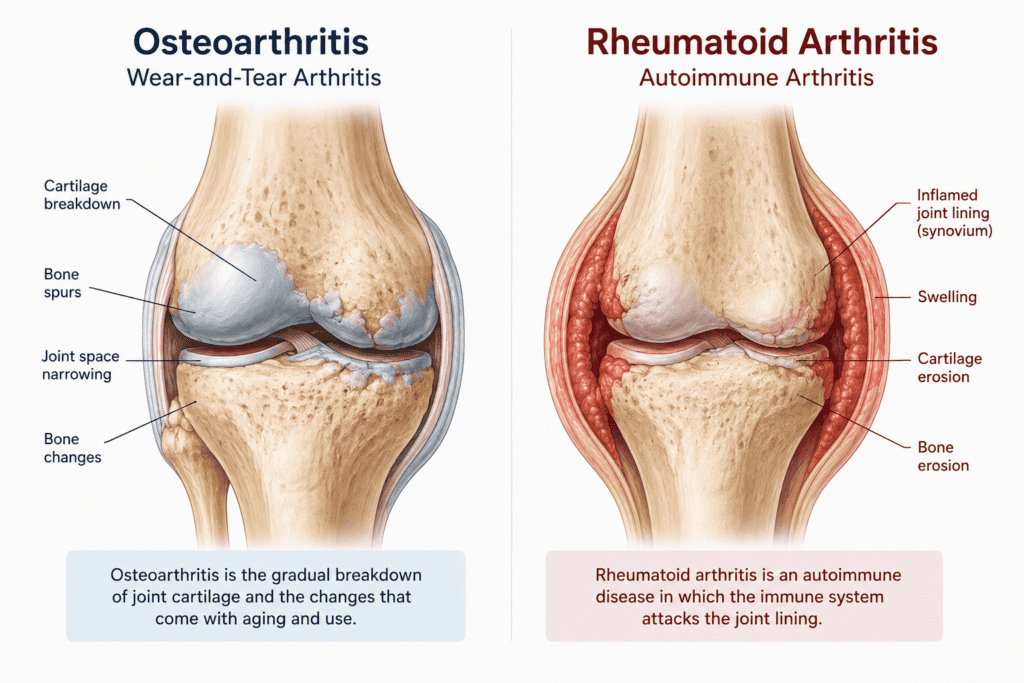
The term ‘arthritis’ covers over a hundred conditions, but two are most common and very different. Osteoarthritis results from wear and tear, gradually breaking down the cartilage in joints, especially in the knees, hips, hands, and spine, and it becomes more likely with age and repetitive use. Rheumatoid arthritis, on the other hand, is an autoimmune disease where the body’s immune system attacks the joint lining, leading to inflammation that can damage the joint and potentially impact the entire body.
This matters for acupuncture because each condition requires a different approach. In osteoarthritis, acupuncture provides real, well-supported benefits. However, for rheumatoid and other autoimmune conditions, it may improve how a person feels but does not affect the disease’s progression. Understanding this difference is integral before treatment begins.
Where the Evidence Is Strongest
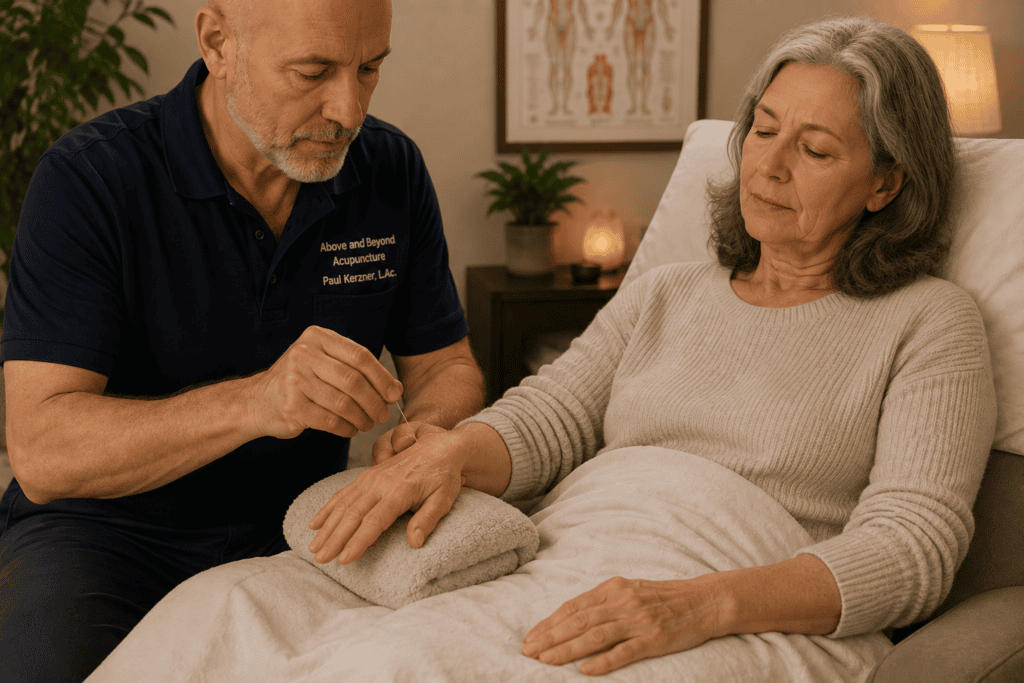
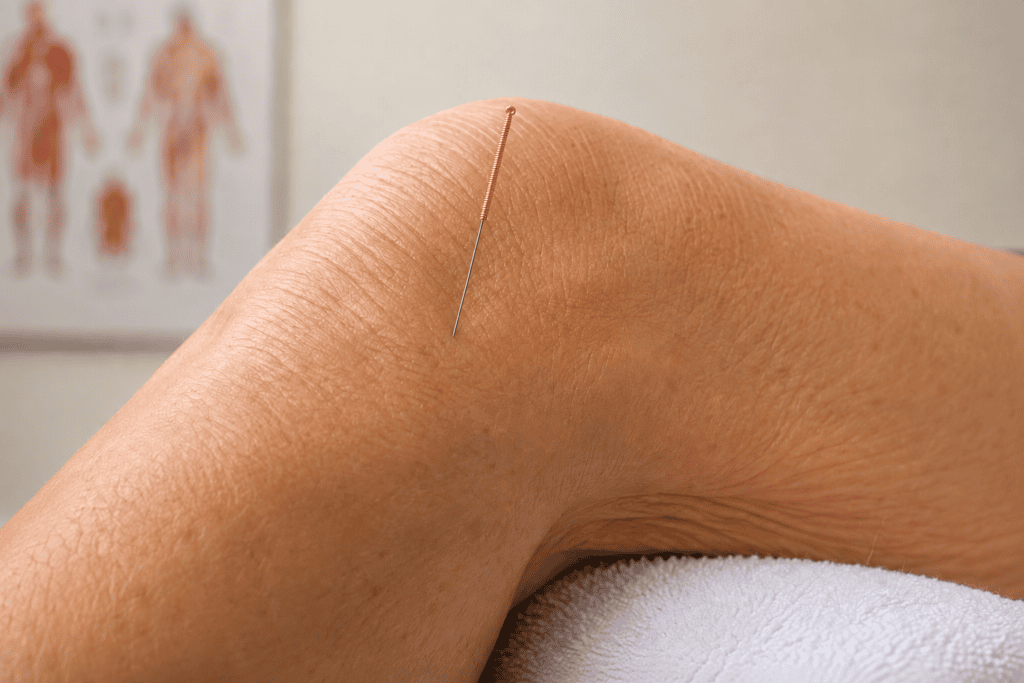
Osteoarthritis of the knee is among the most studied conditions for acupuncture, and evidence supports its use. Major clinical guidelines recognize acupuncture as a reasonable treatment option for knee osteoarthritis pain. Many individuals experience pain relief and improved joint function in daily activities. The benefits are often significant: less pain, easier movement, and, for some, reduced dependence on pain medications—which matters given the potential long-term drawbacks of relying on medication.
Osteoarthritis affecting other joints, especially the hips and hands, has less research than knee osteoarthritis, but the same principles apply. Clinical experience also supports its use in these commonly affected joints.
How Acupuncture Helps the Pain of Arthritis
Acupuncture alleviates arthritic pain through multiple mechanisms. It triggers the release of the body’s natural painkillers, directly reducing pain signals. It also improves blood circulation around the affected joint, supporting tissue health and helping remove inflammatory byproducts. It also calms the nervous system’s tendency to amplify pain over time, preventing chronic pain from becoming more intense than the initial injury. This combined effect targets the inflammation behind much joint pain, which helps explain why consistent treatments tend to be more effective than sporadic sessions.
In Traditional Chinese Medicine, arthritis is viewed as a blockage of Qi and Blood flow in a joint, worsened by cold, damp, or heat. Treatment focuses on restoring this flow. Although this terminology differs from modern research, both perspectives target the same underlying issues and aim for similar outcomes.
Rheumatoid and Autoimmune Arthritis: An Honest Discussion

Acupuncture can help individuals with rheumatoid arthritis by easing pain, lowering stress, and improving overall quality of life during this difficult chronic illness. However, it is not a cure for the autoimmune condition itself. Effective management of rheumatoid arthritis depends on proper medical treatment, including medications that slow the immune response and safeguard joints. Relying only on acupuncture and neglecting or delaying necessary medical care might risk joint damage. A balanced approach, following your healthcare provider’s guidance, is the best way to support your health and well-being.
Acupuncture should be seen as a complementary option in managing rheumatoid arthritis, working alongside conventional rheumatology treatments rather than replacing them. It assists the patient while standard medical therapies focus on protecting the joints. Be cautious of practitioners who suggest otherwise. To better understand what acupuncture cannot treat, consulting the resource “What Can Acupuncture Not Treat?” is advisable.
What Treatment Looks Like
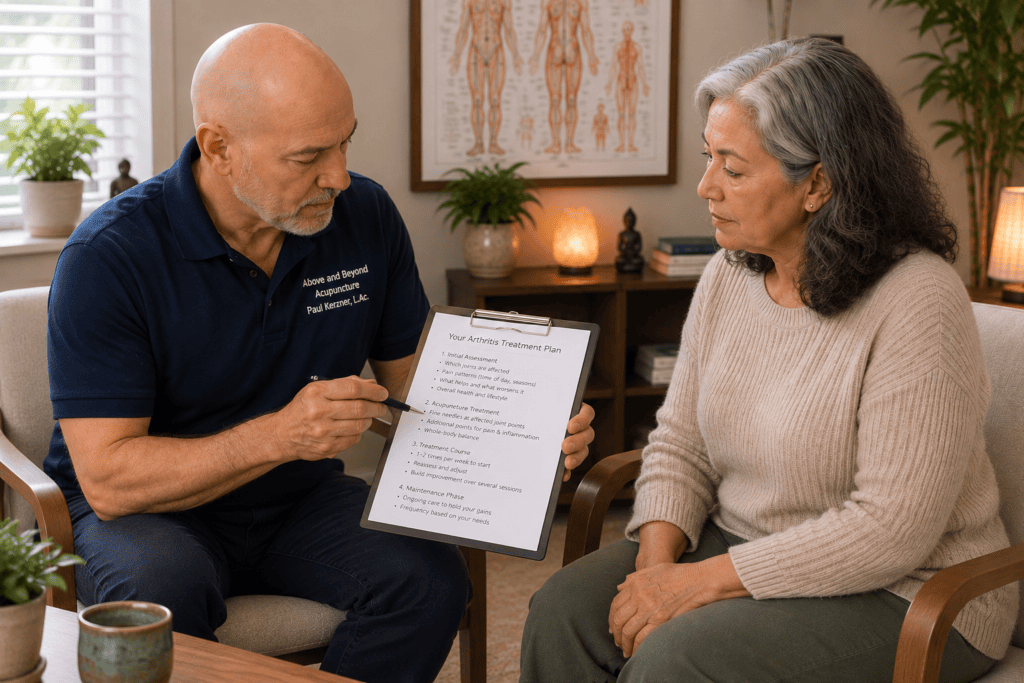
A first visit involves an overall assessment: identifying affected joints, understanding pain patterns throughout the day and year, noting what alleviates or worsens pain, and considering how it relates to your overall health. Treatment then involves inserting fine needles around the affected joints and at other body points that help reduce pain and inflammation.
Arthritis usually requires multiple treatments to see progress, with improvements developing over several sessions. Chronic issues often need continuous care to maintain benefits, leading many to adopt a maintenance schedule after the initial treatment phase. Since arthritis is a long-term condition, acupuncture is most effective as a consistent component of a comprehensive treatment plan, rather than a standalone solution.
Improving Quality of Life with Arthritis

Acupuncture is more effective when integrated with other approaches. Gentle movement helps keep joints mobile without overstraining them, while maintaining a healthy weight reduces stress on weight-bearing joints. An anti-inflammatory diet can also make a positive difference. Applying warmth can relieve stiff joints, and resting during flare-ups helps. Managing stress is crucial, as it heightens all types of pain. Although none of these methods cure arthritis on their own, together with acupuncture, they can transform living with the condition from merely enduring to truly thriving.
The guide ‘How to Use Acupressure for Arthritis‘ details points that individuals can stimulate at home in between treatments as a natural and holistic complement.
When to See a Doctor

See a healthcare provider if you have joint issues like persistent pain, swelling, warmth, redness, or morning stiffness lasting over an hour, especially if it’s accompanied by fever or feeling generally unwell. Getting the correct diagnosis is key because autoimmune types require prompt medical treatment to prevent long-term damage. Acupuncture can be a helpful addition to your care but shouldn’t replace treatment.
Above and Beyond Acupuncture offers acupuncture, cupping, and lifestyle coaching at the North Frank Lloyd Wright Boulevard location in Scottsdale.
Schedule an appointment online or call us today to start your healing journey.

About the Publisher
Paul Kerzner, L.Ac., is a licensed acupuncturist and board-certified herbalist, as well as the founder of Above and Beyond Acupuncture in Scottsdale. His own journey from chronic patient to practicing acupuncturist shapes his commitment to providing honest, clinically grounded information about acupuncture and Traditional Chinese Medicine. Learn more about Paul and his clinical approach on the About Us page.