
Key Takeaways
- High blood pressure often relates to stress, and acupuncture offers a natural approach to manage it.
- Acupuncture helps balance the nervous system, calming sympathetic activity and enhancing relaxation, which can lower blood pressure.
- Research indicates that acupuncture can help to reduce blood pressure, particularly when combined with standard medical treatments.
- Specific acupuncture points target the nervous system and stress, while treatment plans should be tailored to each individual’s unique needs.
- Acupuncture should complement, not replace, conventional medical care for high blood pressure, and monitoring is essential.

High blood pressure is a common and often silent health issue that can go unnoticed and undocumented until it seriously affects the body.
Many people have used acupuncture as an effective complement to treat this condition, especially when medications fail, produce unwanted side effects, or when stress elevates blood pressure. Acupuncture offers a natural and holistic alternative, given that a significant portion of high blood pressure is associated with the body’s response to acute and chronic stress.
How Does Acupuncture Affect Blood Pressure?
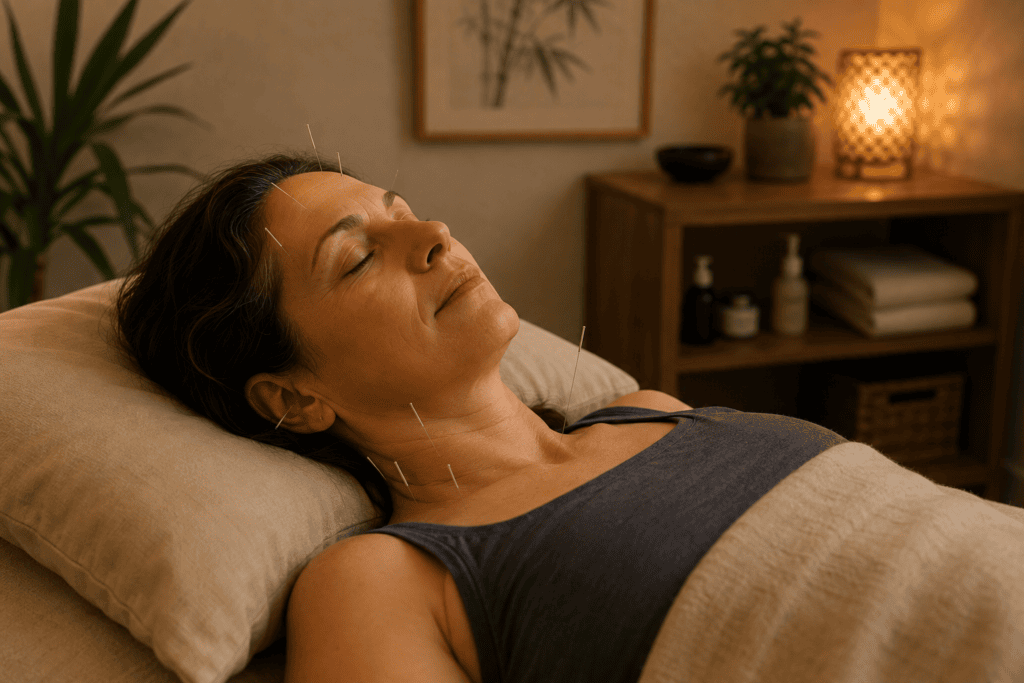
Acupuncture primarily regulates blood pressure via the nervous system by balancing the sympathetic ‘fight or flight’ response, which elevates blood pressure, with the parasympathetic ‘rest and relax’ state that lowers it.
Many individuals with hypertension have an overactive sympathetic response driven by chronic stress, poor sleep, and persistent nervous system spikes.
Acupuncture helps reestablish balance by calming sympathetic activity and encouraging parasympathetic relaxation. Research shows that specific acupuncture points activate brain regions and neural pathways involved in cardiovascular regulation, exemplifying the importance of this pathway in managing blood pressure.
Additional patterns such as phlegm and dampness are observed, along with Kidney depletion in older individuals. This emphasizes the importance for practitioners to customize treatment based on the individual’s specific pattern rather than focusing solely on blood pressure numbers.
This is why blood pressure and stress are interconnected and inseparable. Calming an overactive nervous system, improving sleep, and reducing tension also help ease pressure in the blood vessels. For those whose readings increase with stress and tension, this focus of the treatment targets the root cause.
In Chinese medicine, high blood pressure often results from Liver Yang rising, an energetic upward excess that many with hypertension recognize, such as headaches, dizziness, a flushed face, irritability, a tense, coiled feeling, and tension in the neck and shoulders. Frequently, there is also a Yin deficiency, which signifies the body’s cooling and calming aspects, allowing Yang to rise unchecked. This pattern tends to become more common with age and ongoing stress. Treatment focuses on calming and guiding the Yang downward, nourishing the Yin, and enhancing the flow of Liver Qi to reduce stress.
What the Research Shows
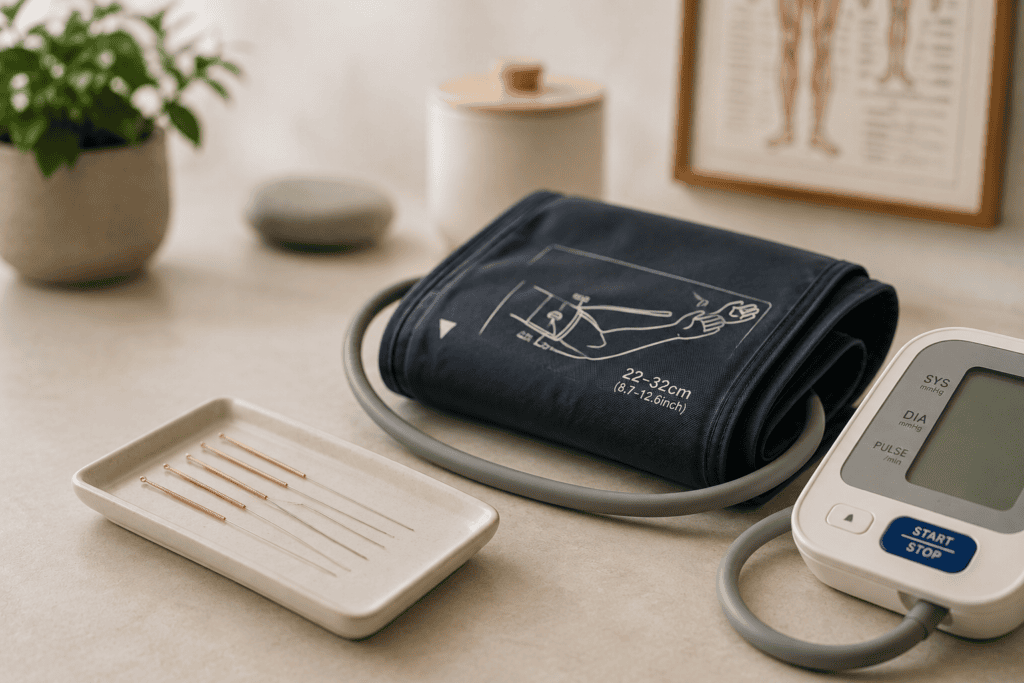
The objective picture is that research displays mixed results and the effects are modest to moderate. Some sham-controlled trials haven’t found significant differences between real and sham acupuncture, while others, including larger multicenter studies, have seen significant drops in blood pressure, often a few points of systolic pressure after consistent treatment. The most consistent finding is that acupuncture appears to work better when integrated with standard Western medication, and that electrical stimulation of the needles generally produces a more reliable effect than needling alone. While the blood pressure reductions are meaningful, they tend to develop gradually over a course of treatment rather than from a single session.
Acupuncture is not a cure for high blood pressure and shouldn’t replace Western medical treatment. Instead, it can help, especially for people whose blood pressure is affected by stress. It’s most beneficial when part of a comprehensive plan that includes medical care and lifestyle improvements, which together can make a significant difference in managing high blood pressure.
Acupuncture Points for Managing High Blood Pressure
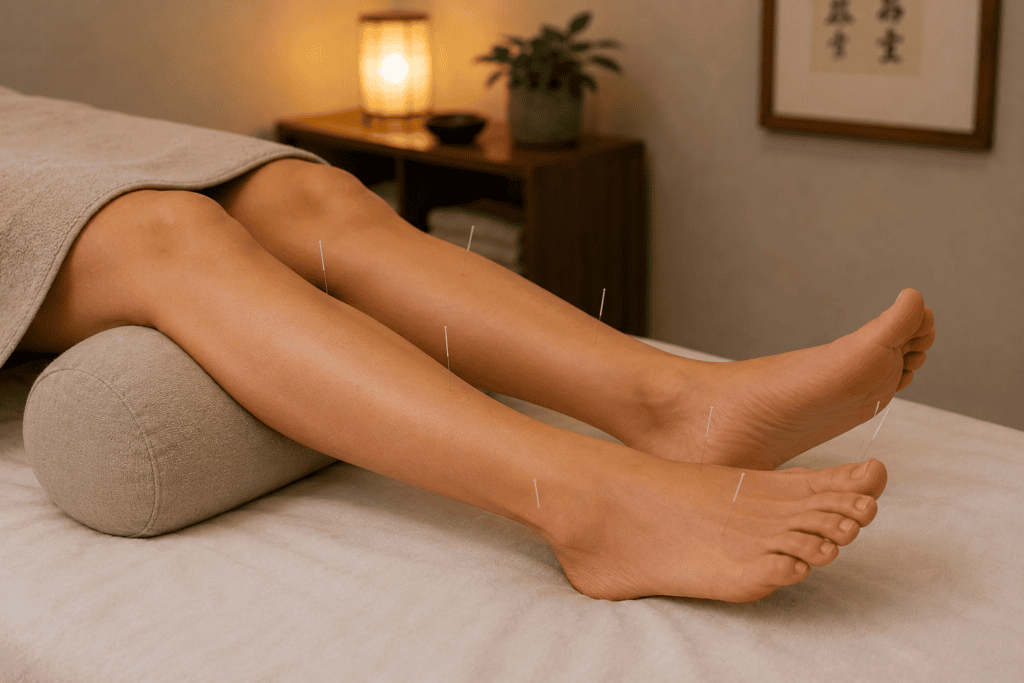
Treating high blood pressure involves calming the nervous system and addressing the rising-Yang pattern. For example, LR3, located on the top of the foot, helps move stagnant Liver Qi and anchor the rising Yang. It’s often paired with LI4 on the hand in a classic combo that helps regulate and soothe the mind, body, and spirit. GB20 at the base of the skull relieves neck tension that can contribute to high blood pressure, while PC6 on the inner forearm helps settle chest tension and nervous system dysregulation. ST36 and KI3 strengthen the body’s constitutional reserves, especially in deficient patients. Additionally, ear points are commonly used because the ear strongly influences the autonomic nervous system. The exact points chosen depend on the individual’s pattern, which is why two people with the same blood pressure reading might need quite different points.
What to Expect From an Acupuncture Treatment
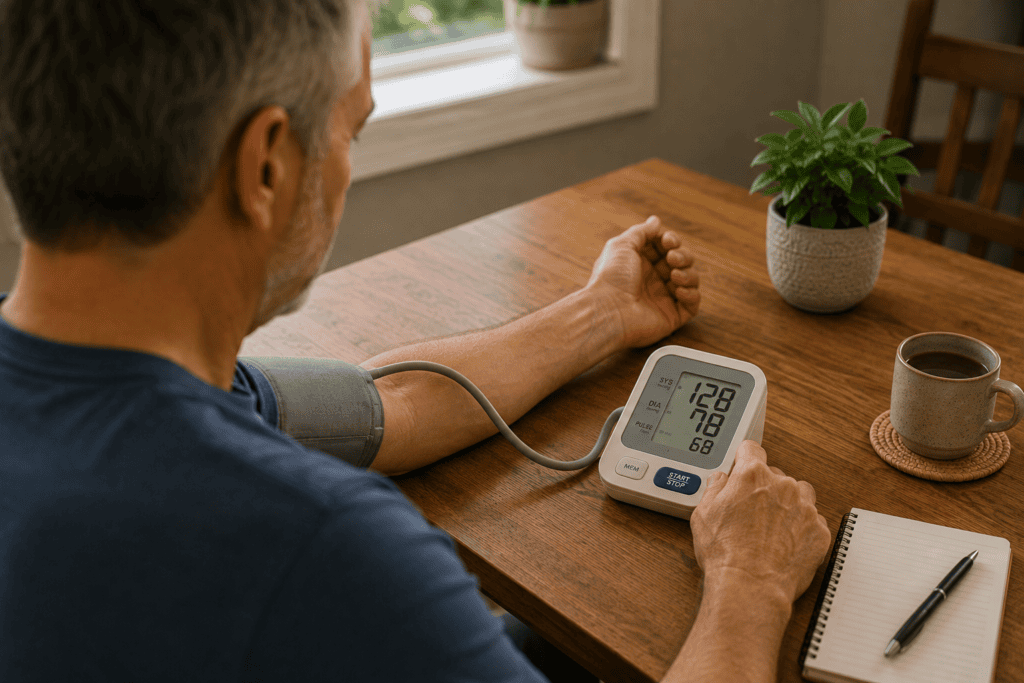
Blood pressure improves through a series of acupuncture treatments rather than a single visit. This involves regular sessions over several weeks, typically once or twice weekly, during which the practitioner evaluates your progress, not just after a single appointment.
Monitoring your blood pressure at home throughout this period is the most effective way to determine if the treatment is effective. It also offers you and your healthcare provider reliable data.
Acupuncture can support most effective blood pressure management strategies by promoting a calmer nervous system, which can lead to better sleep, more balanced eating habits, and regular exercise.
The link to stress is fundamental and shouldn’t be overlooked. Ongoing stress raises cortisol, keeping the sympathetic nervous system active and blood pressure high. This explains why regular acupuncture treatments that focus on calming the nervous system are just as important as addressing specific issues like high blood pressure, and why it’s crucial to tackle the anxiety, stress, and depression often associated with high blood pressure alongside it.
When to Get Clinical Help

High blood pressure is managed with medication for valid reasons, and acupuncture does not change that. Keep taking your prescribed drugs and avoid stopping or adjusting them without medical advice, as ceasing blood pressure medication can be risky. Keep tracking your blood pressure readings because they are usually the only reliable indicator, as high blood pressure often shows no symptoms. These readings help you and your doctor determine whether your treatment is effective.
Seek emergency medical attention if your blood pressure reaches 180/120 or higher and is accompanied by chest pain, shortness of breath, severe headache, vision changes, weakness, difficulty speaking, or confusion, as these symptoms may indicate a hypertensive crisis. Any persistently high blood pressure readings should be evaluated by a doctor instead of trying to manage them yourself. Acupuncture should be seen as a complementary support, not a substitute for medical care.
Above and Beyond Acupuncture offers acupuncture, cupping, and lifestyle coaching at the North Frank Lloyd Wright Boulevard location in Scottsdale.
Schedule an appointment online or call us today to start your healing journey.
About the Publisher
Paul Kerzner, L.Ac., is a licensed acupuncturist and board-certified herbalist, as well as the founder of Above and Beyond Acupuncture in Scottsdale. His own journey from chronic patient to practicing acupuncturist shapes his commitment to providing honest, clinically grounded information about acupuncture and Traditional Chinese Medicine. Learn more about Paul and his clinical approach on the About Us page.