Key Takeaways
- Diabetes affects 38 million Americans, requiring ongoing management through medications, glucose monitoring, and lifestyle changes.
- Acupuncture supports diabetes management by addressing stress, enhancing insulin sensitivity, and alleviating diabetic peripheral neuropathy symptoms.
- Traditional Chinese Medicine identifies patterns of diabetes that can guide acupuncture treatment for individual patients.
- Research shows acupuncture can provide complementary benefits for glucose control and neuropathy, though it does not replace standard medical care.
- An integrated approach combining medical care, lifestyle adjustments, and acupuncture yields optimal diabetes management outcomes.

Diabetes affects roughly 38 million Americans and continues to grow in prevalence. The condition is chronic, requires consistent medical management, and produces significant complications when not well controlled. Standard care with medications, insulin when needed, glucose monitoring, and lifestyle work is essential for anyone living with diabetes.
Many patients with diabetes look for additional tools to support their management beyond the standard medical approach. This is where acupuncture and Traditional Chinese Medicine fit. The treatment does not replace medical care. It supports the stress patterns, digestive function, peripheral neuropathy, and constitutional patterns involved in the condition. For many patients, acupuncture adds meaningful support to their broader management plan.
Here is what diabetes actually involves, what standard care includes, how acupuncture supports the condition, and how to think about integrated care.
What is Diabetes?

- Type 1 diabetes involves autoimmune destruction of the insulin-producing beta cells in the pancreas. The body cannot produce insulin, and patients require insulin therapy for life. Type 1 typically develops in childhood or young adulthood but can appear at any age. Approximately 5 to 10 percent of diabetes cases are Type 1.
- Type 2 diabetes involves insulin resistance combined with relative insulin deficiency. The body produces insulin but cannot use it effectively, and over time the pancreas often produces less insulin than the body needs. Type 2 typically develops in adulthood but is increasingly appearing in younger patients. Approximately 90 to 95 percent of diabetes cases are Type 2.
- Prediabetes involves blood glucose that is elevated but not yet meeting the diagnostic criteria for diabetes. Roughly 96 million American adults have prediabetes, and many will progress to Type 2 diabetes without intervention.
- Gestational diabetes develops during pregnancy and typically resolves after delivery, though it increases lifetime risk of Type 2 diabetes.
- Other forms include monogenic diabetes, diabetes secondary to other conditions, and diabetes induced by medications.
Common symptoms include increased thirst and urination, unexplained weight loss (particularly in Type 1), fatigue, blurred vision, and slow-healing wounds. Many people with Type 2 diabetes have no symptoms early in the disease and are diagnosed through routine screening.
Diabetes produces complications over time including cardiovascular disease, kidney disease, retinopathy affecting vision, peripheral neuropathy affecting the feet and hands, and increased infection risk. Good glucose control substantially reduces these complications.
The Mayo Clinic overview of diabetes and the American Diabetes Association provide comprehensive resources for understanding the condition.
Standard Care Is Essential

Diabetes requires ongoing medical management, and the specific approach depends on the type and severity of the condition.
- For Type 1 diabetes, insulin therapy is required for life. This may involve multiple daily injections, insulin pump therapy, or increasingly sophisticated systems that combine continuous glucose monitoring with automated insulin delivery. Careful glucose monitoring, carbohydrate counting, and coordinated care with an endocrinologist are essential.
- For Type 2 diabetes, treatment typically begins with lifestyle interventions and often adds medications. Metformin is often the first-line medication. Additional medication classes may be added based on individual response and other health considerations. Some patients with Type 2 diabetes eventually require insulin.
- Lifestyle work including nutrition, movement, weight management when relevant, sleep, and stress management is fundamental for both types. For Type 2 diabetes specifically, sustained lifestyle changes can produce substantial glucose improvement and in some cases achieve remission.
- Regular monitoring including HbA1c (average glucose over three months), continuous glucose monitoring in appropriate patients, regular eye exams for retinopathy, foot exams for neuropathy, kidney function testing, and cardiovascular risk assessment supports ongoing management.
- Diabetes care team typically involves primary care, endocrinology when needed, certified diabetes care and education specialists, registered dietitians, and other specialists as complications develop.
Acupuncture is complementary to this comprehensive care, not a replacement for it.
How Traditional Chinese Medicine Views Diabetes

Traditional Chinese Medicine has understood the pattern of diabetes for thousands of years under the term Xiao Ke, which translates roughly as “wasting and thirsting.” The classical framework identifies three patterns based on which body region is most affected.
- Upper Xiao Ke involves excessive thirst and dry mouth. The pattern involves the Lung and Stomach systems and reflects Yin deficiency and Heat in the upper body.
- Middle Xiao Ke involves excessive hunger and eating without gaining weight. The pattern involves the Stomach and Spleen systems and reflects Stomach Heat with Spleen Qi deficiency.
- Lower Xiao Ke involves frequent urination and cloudy urine. The pattern involves the Kidney system and reflects Kidney Yin deficiency progressing to Kidney Yang deficiency over time.
- Beyond these classical patterns, chronic diabetes in the Chinese medicine framework involves several additional patterns.
- Spleen Qi deficiency with Dampness. The Spleen governs the transformation of food into energy. When the Spleen is depleted and Dampness accumulates, metabolic function suffers. This pattern is central to Type 2 diabetes.
- Kidney depletion. Chronic diabetes depletes Kidney essence over time, which contributes to the fatigue, sexual dysfunction, and cognitive changes that some diabetic patients experience.
- Blood stasis. Long-term hyperglycemia produces Blood stasis patterns that contribute to the vascular complications of diabetes including cardiovascular disease and retinopathy.
- Liver Qi stagnation. Chronic stress produces Liver Qi stagnation, which affects blood sugar through cortisol and adrenaline release. This pattern is often prominent in patients whose blood sugar spikes with stress.
A licensed acupuncturist identifies which patterns are dominant and treats accordingly.
How Acupuncture Supports Diabetes

Acupuncture addresses diabetes through several mechanisms that support the medical management.
- Stress and cortisol regulation. Cortisol directly affects blood glucose. Chronic stress elevates cortisol and worsens glucose control. Acupuncture reduces cortisol and shifts the nervous system toward parasympathetic activation. The chronic cortisol elevation from ongoing stress affects glucose regulation directly.
- Insulin sensitivity support. Research has documented that acupuncture affects insulin sensitivity in patients with Type 2 diabetes. The effect is complementary to medications rather than replacing them.
- Anti-inflammatory effects. Chronic inflammation contributes to insulin resistance and diabetic complications. The inflammatory patterns underlying insulin resistance respond to the documented anti-inflammatory effects of acupuncture.
- Peripheral neuropathy support. Diabetic peripheral neuropathy affects up to half of long-term diabetes patients. Acupuncture has substantial research support for reducing neuropathic pain and improving nerve function in patients with diabetic neuropathy. This is one of the strongest applications of acupuncture for diabetic patients.
- Digestive support. Diabetes often affects digestive function including gastroparesis (delayed stomach emptying) and other patterns. Acupuncture supports normal digestive function.
- Sleep support. Poor sleep worsens insulin resistance and glucose control. Acupuncture supports the sleep patterns that glucose control requires.
- Circulation support. Diabetes affects peripheral circulation, particularly to the feet. Acupuncture supports circulation and reduces the vascular patterns that contribute to complications.
- Emotional support. Managing chronic diabetes takes ongoing effort. Acupuncture addresses the emotional weight of chronic disease management including anxiety and depression that many diabetic patients experience.
- Pattern differentiation. The individualized Chinese medicine approach treats the specific patterns present in each patient rather than applying a uniform protocol. Yin nourishment for the classical Xiao Ke patterns. Spleen tonification for the Damp-metabolic pattern. Kidney support for the depletion pattern. Blood-moving techniques for the stasis pattern. Liver Qi regulation for the stress pattern.
Diabetic Neuropathy Specifically
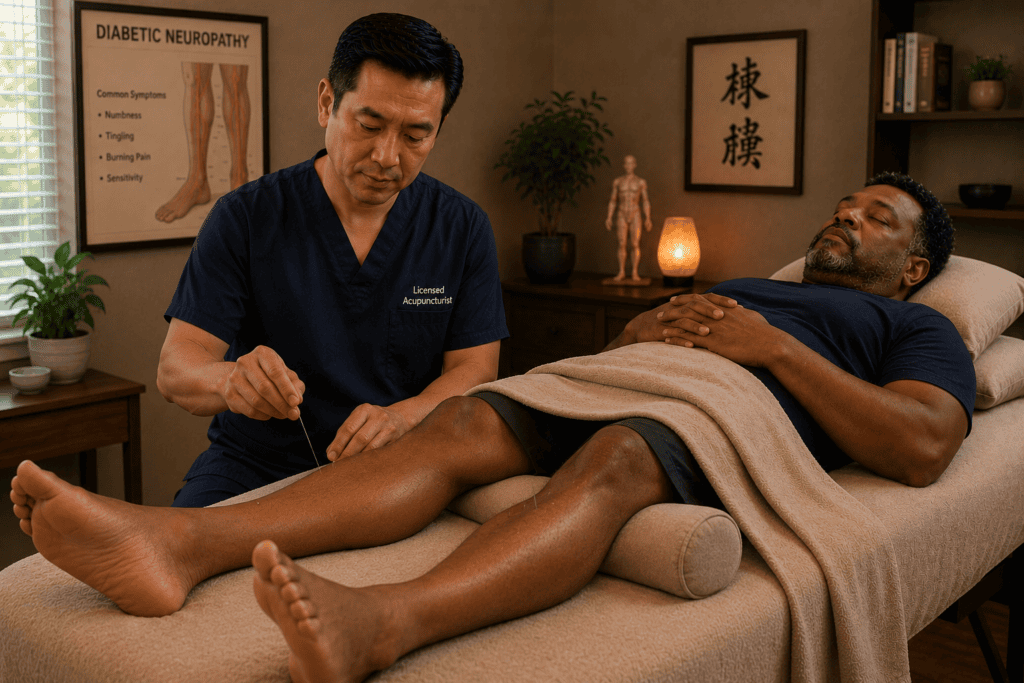
Diabetic peripheral neuropathy deserves specific attention because it is where acupuncture has the strongest research support in diabetes care.
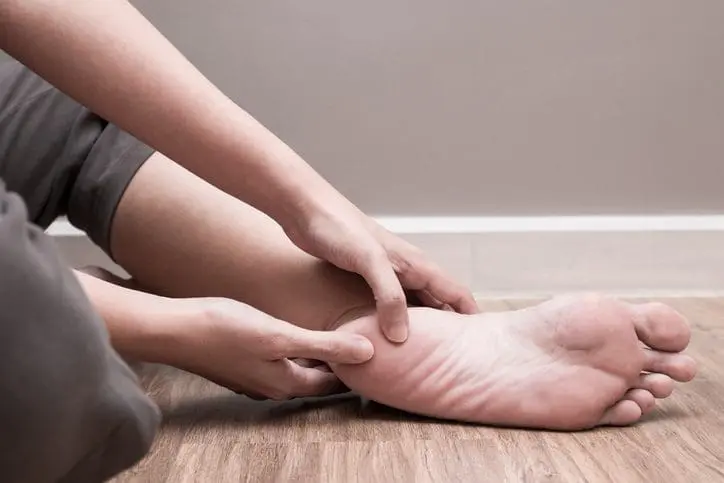
The condition involves nerve damage from chronic hyperglycemia, most commonly affecting the feet and lower legs. Symptoms include numbness, tingling, burning pain, sharp shooting pain, and sensitivity to touch. Advanced neuropathy contributes to foot ulcers, infections, and in severe cases amputation.
Standard care for diabetic neuropathy includes glucose control (essential), medications for neuropathic pain (gabapentin, pregabalin, duloxetine), topical treatments, and regular foot care. These help many patients but often provide incomplete relief.
Acupuncture has been studied specifically for diabetic peripheral neuropathy with generally positive results. The treatment supports nerve function through improved circulation, direct effects on nerve regeneration, and pain modulation. Many patients with diabetic neuropathy find substantial relief through regular acupuncture that they did not get from medications alone.
The Research Base

Research on acupuncture for diabetes has been growing over the past two decades. Multiple studies have examined effects on glucose control, insulin sensitivity, diabetic neuropathy, and quality of life outcomes.
Studies on acupuncture for glucose control in Type 2 diabetes have shown modest but measurable improvements in fasting glucose and HbA1c. The effect is not large enough to replace medications but is meaningful as complementary support.
Studies on acupuncture for diabetic peripheral neuropathy have been more strongly positive. Multiple studies and systematic reviews have found acupuncture effective for reducing neuropathic symptoms and improving quality of life in patients with diabetic neuropathy.
The NCCIH summary on acupuncture covers the broader research base for the treatment.
The Integrated Approach

Diabetes management works best with a coordinated approach that combines standard medical care with complementary support.
- Medical care remains foundational. Regular visits with your primary care and endocrinologist if applicable. Medication adherence. Consistent glucose monitoring. Regular screening for complications.
- Lifestyle work is essential. Working with a registered dietitian familiar with diabetes management. Regular movement including both aerobic activity and strength training. Weight management when relevant. Adequate sleep. Direct stress management practices.
- Regular acupuncture treatment. Weekly or biweekly acupuncture during the initial course supports the underlying patterns. Maintenance treatments over the longer term support sustained benefit.
- Home acupressure practice. Daily acupressure between professional sessions supports the ongoing patterns. See the companion piece How to Use Acupressure for Diabetes for the specific home practice protocol.
- Foot care. Regular foot inspection, appropriate footwear, and prompt attention to any injuries or wounds are essential for preventing complications.
- Anti-inflammatory nutrition. Reducing dietary triggers that contribute to inflammation supports glucose control and reduces complication risk.
- Community and emotional support. Chronic disease management is easier with support. Diabetes support groups, family involvement, and professional mental health support when needed all support the ongoing work.
When to Contact Your Doctor

Certain symptoms require immediate medical attention regardless of what complementary care you are pursuing.
Very high blood sugar readings that do not respond to your usual management. Very low blood sugar with confusion, difficulty speaking, or inability to eat. Symptoms of diabetic ketoacidosis including nausea, vomiting, fruity breath, difficulty breathing, or altered mental status. Signs of severe infection especially in the feet. New or rapidly worsening neuropathy. Vision changes. Chest pain or symptoms suggesting cardiovascular emergency.
These symptoms can indicate serious complications requiring urgent care. Acupuncture is complementary support and does not replace medical evaluation for acute concerns.
For patients looking to add acupuncture to their diabetes management, the nervous system patterns underlying chronic disease connect to the broader anxiety, stress, and depression patterns that many diabetic patients navigate.
Above and Beyond Acupuncture offers acupuncture, cupping, and lifestyle coaching at the North Frank Lloyd Wright Boulevard location in Scottsdale.
Schedule an appointment online or call us today to start your healing journey.

About the Publisher
Paul Kerzner, L.Ac., is a licensed acupuncturist and board-certified herbalist, as well as the founder of Above and Beyond Acupuncture in Scottsdale. His own journey from chronic patient to practicing acupuncturist shapes his commitment to providing honest, clinically grounded information about acupuncture and Traditional Chinese Medicine. Learn more about Paul and his clinical approach on the About Us page.