Key Takeaways
- Osteoarthritis is a prevalent form of arthritis that leads to joint pain and stiffness, greatly impacting daily life.
- Acupuncture can reduce osteoarthritis pain and enhance joint function, but it cannot repair cartilage damage.
- Research confirms acupuncture’s effectiveness, especially for knee, hip, and hand osteoarthritis, demonstrating advantages beyond medication alone.
- Traditional Chinese Medicine provides a comprehensive approach to osteoarthritis, focusing on warm therapies and dietary management to control symptoms.
- Acupuncture is a safe option that can enhance treatment for osteoarthritis alongside exercise, lifestyle modifications, and medical interventions.
Do your knees hurt when climbing stairs, do your hips feel stiff after sitting, or do your fingers become sore and swollen in the morning?
Osteoarthritis is the most common type of arthritis and a leading cause of pain and disability among older adults, impacting millions in the U.S. Although it cannot be cured, acupuncture is a well-supported natural treatment that helps reduce pain and stiffness, particularly for individuals looking to minimize pain medication or who cannot take certain drugs.
This article explores what osteoarthritis entails, the potential and limits of acupuncture, current research findings, Traditional Chinese Medicine perspectives, and what to expect from treatment.
What Is Osteoarthritis?
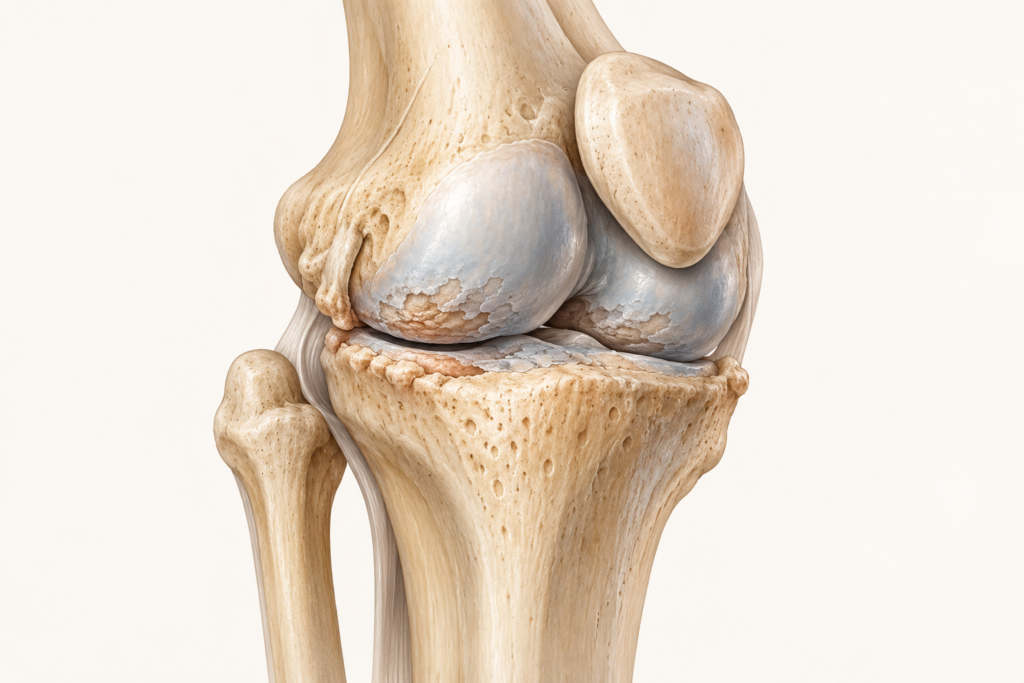
People once viewed osteoarthritis simply as wear and tear, but current understanding shows it impacts the entire joint. Over time, the smooth cartilage that cushions the ends of your bones becomes thinner and rougher. The underlying bone thickens and may form bony spurs. The joint lining can become irritated and produce excess fluid, while surrounding muscles, tendons, and ligaments may weaken or tighten. These combined changes lead to increased stiffness, instability, and pain during movement.
Common symptoms include joint pain that worsens with activity and improves with rest, morning stiffness or stiffness after sitting that usually gets better within about 30 minutes of movement, swelling, a grating or crackling sensation when moving the joint, reduced range of motion, and gradual changes in the joint’s shape. Unlike some other forms of arthritis, osteoarthritis typically does not lead to fever, fatigue, or systemic inflammation.
Who is Commonly Affected by Osteoarthritis?

Osteoarthritis tends to become more common with age, but it does not inevitably occur. Several factors can increase your risk.
- Past joint injuries, such as a torn ligament or meniscus in the knee, can elevate risk even years after injury.
- Excess weight adds stress to the knees and hips and can cause low-level inflammation that impacts joints throughout the body, including the hands.
- Repetitive strain from specific jobs or sports, weak muscles around a joint, and alignment issues like bowed legs can also raise risk.
- Osteoarthritis is more prevalent in women, especially after menopause, and it often runs in families, particularly affecting the hands.
How Osteoarthritis Affects Various Joints
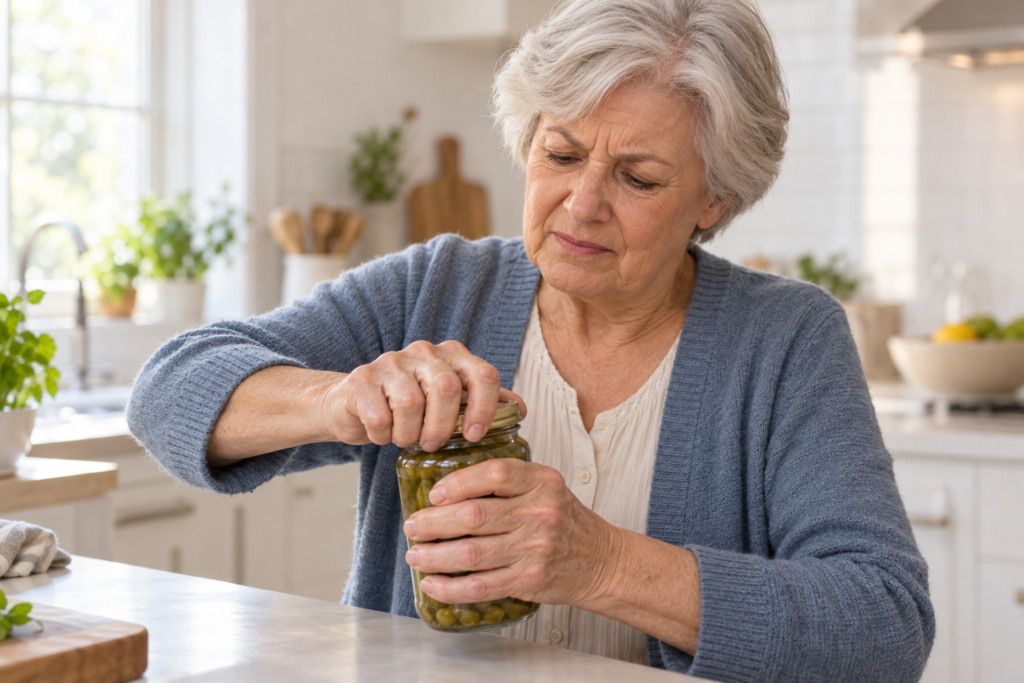
Osteoarthritis symptoms can vary based on the joints affected.
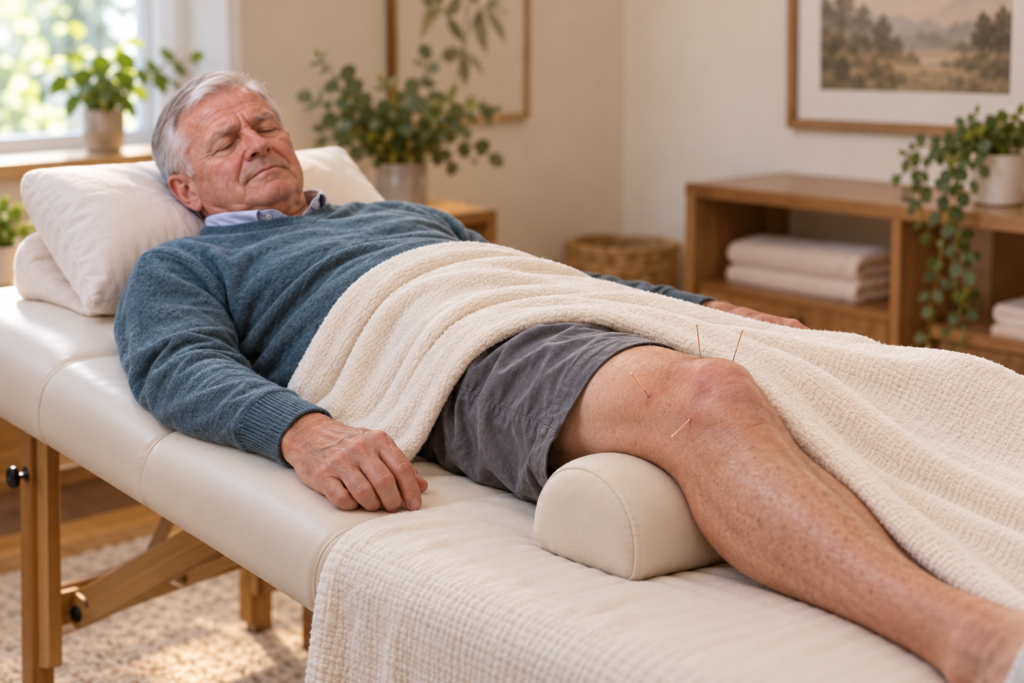
- Knees are the most commonly affected large joint. People often notice pain when climbing stairs, squatting, or getting up from a chair; stiffness after sitting; swelling; and sometimes a sense of the knee giving way.
- Hips often cause pain in the groin or front of the thigh rather than on the side of the hip, along with stiffness, difficulty putting on socks and shoes, and limping.
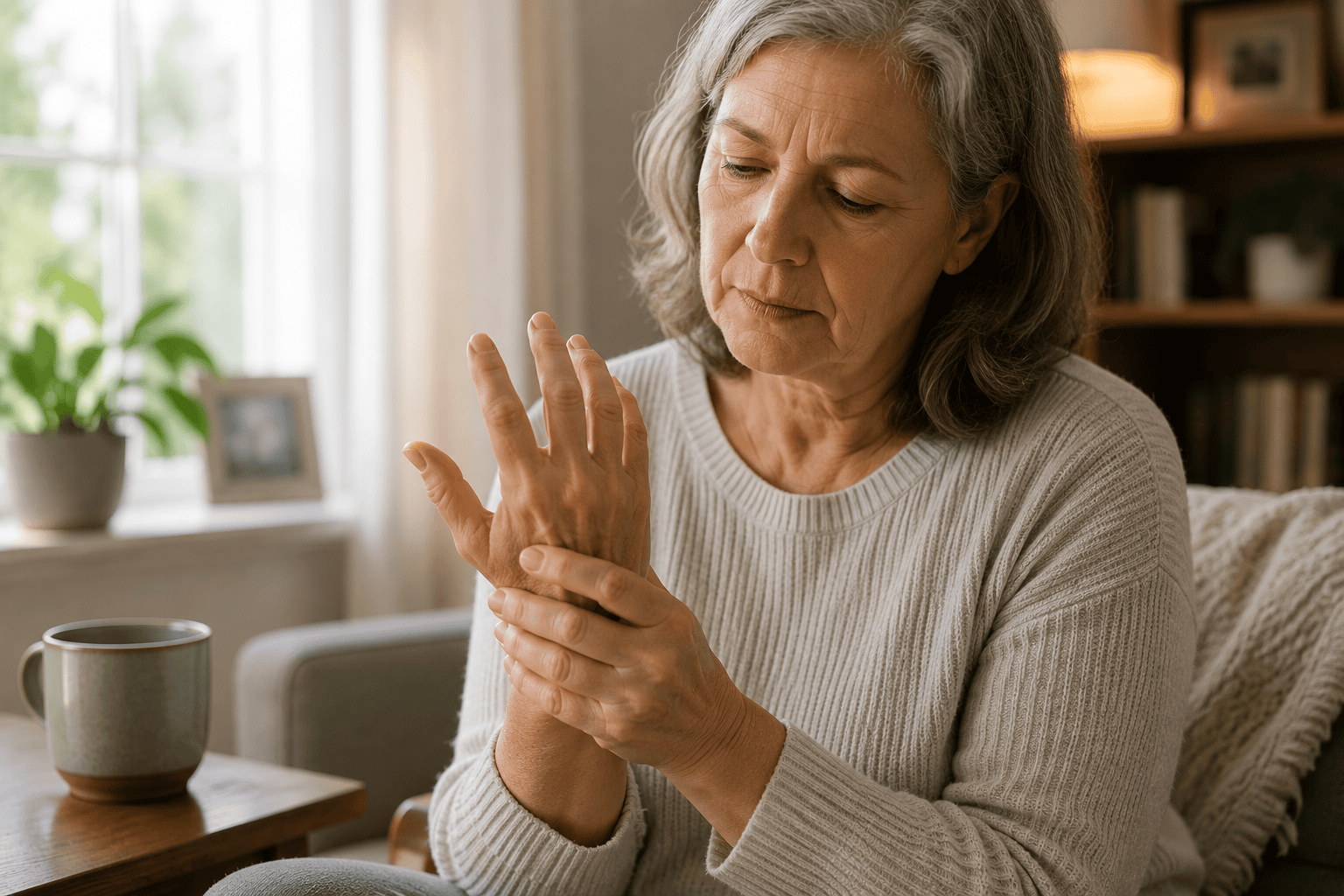
- Hands are commonly affected at the joints closest to the fingertips, the middle finger joints, and the base of the thumb, causing pain, stiffness, bony knobs, and difficulty gripping or opening jars.
- The spine, especially the neck and lower back, can develop stiffness and pain, and bone spurs can occasionally press on nerves, causing pain or tingling down an arm or leg.
- Feet, particularly the joint at the base of the big toe, can become stiff and painful when walking.
Acupuncture is applicable to all these joints; the strongest evidence for its effectiveness is for the knee, hip, and hand.
Can Acupuncture Treat Osteoarthritis?

Acupuncture does not have the ability to regenerate cartilage or repair the structural damage caused by osteoarthritis. It can benefit many individuals by decreasing pain, easing stiffness, and enhancing joint function in daily activities like walking, climbing stairs, gardening, and gripping. This matters because pain and stiffness are the main impairments and can hinder exercise, which is crucial for joint health.
For those looking to reduce their pain medication use or who cannot take certain drugs due to stomach, kidney, or heart issues, acupuncture can serve as an important part of their treatment plan. Its effectiveness is maximized when combined with exercise and lifestyle changes, which remain the fundamental strategies for managing osteoarthritis.
How Does Acupuncture Help?
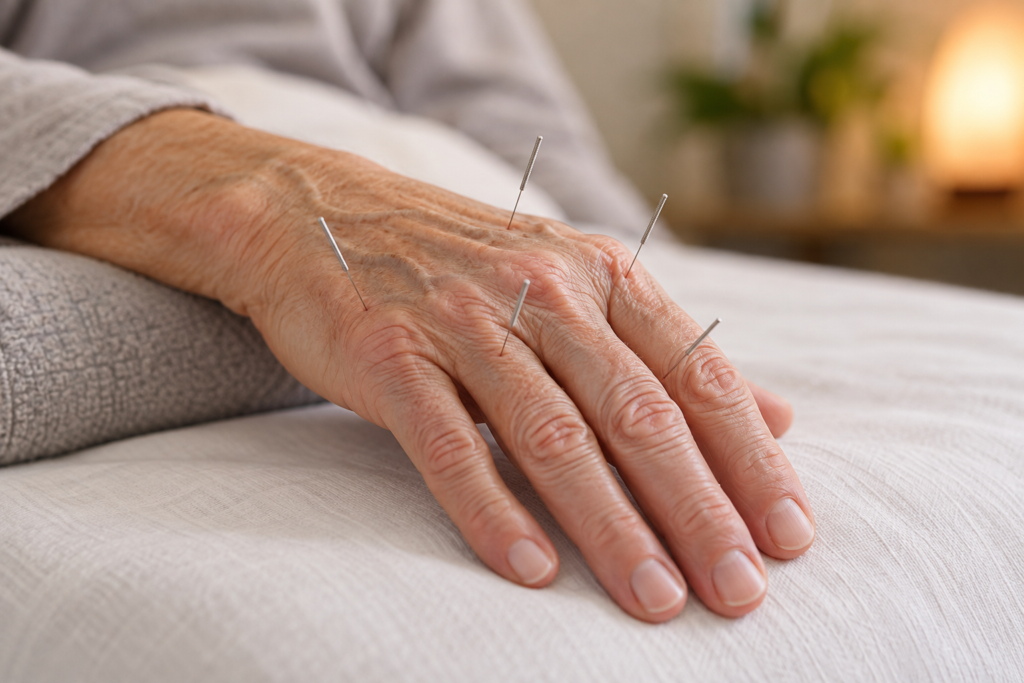
Acupuncture alleviates pain through various mechanisms. It stimulates the production of natural painkillers like endorphins and modifies the processing of pain signals in the spinal cord and brain. This is particularly important because chronic osteoarthritis pain can heighten nerve sensitivity. Studies suggest acupuncture may reduce local inflammation and improve blood flow around the joint. The therapy often relaxes tense muscles in the area, reducing stiffness.
Many patients notice increased flexibility and easier movement after treatment, resulting in reduced pain and improved mobility, helping them maintain their activity levels.
What Does the Research Show?
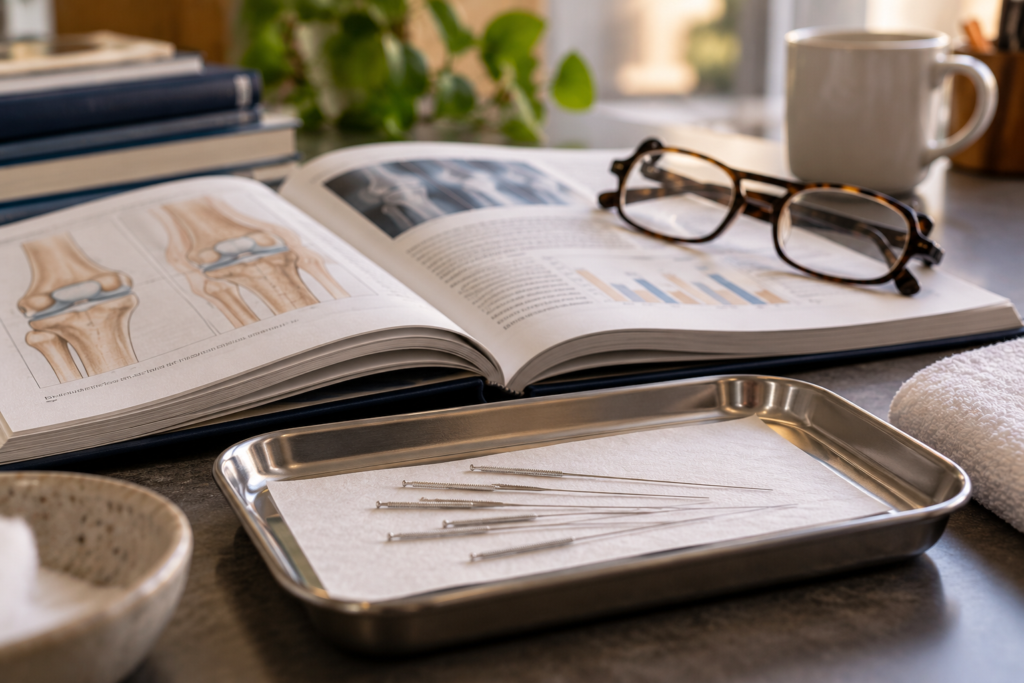
Osteoarthritis, particularly in the knees, has been extensively studied in acupuncture research, and the findings warrant closer examination.
- A large trial of more than 500 people with knee osteoarthritis, published in the Annals of Internal Medicine, found that acupuncture added to usual care improved pain and function more than sham acupuncture over six months.
- A German trial of about 1,000 people with knee osteoarthritis found that both real and sham acupuncture improved pain and function more than standard conventional care, with similar results between the real and sham groups.
- A large analysis pooling individual patient data from many trials found acupuncture more effective than both no acupuncture and sham acupuncture for chronic pain conditions, including osteoarthritis, with benefits that largely persisted over a year.
Overall, evidence indicates that acupuncture improves pain and function for many osteoarthritis patients, though debate continues over whether these benefits stem from precise needle placement or the overall treatment experience. Both the American College of Rheumatology and the Arthritis Foundation conditionally endorse acupuncture for osteoarthritis of the knee, hip, and hand. This suggests it can be a viable option, particularly for patients seeking alternatives to medication.
How Traditional Chinese Medicine Views Osteoarthritis
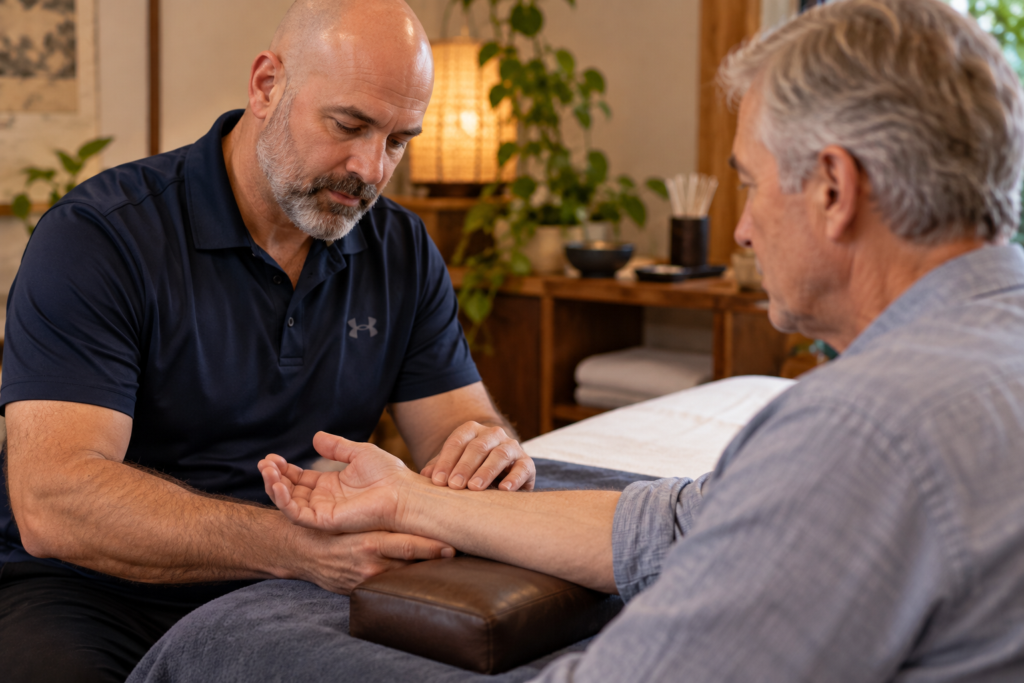
Traditional Chinese Medicine characterizes osteoarthritis as Bi syndrome, also known as painful obstruction, where the flow of Qi and Blood in the joints is impeded. Multiple patterns are frequently observed, and most individuals experience a combination of these.
- Cold and dampness are the most common. Joints feel stiff, achy, and heavy, worse in cold or damp weather and first thing in the morning, and better with warmth and movement.
- Damp heat can appear during a flare, when a joint becomes warm, swollen, and more painful.
- Blood stagnation brings fixed, stabbing pain in one spot, often in long-standing osteoarthritis or a joint that was injured years ago.
- Kidney and Liver decline. The Kidney governs the bones, and the Liver governs the sinews, and both naturally weaken with age, leaving the joints less nourished, less resilient, and slower to recover.
Treatment focuses on opening channels around the affected joint, warming and dispelling cold and dampness, cooling during flare-ups, promoting circulation of stagnant Blood, and supporting the Kidney and Liver. This approach explains why Chinese medicine favors warmth over ice for chronic joint pain, as discussed in our explanation of why Traditional Chinese Medicine advises against using ice.
Treatment Methods Used in the Clinic
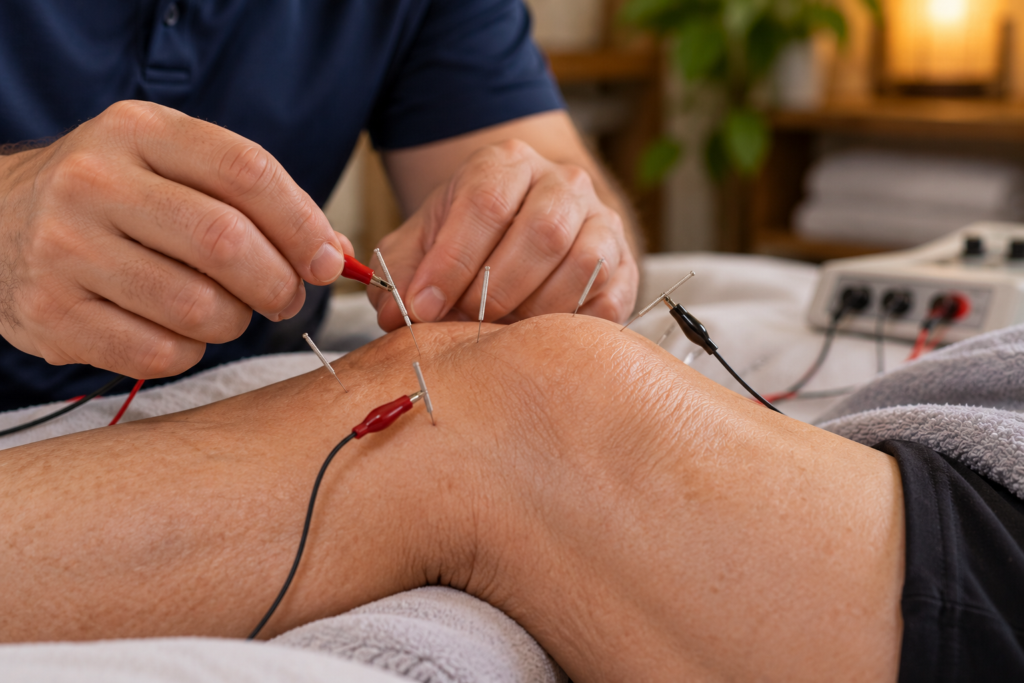
Acupuncture treatment for osteoarthritis typically involves combining various methods selected based on your specific joints and pattern.
- Local and distant points. Needles are placed around the affected joint to open the area, along with points elsewhere on the body that address your overall pattern and pain.
- Electroacupuncture. A gentle electrical current applied to the needles can enhance pain relief and is commonly used for knee osteoarthritis.
- Warming therapies. Heat applied near the joint, a traditional practice for cold and damp patterns, can ease stiffness.
- Cupping. Cupping releases the tight muscles around a painful hip, knee, or spine.
- Chinese herbs. Classical formulas tailored to your pattern may be recommended to support the joints between visits and will always be checked against your medications.
What to Expect From Treatment
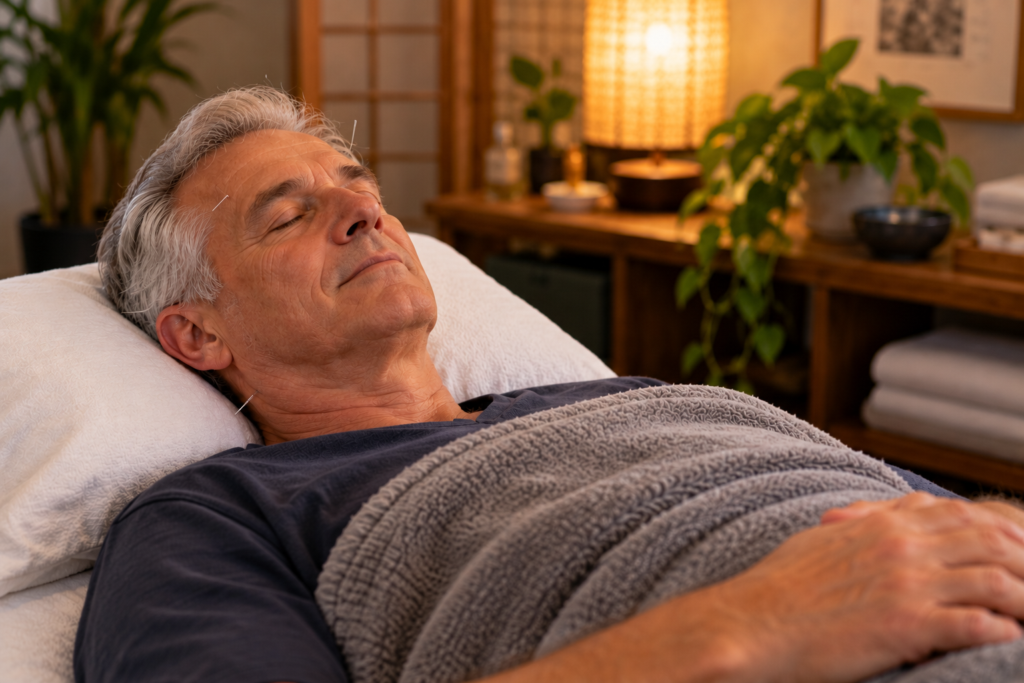
During your initial visit, you will discuss which joints are affected, how long your symptoms have lasted, what improves or worsens them, your activity level, sleep patterns, digestion, and medications. The practitioner will assess the joint’s movement and tenderness. Many patients find the sessions relaxing, with some even dozing off during treatment.
Most people start with weekly sessions lasting six to eight weeks. Many experience reduced pain and stiffness within the first few visits, with further improvement over time. As osteoarthritis is a chronic condition, many patients transition to less frequent maintenance visits after feeling better, typically every few weeks, and return more often during flare-ups.
Benefits Beyond Pain Relief

People often discover that acupuncture benefits more than joint pain alone.
Many experience improved sleep, which can make managing pain easier. Some feel calmer and less discouraged, as chronic pain can impact mood and motivation. Others find they need less pain medication, a benefit particularly valuable for older adults and those with stomach, kidney, or heart conditions. Most importantly, reduced pain typically makes it easier to continue exercising and staying active, helping to preserve joint health over time.
Is Acupuncture Safe for Osteoarthritis?
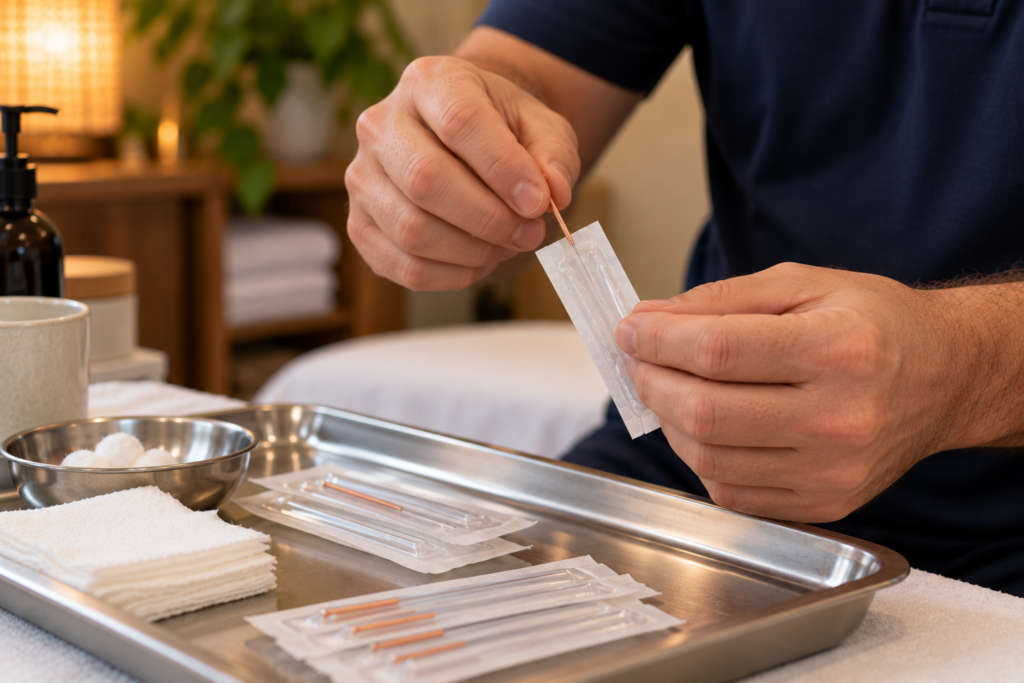
When performed by a licensed acupuncturist with sterile, single-use needles, acupuncture is very safe, even for seniors.
Common minor side effects include small bruises or brief soreness where the needles are inserted. Be sure to inform your acupuncturist if you take blood thinners, have a bleeding disorder, a pacemaker, diabetes with numb feet, or a joint replacement, so your treatment can be adjusted accordingly. Needles are not placed directly into replaced joints, but nearby points may still be used.
Acupuncture Alongside Medical Care
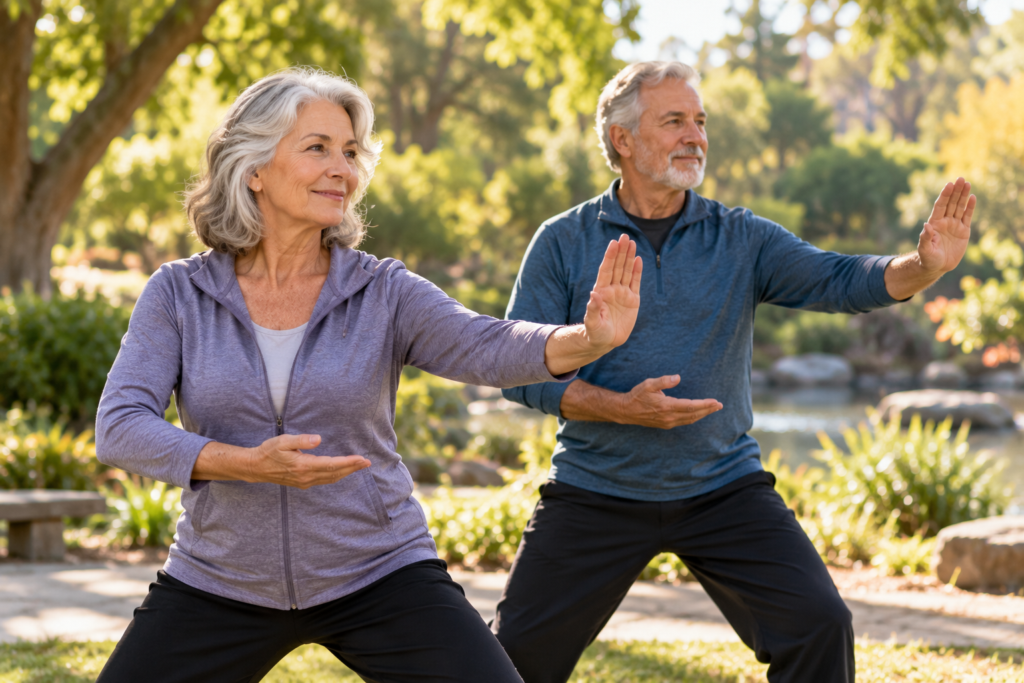
Managing osteoarthritis effectively involves combining multiple strategies.
Regular exercise, focusing on strengthening the muscles around the affected joint and including low-impact activities such as walking, cycling, swimming, and tai chi, is central to treatment. Acupuncture can make exercise easier and help manage pain. Low-impact activities such as walking, cycling, swimming, and tai chi are central to treatment. Maintaining a healthy weight decreases the stress on your knees and hips; even modest weight loss can significantly reduce knee pain. A physical therapist can develop a tailored exercise program for your joints, while supportive footwear, braces, or a cane can provide additional assistance. Your doctor may also recommend topical or oral pain medications, injections, or, in severe cases, joint replacement surgery. Importantly, acupuncture can complement all these treatments effectively.
Home Care From a Chinese Medicine Perspective
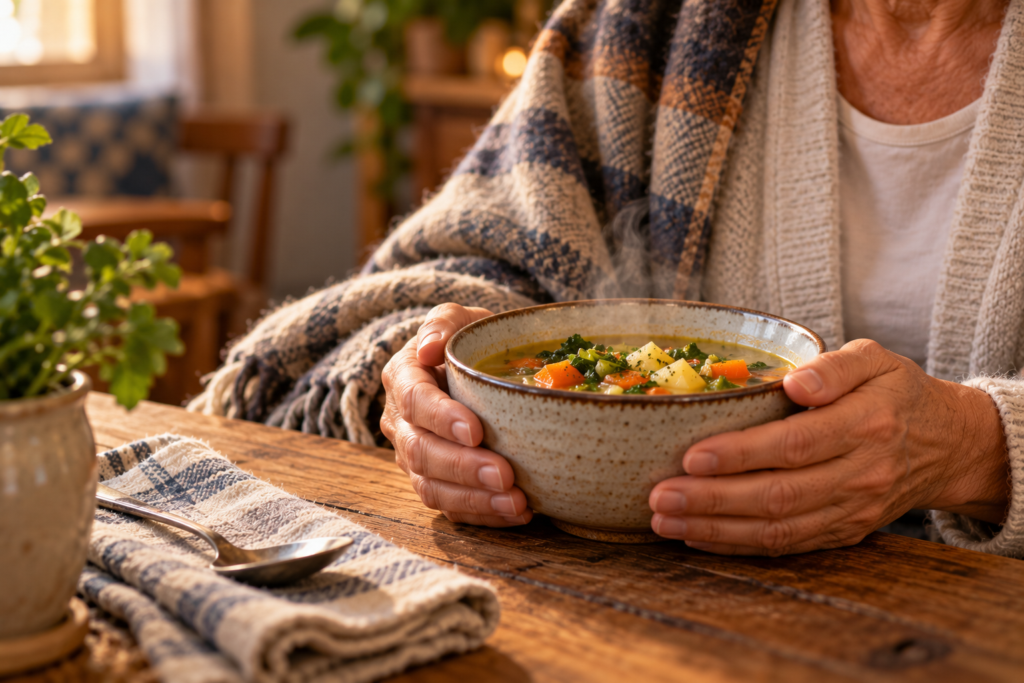
Traditional Chinese Medicine recommends simple strategies for managing osteoarthritis.
Keep joints warm, especially in air-conditioned environments or cold weather, and use warm baths, heat packs, or compresses to relieve morning stiffness. Eat more warm, cooked foods like soups, stews, and cooked vegetables, which are easier to digest and help reduce dampness. Steer clear of cold, raw, greasy, or overly sweet foods. Move gently each day to promote Qi and Blood flow in your joints, and avoid sitting for long periods. At home, you can also use acupressure on specific points between visits to help relieve symptoms.
When to See a Doctor
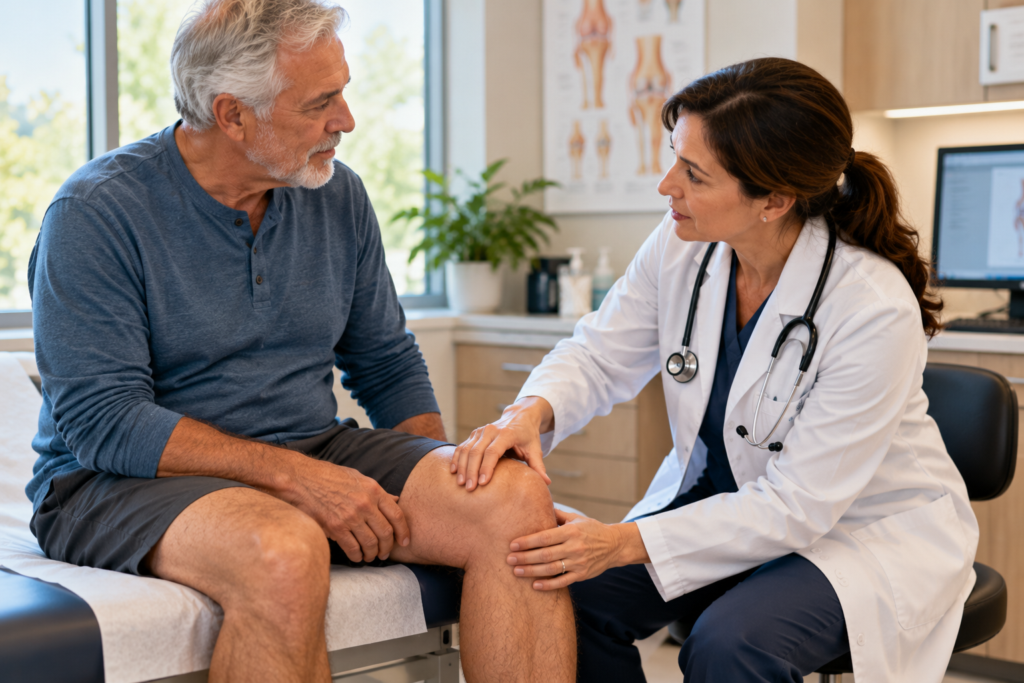
A doctor should diagnose osteoarthritis because other arthritis types, such as rheumatoid or psoriatic arthritis, require different treatments.
Seek medical attention immediately if a joint suddenly becomes hot, red, and very swollen, especially with a fever, as this may indicate infection or gout. Also, see a doctor for severe pain after a fall or injury; a joint that locks, gives way, or cannot support weight; or joint pain with unexplained weight loss, fever, or night pain that doesn’t improve with rest. Consult your doctor if morning stiffness lasts over an hour or if multiple joints are affected, as these could signal inflammatory arthritis. Consult your doctor if your pain worsens, disrupts daily activities, or does not respond to your current treatment.
Acupuncture is an evidence-supported therapy for osteoarthritis pain and can complement your medical treatment and exercise routine.
For arthritis in general, can acupuncture treat arthritis, and how acupuncture treats arthritis provide additional information and context; if your knees are the main concern, can acupuncture treat knee pain is the companion post.
Above and Beyond Acupuncture offers acupuncture, cupping, and lifestyle coaching at the North Frank Lloyd Wright Boulevard location in Scottsdale.
Schedule an appointment online to start your healing journey.

About the Publisher
Paul Kerzner, L.Ac., is a licensed acupuncturist and board-certified herbalist, as well as the founder of Above and Beyond Acupuncture in Scottsdale. His own journey from chronic patient to practicing acupuncturist shapes his commitment to providing honest, clinically grounded information about acupuncture and Traditional Chinese Medicine. Learn more about Paul and his clinical approach on the About Us page.