
Key Takeaways
- Acupuncture is generally safe, but it can cause side effects such as minor bruising, soreness, and temporary fatigue.
- More serious risks like infection or pneumothorax are rare and usually result from improper technique, not acupuncture itself.
- Practitioners’ training significantly affects the risk of serious complications; choose a licensed acupuncturist for safety.
- Certain individuals, such as those on blood thinners or who are pregnant, should take extra care and discuss their conditions with their practitioners.
- Overall, the risks associated with acupuncture are minor and manageable, rendering it a dependable therapeutic option for numerous individuals.
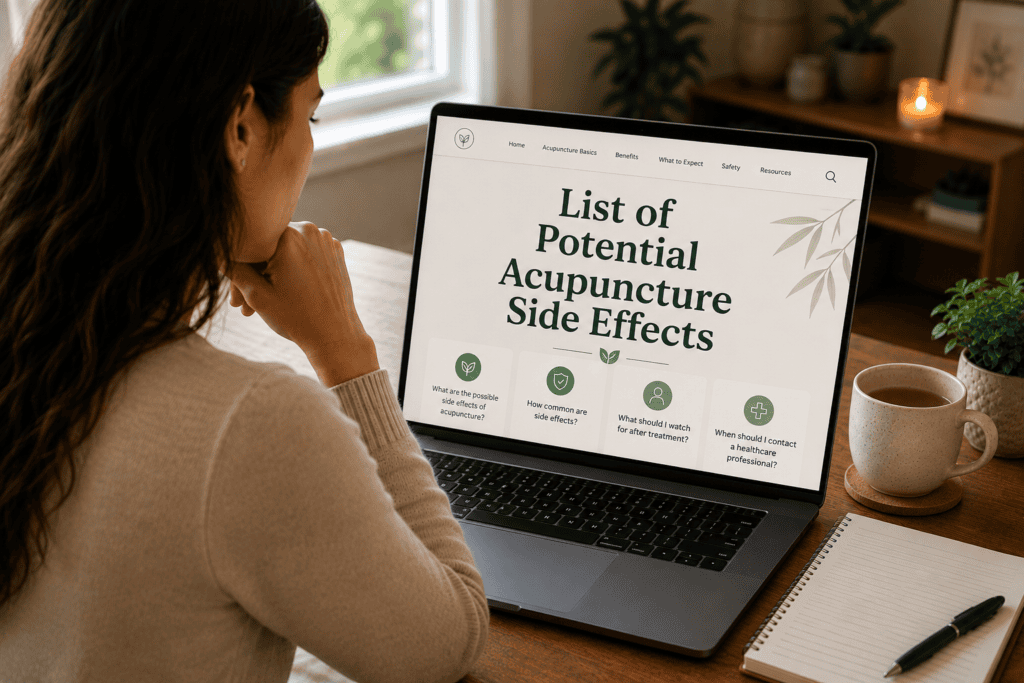
Acupuncture is recognized as one of the safer therapeutic methods available; however, “safe” does not imply “completely without effects.” Individuals considering an initial acupuncture treatment should be fully and properly informed. Most adverse effects are mild, temporary, and generally of no concern. A few adverse effects are rare but are important to understand. Nearly all of the serious risks are associated with the qualifications of the practitioner administering the treatment.
This article explains the potential side effects of acupuncture, how often each occurs, and ways to minimize associated risks.
What Are Some Common, Minor Side Effects of Acupuncture?

These are effects of an acupuncture treatment many people may experience, and they’re typically harmless and short-lived:
- Minor bruising or soreness. A small bruise or a little tenderness at a needle site is the most common effect, especially at points on the hands, feet, and other areas with less padding. It usually fades within a day or two.
- A small drop of blood. A tiny bit of bleeding when a needle comes out is rare, normal, and harmless. It is usually nothing more than a single drop or two.
- Temporary fatigue or drowsiness. Many people feel relaxed or sleepy after a treatment as the nervous system shifts into recovery mode. This is often a sign the treatment is doing what it should, though it means it is wise to take it easy rather than schedule something demanding immediately after.
- Lightheadedness. Some people feel briefly lightheaded, particularly first-timers, those who came in anxious, or anyone who arrived on an empty stomach. Eating something beforehand and mentioning any nervousness to your practitioner largely prevents it. On rare occasions someone may feel faint, which is why a good acupuncturist checks in during treatment.
- A brief emotional release. It is not unusual to feel unexpectedly emotional during or after a session, sometimes a wave of calm, sometimes tears that seem to come from nowhere. This passes and is generally considered part of the process rather than a problem.
- A temporary symptom flare-up. Occasionally, patients may experience a brief flare-up before it improves. This is usually short-lived and followed by a marked improvement.
Contacting a Nerve

One effect worth describing, though it occurs only occasionally, is what happens when an acupuncture needle contacts a nerve.
Rather than the dull ache or heaviness that most points produce, nerve contact feels like a brief, sharp zing or an electric tingle that travels along the area. It can be startling in the moment. In practice, it is almost always momentary and resolves as soon as the practitioner adjusts or removes the needle. It is an infrequent, normal occurrence that occasionally happens even in the most skilled hands, not a sign that something has gone wrong.
If it happens, tell your practitioner immediately so they can reposition the needle and keep the rest of your acupuncture treatment comfortable.
What are the Rare, More Serious Risks of Acupuncture?
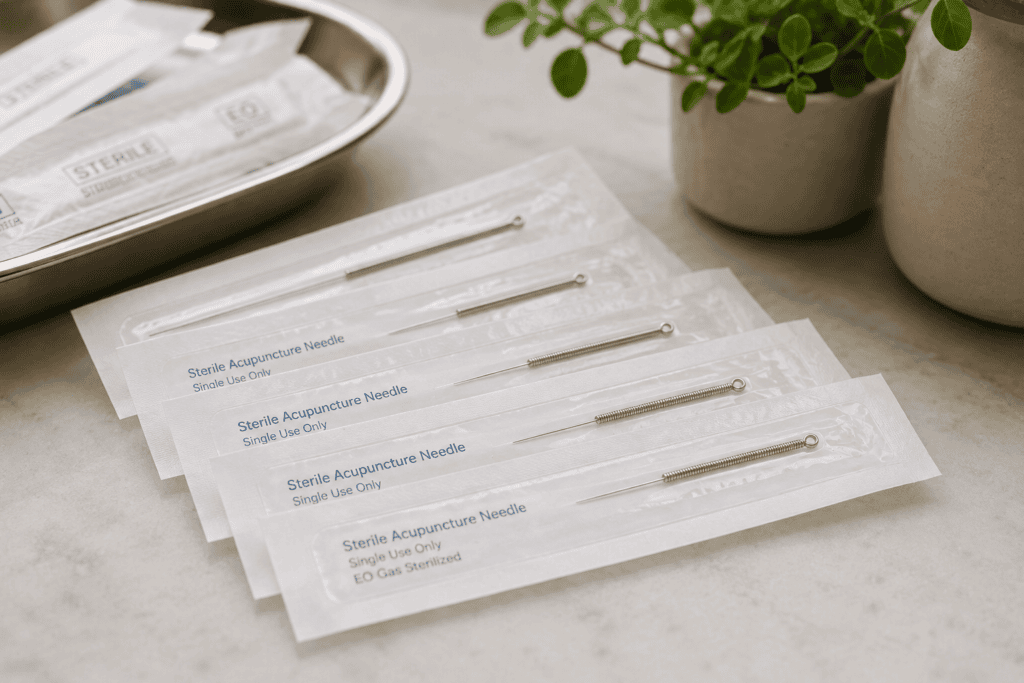
Being objective about acupuncture means identifying serious risks while keeping them in proportion. These are uncommon, and the most serious ones are typically linked to improper technique rather than the practice itself.
- Infection is extremely rare. Because single-use, pre-sterilized, disposable needles are now the standard, infection at a needle site is very uncommon. In practical terms, brief nerve contact is a more realistic minor risk than infection, and even that resolves on its own. The near-elimination of infection risk is one of the clearest safety improvements in modern acupuncture, and it depends on the practitioner using sterile single-use needles every time.
- Pneumothorax. The most serious rare risk is a punctured lung, which can happen if a needle is inserted too deeply at points on the chest or upper back near the lungs. This is rare and is almost entirely a function of training, since a licensed acupuncturist knows the safe depth and angle at these points. It is one of the strongest reasons to see a properly credentialed practitioner rather than someone with minimal needle training.
- Nerve or tissue injury. While brief nerve contact is harmless, genuine injury from a needle is possible in principle but very rare, and again tied to improper technique rather than the practice performed competently.
Who Should Exercise Extra Caution Before Scheduling an Acupuncture Treatment?

Acupuncture is safe for most people, but some health conditions may require additional caution. Always have an open, honest discussion with your practitioner to make sure it’s the right fit for you.
- If you take blood thinners or have a bleeding disorder, you may bruise or bleed more easily, so your practitioner should know in advance and adjust accordingly.
- If you are pregnant, certain points are avoided because they can stimulate uterine activity, which is exactly why seeing a licensed acupuncturist trained in the contraindications matters during pregnancy.
- If you have a pacemaker, electroacupuncture, which passes a small current through the needles, may not be appropriate, though standard needling generally is.
- If you have a compromised immune system, it is worth discussing with both your physician and your acupuncturist, largely as a sensible precaution.
Why Most Serious Risks of Acupuncture Come Down to Training
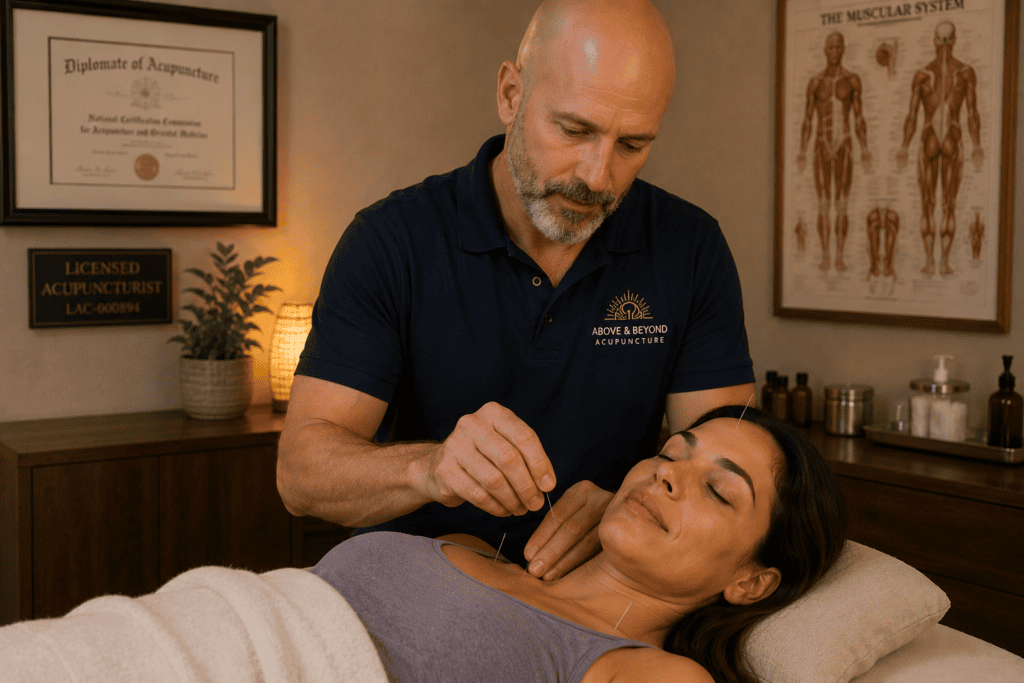
Serious risks such as pneumothorax, nerve injury, and infection mainly stem from improper technique rather than from expert acupuncture by a licensed professional. Credentials matter because licensed acupuncturists receive comprehensive training in anatomy, needle safety, and sterile techniques, which helps minimize these risks. More importantly, someone with just a weekend course lacks this thorough background.
If you want to understand how to confirm whether a practitioner is properly qualified, “How Do I Find a Good Acupuncturist Near Me?” explains exactly how to conduct due diligence.
The Objective Honest Truth About Acupuncture
Acupuncture is very safe when performed by a licensed acupuncturist using sterile, single-use needles.
Common side effects are mild and short-lived, including a little soreness, some tiredness, and the occasional bruise. Rare serious risks are strongly tied to untrained practitioners rather than the practice itself. For most people, the risk profile is reassuring rather than alarming, which is one reason acupuncture has been used safely for thousands of years and continues to be integrated into modern healthcare.
To gain a clearer understanding of acupuncture’s effects and limitations, “Can Acupuncture Help Me?” explains where the practice is truly effective.
Above and Beyond Acupuncture offers acupuncture, cupping, and lifestyle coaching at the North Frank Lloyd Wright Boulevard location in Scottsdale.
Schedule an appointment online or call us today to start your healing journey.
About the Publisher
Paul Kerzner, L.Ac., is a licensed acupuncturist and board-certified herbalist, as well as the founder of Above and Beyond Acupuncture in Scottsdale. His own journey from chronic patient to practicing acupuncturist shapes his commitment to providing honest, clinically grounded information about acupuncture and Traditional Chinese Medicine. Learn more about Paul and his clinical approach on the About Us page.