
Key Takeaways
- Online searches for acupuncturists return similar results, but finding the right practitioner requires verifying licensing and training.
- A qualified acupuncturist possesses the L.Ac. credential and frequently holds certification from the NCCAOM, thereby ensuring adherence to established standards of care.
- Ask important questions prior to booking, like the practitioner’s experience with your condition and their communication with other healthcare providers.
- Look for red flags like unrealistic promises or pressure to prepay for treatments, as these indicate potential issues.
- Understand that acupuncture is effective for some conditions and not for others; reading reliable sources helps set realistic expectations.
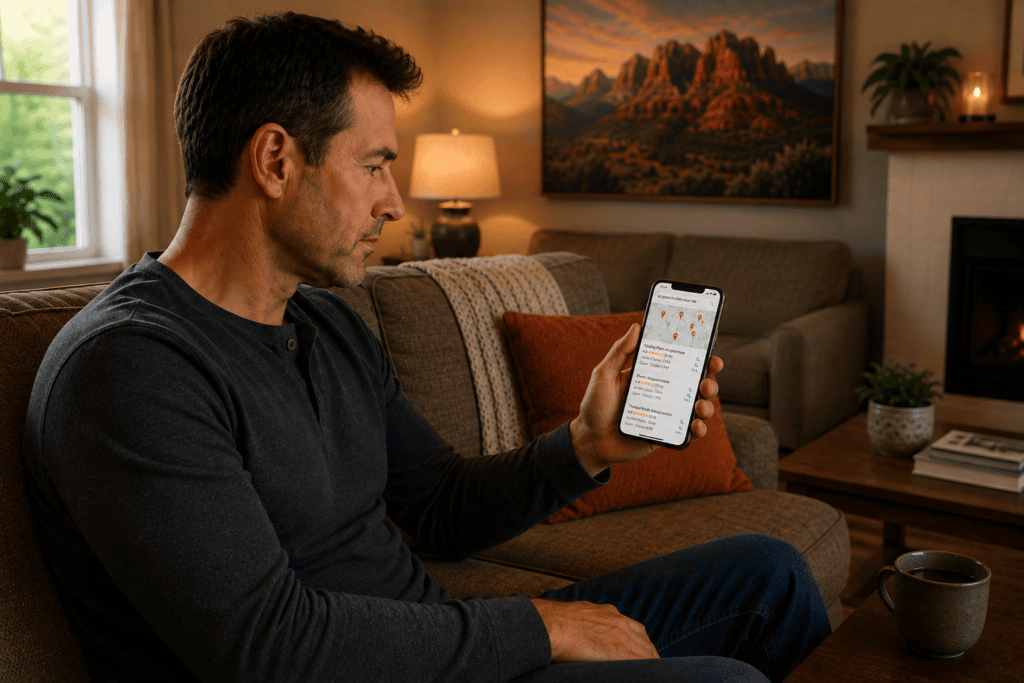
Search “acupuncturist near me” and you will find a map filled with numerous options that all appear quite similar. These listings feature comparable star ratings, similar photographs, and reassuring language across various websites. The results mainly show who is nearby and who has invested in their online presence, but they offer little information about the practitioner’s training level or suitability for your specific needs.
This article explains how to distinguish between providers before booking, ensuring your time and financial resources go toward care that genuinely benefits you.
How Do I Know if an Acupuncturist is Properly Licensed?
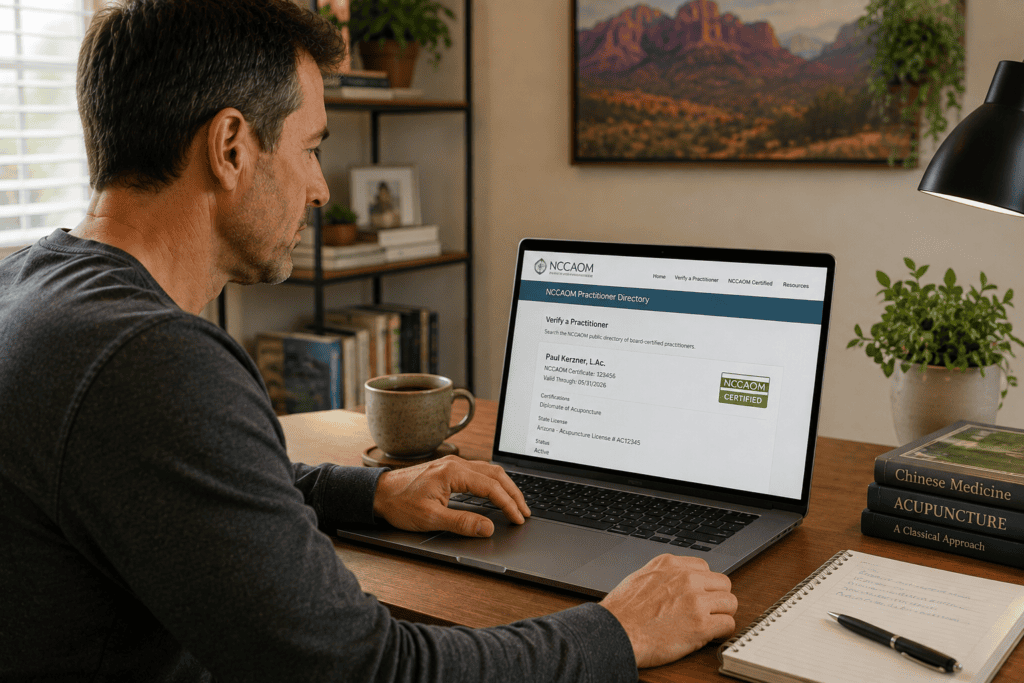
Licensing is the primary filter and takes roughly two minutes to verify. In the U.S., a qualified acupuncturist has the L.Ac. credential, meaning Licensed Acupuncturist, issued by a state regulatory authority. In addition to the state license, most practitioners are also certified by the National Certification Commission for Acupuncture and Oriental Medicine (NCCAOM). This certification, or the associated examinations, is required for licensure in 43 states and the District of Columbia, representing about 98 percent of states with regulated acupuncture.
You can verify certification personally by visiting the NCCAOM’s public “Find a Practitioner” directory, which lists over 20,000 board-certified acupuncturists and allows you to confirm current certification. Your state licensing board can also verify the state license directly. Both checks provide information that review stars cannot: proof that the individual has met established standards of training and competency.
What Is the Difference Between a Licensed Acupuncturist and Someone Who Does Dry Needling?
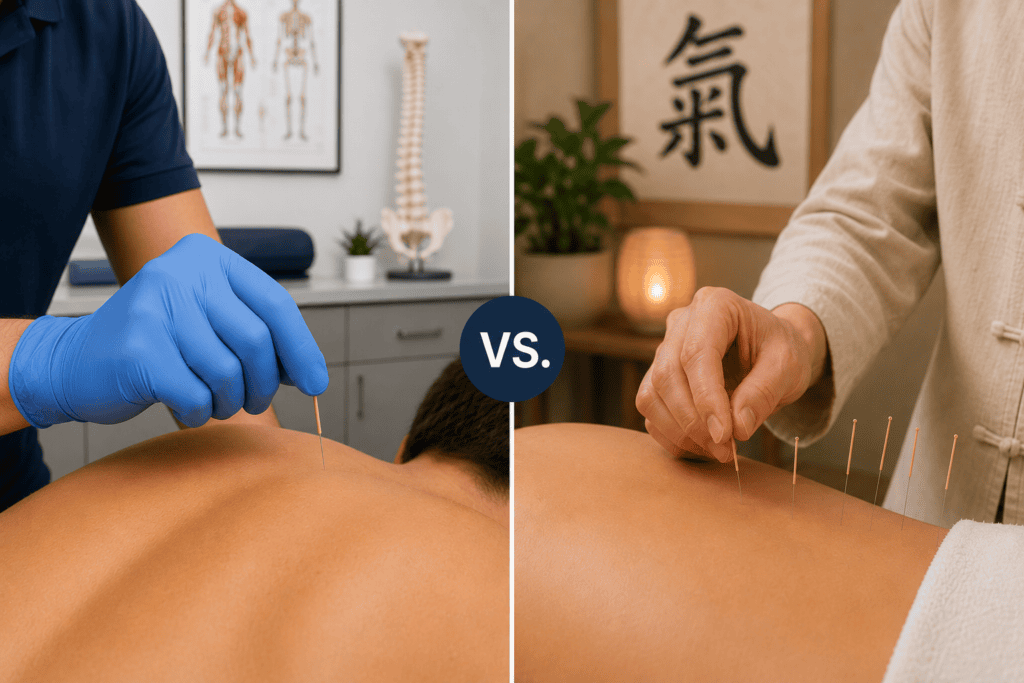
This distinction often surprises many people. A licensed acupuncturist undergoes a graduate program lasting three to four years, where they learn point location, anatomy, safe needle techniques, Chinese medicine theory, and clinical supervision, followed by board exams to earn their certification. In contrast, dry needling is usually performed by chiropractors or physical therapists who typically complete only a weekend course or a few dozen hours of training. While both practices use similar needles, their training levels are vastly different.
While neither option is inherently wrong in every situation, it’s important to understand which one you’re receiving. If someone offers “acupuncture,” you should ask whether they are a licensed acupuncturist or simply a practitioner performing dry needling, and make your choice based on that. The article Dry Needling vs Acupuncture explains the differences in training, safety, and clinical approach in more detail.
What Questions Should I Ask Before Booking?

A brief initial conversation can reveal a lot.
Important questions to ask include whether the practitioner has experience with your specific condition, as someone who treats many chronic pain cases may not be the best choice for fertility issues and vice versa. Ask about the expected number of sessions, which indicates whether they see treatment as a short-term plan or an open-ended process. Find out how they coordinate with your primary healthcare provider – ideally, they should be willing to work alongside your doctor rather than replace them.
Finally, ask what signs would indicate acupuncture isn’t effective or appropriate, since a transparent practitioner tracks outcomes rather than making assumptions.
What Does a Good Acupuncturist Do Differently?
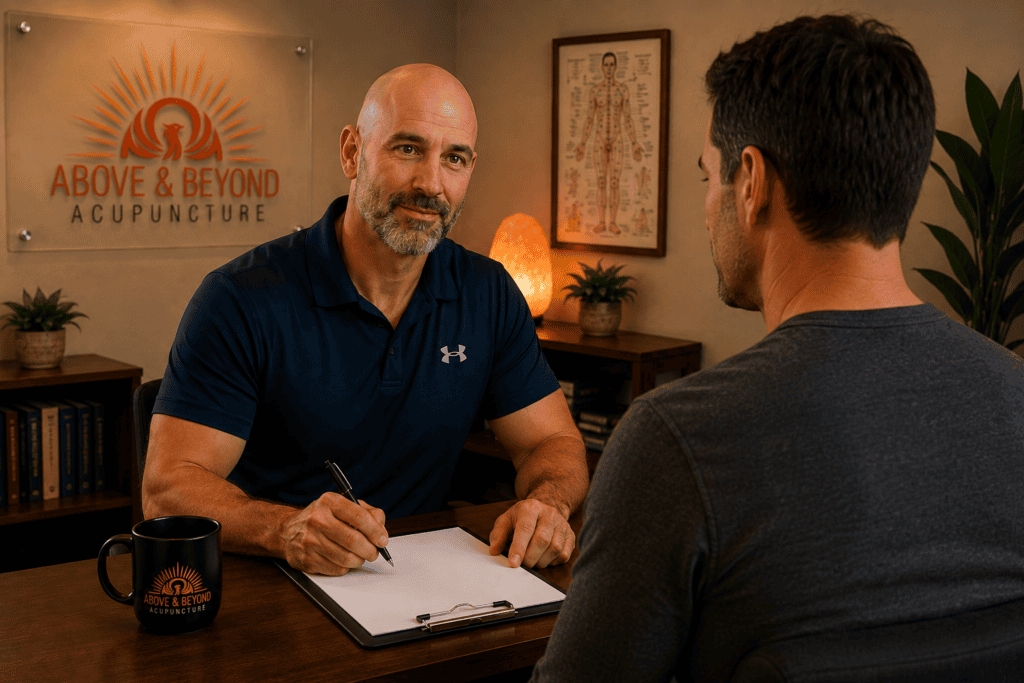
The most dedicated practitioners share some key habits. They start with a comprehensive intake, asking about sleep, digestion, stress, and medical history, rather than focusing only on the symptom you mention. This is because Traditional Chinese Medicine looks at patterns holistically. They also set realistic expectations, honestly explaining what acupuncture can and can’t do for your situation instead of making overly ambitious promises. When necessary, they refer you to other professionals, such as for imaging or to your physician, if your condition requires treatments beyond acupuncture. Being honest enough to say “this is not the right treatment for what you have” is a clear sign of a trustworthy practitioner. It shows that their primary goal is your well-being, not just keeping you coming back.
To better understand what authentic guidance looks like, please read “Can Acupuncture Help Me?” as it clearly explains where acupuncture can help and where it may not.
Are Online Reviews a Reliable Way to Choose?
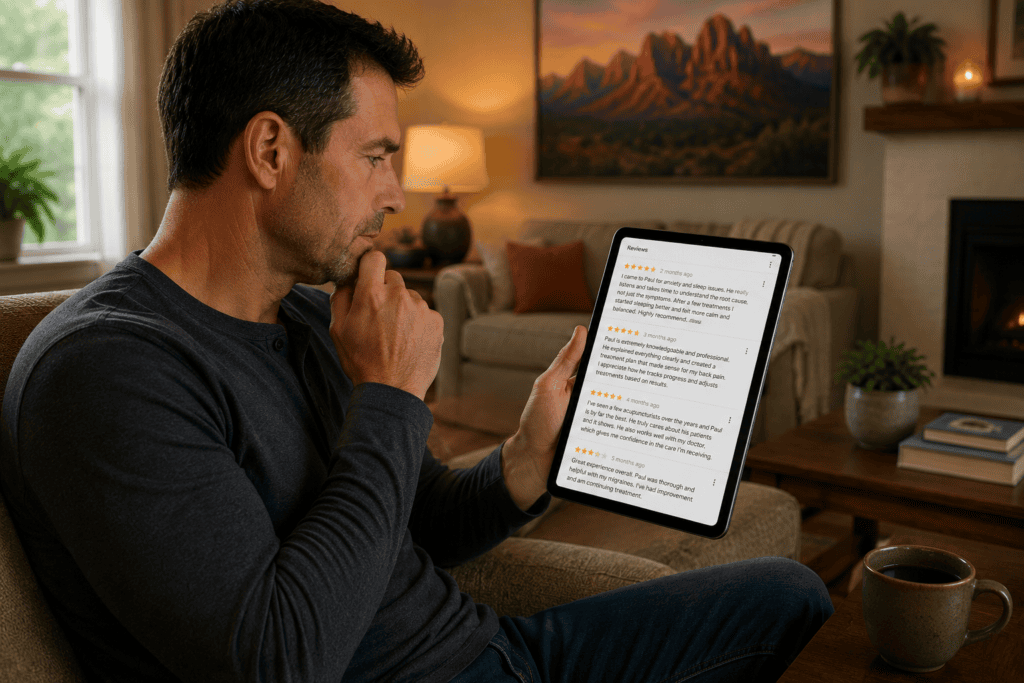
While reviews offer valuable insights, their limitations highlight the need to interpret them effectively. Star ratings often cluster near the top, making 4.8 and 4.9 seem less different. What truly matters is the substance of the written reviews.
Do reviews mention being treated for conditions similar to your own? Do they describe the practitioner as a good listener who explained things clearly? Do recurring themes appear across multiple reviews, whether positive or negative? A few detailed, thoughtfully written reviews can be far more informative than many brief, five-star ratings.
Just remember, reviews reflect the experience of booking and treatment, not the practitioner’s licensing status – which is why checking credentials remains essential.
What Are the Red Flags to Watch For?
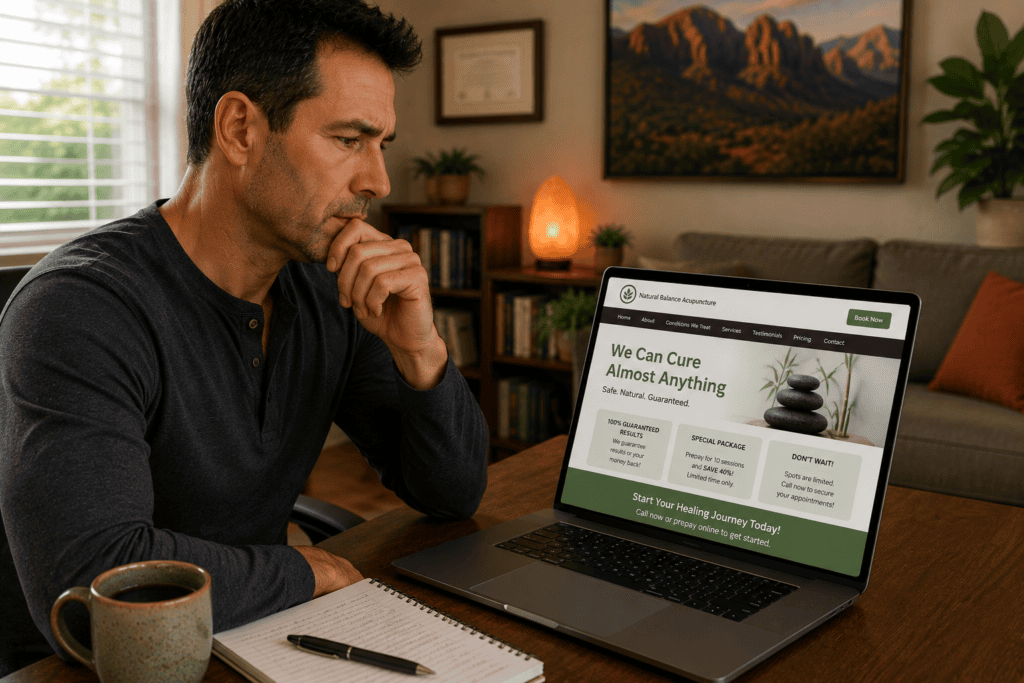
Be mindful of certain warning signs.
Be cautious if a practitioner promises to cure serious health issues, guarantees results, or claims acupuncture can replace essential medical treatment, because honesty about limitations reflects professionalism, while overpromising does not. Watch out for any pressure to pay upfront for large treatment packages before you’ve even had a first session or seen if it helps.
Also, consider the absence of a verifiable license as a clear sign to look elsewhere, no matter how attractive the marketing may seem. While none of these signs alone necessarily make someone a bad practitioner, each one is a good reason to pause, ask more questions, and be sure before committing your time and money.
How Do I Know if Acupuncture Is Even Right for My Condition?
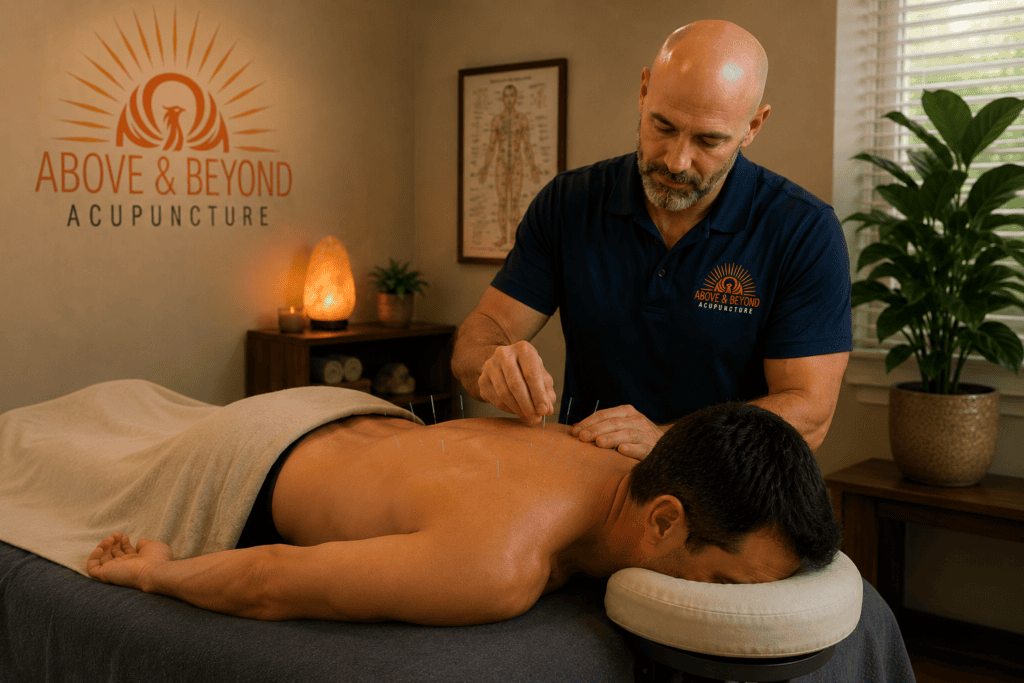
Finding a good acupuncturist is only beneficial if acupuncture is truly the right option for what you’re dealing with. The reality is that there’s strong research supporting some conditions, moderate support for others, and less for a few. The article “Is There Any Proof That Acupuncture Actually Works?” explains where the evidence currently stands, while “What Can Acupuncture Not Treat?” honestly shares where it isn’t the best choice. Reading both articles before your appointment can help set realistic expectations, creating a strong foundation for getting the most out of your care.
Above and Beyond Acupuncture offers acupuncture, cupping, and lifestyle coaching at the North Frank Lloyd Wright Boulevard location in Scottsdale.
Schedule an appointment online or call us today to start your healing journey.
About the Publisher
Paul Kerzner, L.Ac., is a licensed acupuncturist and board-certified herbalist, as well as the founder of Above and Beyond Acupuncture in Scottsdale. His own journey from chronic patient to practicing acupuncturist shapes his commitment to providing honest, clinically grounded information about acupuncture and Traditional Chinese Medicine. Learn more about Paul and his clinical approach on the About Us page.