Key Takeaways
- Acupuncture and Traditional Chinese Medicine provide alternative support for immune function and recovery, helping the body fight illness.
- Acupuncture is beneficial for minor ailments like colds and mild flu but should be deferred during severe illness until recovery.
- Regular acupuncture treatments can enhance immune resilience and reduce the frequency of illness over time.
- Key benefits of acupuncture include improved sleep, enhanced circulation, and increased white blood cell activity, supporting overall health.
- It’s crucial to seek medical care for severe symptoms and use acupuncture as a complement rather than a replacement for traditional medicine.
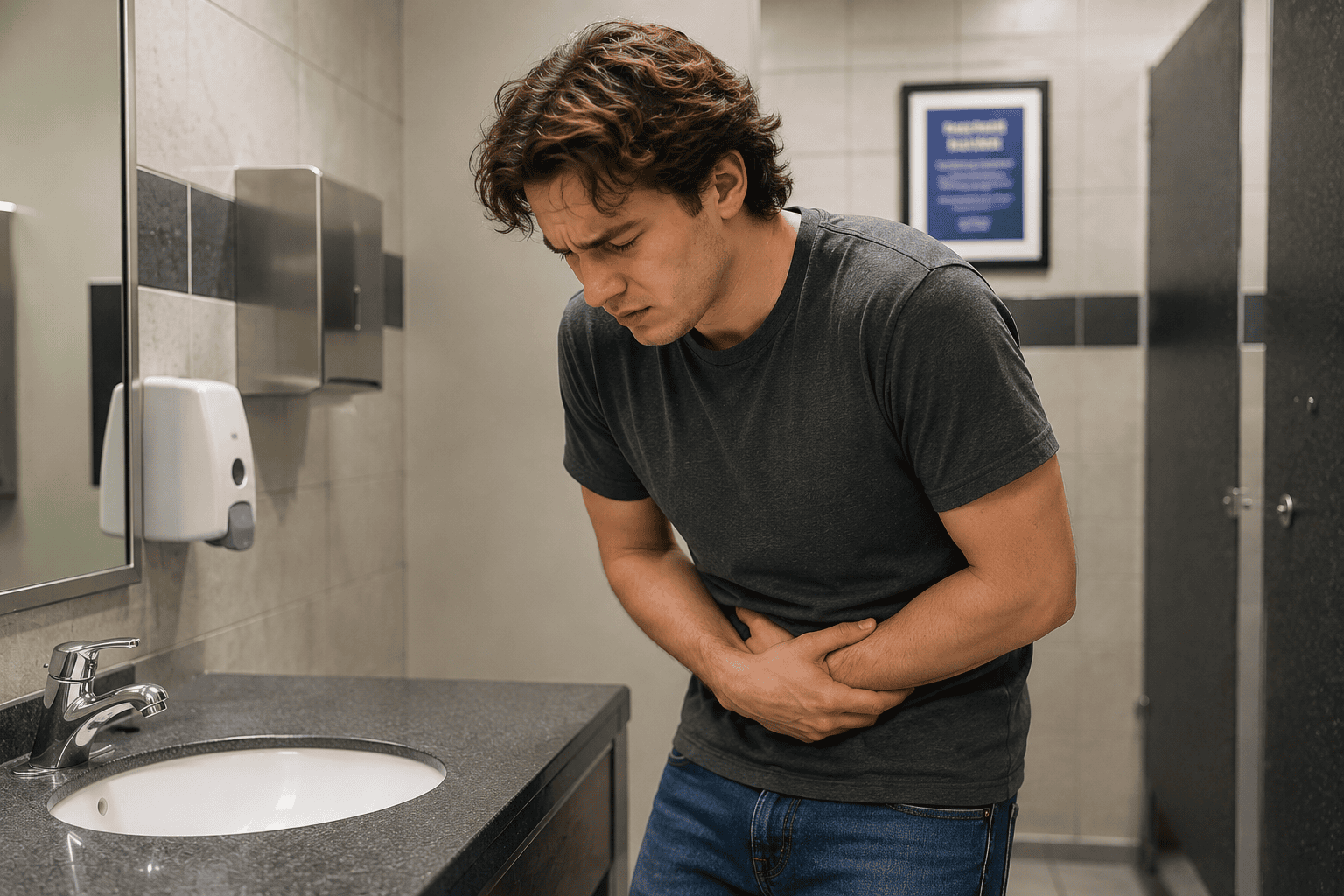
A scratchy throat that develops into congestion. Fatigue that turns into a fever. A cold that lingers longer than it should. The seasonal flu that puts you out for a week. Chronic patterns of getting sick more often than you should, or taking longer to recover than you used to. These are common experiences that most people navigate with over-the-counter medications and time.
Acupuncture and Traditional Chinese Medicine offer a substantially different approach that addresses immune function and recovery through mechanisms that most patients have never considered. The treatment does not replace medical care for serious infections. What it can do is support the body’s own capacity to fight illness, shorten recovery time, and build the resilience that makes future illness less frequent and less severe.
Here is what acupuncture actually does for acute illness and immune function, when it is appropriate to consider treatment during sickness, and how it fits into a broader approach to staying well.
Should You Get Acupuncture When You Are Sick?
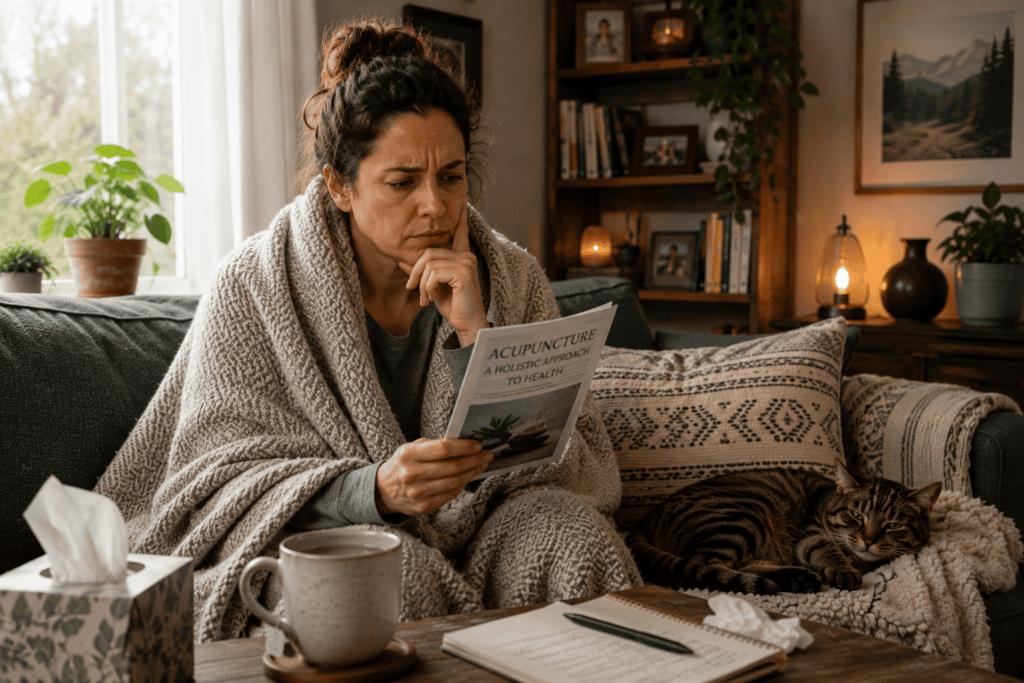
This is one of the most common questions patients ask when they feel under the weather. The answer depends on the specific illness and the phase of the illness.
- For minor acute illness including colds, mild flu, sinus infections, and GI upset, acupuncture treatment is generally safe and often beneficial. The treatment can support the body’s immune response, reduce specific symptoms, and shorten the duration of the illness. Many patients report feeling significantly better after a treatment during a cold or mild flu.
- For more severe illness including high fevers, active bacterial infections requiring antibiotics, or serious viral illness, the priority is medical care and rest. Acupuncture is more appropriate during the recovery phase after the acute crisis has passed rather than during the peak of the illness itself.
- For contagious respiratory illness, staying home rather than exposing others in a treatment room is important. Reschedule the appointment for after the acute contagious phase has passed. Most acupuncturists would prefer this and will accommodate a reschedule without penalty.
- For chronic patterns of getting sick more often than you should, or taking longer to recover than you used to, acupuncture treatment can address the underlying immune patterns that make you vulnerable. This is preventive rather than acute work, and it is often the most valuable use of the treatment.
How Acupuncture Supports Immune Function
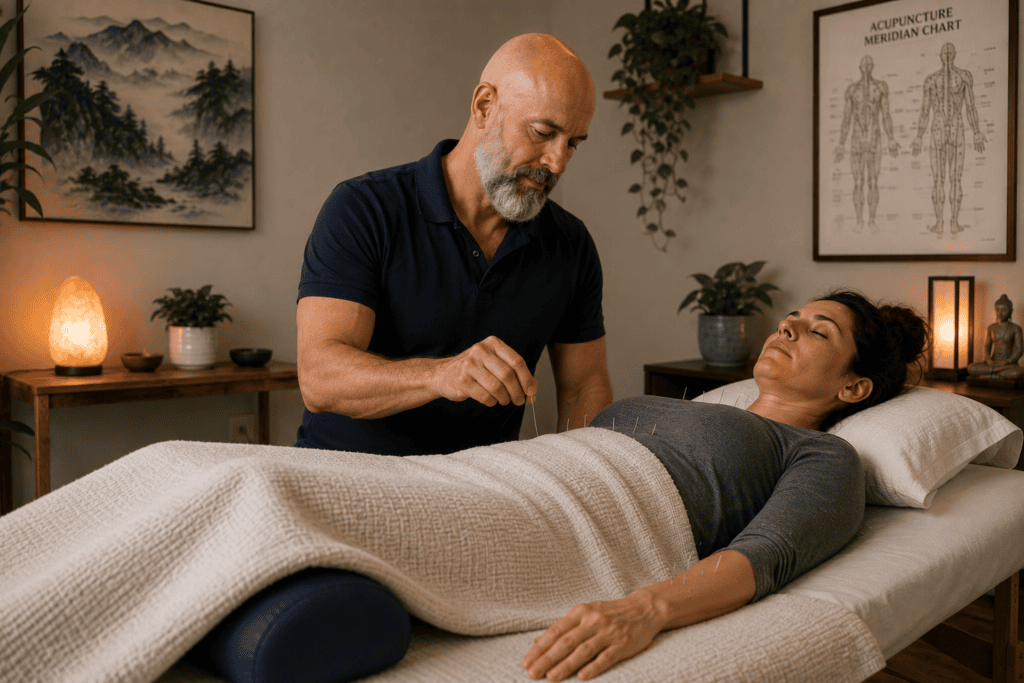
The research on acupuncture and immune function has grown substantially over the past two decades. The mechanisms are documented and directly relevant to how the body fights infection.
- Autonomic nervous system regulation. Chronic stress activates the sympathetic nervous system and suppresses immune function. Acupuncture shifts the balance toward parasympathetic activation, which supports the immune response. This is one of the most consistent findings across acupuncture research and directly relevant to immune resilience. The fuller picture of how chronic stress affects the body is in What Is Cortisol and Why Do I Have So Much of It?.
- Reduction of chronic inflammation. Chronic low-grade inflammation interferes with the immune system’s ability to respond to acute threats. Acupuncture reduces inflammatory markers through documented mechanisms, which supports immune function by clearing the inflammatory noise that impairs immune signaling.
- Increased white blood cell activity. Multiple studies have measured increased activity of natural killer cells, T-cells, and other immune components following acupuncture treatment. These are the cells that identify and destroy pathogens.
- Improved circulation. Acupuncture improves local and systemic circulation, which supports the delivery of immune cells to sites of infection and the clearance of waste products from tissues under immune stress.
- Sleep quality improvement. Sleep is essential for immune function. Acupuncture improves sleep quality across multiple measures, and better sleep produces better immune function through fundamental physiological mechanisms.
- Digestive support. The gut houses approximately 70 percent of the immune system. Acupuncture supports digestive function directly, which supports the immune function that depends on gut health. This is one of the reasons chronic digestive issues often correlate with chronic immune vulnerability.
- Pattern differentiation and constitutional support. Traditional Chinese Medicine identifies the patterns of Wei Qi (the body’s defensive energy) and Ying Qi (the body’s nutritive energy) that determine immune resilience. A licensed acupuncturist identifies the specific patterns producing immune vulnerability in each patient and treats accordingly.
The fuller picture of what acupuncture does to the body at the mechanism level is in What Does Acupuncture Actually Do to Your Body?.
Acupuncture for Common Acute Illness

Beyond general immune support, acupuncture addresses specific acute illness patterns.
- Colds and mild flu. Treatment can reduce congestion, ease body aches, improve energy during recovery, and shorten the overall duration of the illness. Points that address the Wei Qi (defensive energy) and clear external pathogens are used in specific combinations depending on the presentation.
- Sinus congestion and pressure. The specific acupressure protocol for sinus congestion covers the local points that address the different sinus regions. The full guide is in How to Use Acupressure for Sinus Congestion and Pressure.
- Digestive illness. For nausea, diarrhea, and general GI upset associated with acute illness, acupuncture treatment can reduce symptoms and support recovery. P6 in particular is one of the most well-researched points for nausea.
- Post-viral fatigue. The lingering fatigue that follows viral illness responds well to acupuncture treatment. This includes the post-COVID fatigue patterns that have become more common in recent years.
- Recovery from illness. Even after the acute illness has resolved, the body often needs support to fully return to baseline. Acupuncture during the recovery phase accelerates the return to normal energy, digestion, and function.
The Prevention Dimension

The most valuable use of acupuncture for immune function is preventive rather than acute. Regular treatment during periods of health builds the underlying resilience that reduces both the frequency and severity of illness when exposure occurs.
- For patients who get sick more often than they should, treatment addresses the patterns of Qi deficiency, Blood deficiency, or Yin depletion that classical Chinese medicine identifies as the constitutional drivers of immune vulnerability. These patterns develop over time and take time to reverse, but sustained work produces meaningful improvements in resilience.
- For patients who recover slowly from illness, treatment addresses the depletion patterns that leave the body without adequate reserves to bounce back. Building these reserves takes months of consistent work rather than a single session.
- For patients who want to strengthen their immune function proactively before high-exposure seasons or events, treatment during the weeks before increased exposure can shift the underlying resilience.
Basic lifestyle factors matter alongside acupuncture. Consistent sleep supports the immune function that depends on it. Adequate hydration supports the mucosal barriers that provide first-line defense. Regular movement supports the lymphatic circulation that carries immune cells. Reducing inflammatory foods and identifying specific food triggers through testing like the IgG food sensitivity test reduces the chronic inflammatory load that impairs immune function.
When to See a Doctor Rather Than an Acupuncturist
Acupuncture is a complement to medical care rather than a replacement for it. Illness with high fever (above 103 degrees Fahrenheit in adults or above 102 in children), difficulty breathing, chest pain, severe headache with stiff neck, persistent vomiting, dehydration that cannot be corrected with fluids, or symptoms that worsen after initial improvement all require medical evaluation. Bacterial infections often require antibiotics that acupuncture cannot replace. Serious viral illness requires medical monitoring and supportive care.
For most everyday acute illness and for the broader work of building immune resilience, acupuncture is a substantial tool that most patients underuse. The Mayo Clinic overview of the common cold and the Cleveland Clinic summary on the immune system provide the medical framework for understanding when self-care is appropriate and when medical evaluation is needed. The NCCIH summary on Traditional Chinese Medicine covers the broader research base for the treatment.
Where to Start
If you are dealing with a chronic pattern of getting sick often, taking too long to recover, or feeling generally depleted, acupuncture treatment is worth considering. The treatment addresses the underlying patterns that produce immune vulnerability rather than only responding to individual illnesses as they occur.
The broader stress and nervous system patterns that affect immune function are covered in Anxiety, Stress, and Depression.
The full picture of what the practice offers is in Acupuncture, Cupping & Lifestyle Coaching.
Reach out to Above and Beyond Acupuncture on North Frank Lloyd Wright Boulevard in Scottsdale to schedule a consultation.
Schedule an appointment online or call us today to start your journey to relief.