Key Takeaways
- Low back pain is common and often accompanied by hip pain due to overlapping musculature and nerve patterns.
- Traditional treatments may not fully address pain sources; acupressure offers a strong, non-medication alternative.
- Five acupressure points effectively relieve low back and hip pain: BL40, GB30, BL23, GB34, and KI3.
- Acupressure stimulates endorphin release, reduces muscle tension, and calms the nervous system, providing significant pain relief.
- Lifestyle changes, including reducing sitting time and strengthening core muscles, can help prevent flare-ups.
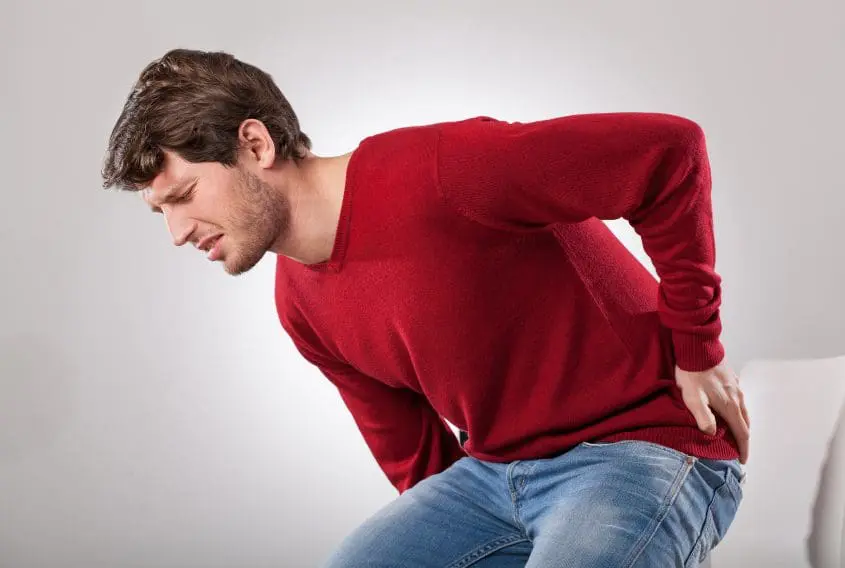
Low back pain is the single most common pain complaint in the world. Hip pain is not far behind. The two often travel together because the same muscles, the same fascial chains, and the same nervous system patterns drive both. The patient who has low back pain often has hip pain, and the patient who has hip pain often has low back pain that started there or will start there soon.
The conventional approach involves anti-inflammatory medications, muscle relaxers, physical therapy, and sometimes injections or surgery. These have their place. They also have their costs, and they do not always address what is actually producing the pain.
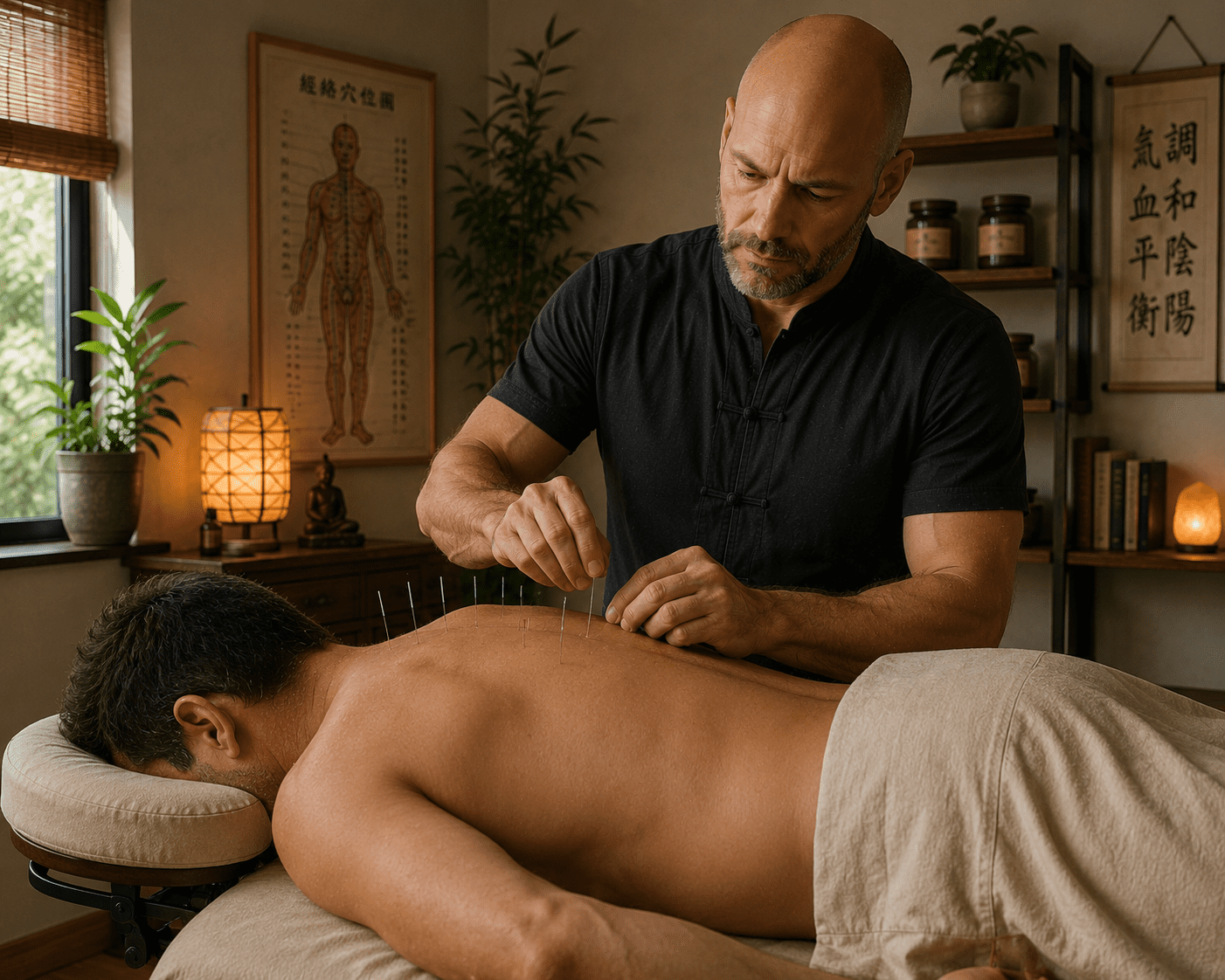
Acupressure is one of the strongest non-medication tools for this kind of pain. The technique has real research behind it. The American College of Physicians recommends acupuncture as a first-line treatment for chronic low back pain before reaching for medication. The acupressure points used in self-application work on the same channels and the same clinical logic as the acupuncture treatment.
Here are five points that work, why they work, and when to get help if they do not.
What to Press and Why
Each point addresses a different aspect of low back and hip pain. You can use them individually when a specific area is bothering you, or you can work through the full protocol once or twice a day for general support during a flare-up.
1. Press on BL40 in the crease behind your knee. BL40 sits directly in the center of the crease behind the knee. Press firmly with your thumb for one to two minutes on each leg. In classical Chinese medicine, the saying goes “for low back and hip seek BL40.” The point sits on the Bladder channel, which runs down the entire back of the body from the head through the low back and into the legs. Stimulating BL40 directly affects the channel that produces most low back pain.
2. Press on GB30 in the buttock for hip pain and sciatica patterns. GB30 sits in the buttock, in the depression about a third of the way between the top of the hip bone and the tailbone. The point is usually tender, especially if you have been carrying tension or dealing with sciatic symptoms. Use your thumb or knuckle to press firmly for one to two minutes on each side. You can also press by lying on your side and using your bodyweight against a tennis ball or a fist. GB30 is the strongest point for deep hip pain, gluteal tension, and sciatica patterns that refer pain down the leg.
3. Press on BL23 on your lower back for chronic back pain. BL23 sits on the lower back, about two finger-widths to the side of the spine at the level of the second lumbar vertebra (roughly at the level of your navel from the front). Press firmly with your thumbs or knuckles on both sides for one to two minutes. BL23 is the Kidney shu point, which addresses the chronic constitutional dimension of low back pain. In Chinese medicine, chronic low back pain is often a Kidney pattern, and BL23 is the most direct point for addressing it.
4. Press on GB34 below your knee for muscular tightness. GB34 sits in the depression below and in front of the head of the fibula on the outside of the lower leg, about one hand’s width below the knee. Press firmly with your thumb for one to two minutes on each leg. GB34 is the influential point for tendons and muscles in Chinese medicine, which means it directly addresses the muscular tightness that produces most low back and hip pain. This is the point to add when the pain feels primarily muscular rather than structural.
5. Press on KI3 on the inside of your ankle for the chronic pattern. KI3 sits in the depression between the inside of the ankle bone and the Achilles tendon. Press firmly with your thumb for one to two minutes on each side. KI3 addresses the underlying Kidney pattern that often presents as chronic low back pain, low back weakness, and the kind of back pain that gets worse with fatigue, cold, or overwork. This is the point to use when the back pain is part of a broader pattern of depletion.
Why This Works
Low back and hip pain comes from a few overlapping sources. The muscles of the lower back, hip, and gluteal region carry chronic tension that produces pain and refers it into surrounding areas. The fascial chains that connect the lower body to the upper body transmit tension across regions, which is why hip pain can produce low back pain and vice versa. The nervous system signal that amplifies pain becomes sensitized over time, which is why chronic pain often persists even after the original injury has resolved. The fuller picture of how the pain signal becomes chronic is in Am I Stuck in a Pain Cycle?.
Acupressure works at the level of all three. The points stimulate the release of endorphins and other natural pain-relieving chemicals. They reduce muscular tension directly through the local effects of pressure. They calm the nervous system signal that has been amplifying the pain.
The Western research base is meaningful. The NCCIH summary on acupuncture for low back pain describes the research showing acupuncture provides real pain relief, often comparable to or better than other treatments. The mechanisms identified include the release of natural pain-relieving chemicals, modulation of the nervous system, and improvements in local blood flow.
In Traditional Chinese Medicine, low back pain is classified by pattern. Acute injuries with sharp pain are usually a stagnation pattern. Chronic dull pain that worsens with fatigue is usually a Kidney deficiency pattern. Pain that worsens with cold or damp weather is usually a cold-damp pattern. Each pattern responds to different points and different treatment approaches, but the five points above cover the most common presentations.
The chronic stress dimension is also real. Stress drives muscular tension, which drives pain, which drives more stress. The cycle becomes self-reinforcing over time. The fuller picture of how chronic stress affects the body is in What Is Cortisol and Why Do I Have So Much of It?.
How to Reduce Flare-ups in the First Place
The acute tools handle individual episodes. The frequency comes down through different changes.
- Address your sitting time. Prolonged sitting is one of the most consistent drivers of low back and hip pain. Standing breaks every hour, ergonomic adjustments, and time on the floor or in a squat all reduce the chronic loading that produces the pattern.
- Strengthen the core and the glutes. Weak gluteal muscles and a weak core transfer the load to the low back. Targeted strengthening reduces the muscular pattern that produces the pain.
- Address the broader stress picture. Chronic stress drives the muscular tension that produces most low back and hip pain. Anxiety, Stress, and Depression covers how acupuncture treats the underlying patterns.
- Move regularly. Daily walking, gentle yoga, swimming, or similar movement keeps the muscles and fascia mobile and reduces the chronic tightness that builds with sedentary patterns.
- Sleep on a supportive surface. A mattress that is too soft or too old contributes to chronic back pain. A medium-firm mattress with proper spinal alignment is the goal.
- Watch your shoes. Worn-out shoes, unsupportive footwear, and high heels all contribute to low back and hip pain through their effects on posture and gait.
When to Get Clinical Help
The tools above work for most everyday low back and hip pain. They are not the answer for pain that comes with numbness or weakness in the legs, loss of bowel or bladder control, fever, pain after significant trauma, or pain that wakes you up at night. These need medical evaluation.
If you are dealing with persistent or recurring low back and hip pain that is not responding to self-care, acupuncture treatment offers a more substantial intervention. The full picture of what the practice offers is in Acupuncture, Cupping & Lifestyle Coaching.
Reach out to Above and Beyond Acupuncture on North Frank Lloyd Wright Boulevard in Scottsdale to schedule a consultation.
Schedule an appointment online or call us today to start your journey to relief.
The points above are only as effective as the technique used to apply them. Where to press, how firmly, and for how long all affect the result. For a full breakdown of how to perform acupressure properly at home, read Performing Acupressure in 3 Easy Steps.