
Key Takeaways
- Inflammation triggers a protective immune response, but chronic inflammation can lead to serious health problems.
- Research indicates that acupuncture can significantly reduce inflammation by modulating the nervous system and releasing anti-inflammatory substances.
- Acupuncture not only alleviates inflammation but also relieves related pain by promoting the body’s natural painkillers, such as endorphins.
- Adopting a healthy diet and managing stress can improve how well acupuncture reduces inflammation.
- Consult a doctor about persistent inflammation and consider acupuncture as a safe, supportive treatment option.

The term ‘inflammation’ is often mentioned in health talk and is linked to conditions like joint pain and heart disease, which is largely justified. While short-term inflammation is useful and protective, ongoing inflammation can cause many health problems over time. People looking to lower inflammation naturally, without relying solely on medication, often ask if acupuncture can help. The good news is that research strongly supports acupuncture’s anti-inflammatory benefits.
This article examines what inflammation is, how acupuncture helps to reduce it, and what the research shows.
What is Inflammation?
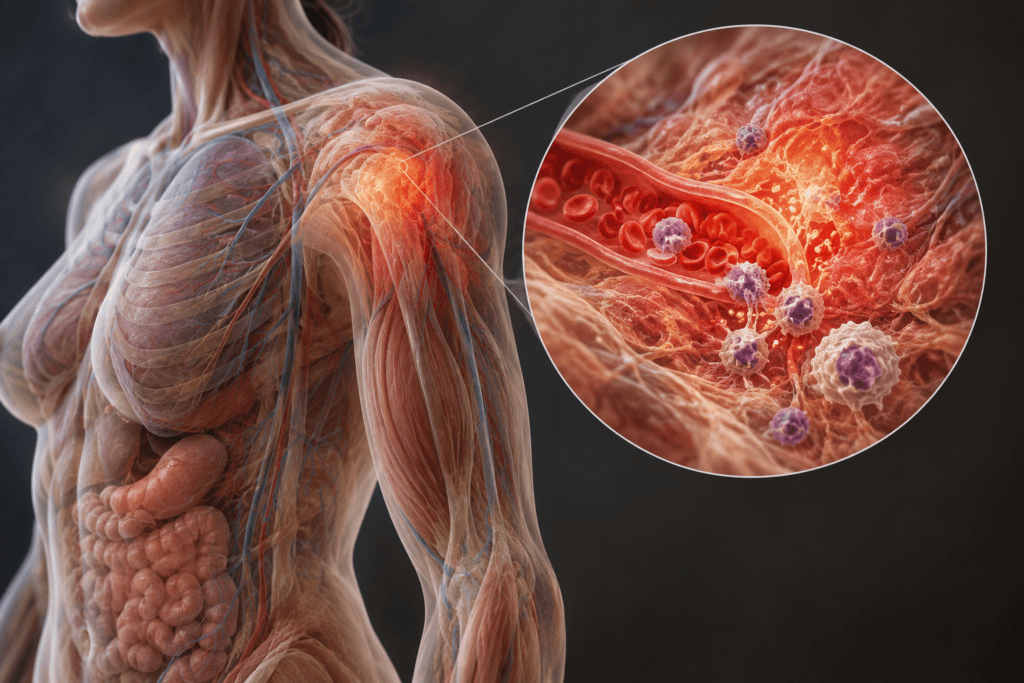
Inflammation is a defense mechanism the immune system uses; when it detects an injury, infection, or foreign invader, the body responds by releasing white blood cells and other inflammatory mediators. These cause blood vessels to widen and stimulate nerves, increasing blood flow to the area to promote healing, which is why an acute injury usually causes heat, swelling, redness, and pain. This short-term inflammation is beneficial because the body is doing exactly what it should.
The problem arises when inflammation becomes chronic, continuing at a low level throughout the body long after the immediate threat has disappeared. It has been associated with a wide variety of conditions such as heart disease, diabetes, arthritis, and autoimmune disorders, and is caused by factors including continuous stress, a poor diet, smoking, and a sedentary way of life. Acute inflammation is usually managed with anti-inflammatory medications like ibuprofen, while corticosteroids are often used for chronic inflammation. Long-term use of these drugs can lead to side effects, prompting many to explore alternative, holistic methods to decrease inflammation.
How Does Acupuncture Calm Inflammation?

Acupuncture works on inflammation through the nervous system and the body’s own regulatory chemistry, and research in this area has become genuinely interesting. Fine needles placed at specific points stimulate nerves that influence the body’s inflammatory response, and studies show that acupuncture can prompt the release of the body’s own anti-inflammatory substances while helping dampen pro-inflammatory signaling molecules called cytokines. Research has traced some of this to how acupuncture activates nervous system pathways that regulate inflammation throughout the body, and electroacupuncture in particular has been studied for its effects on these pathways.
Acupuncture also calms the stress response, which matters more for inflammation than people often realize. Chronic stress keeps cortisol and the nervous system dysregulated in ways that fuel inflammation, and by settling that response, acupuncture helps address one of the drivers of chronic inflammation rather than only its symptoms. Because so much low-grade inflammation is tied to a body that never fully switches off, calming the cortisol-driven stress response is part of how acupuncture helps.
Inflammation and Pain
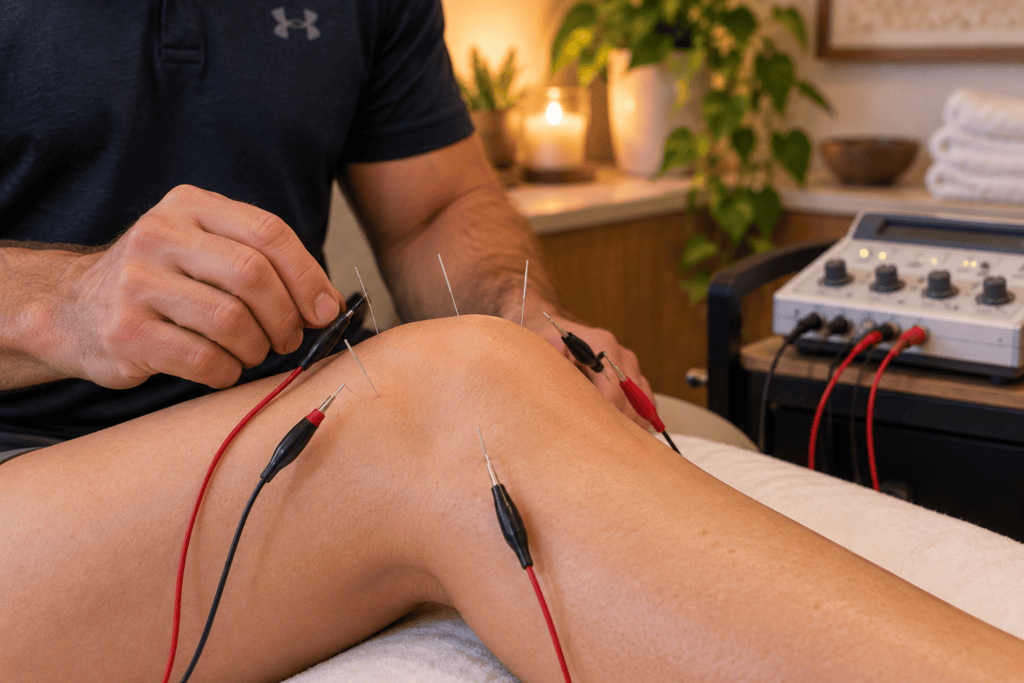
Because so much pain is driven by inflammation, acupuncture’s anti-inflammatory effect is closely tied to its well-known role in pain relief. It promotes the release of the body’s natural painkillers, endorphins, and its effect on the inflammatory response helps ease the pain and stiffness of inflammatory conditions like arthritis and fibromyalgia. Research has found meaningful reductions in joint pain and stiffness with acupuncture, and electroacupuncture has been studied for inflammatory conditions where calming the inflammatory response is central. This overlap between easing inflammation and easing pain is a major reason acupuncture is so widely used for chronic pain.
What Does the Research Show?

Currently, acupuncture’s anti-inflammatory effect is one of its best-supported benefits, backed by a growing body of research from labs, animal studies, and human trials. These studies show genuine effects on the body’s inflammatory signals, helping to relieve inflammation-related pain. Keep in mind that most detailed mechanism research comes from laboratory and animal studies. While the evidence from human studies on acupuncture for inflammatory and pain conditions is promising, it does vary depending on the specific condition.
Acupuncture is an effective, low-risk option for calming inflammation and the pain that comes with it. It’s best understood as a supportive part of managing inflammation rather than a standalone cure, and it should be used alongside medical care and lifestyle changes that address it.
Lifestyle Changes That Help Reduce Inflammation

Because chronic inflammation is closely linked to daily habits, healthy choices can significantly reduce it and complement treatment. An anti-inflammatory diet that emphasizes omega-3-rich foods, fiber, vegetables, and spices like turmeric, while cutting back on processed foods, refined sugar, and sugary drinks, is particularly beneficial. Regular moderate exercise and not smoking also help reduce inflammation over time. Stress management through practices such as acupuncture, adequate sleep, and rest is one of the most effective strategies, as stress significantly influences inflammation. Although no single approach is sufficient on its own, combining these strategies gradually shifts the body toward a less inflamed state.
What to Expect and When to See a Doctor

Inflammation responds best to a series of acupuncture sessions rather than a single visit, with treatment customized to your specific needs and its calming effects developing gradually over time. It complements medical treatment and the lifestyle changes mentioned earlier. Because chronic inflammation is often linked to an underlying condition, it’s best to work with a doctor to identify and address the root cause rather than only managing inflammation.
Seek medical advice for persistent, unexplained, or worsening inflammation; noticeable swelling, pain, or stiffness; or symptoms indicating an autoimmune or other underlying issue, as proper diagnosis is essential. Acupuncture provides a safe, effective complement to conventional care, not a substitute.
Above and Beyond Acupuncture offers acupuncture, cupping, and lifestyle coaching at the North Frank Lloyd Wright Boulevard location in Scottsdale.
Schedule an appointment online or call us today to start your healing journey.

About the Publisher
Paul Kerzner, L.Ac., is a licensed acupuncturist and board-certified herbalist, as well as the founder of Above and Beyond Acupuncture in Scottsdale. His own journey from chronic patient to practicing acupuncturist shapes his commitment to providing honest, clinically grounded information about acupuncture and Traditional Chinese Medicine. Learn more about Paul and his clinical approach on the About Us page.