Key Takeaways
- Menopause can cause various symptoms like hot flashes, mood changes, and fatigue, affecting daily life for many women.
- Natural remedies for menopause, like black cohosh and flaxseed, may provide relief, but evidence of their effectiveness varies.
- Soy, vitamin E, and vitamin D are also considered, yet their benefits should not be overestimated as they don’t cure menopause symptoms.
- Certain herbs, such as St. John’s Wort and ginseng, can interact with medications and should be approached with caution.
- An integrated approach combining nutrition, exercise, and medical guidance often offers the best support for managing menopause.
Menopause is a normal part of aging, but that does not mean the transition is always easy. Hot flashes, night sweats, disrupted sleep, vaginal dryness, changes in mood, fatigue, and other symptoms can affect everything from how well you sleep to how you feel during the day.
For some women, the symptoms are relatively mild. For others, they can interfere significantly with daily life.
There are effective medical treatments for menopause symptoms, including hormone therapy for appropriate candidates. But many women are also interested in natural approaches, either on their own or alongside conventional care.
The challenge is figuring out which options are actually worth considering.
Herbs, foods, supplements, exercise, sleep, stress management, acupuncture, and other approaches are frequently promoted for menopause, but the evidence behind them varies considerably. Natural also does not automatically mean safe, particularly when herbs or supplements are combined with prescription medications.
Here are seven commonly discussed natural approaches to menopause and what you should know about each one.
1. Black Cohosh
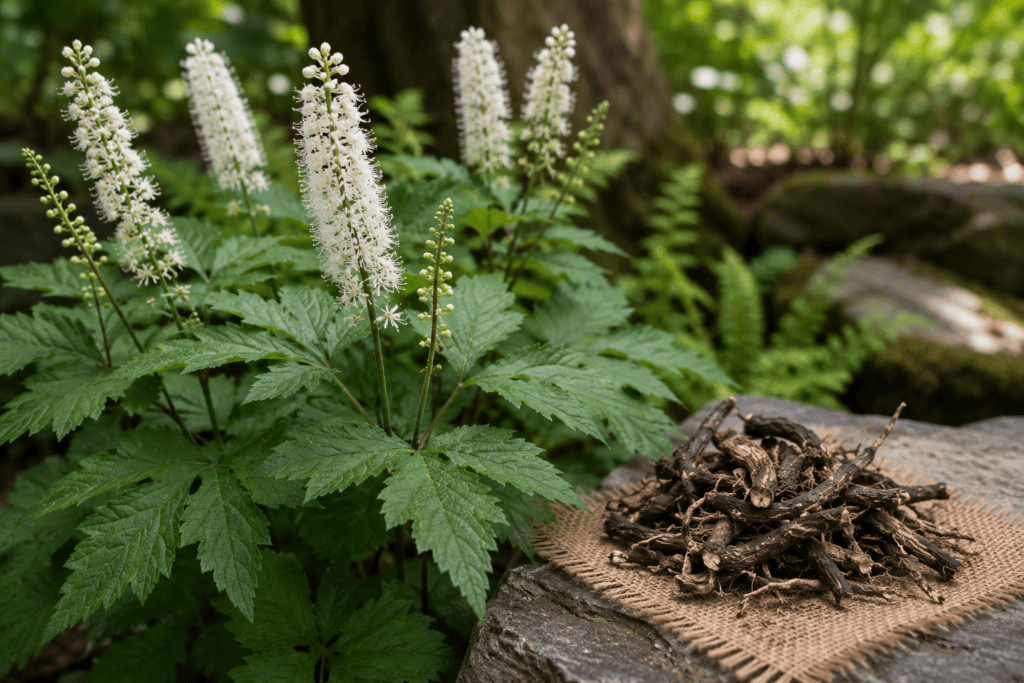
Black cohosh is probably one of the best-known herbs for menopause.
The root of the black cohosh plant has historically been used to address women’s health issues and is now frequently included in supplements for hot flashes, night sweats, and other menopausal symptoms.
Research on black cohosh has yielded mixed results. Some studies suggest it may offer modest relief from certain menopause symptoms, while others have not found a meaningful benefit. The National Center for Complementary and Integrative Health notes that research has focused particularly on hot flashes and other vasomotor symptoms, but questions remain about its effectiveness.
That does not necessarily mean black cohosh has no role in menopause care. It simply means it should not be presented as a guaranteed treatment for hot flashes or night sweats.
Black cohosh may interact with medications and isn’t suitable for everyone. Consult your healthcare provider before incorporating it into your routine.
2. Flaxseed
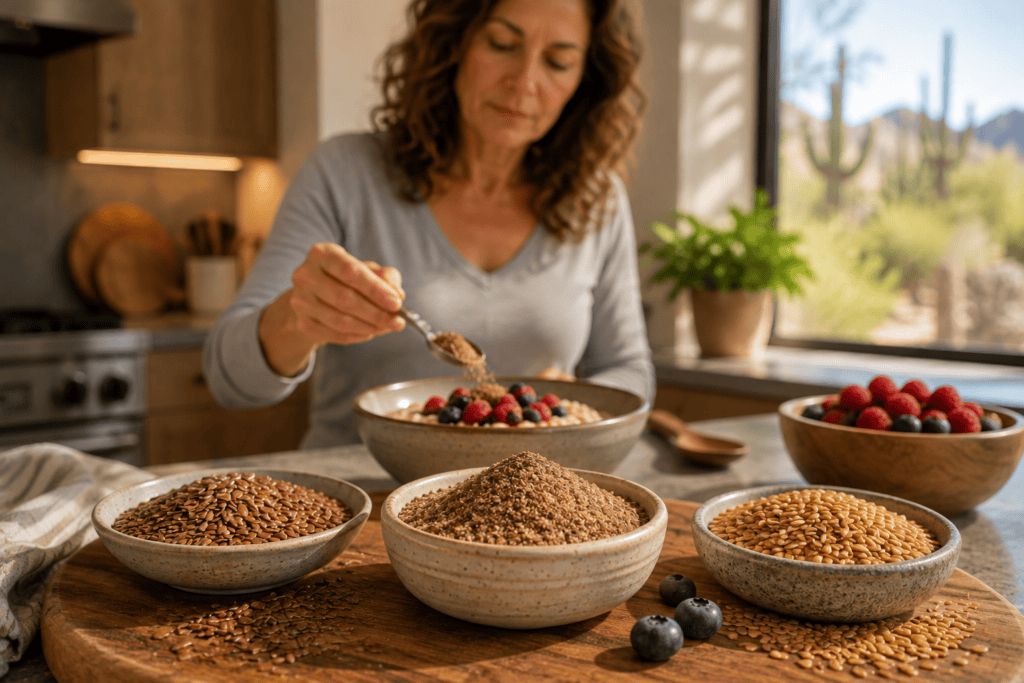
Flaxseed is an easy addition to your diet and provides fiber, omega-3 fatty acids in the form of alpha-linolenic acid, and plant compounds called lignans.
Lignans are a type of phytoestrogen, plant compounds that can influence estrogen-related pathways in the body. Since estrogen levels vary considerably during menopause, researchers have explored whether flaxseed could alleviate symptoms like hot flashes.
The evidence supporting flaxseed as a treatment for hot flashes remains inconsistent, so it should not be regarded as a definitive cure.
Adding flaxseed to a healthy diet offers many benefits. Its high fiber content supports digestion, and swapping less nutritious snacks for seeds, nuts, vegetables, fruits, and whole grains can improve overall nutrition during and after menopause.
Ground flaxseed is typically easier to add to meals than whole seeds, since it can be mixed into oatmeal, yogurt, smoothies, salads, and other foods.
3. Soy
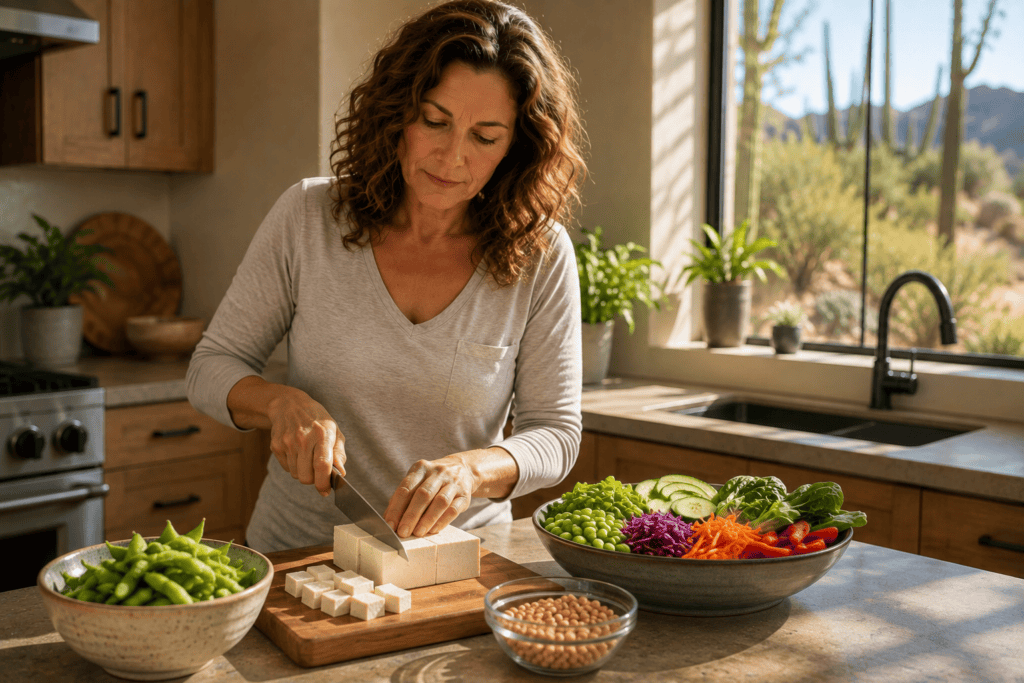
Soy attracts much attention during menopause because of its isoflavone content.
Isoflavones are phytoestrogens whose chemical structure allows them to interact with estrogen receptors. However, their effects are weaker and more intricate than merely substituting for estrogen.
Research on soy and menopause is extensive. Some studies suggest that soy isoflavones may slightly reduce the frequency or severity of hot flashes for some women, but findings vary, and the overall effect is usually mild.
Whole soy foods can still be a nutritious part of the diet.
Examples include:
- Tofu
- Tempeh
- Edamame
- Soybeans
- Unsweetened soy milk
These foods offer protein, other nutrients, and isoflavones.
Eating whole soy foods differs significantly from taking concentrated isoflavone supplements. If you are thinking about using concentrated supplements, especially if you have a history of estrogen-sensitive conditions, consult your healthcare provider beforehand.
4. Vitamin E
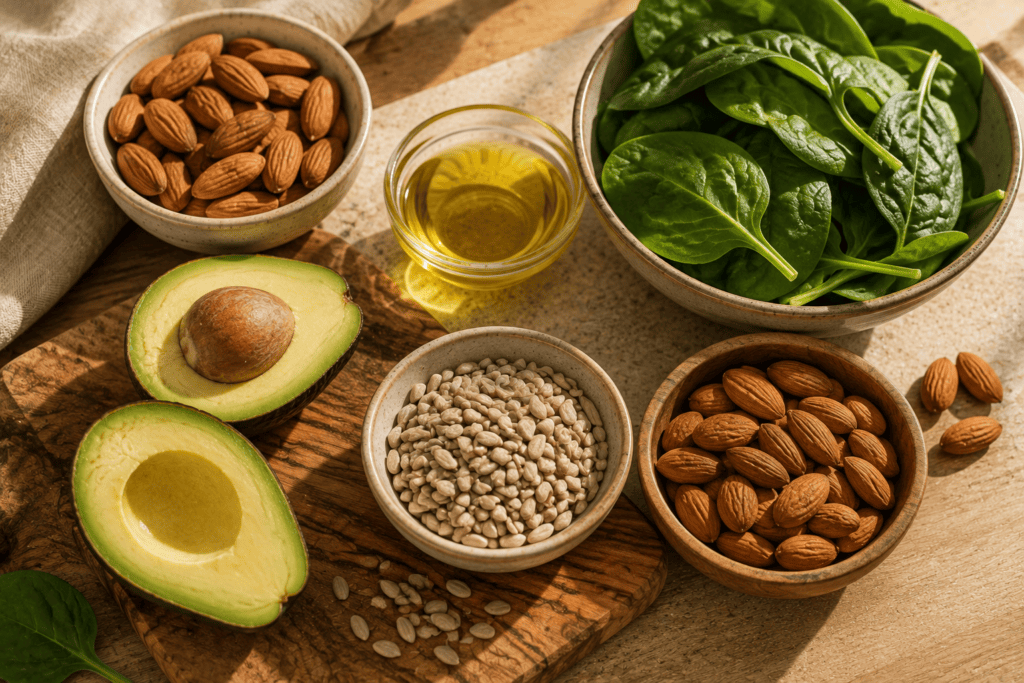
Vitamin E is an antioxidant and essential nutrient found in foods such as nuts, seeds, vegetable oils, spinach, and avocado.
Vitamin E has been studied as a potential treatment for menopausal hot flashes, but the supporting evidence is limited. It is not expected to eliminate hot flashes completely.
Vaginal dryness is very common during and after menopause due to decreasing estrogen levels, which can alter vaginal tissue. Using vaginal moisturizers and lubricants can provide relief for many women, but if symptoms persist or become painful, consulting a gynecologist or healthcare provider is advisable. Several effective treatments exist, including prescription options when suitable.
Consuming vitamin E via a balanced diet is a simple way to fulfill your body’s nutritional requirements, but it shouldn’t be seen as a remedy for menopause.
5. Vitamin D

Vitamin D becomes especially important as women move through menopause, but not because it “balances hormones.”
One of the major health concerns during and after menopause is bone health. Declining estrogen levels accelerate bone loss, increasing the risk of osteoporosis as women age.
Vitamin D helps the body absorb calcium and is important for maintaining healthy bones and muscles.
Sources of vitamin D include certain foods, fortified foods, supplements, and exposure to sunlight. Fatty fish such as salmon and trout are among the best natural dietary sources.
Walking outdoors offers something a vitamin bottle cannot: consistent weight-bearing exercise. Activities like walking, resistance training, and other suitable workouts become more vital for preserving bone strength, muscle mass, balance, and overall health as we get older.
If you’re worried about your vitamin D level, consult your healthcare provider to see if testing or supplementation is needed, instead of automatically assuming a high-dose supplement is necessary.
6. St. John’s Wort
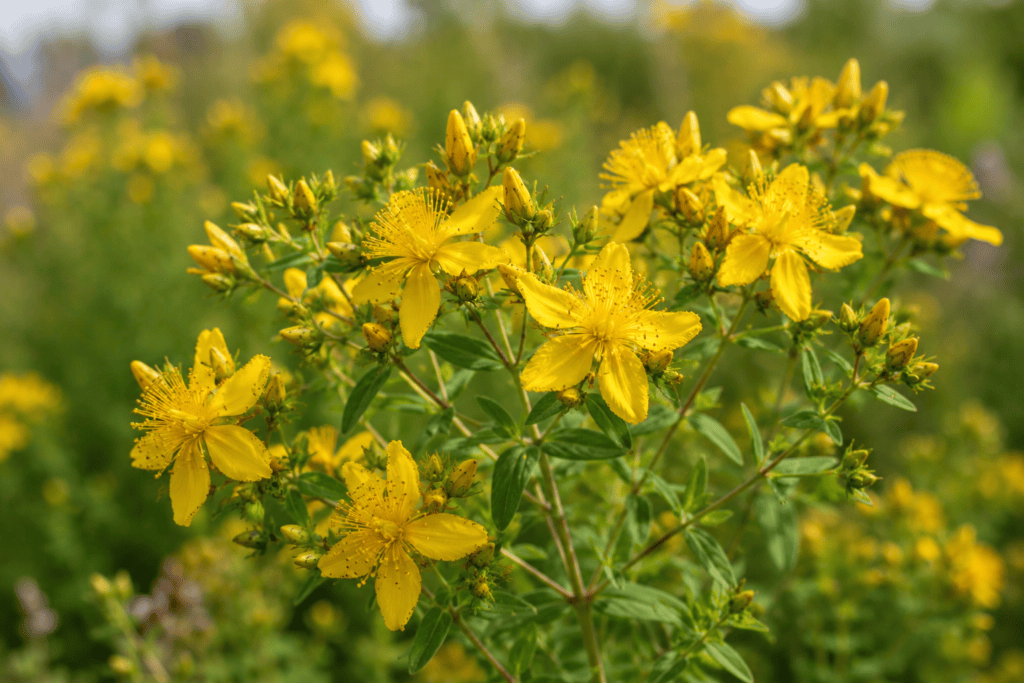
St. John’s wort is an herb primarily recognized for treating mild to moderate depression rather than directly affecting menopause.
Since mood fluctuations can happen during menopause, researchers have examined whether St. John’s wort might help manage specific symptoms.
This herb is one where the term ‘natural’ can be especially misleading.
St. John’s wort may interact with numerous medications. It can alter how the body processes antidepressants, birth control pills, anticoagulants, transplant drugs, seizure medications, some heart medicines, and more. Using it with specific antidepressants might also lead to serious side effects.
The Mayo Clinic specifically warns about its numerous drug interactions.
Therefore, it should not be regarded as a casual remedy for mood swings, anxiety, or sleep issues.
If emotional changes during menopause are severe or long-lasting, consult your healthcare provider instead of trying to handle them only with an herbal supplement.
7. Ginseng
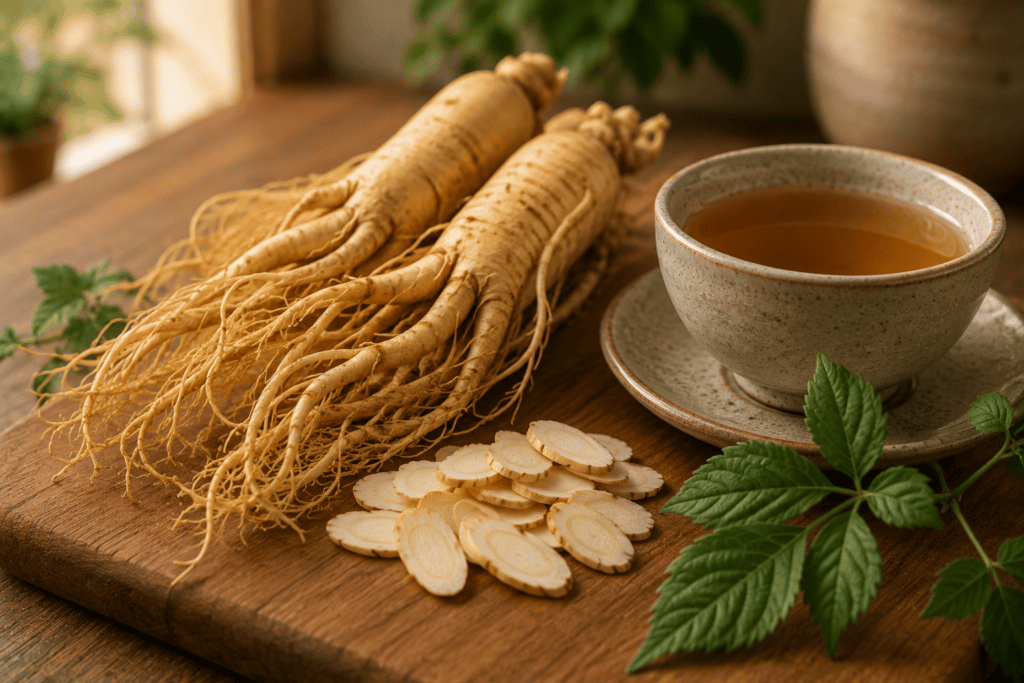
Ginseng has a long history in traditional herbal medicine and is now widely promoted for boosting energy, reducing fatigue, alleviating stress, and enhancing overall well-being.
Researchers have also investigated various forms of ginseng among women experiencing menopause.
Some evidence suggests potential benefits of ginseng for quality of life, sexual function, and well-being. However, the research does not support classifying ginseng as a treatment for alleviating menopausal anxiety or fatigue.
It is also crucial to understand what you are taking. “Ginseng” can refer to various plants and preparations, such as Asian ginseng and American ginseng, which are not always interchangeable.
As with other herbal supplements, ginseng may lead to side effects and interact with medications.
If fatigue is a major concern during menopause, it’s important to consult your healthcare provider. While poor sleep and night sweats can cause exhaustion, fatigue may also result from various other factors that shouldn’t be solely linked to menopause.
Natural Doesn’t Have to Mean Either/or
You don’t need to select solely between traditional medicine and natural methods to manage menopause.
For many women, the best strategy is an integrated one.
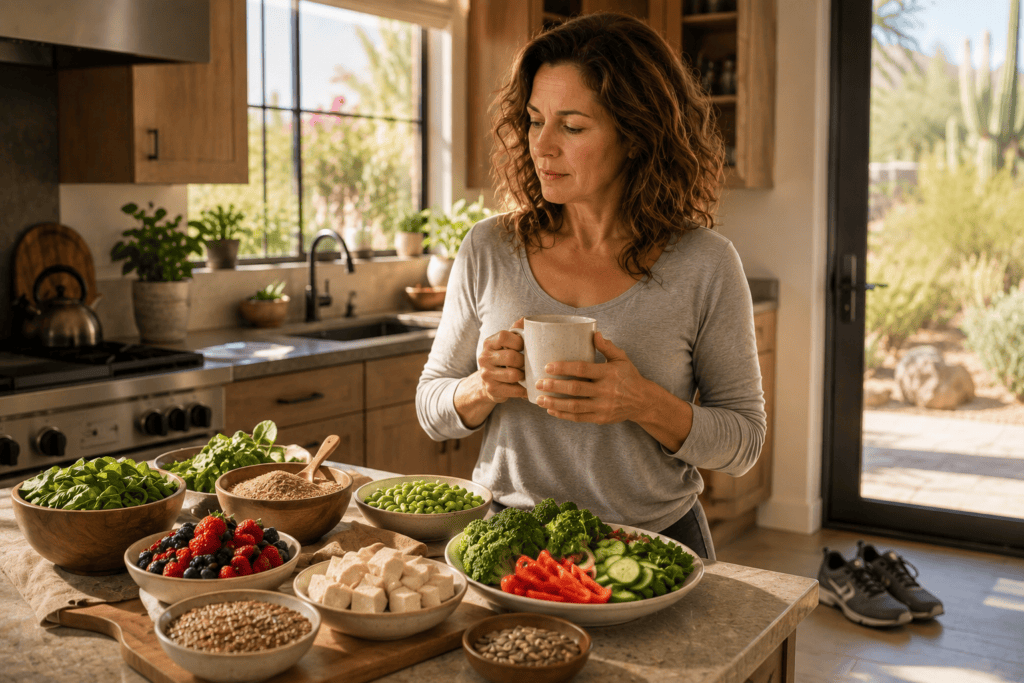
That might include improving nutrition, exercising regularly, prioritizing sleep, reducing alcohol use, managing stress, maintaining a healthy weight, using acupuncture or other complementary therapies, and discussing appropriate medical treatment with a healthcare provider when symptoms interfere with daily life.
The National Institute on Aging provides a useful overview of menopause, its symptoms, and treatment options.
Most importantly, don’t assume that every physical or emotional change after age 40 is necessarily menopause. Perimenopause can start years before the final period, and various medical conditions can cause symptoms that resemble it.
If you experience new, severe, unusual, or significantly impactful symptoms, consult your doctor or healthcare provider.
Menopause is a natural stage that every woman will face if she lives long enough. The aim isn’t to prevent menopause but to discover the right support system that allows you to navigate this transition as smoothly and healthily as possible.
Above and Beyond Acupuncture offers acupuncture, cupping, and lifestyle coaching at the North Frank Lloyd Wright Boulevard location in Scottsdale.
Schedule an appointment online or call us today to start your healing journey.
About the Publisher
Paul Kerzner, L.Ac., is a licensed acupuncturist and board-certified herbalist, as well as the founder of Above and Beyond Acupuncture in Scottsdale. His own journey from chronic patient to practicing acupuncturist shapes his commitment to providing honest, clinically grounded information about acupuncture and Traditional Chinese Medicine. Learn more about Paul and his clinical approach on the About Us page.