
Key Takeaways
- Western medicine excels in trauma care and diagnosis but has significant limitations, particularly for chronic conditions.
- Medications often come with serious side effects and might not address root causes of health issues.
- Specialist-driven care can overlook the interconnectedness of multiple health systems, leading to fragmented treatment.
- Patients often face rushed appointments, limiting thorough discussions and comprehensive care.
- Complementary approaches, like Traditional Chinese Medicine, can fill gaps where Western medicine falls short.
Western medicine is one of the great achievements of modern civilization. Trauma care, emergency surgery, antibiotics for bacterial infection, insulin for diabetes, and the diagnostic technologies that identify specific conditions with precision have saved and extended countless lives. Anyone dismissing Western medicine wholesale is ignoring the substantial capabilities it represents.
That said, Western medicine has real limitations. The patients who arrive at acupuncture treatment after years of cycling through specialists know those limitations intimately. They have been through the workups. They have tried the medications. They have followed the referrals. Many of them are still dealing with the conditions that brought them into the medical system in the first place.
Much of the online conversation about the limits of Western medicine falls into two extremes. Dismissive alternative-medicine takedowns that reject the entire tradition. Defensive medical-establishment responses that treat any question as an attack. Neither serves the patient trying to make informed decisions about their care.
This piece takes the middle path. Every established medical tradition has limitations alongside its strengths, and Western medicine is no exception. Understanding those limitations helps patients use the system appropriately, know when to seek complementary approaches, and get the best possible outcomes from their overall healthcare. Here are eight honest considerations, why each matters, and how patients can navigate them effectively.
1. Medication Side Effects Are Common

Most pharmaceuticals produce side effects. Some are mild and tolerable. Others produce chronic conditions of their own that were not present before the medication was started. Medication-induced weight gain. Digestive dysfunction from long-term acid blocker use. Sexual dysfunction from SSRIs. Cognitive changes from benzodiazepines. Dependency from opioids. Bone density loss from proton pump inhibitors used long-term.
The risk-benefit calculation is not always favorable. Patients are sometimes prescribed medications for conditions where the medication provides marginal benefit while producing substantial side effects. Patients on multiple medications experience compounding side effects and drug-drug interactions that can be difficult to trace back to any specific medication.
The honest response is that medications should be used when the benefit clearly outweighs the risk and reconsidered when the balance shifts. Patients should ask their providers about the specific side effect profile of each medication they are prescribed and whether alternative approaches might address the same condition. The full picture of the integration between medications and complementary approaches is in The Many Benefits of Combining Eastern and Western Medicine.
2. Specialist-Driven Care Produces a Myopic View

Western medicine trains specialists to see deeply within their specific system. This deep specialization is one of the tradition’s greatest strengths for acute conditions and specific pathologies. It becomes a substantial disadvantage for patients whose conditions cross multiple systems.
The cardiologist sees the heart. The gastroenterologist sees the gut. The neurologist sees the brain. The rheumatologist sees the joints and connective tissue. The endocrinologist sees the hormones. Each specialist is highly trained within their specific system. None of them are trained to see how the heart, gut, brain, joints, and hormones interact in the specific patient in front of them.
Patients with complex chronic conditions know this experience intimately. They bounce from specialist to specialist. Each specialist runs their own workup within their specific system. Each specialist prescribes their own treatment within their specific framework. The patient ends up being their own care coordinator because no one else is doing it. The connections between systems that a whole-person framework would recognize get missed.
The honest response is that specialist care serves patients well when the condition sits clearly within one specialty. It fails patients when the condition crosses systems. For these patients, working with providers who take a whole-person view (integrative medicine physicians, functional medicine practitioners, licensed acupuncturists) alongside the specialists produces better outcomes than relying on the specialist framework alone.
3. Effectiveness for Chronic Conditions is Limited

Western medicine excels at treating specific pathologies once they develop. It reaches its limits with chronic conditions that do not fit the disease-specific framework.
Fibromyalgia. Chronic fatigue. Dysautonomia. Functional digestive disorders including IBS. Chronic pain conditions without clear structural pathology. Chronic headaches. Autonomic dysregulation. Chronic stress-driven patterns. These are among the most common conditions in modern medical practice, and Western medicine often has limited effective treatment for them.
The workups come back normal or nearly normal. The specialists cannot identify a specific pathology to target. Patients are often told that their conditions are stress-related, functional, or idiopathic (medical terminology for “we do not know what is causing this”). Many patients are given antidepressants or anti-anxiety medications as a default when no specific treatment fits the presentation.
The honest response is that these conditions often respond meaningfully to approaches that address the underlying dysregulation rather than trying to target a specific pathology. Traditional Chinese Medicine, functional medicine, and other frameworks that treat the whole person rather than specific organs offer substantial help for these presentations where Western medicine reaches its limits.
4. Symptom Management is Substituted for Root-Cause

Western medicine often treats presenting symptoms without investigating why the symptoms are appearing. Reflux gets acid blockers. Headaches get pain medication. Anxiety gets SSRIs. Sleep issues get sleep aids. High blood pressure gets antihypertensives. Each medication addresses the presenting symptom without necessarily investigating what is driving it.
For some patients, this symptom-focused approach works. The symptom resolves and the underlying condition either was self-limiting or does not require further attention. For other patients, symptom management masks a progressing underlying condition that continues to develop while the symptoms are being suppressed.
The honest response is that patients should ask their providers about what is driving their symptoms rather than only how to manage the symptoms. Sometimes the answer is that a specific pathology has been identified and the medication is treating it. Other times the answer reveals that no one has really investigated the root cause. That second scenario is where complementary approaches often add meaningful value.
5. Cost and Financial Burden Are Significant

Healthcare costs in the United States are among the highest in the world. Even patients with insurance face significant out-of-pocket costs including copays, deductibles, coinsurance, and uncovered services. Medical debt is a leading cause of bankruptcy in the United States. Patients avoid necessary care because they cannot afford it. Patients ration medications because they cannot afford the full dose.
The complexity of the billing system compounds the financial burden. Patients often receive multiple bills from multiple providers for a single episode of care. Surprise medical bills for out-of-network providers who happened to be involved without the patient’s knowledge remain a documented problem despite recent legislation. Predicting the cost of a specific treatment in advance is often impossible.
The honest response is that the financial dimension of Western medicine is a real and legitimate concern for patients. Complementary approaches sometimes offer more predictable costs and better value for specific conditions. Working with providers who are transparent about pricing and open about the cost-benefit calculation supports better decision-making.
6. Appointment Times Are Rushed

The economics of modern healthcare produce short appointments that limit the depth of the conversation between provider and patient. Primary care visits often run fifteen minutes or less. Specialists often see patients for even shorter windows after the initial consultation. Providers are burdened with electronic health record documentation that takes attention away from the patient in front of them.
Patients often leave appointments without feeling heard. Complex conditions that would benefit from a longer conversation get compressed into brief encounters that cannot capture the full picture. Providers who would prefer to spend more time with each patient are constrained by the productivity requirements of the systems they work within.
The honest response is that the rushed appointment structure is a systemic constraint rather than a failure of individual providers. Most physicians are working within a system that limits how much time they can spend with each patient. Complementary approaches often provide longer initial consultations (an hour or more is standard for licensed acupuncturists) and the extra time can identify patterns that the brief medical appointment could not.
7. The Reactive Nature Misses Opportunities for Prevention
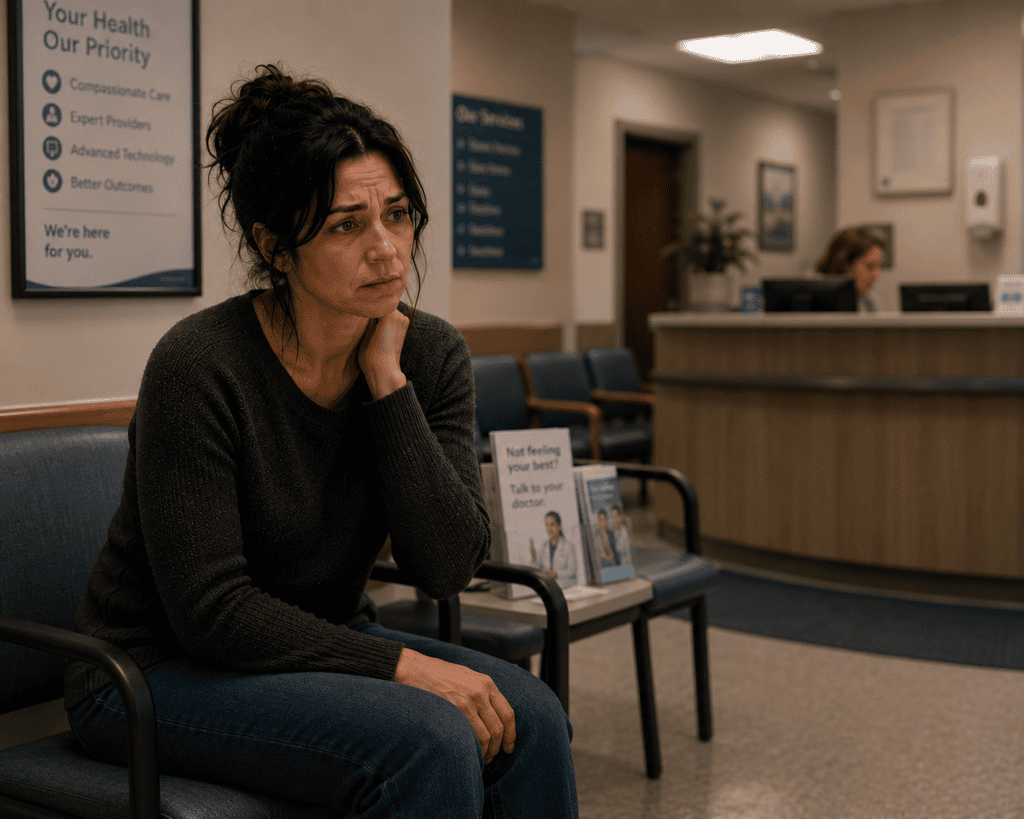
Western medicine is highly effective at treating disease once it develops. It is less effective at preventing disease from developing in the first place through addressing the underlying patterns of imbalance.
The reactive orientation means that patients often do not enter the medical system until a specific condition has developed. The subclinical patterns that preceded the condition, sometimes for years, went unaddressed because Western medicine had limited tools for identifying and treating them. By the time the condition appears, the patient needs treatment rather than prevention.
This is one of the most substantial contrasts between Eastern and Western medicine. Chinese medicine identifies patterns of imbalance long before they progress to clinical disease. The pulse and tongue diagnosis reveals patterns of Qi deficiency, Blood stagnation, and other imbalances that Western diagnostic tools do not detect. Addressing these patterns supports the body’s ongoing capacity to maintain health.
The honest response is that patients interested in preventive care should look outside the strictly Western medical framework for tools that address prevention. Traditional Chinese Medicine, integrative medicine, functional medicine, and lifestyle-based approaches all offer tools that Western medicine’s reactive framework does not include.
8. Medically Induced Harm and Medical Error Are Concerns
Medical error is a documented cause of substantial harm. Some analyses have estimated medical error to be the third leading cause of death in the United States, though the specific number is debated among researchers. Surgical complications, adverse drug reactions, hospital-acquired infections, and diagnostic errors all contribute to iatrogenic harm.
Overtreatment adds another dimension. Unnecessary diagnostic tests can lead to unnecessary follow-up procedures that carry their own risks. Overuse of antibiotics has produced antibiotic-resistant bacteria that threaten public health. Overprescription of opioids contributed to a substantial public health crisis. Even well-intentioned interventions can produce harm when applied without adequate individualization.
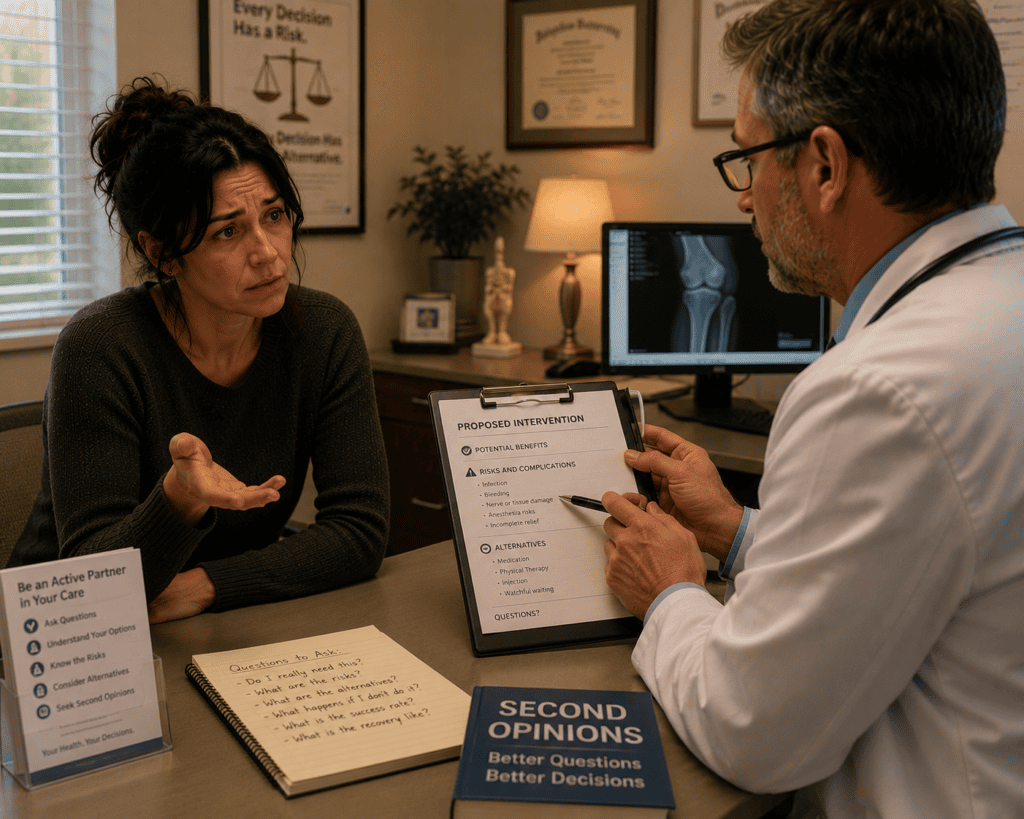
The honest response is that Western medicine is powerful, and powerful interventions carry real risks. Patients should be active participants in decisions about diagnostic testing, medications, and procedures. Asking about the necessity of each intervention, the specific risks, and the alternatives supports better decision-making. Getting second opinions for significant interventions is often worth the effort.
The Mayo Clinic overview of integrative medicine describes how mainstream medical institutions have increasingly recognized the value of integrating complementary approaches for conditions where standard care alone reaches its limits.
Providing a More Balanced Picture
Every established medical tradition has limitations alongside its strengths. Traditional Chinese Medicine has its own list of considerations that patients navigate. Recognizing the limitations of Western medicine does not diminish what the tradition does well.
For acute emergencies, structural damage requiring surgery, specific pharmaceutical requirements, and the many other categories where Western medicine excels, no traditional medicine can replicate its capabilities. The eight considerations above are not reasons to reject Western medicine. They are reasons to engage with it thoughtfully.
Patients who work with qualified providers, ask honest questions about the necessity and risks of specific interventions, seek complementary approaches for conditions where standard care reaches its limits, and take an active role in coordinating care across their healthcare team get the best outcomes from the overall system.
The parallel exploration of the limitations of Traditional Chinese Medicine is in What Are the Disadvantages of Traditional Chinese Medicine?.
The nervous system and stress framework that shows up across many chronic conditions is covered in Anxiety, Stress, and Depression.
The scope of what the practice offers is in Acupuncture, Cupping & Lifestyle Coaching.
Reach out to Above and Beyond Acupuncture on North Frank Lloyd Wright Boulevard in Scottsdale to schedule a consultation. Understanding both the strengths and the limitations of Western medicine is part of engaging with your healthcare thoughtfully, and complementary approaches can address exactly the areas where standard care reaches its limits.
Schedule an appointment online or call us today to start your healing journey.