
Key Takeaways
- Traditional Chinese Medicine has strengths and limitations that patients should understand for informed decision-making.
- The evidence base for TCM varies, so patients must inquire about research supporting their specific conditions before treatment.
- Herbal formulas can interact with medications and require careful consideration; sourcing quality products is essential.
- TCM cannot replace Western medicine in acute emergencies; it works best as a complementary approach.
- Practitioner quality and regulatory standards vary significantly; patients should verify credentials and assess fit with practitioners.
Traditional Chinese Medicine has been practiced for thousands of years and now supports millions of patients worldwide alongside modern medical care. The research base grows every year, and integration into mainstream medicine continues to expand. Anyone considering the medicine should understand what it does well and where it reaches its limits.
Much of the online conversation about Traditional Chinese Medicine falls into two extremes. Dismissive Western-medicine takedowns that reject the entire tradition. Defensive TCM marketing that treats any question as an attack. Neither serves the patient trying to make an informed decision about their own care.
This piece takes the honest middle path. Every established medical tradition has limitations alongside its strengths, and Traditional Chinese Medicine is no exception. Understanding those limitations helps patients use the medicine appropriately and get the best possible outcomes from it. Here are eight honest considerations, why each matters, and how patients can navigate them effectively.
1. The Evidence Base Is Uneven

Traditional Chinese Medicine covers a vast range of applications, and the research support varies substantially across them. Some applications have strong research support that would satisfy any evidence-based standard. Chronic pain, chemotherapy-induced nausea, headaches, some fertility applications, and postoperative recovery all have substantial research support. Others have limited research or research of variable methodological quality.
The honest response is that patients should ask about the evidence base for their specific condition before committing to treatment. A qualified practitioner will be direct about what the research shows and what remains uncertain. The research base grows every year as institutions like the National Institutes of Health fund acupuncture and TCM studies, but the picture is not uniformly strong across all applications.
The NCCIH summary on acupuncture covers the current research consensus for a range of applications and gives patients a reasonable starting point for evaluating whether their specific condition has evidence support.
2. Herbal Formulas Carry Real Risks
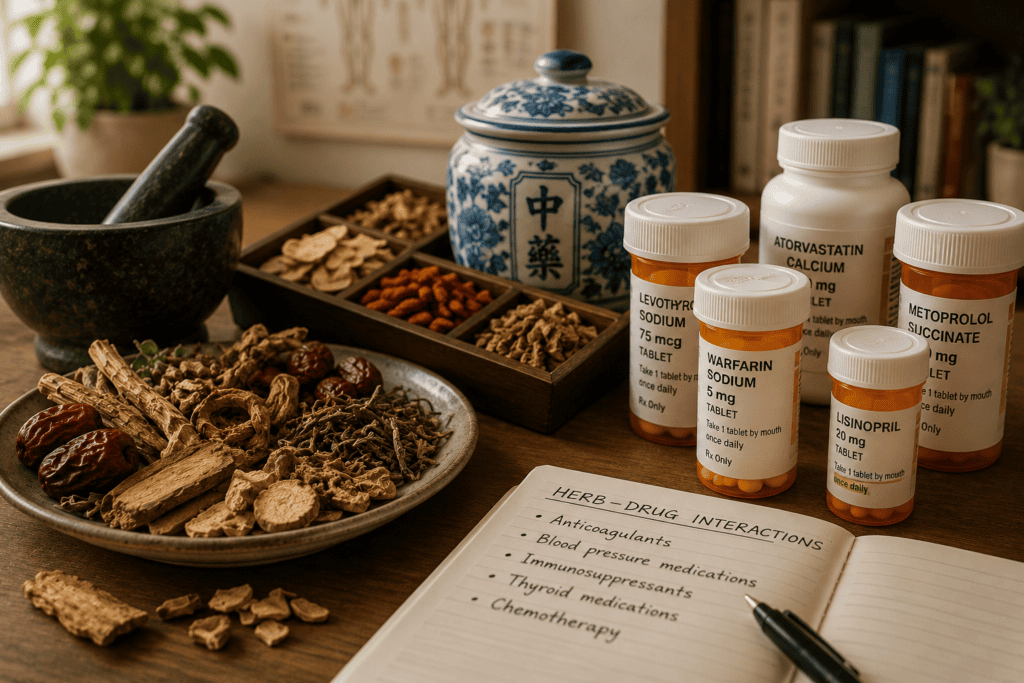
Chinese herbal medicine is a powerful tool with real therapeutic effects. Real therapeutic effects come with real potential for harm.
Herb-drug interactions are common and clinically significant. Patients taking blood thinners, blood pressure medications, immunosuppressants, and many other pharmaceuticals need careful evaluation before starting herbal formulas. Some herbs can enhance the effects of medications to dangerous levels. Others can reduce medication effectiveness.
Some herbs are hepatotoxic or nephrotoxic at certain doses or in combination with other substances. Patients with liver or kidney disease need particularly careful evaluation before starting herbal treatment.
Contaminated or adulterated herbal products from unregulated sources have caused serious harm including kidney damage, heavy metal poisoning, and drug reactions from undisclosed pharmaceutical additives. Sourcing matters substantially.
The honest response is that herbal treatment requires working with a practitioner who has proper training in Chinese herbal medicine, including drug-herb interactions and safety considerations. Herbs should come from reputable suppliers who test for contaminants. Patients should always inform their medical providers about herbal supplements they are taking.
3. TCM Cannot Replace Western Medicine for Acute Emergencies

Traditional Chinese Medicine has limitations that Western medicine does not share. Acute emergencies (heart attack, stroke, severe trauma, active bacterial infection, appendicitis) require the interventions that modern Western medicine provides. Acupuncture cannot stop a bleeding artery, clear a blocked coronary vessel, or treat sepsis.
Structural damage requiring surgery is beyond what TCM can address. Torn ligaments, herniated discs requiring surgical intervention, joint destruction from severe arthritis, and other structural problems often need surgical correction that no traditional medicine can replicate.
Insulin-dependent diabetes, hypothyroidism requiring hormone replacement, specific pharmaceutical interventions for particular conditions all sit within Western medicine’s essential capabilities.
The honest response is that TCM works best as a complement to Western medicine rather than a replacement for it. Understanding what each system does well is essential to using them appropriately. A more complete picture of the integration is in The Many Benefits of Combining Eastern and Western Medicine.
4. The Framework Can Be Confusing
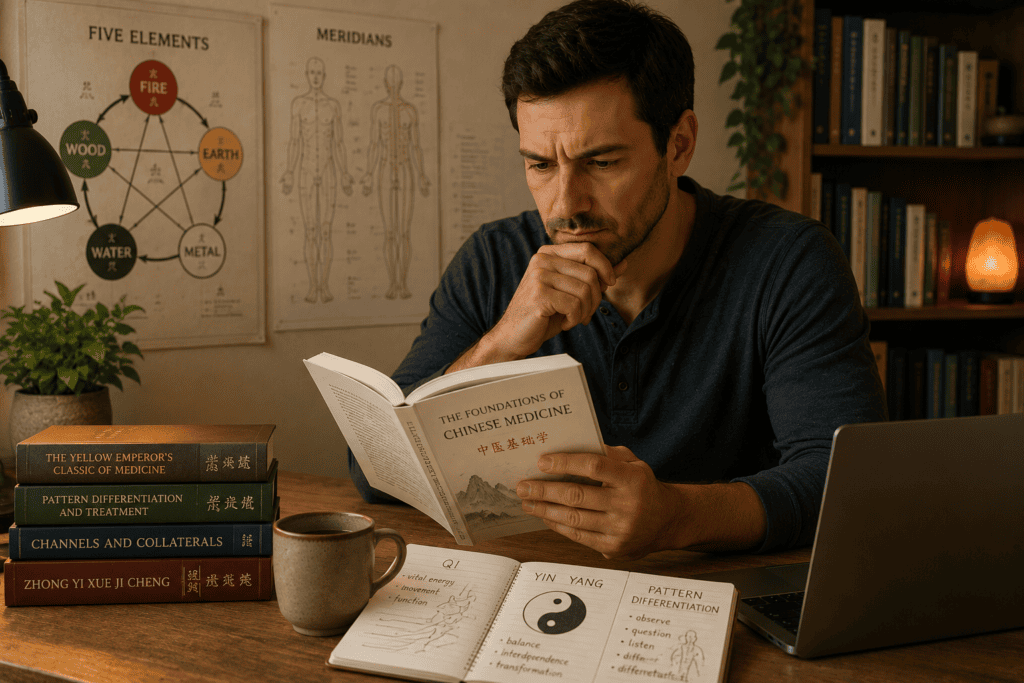
Traditional Chinese Medicine uses concepts (Qi, meridians, Yin and Yang, Five Elements, pattern differentiation) that are unfamiliar to patients accustomed to biomedical explanations. Some patients find these concepts intriguing and enriching. Others struggle to accept explanations that do not map cleanly onto their existing framework for how bodies work.
The framework itself is thousands of years old and predates the biomedical understanding that shapes modern medicine. It works with a different conceptual vocabulary that describes what the medicine actually does in language that reflects the tradition’s origins.
The honest response is that the confusion is real but navigable. Modern practitioners can explain what acupuncture and Chinese medicine do using biomedical concepts (autonomic nervous system regulation, neurotransmitter release, anti-inflammatory effects, muscular release) alongside the traditional framework. Patients who prefer biomedical explanations can get them from practitioners who bridge both frameworks. A proper explanation of the mechanics of the medicine is found in What Does Acupuncture Actually Do to Your Body?.
5. Effective Treatment Requires Time

Traditional Chinese Medicine is not a quick fix. Most conditions require a course of treatment rather than a single session, and the underlying patterns that produce chronic conditions take time to unwind.
For acute conditions, a few sessions can produce meaningful improvement. For chronic conditions, eight to twelve sessions over two to three months is a common starting course. Some patients need longer courses of treatment to fully resolve their underlying patterns.
For patients seeking single-session interventions or immediate resolution, this can be frustrating. The medicine works with the body’s own healing capacity rather than overriding it with strong external intervention, and the body’s healing capacity operates on its own timeline.
The honest response is that patients should approach TCM as a sustained commitment rather than a one-time treatment. The results often justify the time investment, but the time investment is real and should be planned for.
6. Regulatory and Credentialing Standards Vary
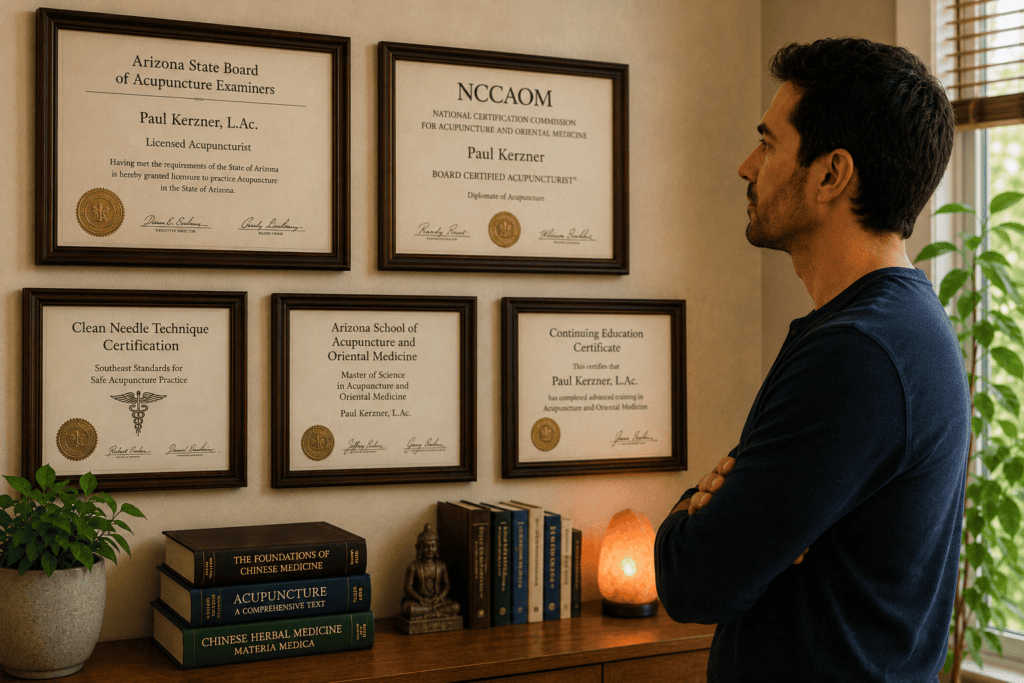
The regulatory landscape for Traditional Chinese Medicine varies substantially by state and country. Licensing requirements, scope of practice, continuing education standards, and quality benchmarks are not uniform. Some jurisdictions have rigorous standards that ensure a consistent quality of care. Others have minimal standards or none at all.
Practitioner training varies as well. A licensed acupuncturist in the United States has typically completed a three to four year master’s program at an accredited school followed by board certification examinations. Medical doctors who practice acupuncture may have completed a much shorter training program. Chiropractors and other practitioners with different backgrounds may offer acupuncture with variable training depth.
The honest response is that patients should verify credentials before starting treatment. Look for licensure by the state’s acupuncture regulatory board. Verify board certification through the National Certification Commission for Acupuncture and Oriental Medicine. Ask about specific training in the conditions you want treated. Not all practitioners have equal experience with all conditions.
7. Insurance Coverage Is Inconsistent

While insurance coverage for acupuncture has expanded steadily over the past two decades, coverage remains inconsistent. Some plans cover acupuncture for specific indications (chronic pain, chemotherapy support, some other approved conditions). Others cover it for a broader range. Others do not cover it at all.
Herbal medicine is even less consistently covered. Most patients pay out of pocket for herbal formulas.
Cost is a real consideration for many patients. A course of acupuncture treatment can range from several hundred to several thousand dollars depending on the practitioner, the number of sessions needed, and the specific interventions used.
The honest response is that patients should verify insurance coverage before starting treatment and consider whether the out-of-pocket investment fits their budget. Many practices work with patients on payment options, package pricing, or sliding scales for patients with financial constraints. The financial commitment should be discussed openly rather than discovered mid-course.
8. Practitioner Quality Varies Substantially

Even among licensed acupuncturists, practitioner quality varies considerably. Experience level ranges from newly licensed practitioners to those with decades of clinical practice. Training focus varies (some practitioners specialize in fertility, others in pain, others in mental health). Diagnostic skills vary. Bedside manner varies. Cultural approach varies (some practitioners lean heavily traditional, others lean modern-integrative).
A patient who has a poor experience with one acupuncturist may conclude that acupuncture does not work for them when the actual issue was practitioner fit. A patient who works with a highly skilled practitioner may see substantial results from the same medicine that produced no benefit in a less-skilled encounter.
The honest response is that finding the right practitioner matters as much as choosing to work with acupuncture in the first place. Ask about experience with your specific conditions. Read reviews. Meet with the practitioner for an initial consultation before committing to a course of treatment. Trust your sense of whether the practitioner is engaged with your case and communicates clearly. If a first practitioner does not feel right, try another before concluding the medicine does not work for you.
Balancing the Picture
Every established medical tradition has limitations alongside its strengths. Western medicine has its own list of disadvantages that patients navigate every day (side effects of medications, complications of surgery, incomplete diagnostic frameworks for many chronic conditions, high costs, fragmented specialist care). Recognizing the limitations of Traditional Chinese Medicine does not diminish what the medicine does well.
For chronic conditions, functional dysregulation, stress-driven patterns, chronic pain, and many of the presentations where Western medicine reaches its limits, Traditional Chinese Medicine offers substantial help that no other approach provides. The eight considerations above are not reasons to avoid the medicine. They are reasons to engage with it thoughtfully.
Patients who work with qualified practitioners, understand the time commitment, use TCM appropriately as a complement to Western medicine, and verify credentials and quality get the best outcomes from the medicine.
The nervous system and stress components that shows up across many chronic conditions are covered in: Anxiety, Stress, and Depression.
The full scope of what services this practice offers is explained in: Acupuncture, Cupping & Lifestyle Coaching.
Reach out to Above and Beyond Acupuncture on North Frank Lloyd Wright Boulevard in Scottsdale to schedule a consultation. Traditional Chinese Medicine offers substantial benefits to patients who engage with it thoughtfully, and understanding both its strengths and its limitations is the foundation of that engagement.
Schedule an appointment online or call us today to start your healing journey.