Key Takeaways
- Alternative medicine includes diverse practices, from well-researched to unverified ones, and understanding the differences is crucial.
- Acupuncture has strong evidence supporting its use for conditions like chronic pain and nausea, and many people find it helpful for managing symptoms.
- Complementary medicine involves using alternative approaches alongside standard treatment, while integrative medicine merges both into a unified care plan.
- Patients frequently seek alternative medicine because they are unhappy with traditional care and want to be more involved in their treatment.
- Because alternative medicine practitioners have varying levels of regulation and training, it’s important to check credentials to ensure safety.

If you’ve heard the term “alternative medicine” and wondered what it entails, you’re asking a valid question about a term that has been used loosely.
Alternative medicine isn’t a single practice; it’s a broad category that includes modalities with centuries of history and substantial modern research, as well as practices with little or no supporting evidence. A clear understanding helps you make more informed choices instead of viewing the entire category as either wholly credible or entirely questionable.
This article explains what alternative medicine means, how it differs from related terms, which modalities fall under it, where the evidence is strong and where it is weak, and how to evaluate it yourself.
Defining the Terms
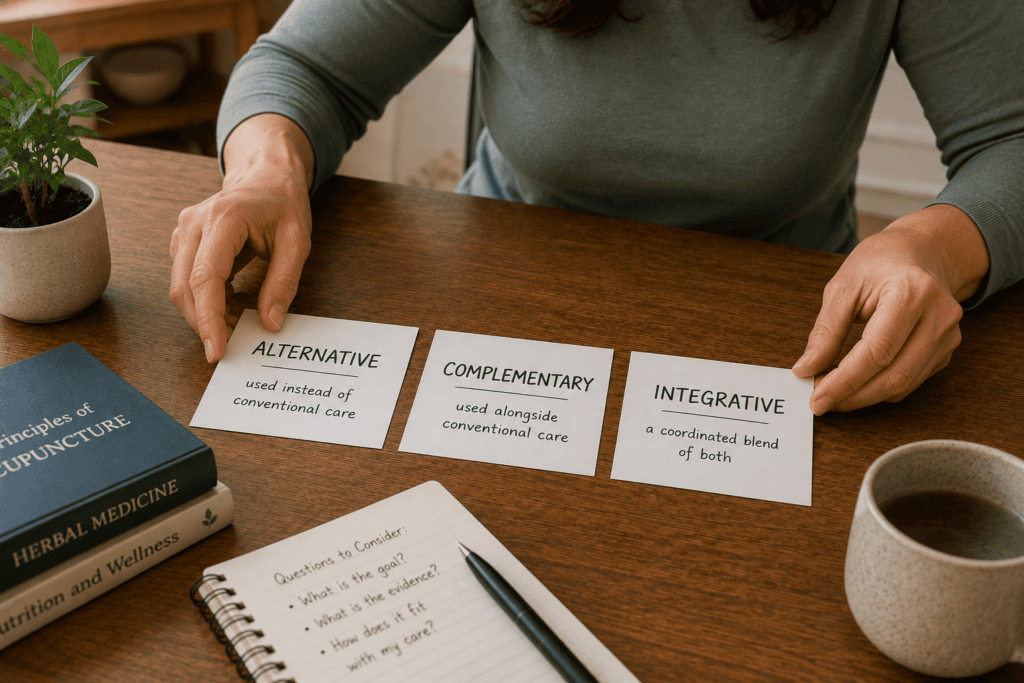
The language around non-conventional medicine is inconsistent, and the distinctions actually matter.
- Alternative medicine involves practices that are used instead of standard Western medical treatments. For example, a patient choosing herbal remedies over chemotherapy is engaging in alternative medicine. It’s important to note that this is the most limited and, in serious health situations, the most cautious use of the term.
- Complementary medicine involves modalities combined with conventional treatments instead of replacing them. For example, a cancer patient undergoing chemotherapy who uses acupuncture to manage nausea is using it as a complementary medicine.
- Integrative medicine uses a coordinated approach that combines conventional and non-conventional modalities in a single care plan, often with direct communication between providers. Leading medical centers such as Cleveland Clinic, Mayo Clinic, and Memorial Sloan Kettering have established integrative departments based on this model.
- Most licensed practitioners today, such as acupuncturists, typically describe their work as either complementary or integrative instead of strictly alternative. While it’s common and not incorrect to use the term “alternative medicine” as an umbrella for all these practices, understanding the differences between them provides clearer insight into what a particular practitioner or clinic offers.
The Range of Modalities
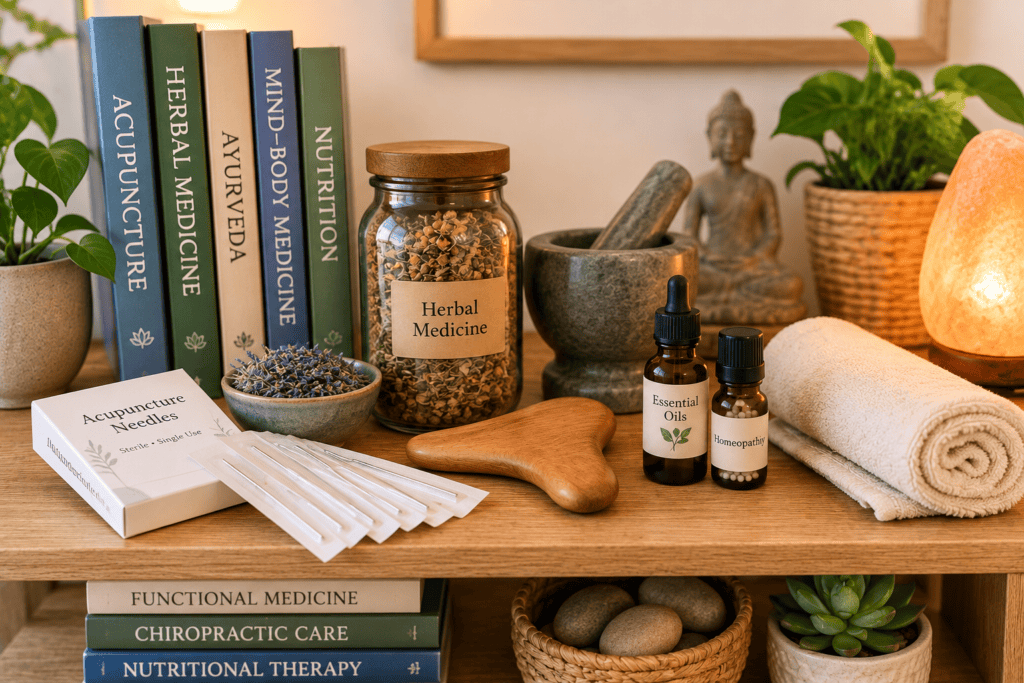
The alternative and complementary medicine category comprises a diverse array of practices, each with its own unique origins, philosophies, and levels of evidence.
- Acupuncture and Traditional Chinese Medicine. Developed over thousands of years in China, this system includes acupuncture, herbal medicine, cupping, and related therapies. Modern research strongly supports some applications, especially for pain and nausea.
- Chiropractic care. Focuses on spinal alignment and its impact on nervous system. Evidence supports its effectiveness for specific back and neck pain, while other health claims are less supported.
- Naturopathy. Emphasizes natural healing through diet, lifestyle, herbal remedies, and other natural approaches. Evidence varies depending on the specific intervention.
- Herbalism and botanical medicine. Involves plant-based treatments for various health issues. Some have strong pharmacological backing, while others have limited research or can dangerously interact with medications.
- Massage therapy. Manual soft tissue manipulation supported by research for pain relief, anxiety reduction, and muscle tension, with relatively strong evidence compared to other modalities.
- Homeopathy. Based on extreme dilution of substances, but evidence from rigorous trials is weak, and its mechanism conflicts with established science. Most reviews find no effect beyond placebo.
- Ayurveda. An Indian system involving diet, herbal remedies, and lifestyle practices. Certain interventions are supported by research, but overall, it has less rigorous modern scientific support than Traditional Chinese Medicine.
- Functional medicine. Seeks to identify root causes of illness via extensive testing and personalized treatment, often combining conventional and alternative methods. Evidence quality varies widely depending on the practitioner and treatments.
- Mind-body practices. Includes meditation, yoga, tai chi, and breathwork. Supported by some of the strongest current research, particularly for stress management, anxiety, and chronic pain.
- Energy-based practices. For example, Reiki, which is based on energy fields. Evidence is limited, but some patients report subjective benefits, likely due to relaxation and the therapeutic relationship.
Where the Evidence Is Strong
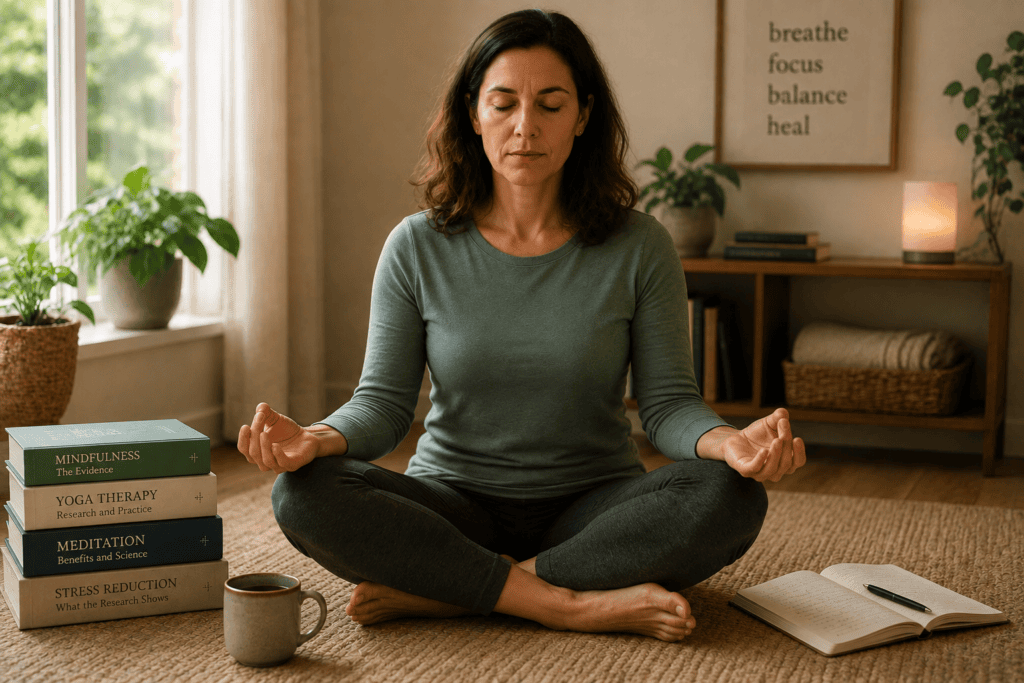
Being honest about the spectrum of evidence is what separates useful information from marketing.
- Acupuncture has substantial research support for chronic pain, nausea, and several other conditions, including recommendations from the American College of Physicians for back pain.
- Mind-body practices, including meditation and yoga, have strong evidence for stress, anxiety, and other pain conditions.
- Massage therapy has strong evidence for reducing pain and anxiety.
- Specific herbal preparations, including some used in Traditional Chinese Medicine, have documented pharmacological effects supported by modern research.
- Chiropractic care has reasonable evidence for specific types of back and neck pain.
Where the Evidence Is Weak or Absent

- Homeopathy has shown no effects beyond placebo in numerous trials, and its proposed methodology conflicts with basic chemistry.
- Certain energy-based practices lack measurable evidence for their proposed mechanisms, though the relaxation response they produce may have genuine value.
- Some functional medicine testing panels lack validation and can lead to unnecessary supplementation based on results without established clinical meaning.
- Detox and cleanse protocols marketed as removing toxins generally lack evidence that the body requires this kind of external assistance, since the liver and kidneys perform this function continuously.
Why Patients Turn to Alternative Medicine

Patients pursue these alternatives for several reasons:
- Dissatisfaction with symptom-based medicine that fails to address root causes.
- Desire for treatments with fewer side effects.
- The need to be more involved in their own care rather than passively receiving treatment.
- Chronic conditions where conventional care has plateaued, prompting patients to seek additional support rather than alternatives.
- Preference for combining multiple approaches into a holistic health plan.
Most patients who use alternative and complementary methods do so along with their doctors.
Safety and Regulation Vary Dramatically by Modality

One of the most important things to understand about alternative medicine is that it is not uniformly regulated. Licensing, training requirements, and oversight differ enormously from one modality to the next.
Most states have strict acupuncture licensing standards, usually requiring a graduate degree, national certification through NCCAOM, and continuing education. Chiropractic care also requires state licensure and specific educational credentials. Many states license massage therapy, though requirements differ. Naturopathy is licensed in certain areas but unregulated elsewhere.
In contrast, practices like herbalism, functional medicine coaching, Reiki, and many others lack formal licensing, allowing anyone to use the title regardless of their training.
This matters for patient safety. Before consulting any alternative medicine practitioner, verify their credentials and state licensure to avoid practitioners with minimal or no formal training.
How to Evaluate Whether a Specific Approach Is Worth Trying
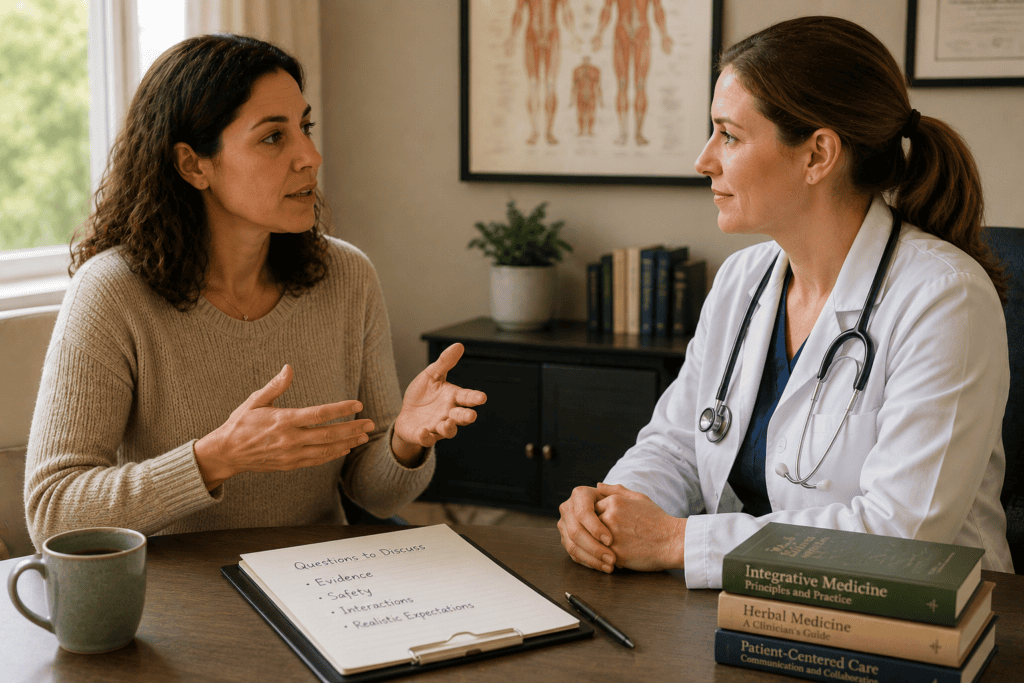
The same framework is applicable whether you’re exploring acupuncture, chiropractic treatment, herbal medicine, or any other alternative method.
Take time to research the specific condition you’re interested in. Make sure your practitioner has the proper licensing or certification to ensure you’re in good hands. Always check with your doctor before trying out new treatments, especially if you’re on medication or dealing with a serious health issue, since some herbal remedies and supplements can have risky interactions. Be cautious of practitioners who claim to cure conditions that mainstream medicine hasn’t yet, or who discourage the treatments you need. Be skeptical of promises that sound too good to be true based on what current evidence shows. Try any new approach for a reasonable period, with clear, specific goals.
For patients specifically interested in acupuncture, ‘Is There Any Proof That Acupuncture Actually Works?‘ thoroughly examines the research supporting its proven effectiveness.
Where Acupuncture Fits in This Landscape
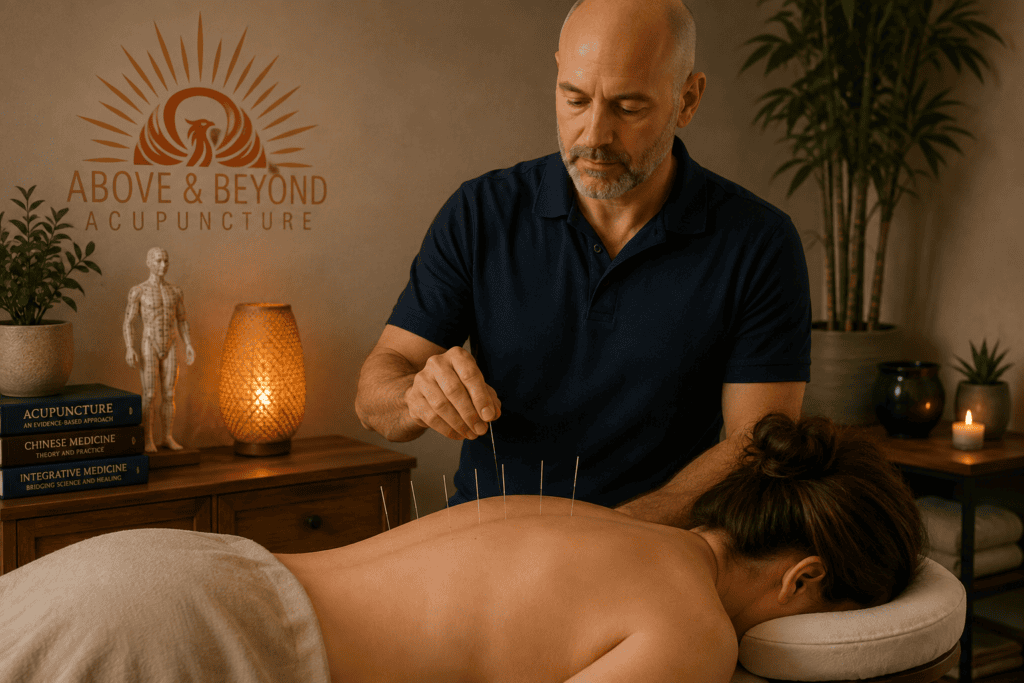
Acupuncture is generally well-supported by evidence among alternative medicines. With thousands of years of traditional use, a growing number of clinical studies, strict licensing standards, and its integration into mainstream healthcare, it has a strong foundation. However, this doesn’t mean it’s suitable for every condition or patient. Instead, it suggests that, where evidence exists, acupuncture has a stronger backing than many other modalities in the same broad category.
For a comparison of how Eastern and Western approaches can work together rather than in opposition, The Many Benefits of Combining Eastern and Western Medicine directly covers the integrative approach. For an honest look at Traditional Chinese Medicine’s real limitations, Disadvantages of Traditional Chinese Medicine covers that topic without overselling the practice.
Above and Beyond Acupuncture offers acupuncture, cupping, and lifestyle coaching at the North Frank Lloyd Wright Boulevard location in Scottsdale.
Schedule an appointment online or call us today to start your healing journey.
About the Publisher
Paul Kerzner, L.Ac., is a licensed acupuncturist and board-certified herbalist, as well as the founder of Above and Beyond Acupuncture in Scottsdale. His own journey from chronic patient to practicing acupuncturist shapes his commitment to providing honest, clinically grounded information about acupuncture and Traditional Chinese Medicine. Learn more about Paul and his clinical approach on the About Us page.