Key Takeaways
- Anxiety in modern society roots in physiological issues, not merely psychological ones.
- Chronic stress and modern life disrupt the balance between the Heart and Kidney, leading to heightened anxiety.
- Traditional Chinese Medicine (TCM) provides a holistic approach, treating anxiety as a systemic imbalance rather than a mental failing.
- Acupuncture addresses physical manifestations of anxiety, reactivating the body’s natural regulatory mechanisms.
- This practice aims to restore the nervous system’s capacity, moving beyond mere symptom management.
Anxiety is frequently discussed as a psychological phenomenon, yet it is rooted firmly in the body’s physiology. In the demanding pace of modern Western life, the experience of anxiety has become a near-universal condition. Depending on family history, profession, and interpersonal environment, many people have developed a functional capacity to manage high levels of daily stress. A significant portion of the population, however, continues to struggle with basic functioning under pressure, not because of a character deficiency but because of a nervous system that has been pushed past its regulatory capacity.
When coping mechanisms fail, the results often manifest as further complications, including heavy reliance on psychotropic medications. Global sales of antidepressants, stimulants, and anti-anxiety drugs represent one of the largest pharmaceutical categories in the world, a figure that continues to grow annually. This trend suggests that while Western medicine has developed effective modalities including psychotherapy and pharmacological intervention, the approach has increasingly addressed symptoms without targeting the underlying biological conditions driving them.
Traditional Chinese Medicine offers a different clinical framework. It treats anxiety not as a mental failing but as a systemic imbalance affecting the relationship between the Heart and the Kidney, a disruption in the internal regulatory system that governs emotional stability. To understand why anxiety is so prevalent today, it helps to look at how modern life interacts with the human nervous system at a fundamental level.
The Evolution of Modern Agitation
The human nervous system was shaped for short bursts of intense activity followed by extended periods of rest and recovery. In a primitive environment, the fight or flight response was reserved for immediate physical threats. Once the threat resolved, the body returned to a parasympathetic state to repair, digest, and restore.
Modern life has effectively removed the recovery phase from this cycle. Constant digital connectivity, professional pressure, financial stress, and environmental overstimulation keep the sympathetic nervous system in a state of low-grade, perpetual activation. This sustained alert position gradually sensitizes the nervous system until the body begins perceiving non-threatening events, such as an email notification, a traffic delay, or an ambiguous social interaction, as survival-level threats requiring a full stress response.
This is the biological foundation of modern anxiety. It is not weakness or oversensitivity. It is a nervous system that has lost its capacity to down-regulate because the conditions that would allow it to do so have been systematically removed.
The TCM Perspective: The Heart-Kidney Axis
In Traditional Chinese Medicine, emotional stability depends on the dynamic balance between the Heart, associated with the Fire element, and the Kidney, associated with the Water element. The Heart houses the Shen, understood in TCM as the mind and spirit. For the Shen to remain settled and clear, it must be anchored by the cooling, grounding essence stored in the Kidneys.
When a lifestyle is defined by chronic stress, overwork, poor sleep, and inadequate recovery, Kidney Yin is gradually depleted. Without sufficient Water to cool and contain the Fire, the Heart becomes overheated and agitated. The clinical presentation is recognizable: a racing heart, insomnia, a restless mind that cannot settle even in the absence of an obvious threat, and an underlying sense of dread that arrives without clear cause. In Western terms, this represents a failure of the body’s internal regulatory systems to maintain homeostatic balance. In TCM terms, it is the Heart and Kidney relationship breaking down under sustained depletion.
Why Chemical Interventions Often Fall Short
Anti-anxiety medications can provide necessary short-term relief for acute symptoms and have a legitimate clinical role in managing crisis-level presentations. The limitation is that they rarely address the conditions that caused the nervous system to become dysregulated in the first place.
Most psychotropic medications work by altering neurotransmitter levels in the brain. If the underlying conditions driving the anxiety include fascial restriction compressing the vagus nerve, a depleted Heart-Kidney axis, chronically elevated cortisol dysregulating the HPA axis, or years of conditioned sympathetic dominance in the autonomic nervous system, a neurotransmitter adjustment addresses the surface expression of the problem while the root continues operating undisturbed.
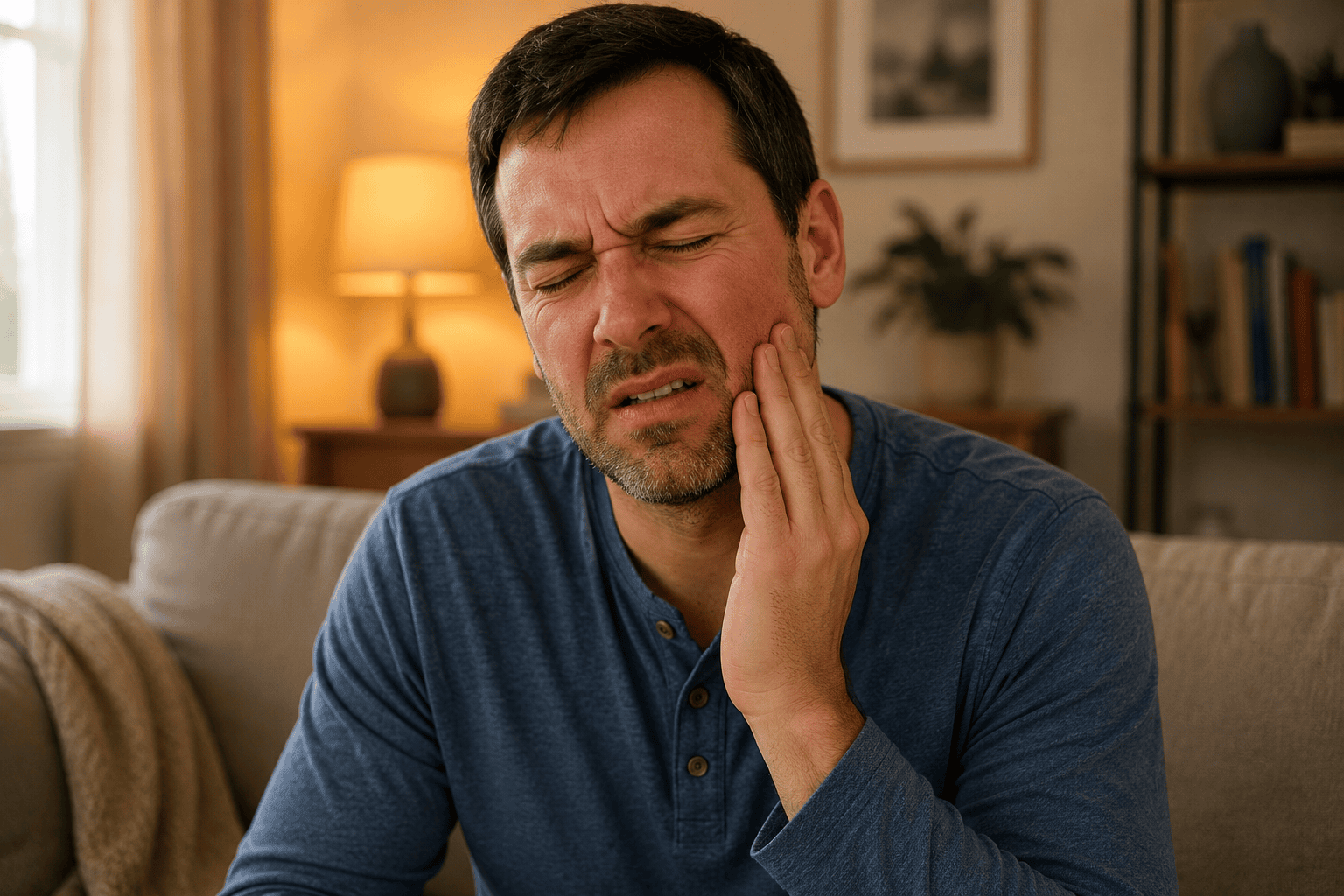
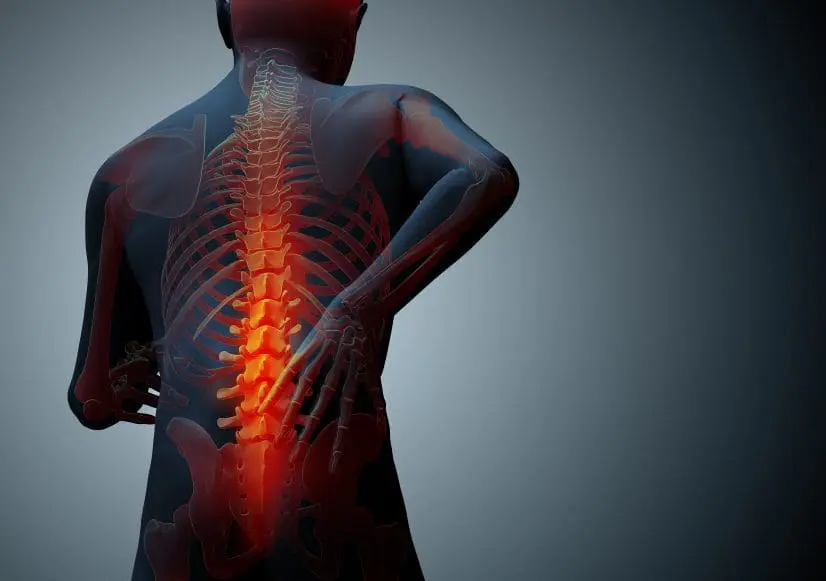
Anxiety is frequently held in the body’s physical tissues as much as in the mind. It manifests as a tight chest, shallow and restricted breathing, elevated resting heart rate, and a jaw and neck that carry chronic tension. Treating the mind without addressing the physical environment of the nervous system is an incomplete clinical strategy regardless of what modality is being used.
How Acupuncture Resets the Anxiety Loop
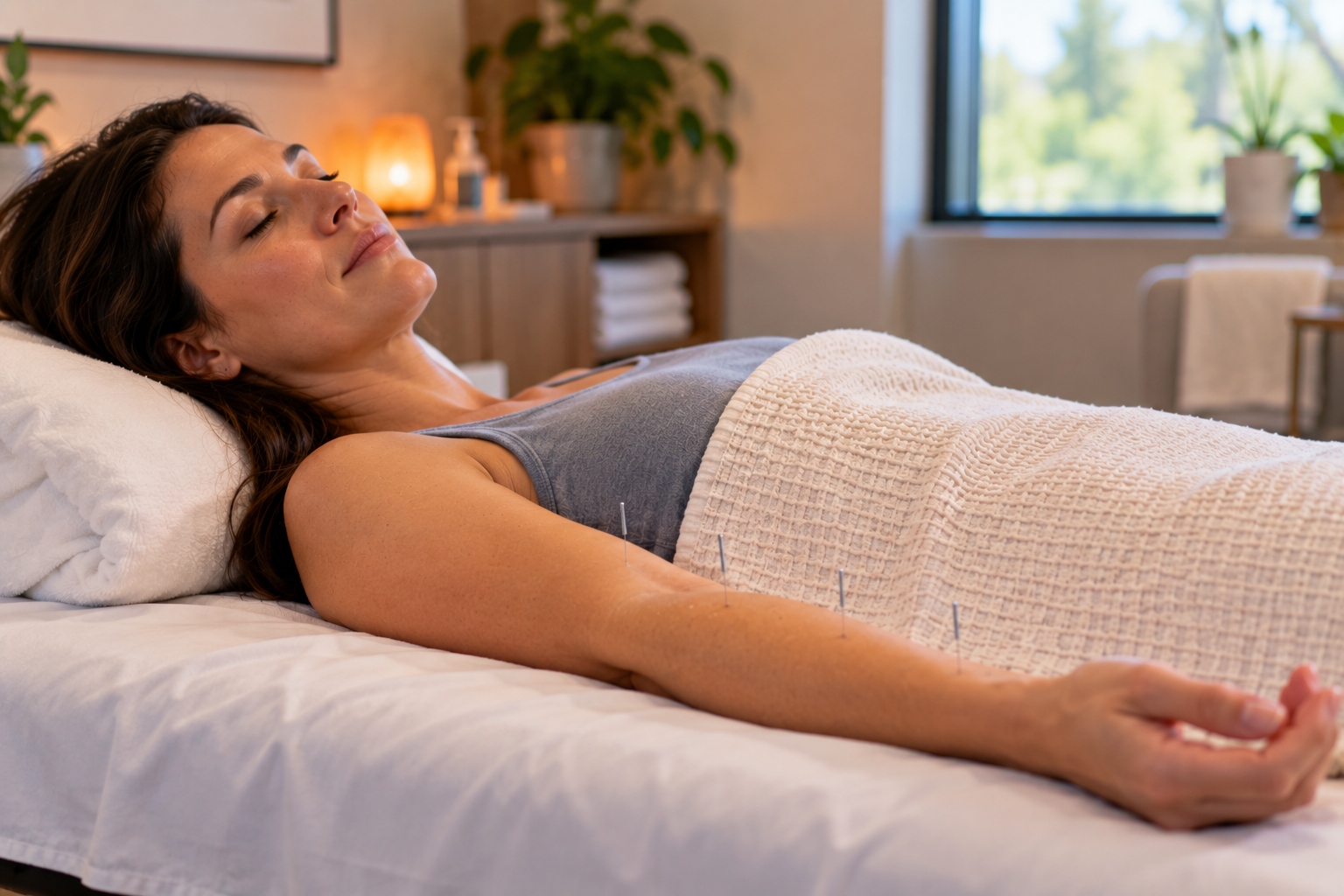
Acupuncture provides a physical intervention for what presents as a mental and emotional problem. By placing needles at specific points that communicate directly with the autonomic nervous system, treatment initiates a series of physiological changes that medication cannot replicate because it is working through a different mechanism entirely.
Vagus nerve stimulation is the primary neurological pathway through which acupuncture produces its calming effects. The vagus nerve is the principal brake for the stress response, and stimulating it signals the brain to shift out of sympathetic activation and into parasympathetic recovery. Patients frequently report an immediate physical drop in tension as the heart rate slows and the breath deepens and lengthens. From a TCM perspective, this is the Shen being anchored back into the body.
Treatment also addresses the local physical manifestations of anxiety directly. Releasing tension in the diaphragm, the neck, and the upper chest removes the structural restrictions that perpetuate shallow breathing and maintain the body in a posture of chronic guardedness. When the breath deepens, the brain receives a continuous signal of safety that begins to interrupt the anxiety feedback loop from the bottom up rather than the top down.
Over a structured course of regular treatment, the goal shifts from symptom management to constitutional rebuilding. Nourishing Kidney Yin restores the foundational reserves that chronic stress has depleted. Settling the Shen re-establishes the Heart-Kidney communication that emotional stability depends on. The nervous system gradually reconditions its baseline, developing the capacity to remain grounded under external pressure rather than immediately escalating to a threat response.
Why This Practice Exists
The reason anxiety served as the first clinical topic for Above and Beyond Acupuncture reaches back to personal experience. After years of working within Western frameworks including psychotherapy and a period of reliance on medication, the search for a more durable solution led to an encounter with Eastern medicine. The experience of watching emotional and physiological patterns that had resisted other interventions respond to acupuncture, Chinese herbs, and targeted lifestyle change shaped the entire direction of this practice. The medicine works at a level that other approaches do not reach, and the clinical focus of this clinic reflects that understanding.
Taking the Next Step
Anxiety and chronic stress are not conditions to simply manage indefinitely. The nervous system can be retrained. The depletions driving the pattern can be addressed. The regulatory capacity the body has lost can be restored.
If you are caught in a cycle of stress or anxiety that has not responded to the approaches you have already tried, a clinical assessment at a licensed acupuncturist in Scottsdale is a concrete next step. Above and Beyond Acupuncture on North Frank Lloyd Wright Boulevard in Scottsdale treats the physiological roots of anxiety, not just the emotional experience of it. Reach out to schedule a consultation.