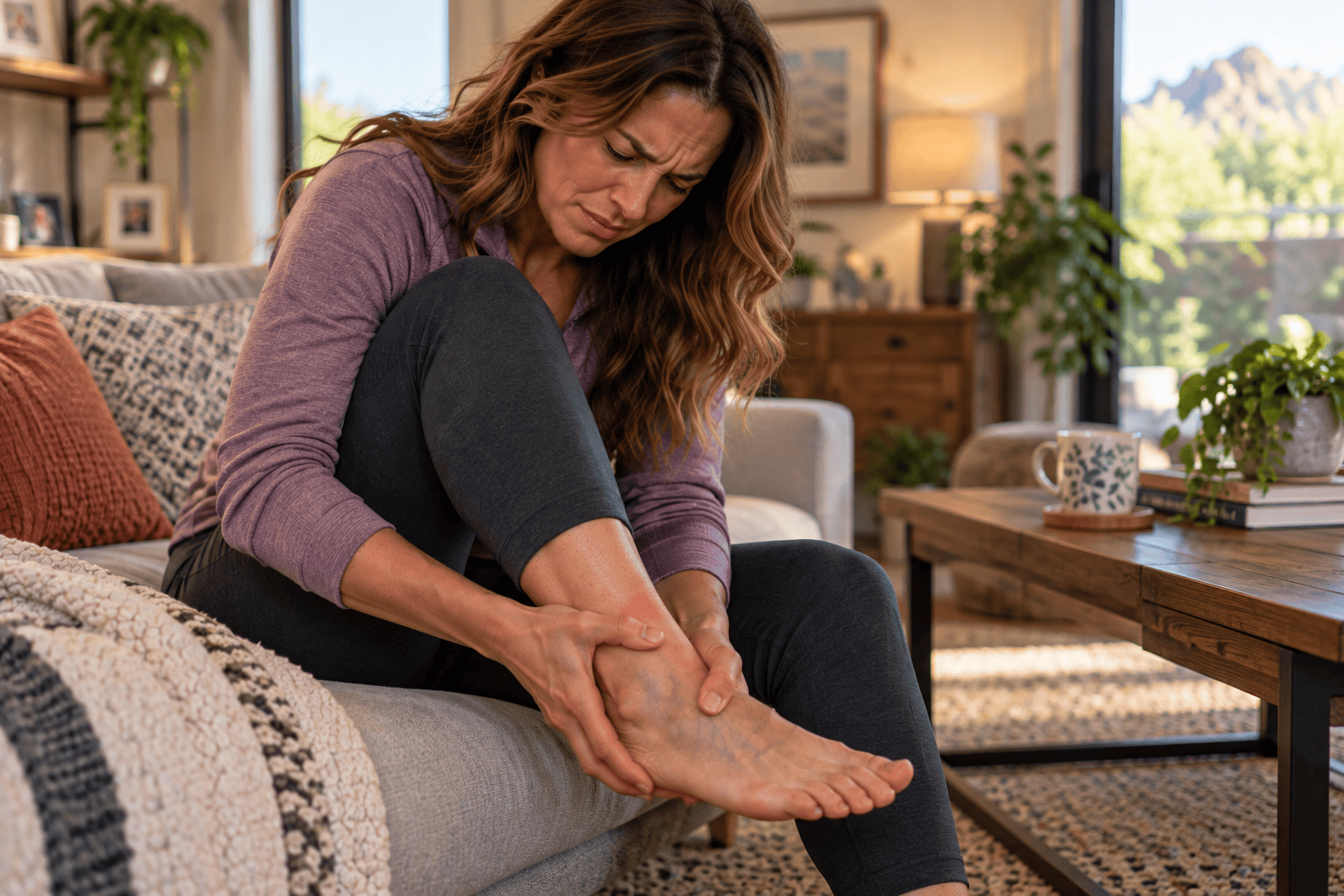
Key Takeaways
- Arnica, particularly Arnica montana, is used as a natural remedy for bruises, swelling, and pain, and it comes in the form of topical gels, creams, or homeopathic tablets.
- Topical arnica is applied to intact skin, while homeopathic arnica is taken orally in small doses.
- Users should refrain from applying arnica on broken skin and seek medical advice for serious injuries or unusual bruising.
- Arnica is widely used for minor injuries but should not replace professional medical evaluation for significant conditions.
- People should be cautious if allergic to related plants and adhere to dosage instructions when using arnica products.
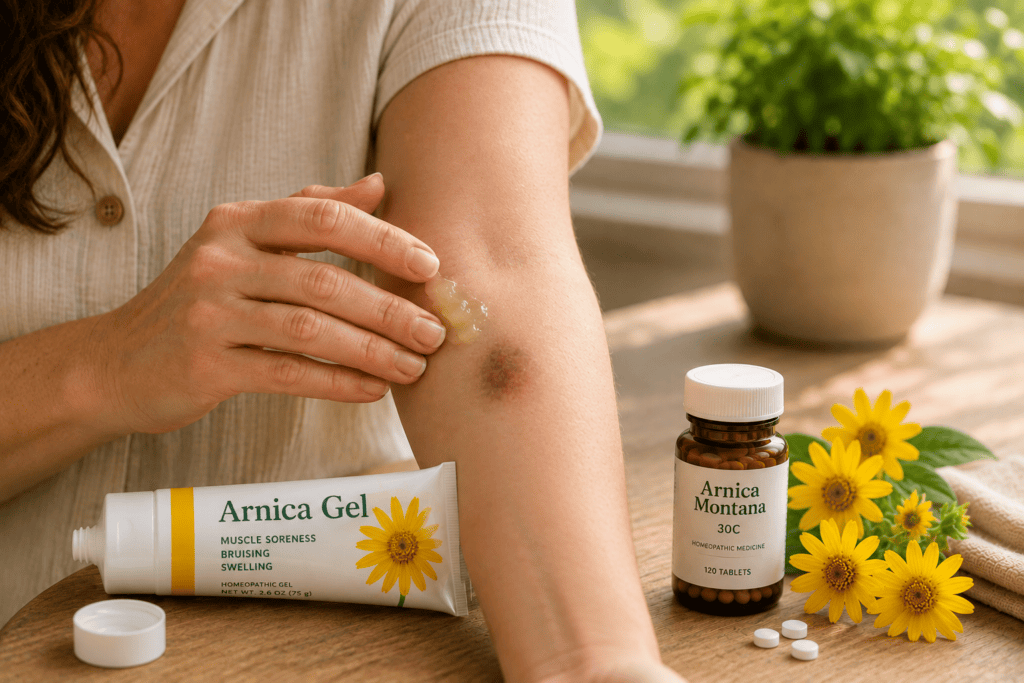
Arnica is a popular natural remedy, typically available as gels or tablets. You can often find it in gym bags, first-aid kits, and medicine cabinets worldwide. Originating from a mountain flower with a long history in traditional herbal medicine, it is commonly used to help with bruises, swelling, sore muscles, and pain after injuries or surgery.
This article explains what arnica is, its different forms, uses, and safe ways to use it.
What is Arnica?

Arnica refers to Arnica montana, a perennial plant in the daisy family, which includes sunflowers, marigolds, and ragweed. It has bright yellow, daisy-like flowers that grow in European mountains and parts of North America. Sometimes called leopard’s bane or mountain tobacco, its flowers have been used in traditional medicine for centuries to treat bruises, sprains, muscle aches, and swelling. Today, arnica is mainly available as topical gels, creams, and ointments with active ingredients, as well as homeopathic tablets and pellets taken orally.
Understanding the differences between these forms is crucial for proper use.
The Many Forms of Arnica
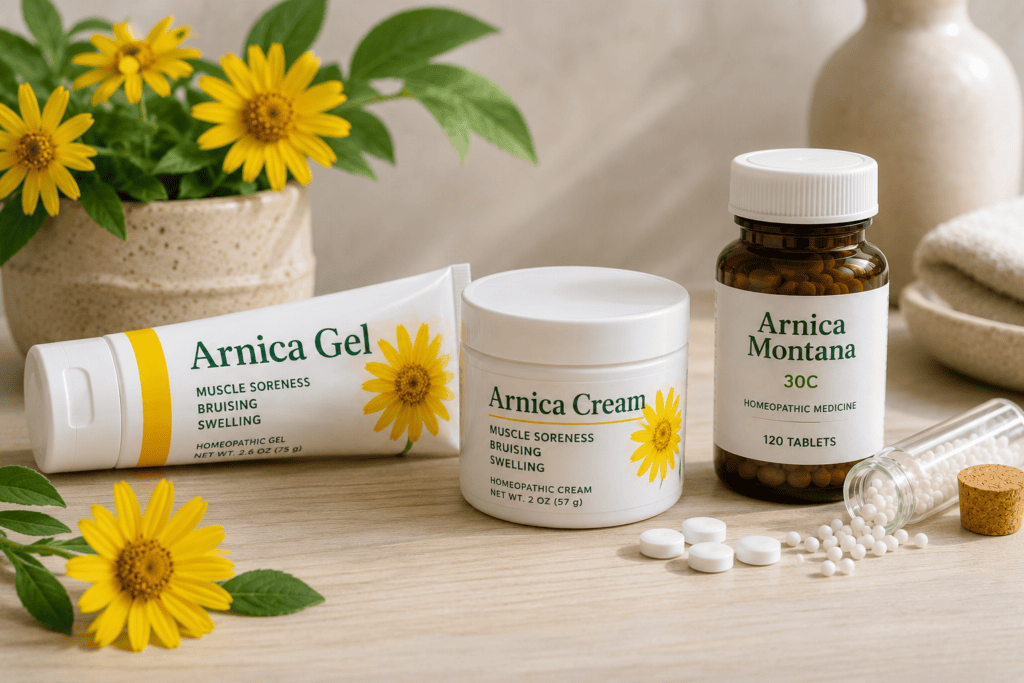
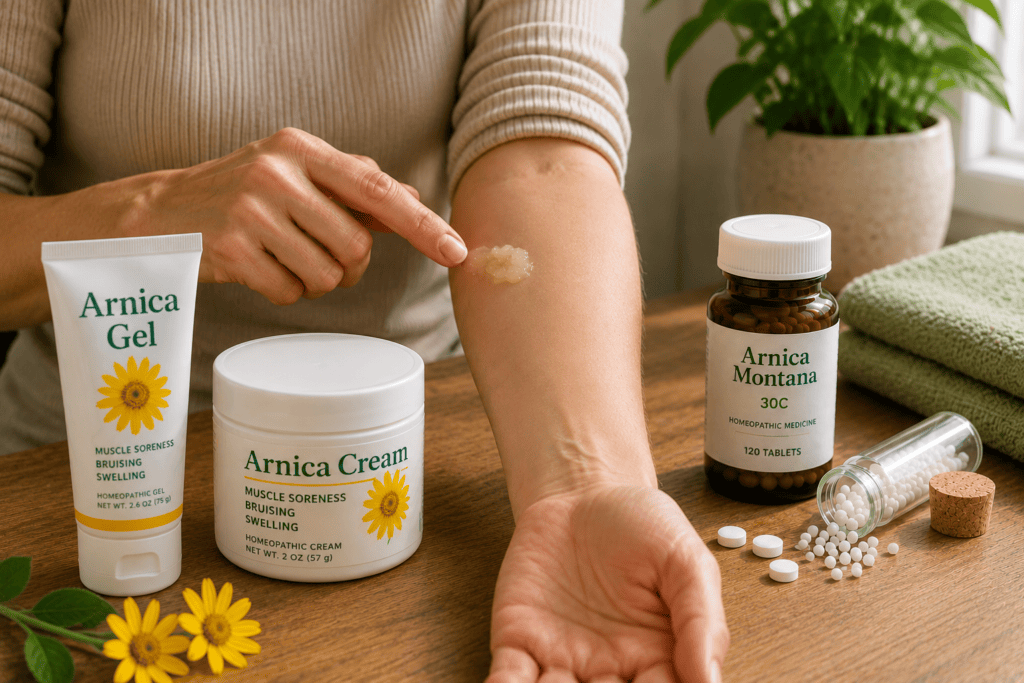
The first type is topical arnica, which includes gels, creams, ointments, and tinctures applied directly to the skin. People typically use these to rub onto bruises or sore, aching areas, and this is the most common form found on pharmacy shelves.
The second form is homeopathic arnica, which is taken orally as small tablets or pellets that dissolve under the tongue. This form is commonly used for bruising, swelling, and soreness resulting from bumps, falls, exertion, surgery, and dental procedures, and has long been a staple in home remedy kits. Homeopathic arnica tablets and pellets are safe to use according to the label instructions.
The most important safety distinction lies between the prepared products and the raw plant itself. The raw plant is not intended for consumption, so take arnica internally only as prepared homeopathic tablets and pellets, never by swallowing the raw herb or the topical gel.
What Arnica Is Used For
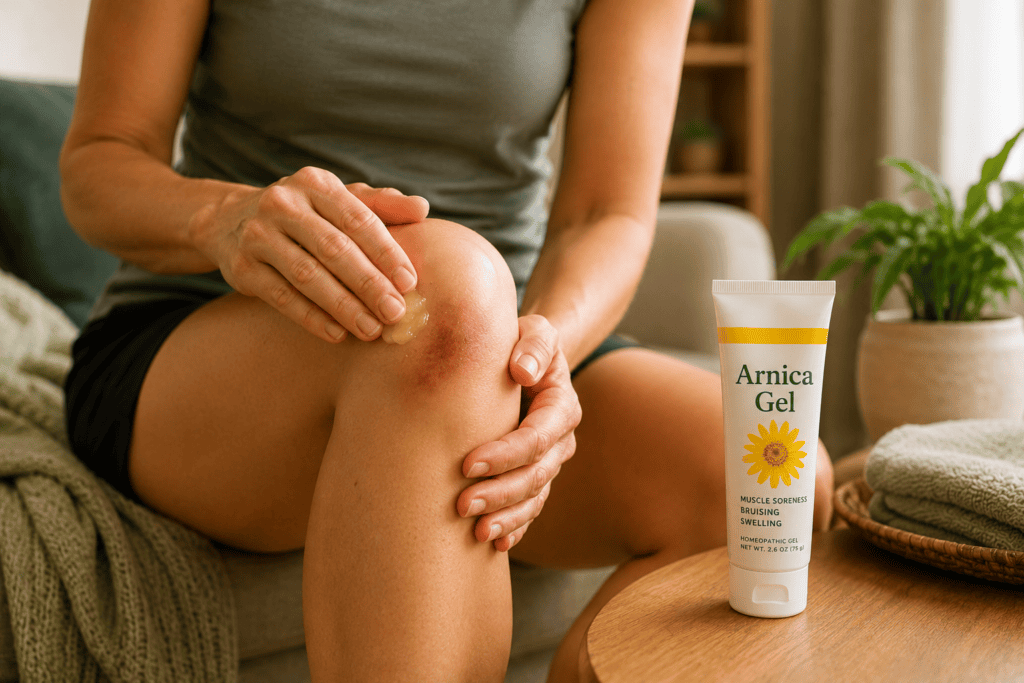
Arnica is commonly used to treat bumps, bruises, and aches from everyday incidents and after physical trauma. Its most recognized application is for bruising, with people turning to it for minor bumps as well as for bruising and swelling caused by cosmetic procedures, dental treatments, childbirth, or surgeries, often as part of the healing process. Besides bruises, arnica helps reduce swelling and inflammation, and is used for sprains, strains, sore muscles after exertion, and stiff, tired joints.
Apply topical arnica directly to the affected area, while taking homeopathic tablets and pellets orally for similar issues. Many people use both forms at the same time to support recovery from injuries.
How to Use Arnica Safely
Using arnica is simple if a few sensible rules are followed.
Apply topical arnica only on intact skin. Use a thin layer of gel, cream, or ointment on bruised or sore areas two to three times daily. Do not apply to broken skin, open wounds, or cuts. Keep away from eyes and mouth, and avoid swallowing these products. For homeopathic arnica, take tablets and pellets as instructed on the label, dissolving them under the tongue. For internal use, only use these prepared homeopathic products instead of raw arnica plant.
Since arnica is part of the daisy family, individuals allergic to related plants such as ragweed, marigolds, chamomile, or echinacea should be cautious with topical use. It’s advisable to test a small skin area first and discontinue use if any burning, itching, redness, or rash occurs. Those who are pregnant or breastfeeding, take blood thinners, or are considering arnica for a child should consult a doctor or pharmacist before use.
When to See a Doctor
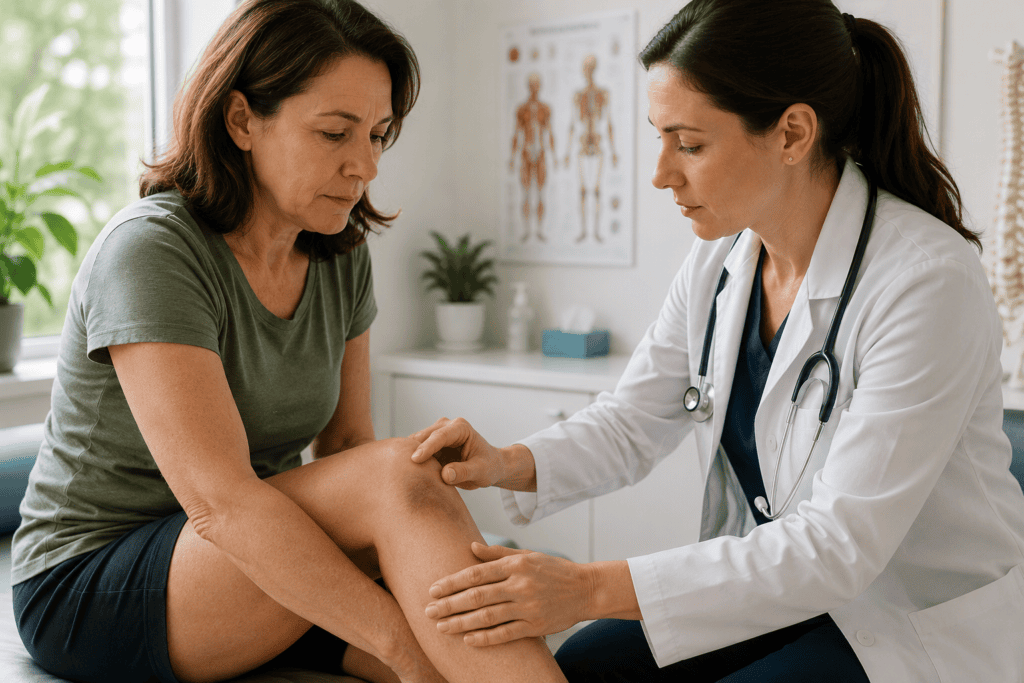
Arnica is suitable for minor bruises, bumps, and everyday soreness, but not for serious injuries.
Consult a doctor if you notice a large, spreading, or severe bruise, or if a bruise results from major trauma. Seek medical help for swelling with severe pain, inability to move, or weight-bearing issues, as these can indicate a fracture or serious sprain. A healthcare professional should evaluate frequent or unexplained bruising, as it may signal bleeding or clotting problems. Additionally, any head injury, deep wound, signs of infection, or injuries that do not improve require medical assessment.
Remember, home remedies are meant for minor issues and do not replace professional medical evaluation for significant injuries.
Above and Beyond Acupuncture offers acupuncture, cupping, and lifestyle coaching at the North Frank Lloyd Wright Boulevard location in Scottsdale.
Schedule an appointment online or call us today to start your healing journey.
About the Publisher
Paul Kerzner, L.Ac., is a licensed acupuncturist and board-certified herbalist, as well as the founder of Above and Beyond Acupuncture in Scottsdale. His own journey from chronic patient to practicing acupuncturist shapes his commitment to providing honest, clinically grounded information about acupuncture and Traditional Chinese Medicine. Learn more about Paul and his clinical approach on the About Us page.