
Key Takeaways
- Trauma impacts both mental and physical well-being, often leading to symptoms like tension and fatigue.
- Acupuncture treatments restore balance by enhancing Qi and Blood flow, tailored to individual needs.
- Acupuncture assists in stabilizing emotions by soothing the Shen linked to the Heart system, which is essential for recovery.
- The treatment process advances gradually, usually offering subtle benefits like improved sleep and better stress recovery over time.
- Acupuncture works best when part of a complete recovery plan that complements other treatments and boosts the body’s natural healing processes.

Trauma affects more than just the mind; it often presents physically as tension, fatigue, pain, or ongoing discomfort. The related article, “A Traditional Chinese Medicine Perspective on Trauma,” explores trauma using Traditional Chinese Medicine concepts, viewing it as a disturbance in the body’s functional systems such as Qi flow, Blood circulation, and Shen stability.
This post builds on that foundation by explaining how acupuncture manages these patterns in clinical practice. Instead of trying to fix trauma or replace mental health treatment, acupuncture enhances the body’s ability to regulate itself, restore balance, and gradually move out of persistent states. Trauma treatment with acupuncture is personalized, cumulative, and gradually develops over time.
How Acupuncture Treats Trauma

In Traditional Chinese Medicine, acupuncture focuses on underlying patterns of imbalance rather than isolated symptoms. It considers the body’s holistic response to trauma, guiding treatment through pattern differentiation instead of specific diagnostic labels. Because of individual differences in constitution, physical appearance, and trauma manifestations, people with similar trauma histories may need different treatment approaches.
Trauma often presents as a mix of Qi stagnation, Qi deficiency, Blood stasis, and Shen imbalance. Acupuncture helps by sending regulatory signals, with needle insertion cueing the body to move away from states like tension, depletion, or hypervigilance. Instead of forcing change, acupuncture supports the body’s natural self-organization. Due to the complex and layered patterns of trauma, there is no one-size-fits-all protocol; treatment adapts based on the body’s response.
Addressing Stagnation and Deficiency
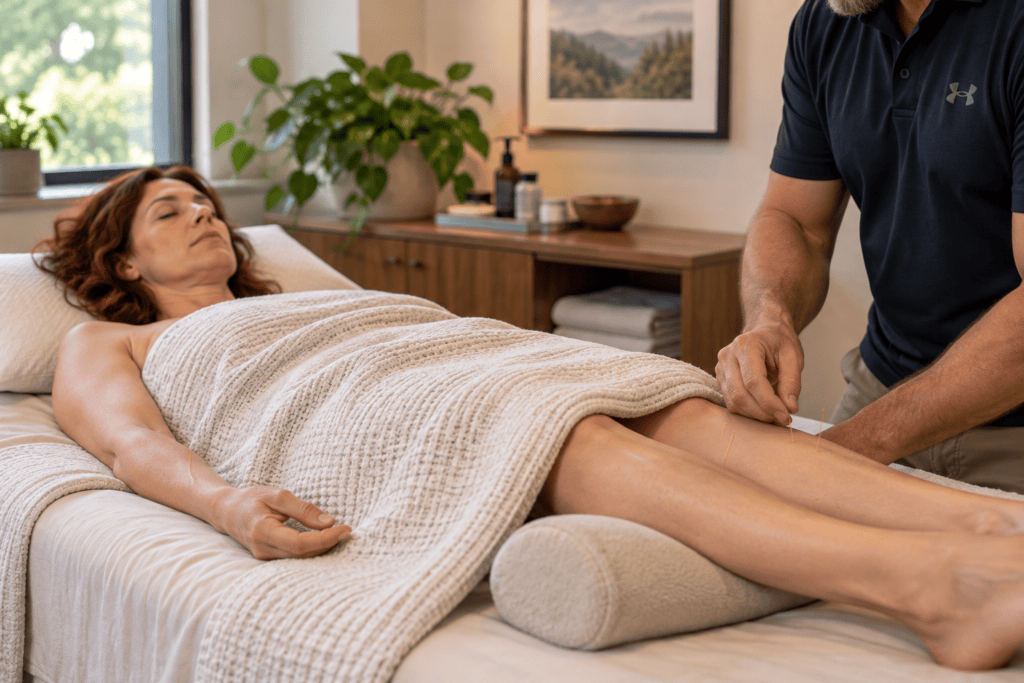
Trauma impairs the body’s capacity to move, regulate, and adapt. Stagnant Qi may lead to sensations of tightness, rigidity, or heightened emotional sensitivity. Conversely, Qi deficiency indicates insufficient energy to manage stress, which can cause fatigue, fragility, or a sense of being overwhelmed.
Acupuncture seeks to restore Qi’s movement and availability. For stagnation, it helps release tension and improves the body’s adaptability. When Qi deficiency occurs, acupuncture conserves and strengthens functional resources. As Qi flow improves, people might notice changes in pain, emotions, and internal resilience. These changes usually happen gradually, signaling a shift toward a more flexible, adaptive body.
Working with Physical Holding
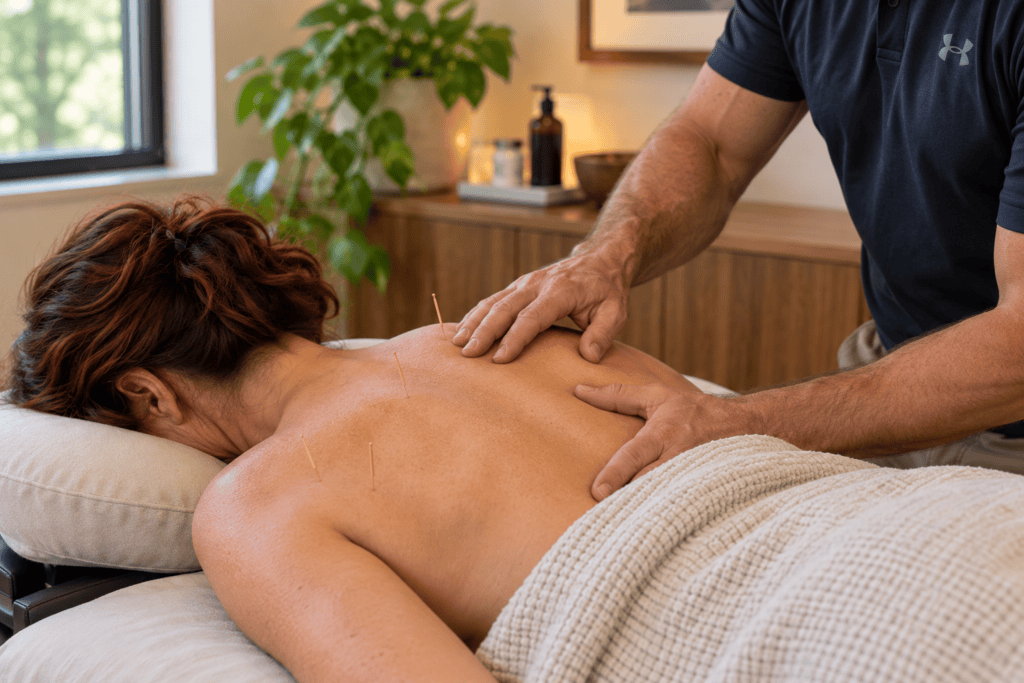
Trauma often causes physical signs in muscles and tissues, a condition called Blood stasis in Chinese medicine. Disrupted Qi flow impairs Blood circulation, which can lead to persistent tightness, continuous pain, or prolonged injuries, even when imaging and structural tests show no abnormalities.
In practice, the body holds onto unresolved physical and emotional disruptions. Acupuncture enhances circulation and tissue nourishment, helping to complete repair processes that trauma interrupted. The aim of treatment isn’t to induce dramatic release but to support steady progress. As circulation improves, tissues usually soften, pain diminishes, and the body stops reacting as if the injury is still present.
Supporting Emotional Regulation

In Traditional Chinese Medicine, emotional regulation is closely connected to the Shen, which is linked to the Heart system. Trauma can disturb the Shen, leading to symptoms like restlessness, insomnia, emotional instability, or feeling disconnected from oneself.
Acupuncture calms and anchors the Shen by supporting the Heart and related systems. Individuals may experience improved sleep, reduced internal agitation, and greater emotional stability. Notably, calming the Shen does not mean emotional suppression; the goal is integration rather than numbing. Emotional responses may arise during or after treatment, but acupuncture is not intended to induce catharsis. Any emotional shifts are part of the body’s broader regulatory process.
Regulating the Stress Response

Trauma often keeps the body in a heightened state of alertness. Even when external dangers pass, the system might stay tense and reactive. Acupuncture can help shift the body toward a calmer, more regulated state. Clinically, this can lead to better rest, less hypervigilance, and faster recovery after stress.
These modifications are better seen as supportive rather than corrective. Acupuncture does not directly control the nervous system; instead, it creates conditions that allow the body to relax when it is ready. This adjustment often works well alongside other therapies by increasing the body’s ability to rest, reflect, and heal.
What Treatment Feels Like

Acupuncture sessions for trauma are calm and non-verbal, with patients resting comfortably while needles are retained. Patients may feel heaviness, warmth, tingling, or a deep sense of relaxation. Others might notice gentle internal changes rather than obvious physical sensations.
Trauma-informed care emphasizes safety, consent, and proper pacing. Treatment is tailored to the body’s responses, recognizing that each individual’s experience is unique. The main goal is to help the patient feel supported and respected at all times.
Timeline and Expectations

Trauma treatment using acupuncture builds over time rather than providing instant results. Early benefits are usually subtle, such as better sleep, increased body awareness, or faster stress recovery. Progress typically isn’t steady; it may include times of improvement followed by plateaus or brief setbacks.
The frequency and length of treatment vary depending on factors like trauma chronicity, individual constitution, and other therapies. Patience and collaboration are key. Acupuncture supports the body’s natural healing process rather than enforcing a strict schedule.
Integration with Other Care

Acupuncture works best as part of a holistic trauma recovery plan. It enhances psychotherapy, somatic therapies, and medical treatment by directly targeting the body. However, acupuncture is not a replacement for mental health care and should not be used to resolve trauma on its own.
Integrated care models frequently yield the most sustainable outcomes. Individuals are encouraged to make informed decisions about their care and to engage with multiple forms of support as appropriate.
A Body-Centered Path Forward

Acupuncture treats trauma by targeting the body’s imbalanced patterns and promoting its natural ability to self-regulate and heal. It works by affecting Qi flow, blood circulation, and the Shen, offering a body-focused approach aligned with trauma experiences. Instead of quick fixes, acupuncture provides ongoing support for slow, steady change. For those seeking to work through trauma on a physical level, acupuncture is a practical and evidence-based therapy option.
If you’re interested in learning more about acupuncture and Traditional Chinese Medicine, you can find additional articles on this site. Each post aims to clarify TCM concepts and offer insights into how this system addresses various health issues.
Above and Beyond Acupuncture offers acupuncture, cupping, and lifestyle coaching at the North Frank Lloyd Wright Boulevard location in Scottsdale.
Schedule an appointment online to start your healing journey.
About the Publisher
Paul Kerzner, L.Ac., is a licensed acupuncturist and board-certified herbalist, as well as the founder of Above and Beyond Acupuncture in Scottsdale. His own journey from chronic patient to practicing acupuncturist shapes his commitment to providing honest, clinically grounded information about acupuncture and Traditional Chinese Medicine. Learn more about Paul and his clinical approach on the About Us page.