Key Takeaways
- PMDD is a severe form of premenstrual syndrome, causing intense emotional and physical symptoms before menstruation.
- Acupuncture may reduce PMDD symptoms, but it is not a cure and is most effective when combined with other medical treatments.
- Research indicates that acupuncture is a safe and effective complementary treatment for addressing premenstrual mood problems.
- Traditional Chinese Medicine considers PMDD connected to Liver Qi stagnation and provides customized treatments to restore balance.
- Consult a healthcare provider for PMDD diagnosis and treatment; acupuncture should complement, not replace, medical care.

Do you notice feeling like a different person in the days before your period, with anger, sadness, or anxiety that fade once your period starts? If you have premenstrual dysphoric disorder (PMDD), you might have been told for years that it’s just hormones, prompting you to seek new options. Many women try acupuncture; while it isn’t a cure, it can help ease the toughest weeks of your cycle. This article explains what PMDD is, how acupuncture might help, what research shows, and what to expect from treatment.
If PMDD causes thoughts of ending your life or self-harm, please call or text the 988 Suicide and Crisis Lifeline anytime. While these thoughts can be associated with PMDD for some women, they are treatable, and you deserve help and support.
What is PMDD?
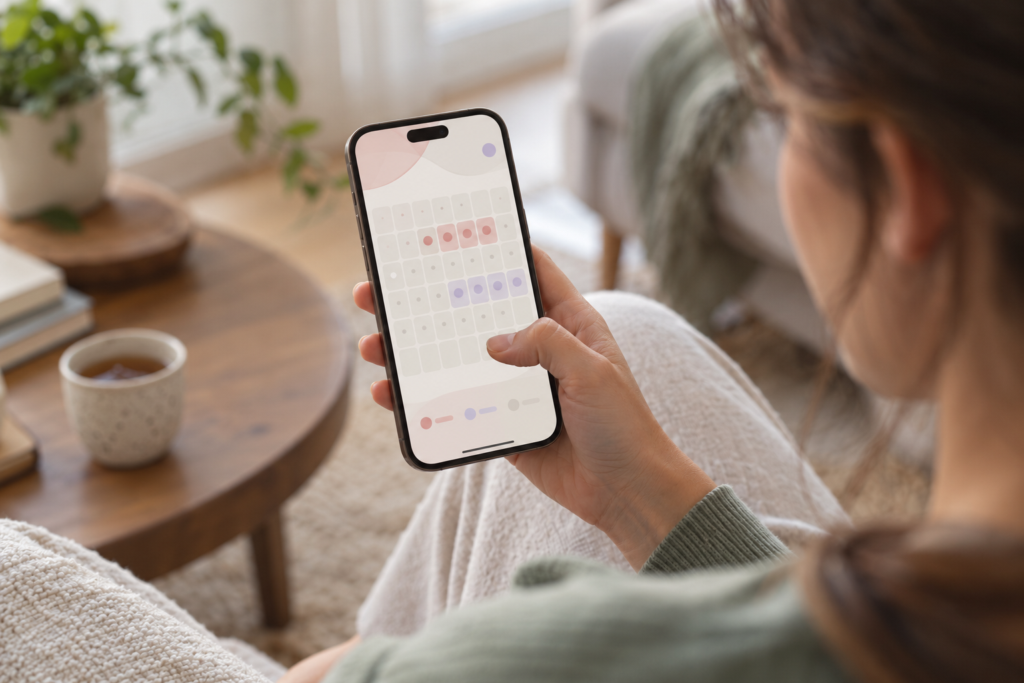
PMDD is a severe form of premenstrual syndrome. During the second half of the menstrual cycle, after ovulation, the brain reacts more intensely to normal hormone changes. Although hormone levels are typically normal, the body becomes more sensitive. This heightened sensitivity can lead to symptoms such as irritability, anger, deep sadness, hopelessness, anxiety, mood swings, crying, feeling overwhelmed, difficulty concentrating, fatigue, sleep disturbances, food cravings, as well as physical issues like bloating and breast tenderness. These symptoms generally improve a few days after your period begins and are mostly gone within the following week. PMDD can impact relationships, work, and self-esteem, and it is a recognized medical condition.
Can Acupuncture Treat PMDD?

Acupuncture by itself cannot cure PMDD or change the brain’s hormonal response; however, it can relieve many symptoms that make premenstrual weeks difficult, such as irritability, anger, anxiety, low mood, sleep problems, headaches, breast tenderness, bloating, and fatigue. Many women find that regular acupuncture sessions help them manage these weeks better, leading to fewer outbursts and a stronger sense of control. Nonetheless, acupuncture works best when used alongside other medical treatments that are supported by strong evidence for PMDD.
How Acupuncture Can Help
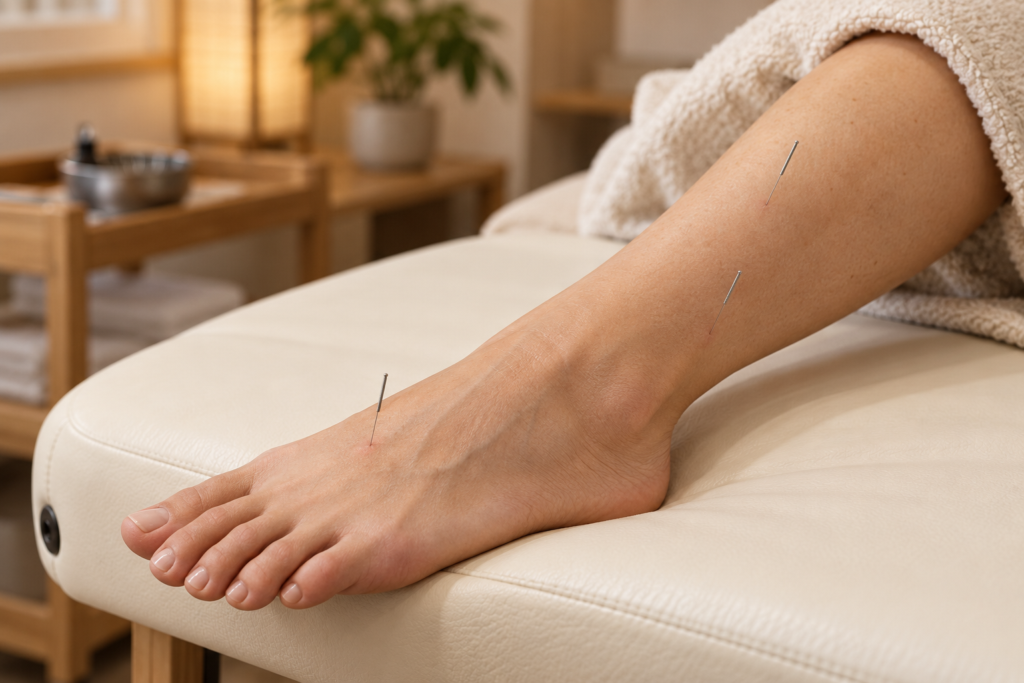
Acupuncture may alleviate PMDD primarily by calming the nervous system. Many individuals report feeling less stressed and more relaxed following treatments. Studies indicate that acupuncture can influence stress hormones and brain chemicals, such as serotonin, which plays a key role in PMDD. It also helps reduce physical symptoms like headaches, breast tenderness, bloating, and cramps. It can also improve sleep quality, making mood management easier. Because PMDD symptoms fluctuate each month, treatment can be strategically scheduled to support you before and during your most challenging days.
What the Research Shows
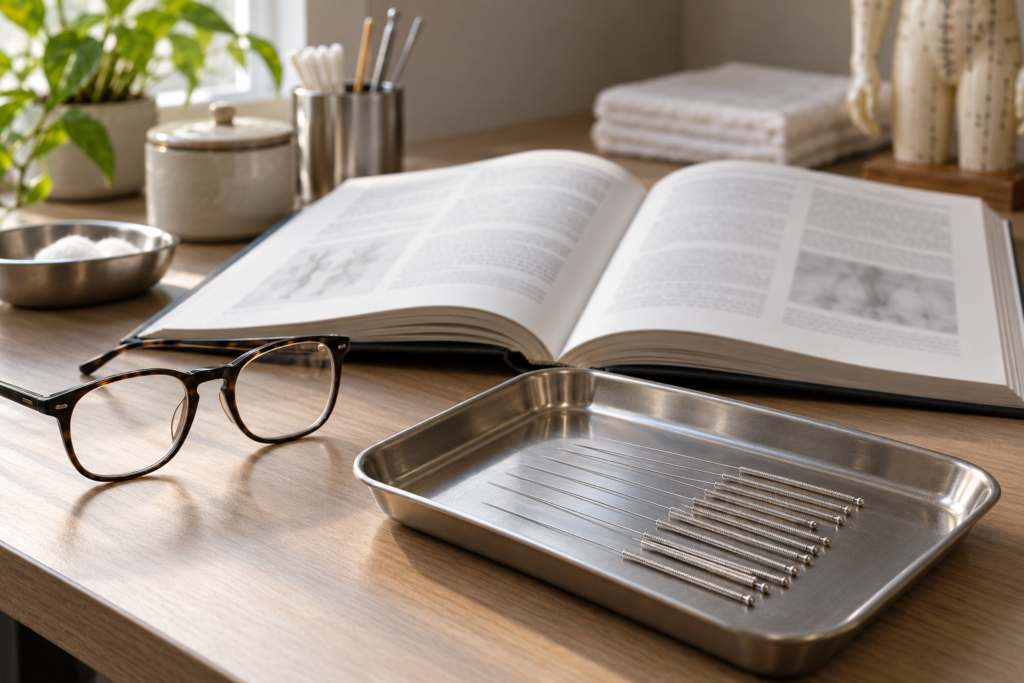
A Cochrane review indicated that acupuncture and acupressure could alleviate both physical and emotional symptoms of premenstrual syndrome compared to placebo treatments. There have been a few small studies that specifically examined PMDD. Overall, the evidence suggests acupuncture is a safe, reasonable supplementary option for premenstrual mood issues, but it should not replace treatments with stronger supporting evidence for PMDD, such as specific antidepressants, hormonal therapies, and counseling.
How Traditional Chinese Medicine Sees PMDD

In Traditional Chinese Medicine, PMDD is often associated with the Liver, which plays a key role in maintaining the smooth flow of Qi, Blood, and emotions, especially prior to your period. When Liver Qi becomes stagnant, it can lead to emotional buildup, resulting in irritability, tension, breast tenderness, and rib cage tightness. If this stagnation transforms into heat, symptoms like anger, a quick temper, headaches, and flushing may occur. The Heart is regarded as the residence of the Shen, or mind and spirit; when unsettled, it can cause anxiety, sleep issues, or emotional lability. A weakened Spleen may lead to bloating, cravings, and fatigue, while low Blood can cause low mood and tearfulness. Practitioners tailor treatments to promote the flow of Liver Qi, cool excess heat, soothe the Shen, and nourish Blood based on each patient’s specific pattern.
What to Expect From Treatment
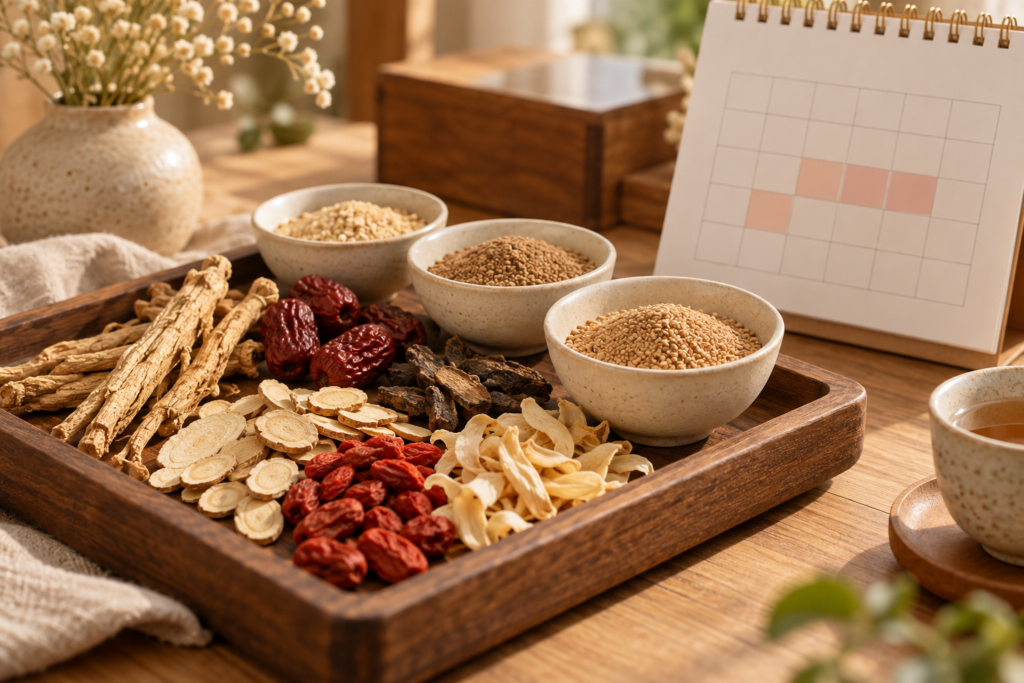
During your initial visit, you’ll discuss your cycle, symptoms, their timing, sleep, digestion, stress, and medications. Tracking these details beforehand helps. Treatment typically begins with weekly sessions aligned with your cycle, emphasizing the week before symptoms start. Since PMDD follows a monthly cycle, most patients need about three cycles to evaluate the treatment’s effectiveness. Many report improvements in sleep and physical symptoms early on, with mood changes appearing later. Additionally, tailored Classical Chinese herbal formulas for stagnation of Liver Qi are often recommended after careful review to ensure they don’t conflict with your medications, including antidepressants.
Acupuncture Alongside Medical Care

The most effective way to manage PMDD involves combining various treatments. Medical options such as certain antidepressants can be helpful, even if taken only during premenstrual weeks, along with hormonal therapies and cognitive-behavioral therapy. Healthy daily habits can also significantly improve symptoms: regular exercise, good sleep, balanced meals, and reduced caffeine, alcohol, and sugar intake. Planning lighter schedules on difficult days can help. Between appointments, at-home acupressure can relieve anger or anxiety. Always continue any prescribed medication and inform your doctor and acupuncturist about all treatments you’re using.
When to See a Doctor

A doctor should diagnose PMDD, typically by monitoring your symptoms over at least two menstrual cycles. Consult your healthcare provider if premenstrual symptoms affect your relationships, work, or daily activities, or if your mood does not improve after your period begins (which could indicate depression or another issue), or if your symptoms intensify. If you ever consider self-harm or ending your life, contact or text the 988 Suicide and Crisis Lifeline immediately, call 911 if you’re in urgent danger, and inform your doctor. Acupuncture can complement PMDD treatment but should be used alongside appropriate medical care.
Above and Beyond Acupuncture offers acupuncture, cupping, and lifestyle coaching at the North Frank Lloyd Wright Boulevard location in Scottsdale.
Schedule an appointment online to start your healing journey.

About the Publisher
Paul Kerzner, L.Ac., is a licensed acupuncturist and board-certified herbalist, as well as the founder of Above and Beyond Acupuncture in Scottsdale. His own journey from chronic patient to practicing acupuncturist shapes his commitment to providing honest, clinically grounded information about acupuncture and Traditional Chinese Medicine. Learn more about Paul and his clinical approach on the About Us page.