Key Takeaways
- Acupressure mats are foam pads covered with thousands of small plastic spikes that press into the skin over a large area of the back, neck, or feet.
- Small randomized trials have found that regular use can reduce chronic neck and lower-back pain, especially when combined with exercise.
- A 2024 study found that a mat did not reduce stress more than simple relaxation without one among healthy students, suggesting the benefits are clearest for pain and muscle tension.
- In Traditional Chinese Medicine, a mat gently stimulates multiple points along the spine at once, helping move Qi and Blood across the back instead of targeting individual points.
- Start slowly, protect any broken or fragile skin, and talk with a doctor first if you are pregnant, have diabetes or neuropathy, bruise easily, or take blood thinners.
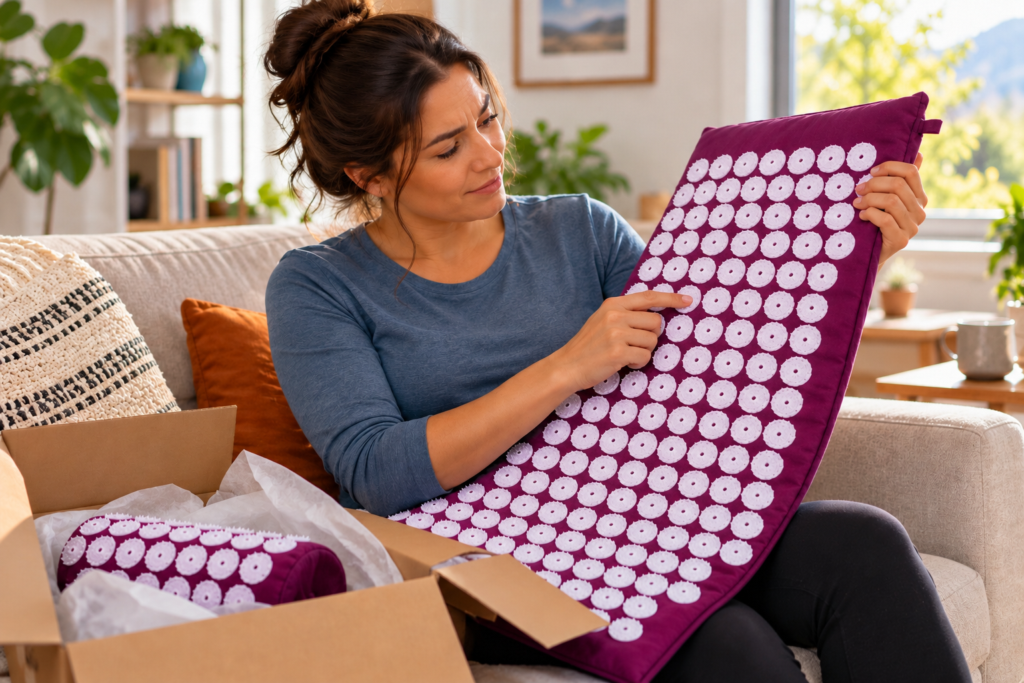
At first glance, acupressure mats might look like stage props: foam pads covered in thousands of tiny plastic spikes. Despite their unusual appearance, these mats have become popular home wellness tools. They’re sold in pharmacies, sporting goods stores, and many online shops, often advertised as helping with pain, sleep, stress, and energy.
This concept has existed for a long time. The practice of lying on a bed of nails dates back to Indian traditions, and today’s mats are based on that idea. Modern mats distribute pressure across thousands of small points, so after a short adjustment, most people can lie on them comfortably. The sharp, prickling sensation usually fades within a minute or two, giving way to warmth and tingling.
Popularity alone doesn’t prove something works. Products that are enjoyable, affordable, and easy to find can become widespread even when they fail to deliver on their promises. If you’re considering trying a mat, it’s reasonable to ask: what does the research actually say, and what can you realistically expect from using one?
The truth is a little more encouraging than skeptics might expect, but less impressive than the marketing claims suggest. In the sections below, you’ll learn how these mats work, what research has found, how to use them safely, and who should avoid them.
What is an Acupressure Mat?
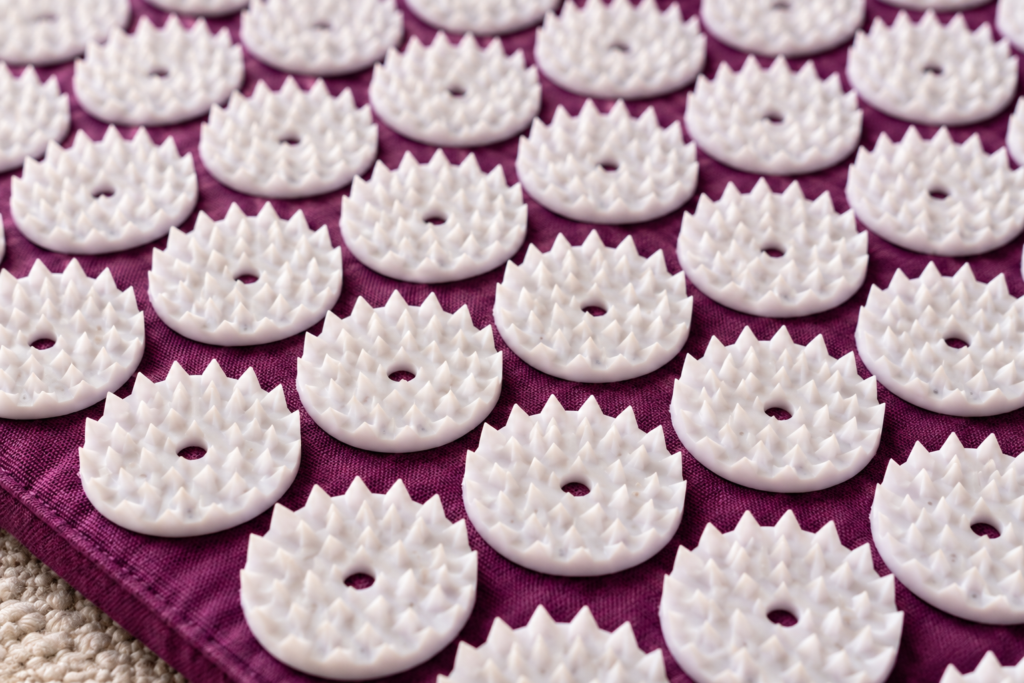
An acupressure mat is a foam pad, usually about half the length of a yoga mat, covered with rows of small plastic discs. Each disc has dozens of short spikes, giving a typical mat thousands of pressure points. For example, one research mat had 6,210 plastic points, each about five millimeters tall and spaced five millimeters apart. Many mats also come with a matching neck pillow, and some people stand on them to massage their feet.
These mats are also known as spike mats or bed-of-nails mats, and are often sold under well-known brand names. Their spikes press firmly against the skin without breaking it, distributing pressure across a large area rather than concentrating it at a few points. This distinction affects what the mat can and cannot do.
How Acupressure Mats Are Believed to Work
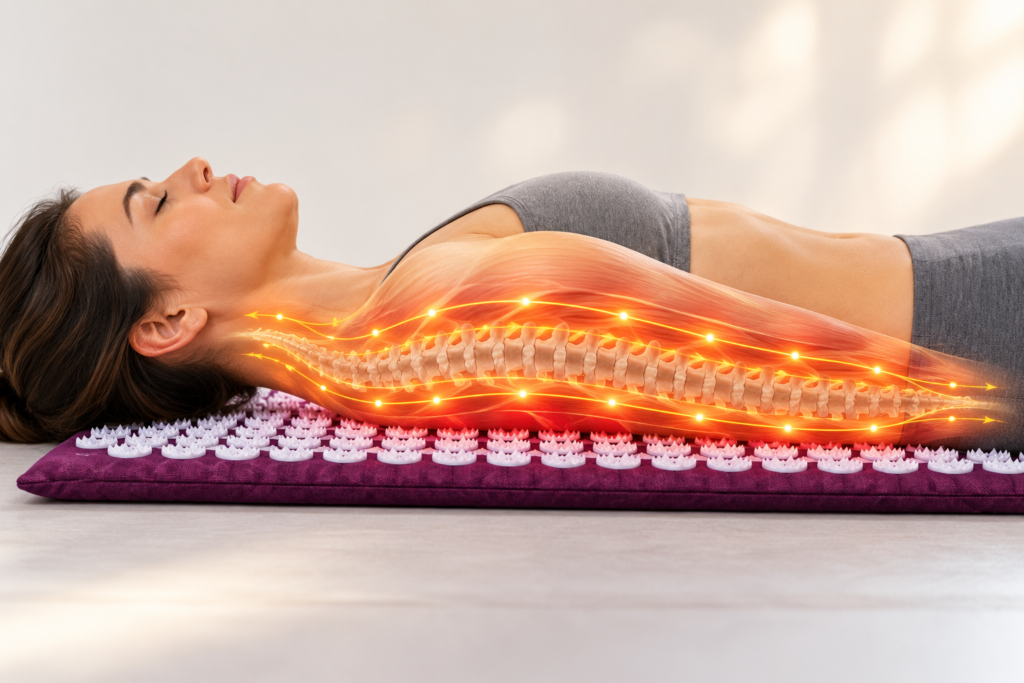
Several explanations are possible, and they likely work together. The first involves how the body experiences pain. Firm, steady pressure over a large area of skin sends consistent touch signals to the spinal cord, which can dampen pain messages from deeper tissues. This is known as the gate control theory of pain, and it helps explain why rubbing a bumped elbow can ease the pain.
The second explanation focuses on circulation. One study found signs of increased circulation in the skin of the back during mat use, and the resulting warmth may help relax tight muscles. The third explanation involves the nervous system. Lying on the mat may feel mildly stressful at first, but as your body adjusts, you may feel both alert and relaxed. This may explain why many people say they feel calm and clear after using it.
In Traditional Chinese Medicine, placing a mat along your spine applies pressure to the Governing Vessel, which runs up the center of your back, and the adjacent Bladder channel, where the back transport points connect to each organ. Rather than pressing firmly on just one or two points, the mat gently stimulates many points at once, helping move Qi and Blood throughout your back. This makes it a general tool for easing tension and stagnation, rather than a targeted treatment.
What the Research Shows

Although acupressure mats have received less study than some other self-care tools, several studies offer useful insights.
The strongest evidence concerns chronic neck and back pain. In two randomized pilot studies published in Evidence-Based Complementary and Alternative Medicine, researchers assigned 40 people with chronic neck pain and 42 with chronic low back pain either to use a needle stimulation pad at home for 14 days or to join a waiting list. Compared with the waiting-list groups, participants using the pad reported significantly lower pain ratings and less pressure sensitivity at the most painful spot. Neck-related disability also improved, but back-related disability did not.
A 2021 randomized controlled trial published in Applied Sciences examined longer-term use. All 44 adults with chronic low back pain followed the same exercise program, while half also spent 60 minutes a day lying on an acupressure mat. After six months, average pain in the mat group had fallen by nearly half, from 50 to about 26 on a 100-point scale, compared with a decrease from about 53 to 43 in the exercise-only group. Quality of life improved significantly more among those using the mat. However, the between-group difference in pain did not quite reach statistical significance, and the authors noted the study’s small size and lack of a placebo mat.
An exploratory study published in the Journal of Alternative and Complementary Medicine examined the body’s responses during a session. Among 32 healthy adults, discomfort from the spikes peaked in the first 30 seconds, then steadily eased as their bodies adjusted. While participants were on the mat, they had a slower heart rate, more heart rate variability associated with relaxation, signs of increased circulation in the back, and somewhat higher blood pressure. Salivary levels of the stress hormone cortisol remained unchanged.
Stress relief is one of the most common claims, but the evidence is mixed. In a 2024 study published in Applied Psychology: Health and Well-Being, healthy university students practiced relaxation for three weeks, either using an acupressure mat or without any tools. Both groups reported reduced stress, improved well-being, and better sleep, but the mat group saw no greater benefits than those who simply relaxed. The researchers suggested that acupressure mats may be most beneficial for specific issues, such as tension and pain, rather than for healthy people seeking general relaxation.
Overall, research suggests that acupressure mats may help relieve chronic neck and back pain, particularly when paired with exercise, and are generally safe. For healthy people seeking less stress or better sleep, the benefits may come largely from setting aside time to lie down, breathe, and rest, with the mat helping make that a regular habit.
What Acupressure Mats Can and Cannot Do
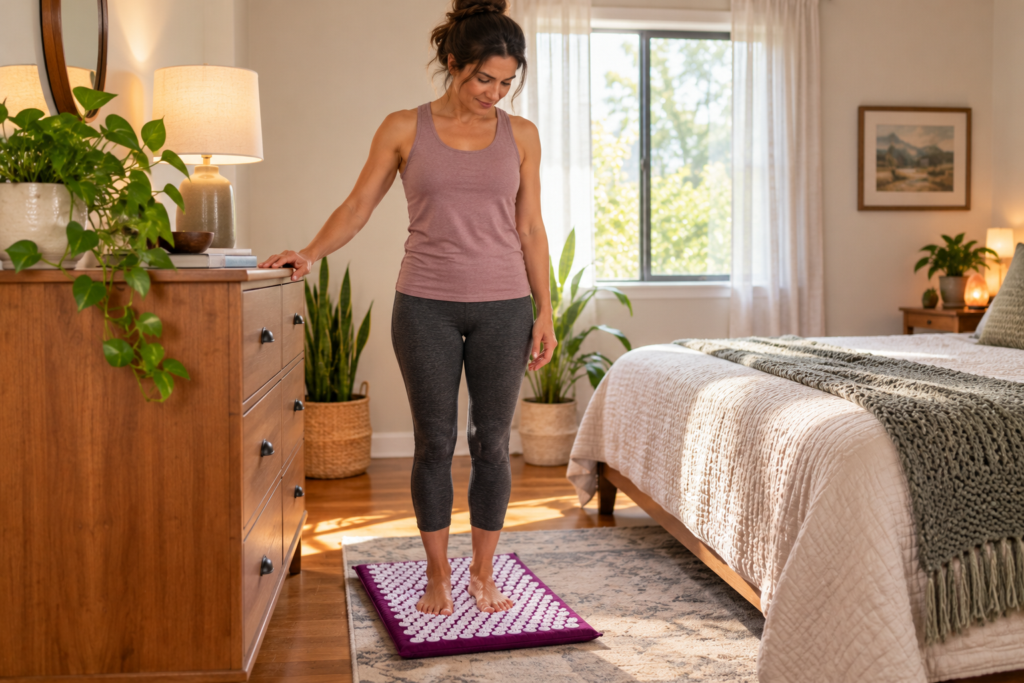
Think of a mat as a simple, affordable tool for easing muscle tension and persistent aches, especially in the upper back, lower back, and neck. Many people also use it as a reminder to pause, lie down, and breathe for 15 to 20 minutes, which can be helpful in itself. Standing on the mat can refresh tired feet, and some people use it before bed to relax.
A mat can’t replace a medical diagnosis or address the root causes of pain, such as a herniated disc, arthritis, or nerve issues. Claims that mats detoxify the body, cure insomnia, boost metabolism, or treat diseases aren’t supported by evidence. Mats also can’t replicate targeted acupressure. Because they apply light pressure to thousands of spots, they can’t focus on the specific points Traditional Chinese Medicine uses for certain problems, such as PC6 for nausea or LI4 for headaches.
How to Use an Acupressure Mat Safely
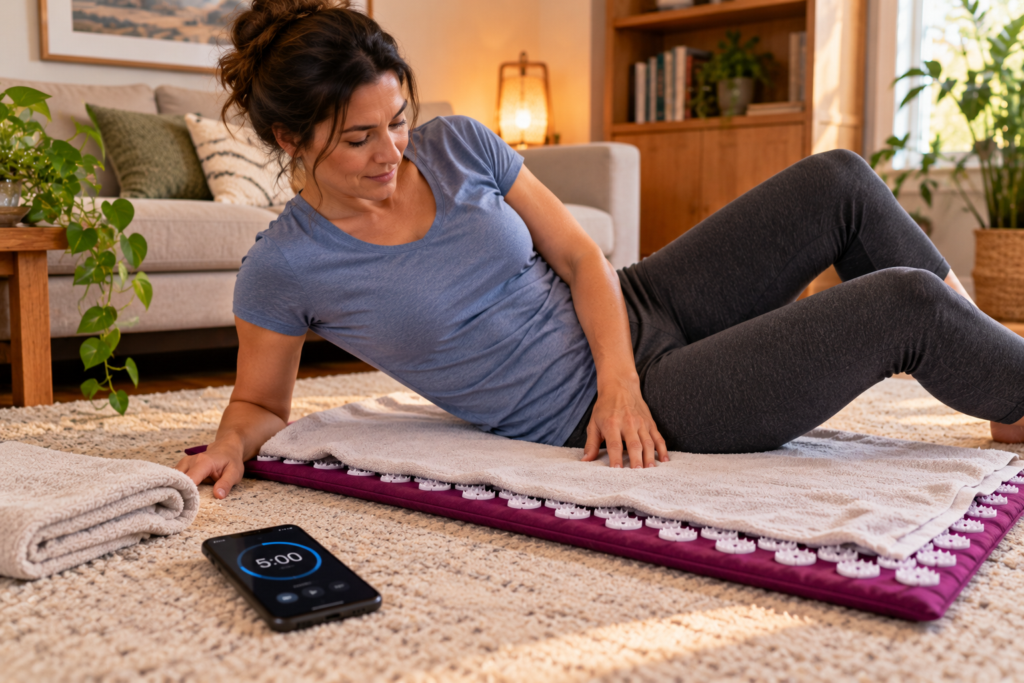
It’s common to feel uncomfortable in your first few sessions. Taking it slowly can make the experience much easier.
- Wear a thin shirt or place a thin towel over the mat for the first few sessions, then move to bare skin as you adjust.
- Lower yourself slowly onto the mat so your weight spreads evenly, rather than dropping onto it.
- Begin with 5 to 10 minutes and build gradually toward 20 to 30 minutes over several weeks.
- Breathe slowly during the first minute, as the prickling sensation typically subsides into warmth.
- For a gentler experience, place the mat on a bed or sofa rather than on the floor.
- Use the pillow under the neck, or stand on the mat for one to two minutes to work the soles of the feet.
- Roll onto your side before getting up, and rise slowly, especially if you feel lightheaded.
Temporary redness and small spike marks are common and usually fade within an hour. Stop using the mat if your skin breaks, you bruise, or the pain worsens instead of easing. Keep the mat clean and place it on a stable surface.
Who Should Avoid Acupressure Mats
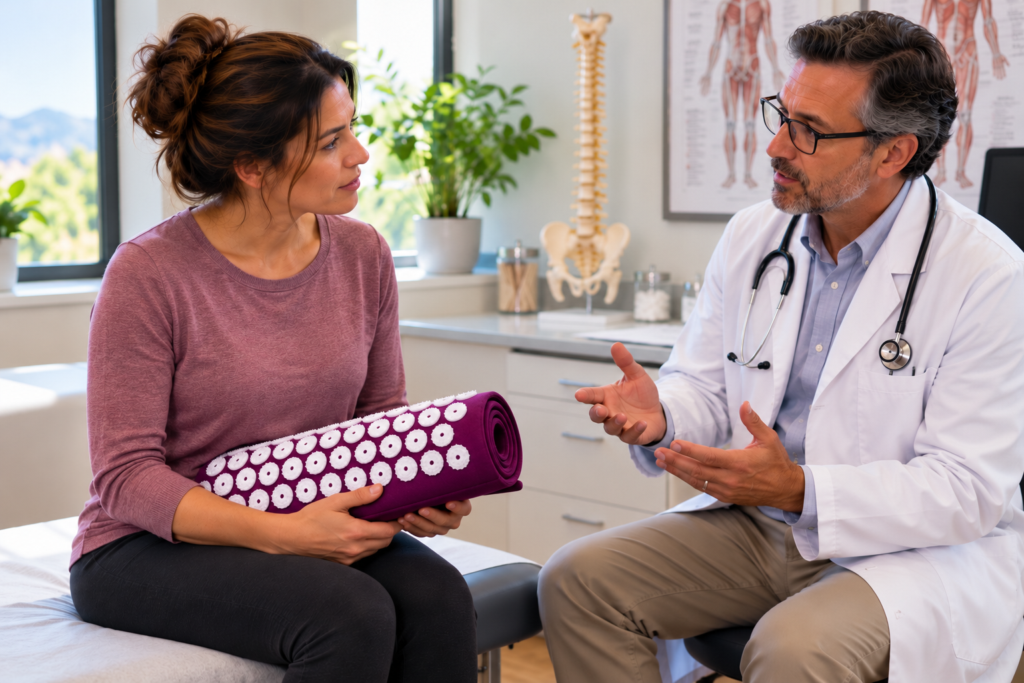
Don’t use the mat on areas with broken skin, wounds, burns, rashes, active eczema or psoriasis, varicose veins, or recent surgical incisions. If you have diabetes or peripheral neuropathy, take extra care, especially when standing on the mat, because reduced sensation can hide skin problems. If you bruise easily, take blood thinners, or have a bleeding disorder, check with your doctor first. Pregnant women should avoid lying on the mat over the lower back and sacrum and talk to their provider before using it. Mats aren’t recommended for young children, people with very fragile skin, or anyone who can’t get up from the floor without help. If you have low blood pressure or tend to feel faint, get up slowly after each session.
Acupressure Mat or Targeted Acupressure?
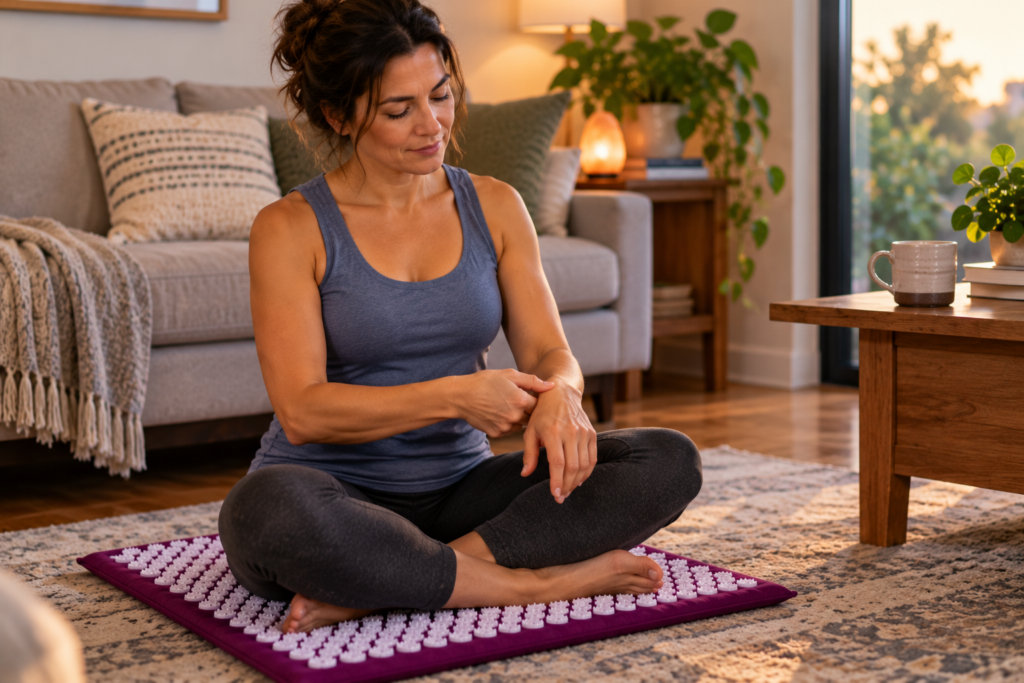
Mats and hands-on acupressure serve different purposes, and each has its place. A mat provides general stimulation with little effort, making it useful for widespread muscle tension and relaxation. Targeted acupressure applies firm, steady pressure to specific points for particular concerns, such as nausea, headaches, sleep, or digestion. Many people find the two complement each other: spend a short time on the mat to release back tension, then press a few points suited to the concern at hand.
To learn what the research shows about pressing specific points, read does acupressure really work.
When to Get Professional Help
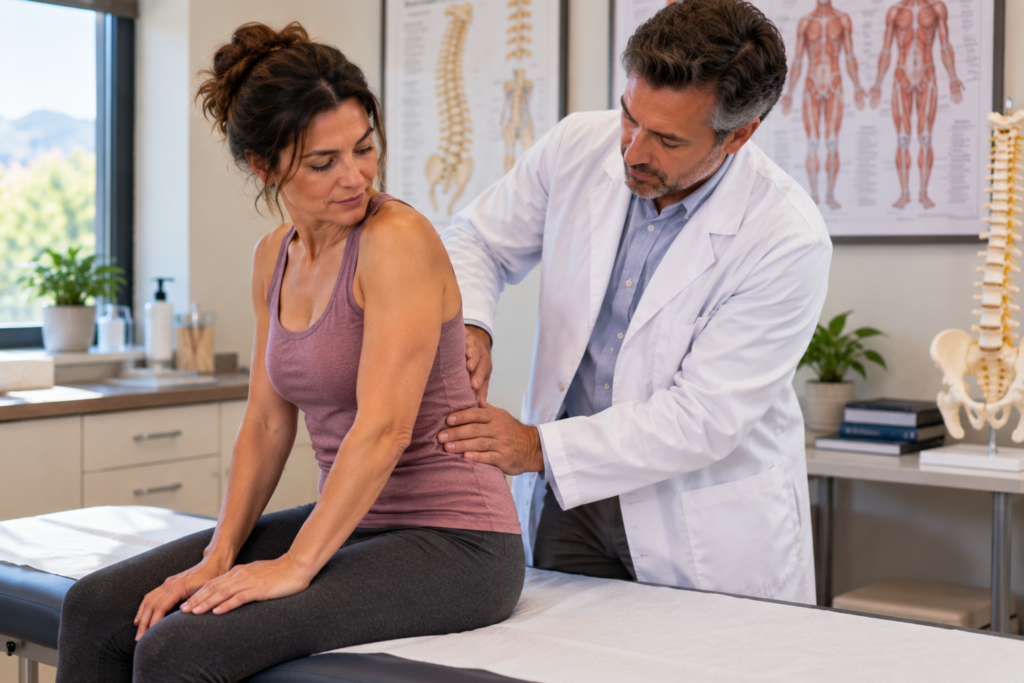
See your doctor if back or neck pain lasts more than a few weeks, gets worse, wakes you at night, or follows a fall or injury. Seek medical help right away if the pain is accompanied by numbness, tingling, or weakness in your arms or legs, unexplained weight loss, fever, or a history of cancer. Go to the emergency room if you lose bladder or bowel control or feel numbness in your groin or inner thighs, as these may signal a serious nerve problem. Stop using the mat and have the skin checked if it breaks, becomes red and warm, or appears infected.
An acupressure mat can gently support relief from muscle tension and everyday aches, but it should not replace a diagnosis or medical care.
For related health concerns, acupressure for upper back pain, acupressure for neck pain, and how to relieve low back and hip pain with acupressure are companion pieces. If stress is the main reason for reaching for a mat, learn about acupressure for stress.
Above and Beyond Acupuncture offers acupuncture, cupping, and lifestyle coaching at the North Frank Lloyd Wright Boulevard location in Scottsdale.
Schedule an appointment online to start your healing journey.
About the Publisher
Paul Kerzner, L.Ac., is a licensed acupuncturist and board-certified herbalist, as well as the founder of Above and Beyond Acupuncture in Scottsdale. His own journey from chronic patient to practicing acupuncturist shapes his commitment to providing honest, clinically grounded information about acupuncture and Traditional Chinese Medicine. Learn more about Paul and his clinical approach on the About Us page.