Key Takeaways
- Acupressure has solid evidence supporting its use in relieving nausea, managing chronic pain, and reducing anxiety, although certain areas still need further research.
- Acupressure’s biological effects involve regulating the nervous system, releasing endorphins, and enhancing circulation.
- Acupressure differs from acupuncture because it applies pressure rather than needles, allowing for easy home practice.
- Institutions such as the NIH and leading medical centers acknowledge acupressure as an accepted form of complementary therapy.
- The current research endorses acupressure as an evidence-based approach, offering patients accessible self-care options.

If you’re thinking about trying acupressure but wondering if it really works, you’re asking a great question. It’s always wise to review verifiable information about what the research shows before trying something new. Acupressure has been practiced for thousands of years in many different cultures, and modern studies are catching up with what practitioners have known for generations. The honest truth is that acupressure has strong evidence supporting some uses, moderate evidence for others, and mixed results for a few applications that need more research.
This article shares scientific insights about acupressure. It focuses on what research has shown, not marketing claims or overpromising. It addresses skeptics who haven’t looked at the latest research, offering an honest, clear picture of what we know, what’s been proven, and what still needs further study.
How Does Acupressure Work Biologically?
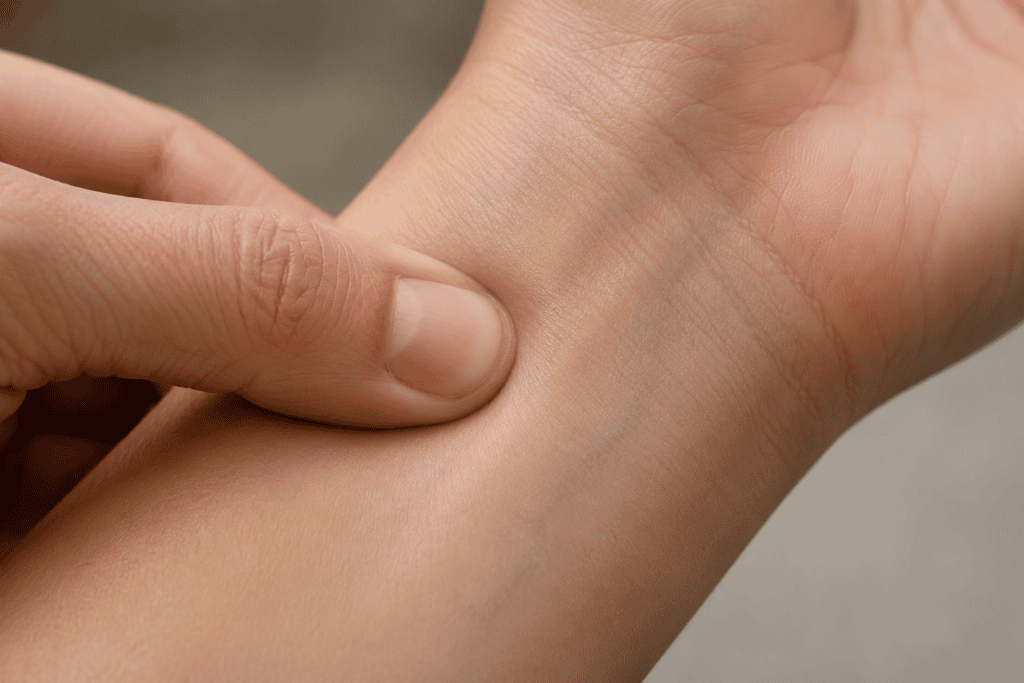
Before diving into research on specific conditions, it helps to understand how acupressure works at a biological level. This understanding makes it easier to interpret the findings and see the bigger picture.
- Nervous system regulation. Acupressure activates the parasympathetic nervous system, which shifts the body from stress response to rest and recovery mode. This produces measurable effects on heart rate variability, cortisol levels, and stress hormone patterns.
- Endorphin release. Sustained pressure at specific points stimulates the release of endorphins and other natural pain-relieving chemicals. This produces both immediate relief and reduces pain sensitivity over time.
- Improved local circulation. Pressure at specific points increases blood flow to the area, which supports tissue healing and reduces pain patterns.
- Fascia and connective tissue effects. Pressure affects the fascia and connective tissue in ways that reduce muscle tension and support tissue mobility.
- Neurotransmitter effects. Serotonin, GABA, and other neurotransmitters shift in response to acupressure, which contributes to the mood, sleep, and anxiety effects patients experience.
- How acupressure differs from acupuncture. Acupressure works through sustained pressure rather than needle insertion. This produces similar effects but generally somewhat less pronounced than acupuncture in head-to-head comparisons. The distinction matters because it explains why acupressure is genuinely effective as a home practice even though acupuncture produces stronger effects for the same conditions.
Where the Evidence for Acupressure is Strongest
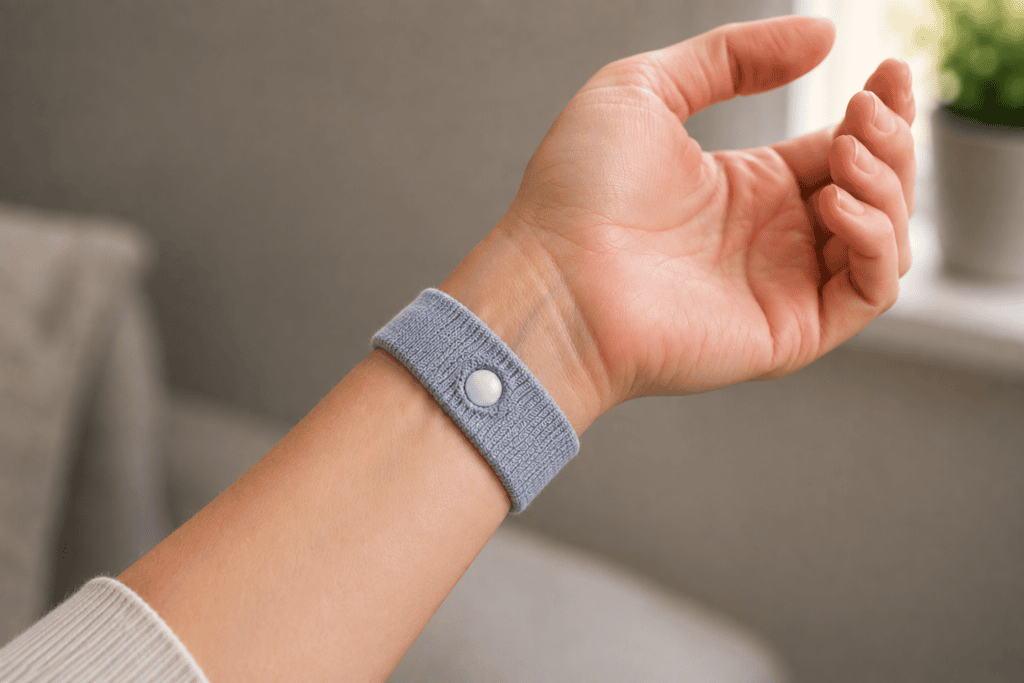
Some acupressure methods are backed by solid research, making them especially effective options:
- PC6 for nausea and vomiting. This is the strongest evidence area for any acupressure application. Multiple systematic reviews have documented PC6 acupressure effective for chemotherapy-induced nausea, postoperative nausea, motion sickness, and pregnancy-related nausea. The research is substantial enough that pressure wristbands targeting PC6 are widely available and used in clinical settings including cancer centers and hospitals.
- Chronic pain conditions. Research supports acupressure for various chronic pain conditions. Low back pain, chronic headaches, menstrual pain, osteoarthritis pain, and neck pain all have documented benefits from acupressure. Effect sizes are moderate but consistent across studies.
- Anxiety and stress. Studies have documented acupressure reducing anxiety symptoms across various clinical settings. Preoperative anxiety, procedure-related anxiety, exam anxiety, and general anxiety all respond to acupressure practice.
- Sleep issues. Research supports acupressure for insomnia and sleep disturbances, particularly in elderly patients and patients with chronic conditions that affect sleep.
- Cancer treatment support. Beyond nausea specifically, acupressure has research support for cancer-related fatigue, hot flashes in patients with cancer, and general quality of life outcomes during treatment.
- Labor support. Acupressure at specific points during labor has research support for reducing labor pain, shortening active labor, and reducing the need for medical interventions.
- Fatigue. Studies have documented acupressure reducing fatigue in various patient populations including chronic fatigue syndrome, cancer-related fatigue, and dialysis-related fatigue.
The NCCIH summary on acupuncture provides an overview of the evidence supporting acupuncture, including the closely related acupressure methods from the National Institutes of Health’s perspective.
Where the Evidence for Acupressure is Moderate
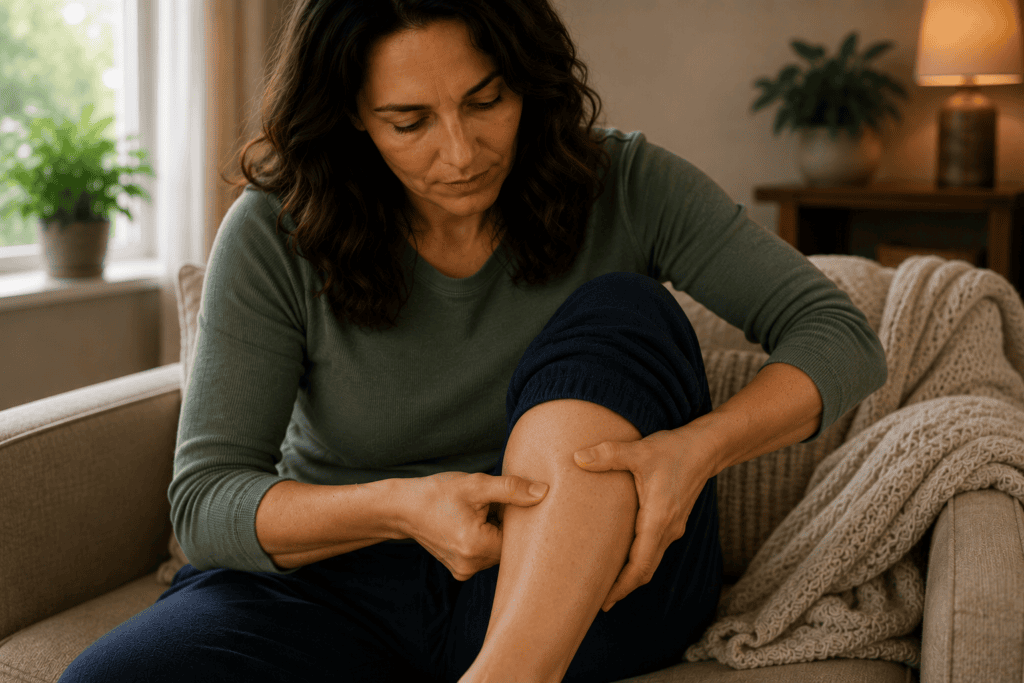
Some applications have shown moderate evidence supporting acupressure, suggesting it may be helpful in certain cases:
- Digestive symptoms. Constipation, functional dyspepsia, and some IBS symptoms have research support though studies are smaller than the strongest evidence areas.
- Menopausal symptoms. Hot flashes and other menopausal patterns have documented improvements from acupressure practice.
- Headache prevention. Beyond acute headache treatment, regular acupressure practice for headache prevention has moderate evidence.
- Musculoskeletal pain in specific populations. Athletes, workers with repetitive strain, and elderly patients with mobility issues all have research support for acupressure benefits.
- Post-surgical recovery. Acupressure applied during and after surgery has moderate evidence for reducing pain, nausea, and anxiety around the surgical period.
Where the Evidence for Acupressure is Mixed or Limited

Some applications have shown varied research findings or only limited evidence:
- Depression. Some studies show meaningful benefit from acupressure for depression. Other studies show minimal effect. The mixed results likely reflect the wide variation in individual patients and the depth of the depression being addressed.
- Chronic fatigue syndrome. Research shows some benefit but the condition itself remains difficult to treat with any approach.
- Specific autoimmune conditions. Research is limited for specific autoimmune conditions though clinical experience supports certain applications.
- Weight loss. Research on acupressure for weight loss shows modest effects at best. Not a standalone weight loss intervention.
- Smoking cessation. Studies have produced mixed results though many patients find acupressure useful as part of quit programs.
What Does Modern Research Say About How Acupressure Works?
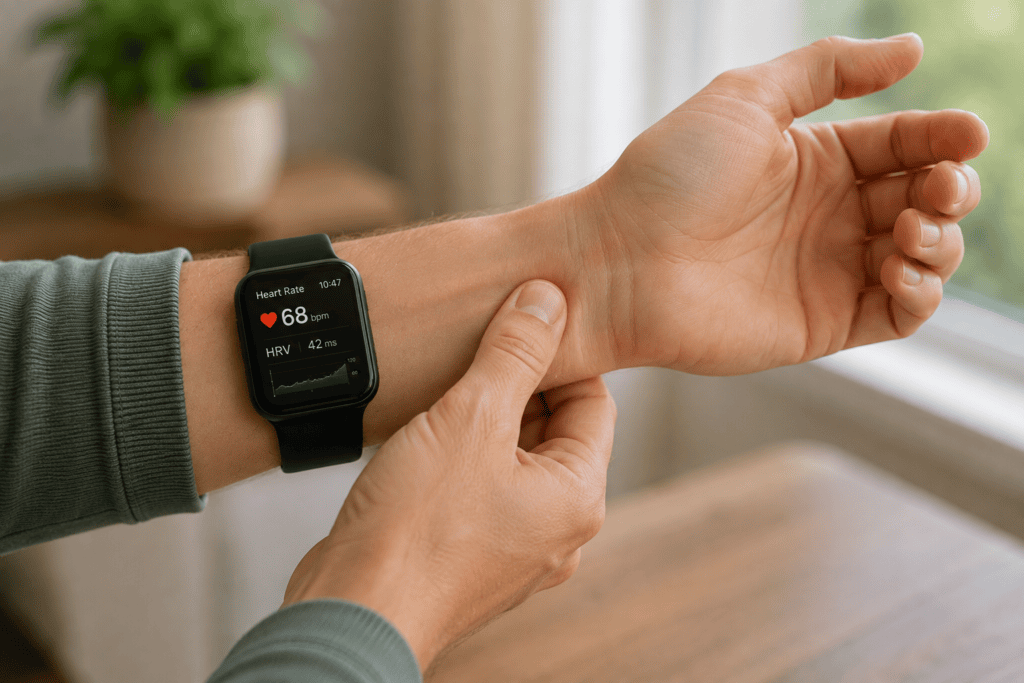
In addition to showing that acupressure is effective for certain conditions, today’s research helps us understand how it actually works.
- Neuroimaging studies. Functional MRI research has documented specific brain region activation patterns during acupressure treatment, particularly in pain processing regions and the limbic system that governs emotional response. This confirms that acupressure produces measurable effects on the brain rather than working through pure placebo.
- Autonomic nervous system studies. Research has documented specific effects of acupressure on heart rate variability, blood pressure regulation, and other markers of autonomic nervous system function. These effects support the parasympathetic activation that many acupressure applications produce.
- Inflammatory marker studies. Research has documented reductions in inflammatory markers following acupressure practice. The chronic inflammation that underlies many conditions responds to the sustained pressure practice.
- Hormonal studies. Research has documented effects on stress hormones including cortisol as well as reproductive hormones relevant to menstrual and menopausal applications.
- Endogenous opioid studies. Research has confirmed that acupressure stimulates endorphin release and other natural pain-relieving compounds.
Why Do Some Acupressure Studies Show Weaker Results?
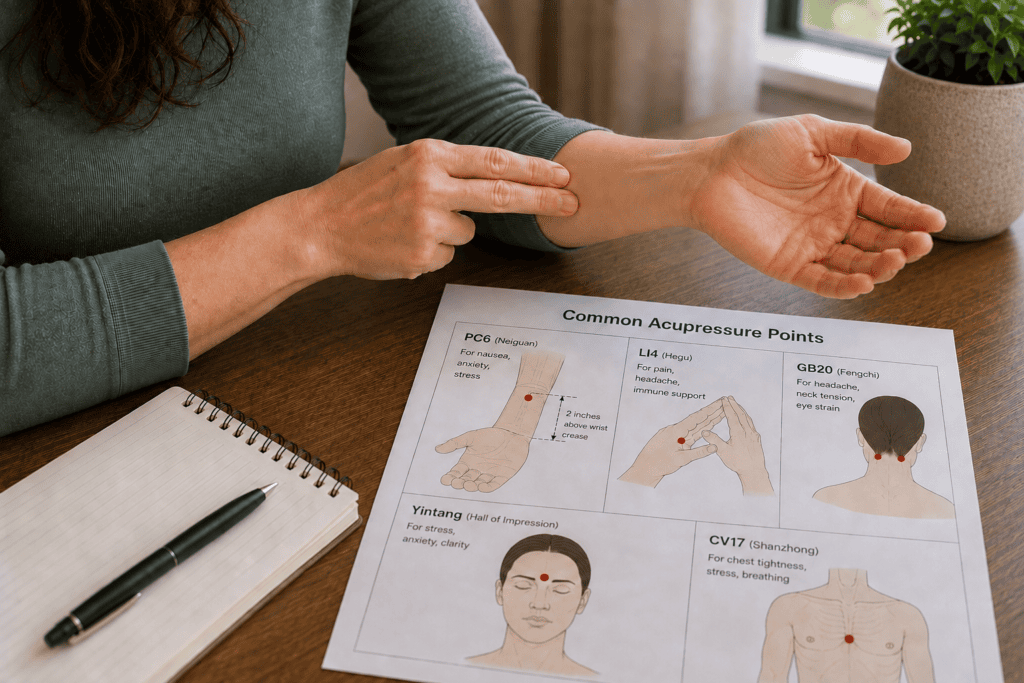
Critics often cite studies with weaker outcomes or effects similar to placebo. Recognizing the reasons behind these results aids in fairly interpreting the research.
- Sham acupressure is not really a placebo. Sham acupressure usually involves pressure at points other than the traditional acupressure points. But pressure at any point on the body produces some physiological effect. The comparison to sham may underestimate the actual effect size of proper acupressure at traditional points.
- Individual variation matters. Different patients respond differently based on constitution, Chinese medicine patterns, and the specific presentation of their condition. Studies that treat everyone with the same protocol may underestimate the effects that individualized practice produces.
- Technique quality varies. The skill of applying acupressure matters. Studies conducted with less experienced applicators or with patients using unfamiliar techniques may show weaker effects than proper trained practice.
- Dose matters. Adequate courses of practice produce better results than single sessions. Studies with limited practice protocols may underestimate the effects of consistent daily practice.
- Compliance matters. Home practice studies depend on patient compliance. Studies where patients do not consistently apply the acupressure show weaker effects than studies where compliance is monitored.
Institutional Recognition of Acupressure

Multiple leading medical and healthcare organizations acknowledge acupressure as a valid form of complementary care.
- The National Institutes of Health has documented acupressure as an effective option for various conditions in complementary and integrative health resources.
- Major medical centers including Memorial Sloan Kettering, MD Anderson, Cleveland Clinic, and Mayo Clinic include acupressure in their integrative medicine programs.
- Cancer centers globally teach patients to use PC6 acupressure for chemotherapy nausea as part of standard supportive care.
- Perinatal support programs in hospitals and birth centers include acupressure in their offerings for labor support.
- Hospice and palliative care programs use acupressure for symptom management in patients unable to tolerate other interventions.
- Insurance coverage for acupressure varies but is expanding as evidence supports the practice.
What is the Honest Interpretation of the Evidence for Acupressure?
The evidence supporting acupressure is quite substantial, though not perfect. Some conditions have been studied more thoroughly than others, and some research has methodological limitations. Some questions remain unanswered, but overall, the findings are encouraging.
Current research supports acupressure as an evidence-based practice for many common conditions. The dismissive claim that acupressure is unproven or merely placebo-based is inaccurate given the existing research. Likewise, the exaggerated claim that acupressure cures everything is not supported by the evidence.
The reality is that acupressure is a credible practice backed by solid research, making it a reasonable option for many conditions. It offers patients accessible methods they can perform at home without medications, side effects, or the need for professional visits. When used alongside professional acupuncture, acupressure helps extend the advantages of clinical treatment into everyday life.
- For patients seeking an overview of the evidence regarding acupuncture, “Is There Any Proof That Acupuncture Actually Works?” reviews the research supporting its professional use.
- For patients seeking a basic understanding of acupressure, “What Is Acupressure?” explains the practice and its background.
- For patients ready to start practicing, ‘Performing Acupressure in 3 Easy Steps‘ provides the simple techniques you need to get started.
- Many patients who try acupressure often find that it helps them feel less anxious, stressed, and depressed. It’s wonderful to see how this gentle practice can bring such comfort and relief to so many.
Above and Beyond Acupuncture offers acupuncture, cupping, and lifestyle coaching at the North Frank Lloyd Wright Boulevard location in Scottsdale.
Schedule an appointment online or call us today to start your healing journey.

About the Publisher
Paul Kerzner, L.Ac., is a licensed acupuncturist and board-certified herbalist, as well as the founder of Above and Beyond Acupuncture in Scottsdale. His own journey from chronic patient to practicing acupuncturist shapes his commitment to providing honest, clinically grounded information about acupuncture and Traditional Chinese Medicine. Learn more about Paul and his clinical approach on the About Us page.