
Key Takeaways
- Acupuncture addresses the root cause of problems, not just symptoms, leading to more comprehensive care.
- It effectively manages difficult conditions like chronic pain, anxiety, and insomnia, particularly when other treatments fail.
- Research supports acupuncture’s effectiveness, gaining recognition from major medical organizations for its efficacy in treating chronic pain.
- Acupuncture treats the whole system, often improving unrelated symptoms alongside the main issue, ensuring personalized treatment.
- Many patients experience lasting results, and while regular treatments may be needed initially, the frequency can decrease with improvement.

If you’ve thought about trying acupuncture but haven’t scheduled an appointment yet, you’re not alone. Many patients spend weeks or even months deciding before their first visit. Most hesitate because they are unsure how acupuncture works, question whether it will help, or simply haven’t made the appointment yet.
Some people avoid acupuncture because it seems like a bigger commitment than it really is. You do not need to understand Chinese medicine, believe in acupuncture, or commit to months of treatment in advance. Your first visit is simply a chance to talk about your concerns, learn how acupuncture might help, and try a treatment for yourself.
You don’t need to discontinue your current healthcare to try acupuncture. Many individuals use it alongside primary care, physical therapy, medication, counseling, exercise, and other treatments. The aim is not to choose between conventional medicine and acupuncture but to select the most suitable options for your needs.
Here are five strong reasons to consider scheduling your initial appointment.
1. Acupuncture Addresses the Root Cause, Not Just the Symptom
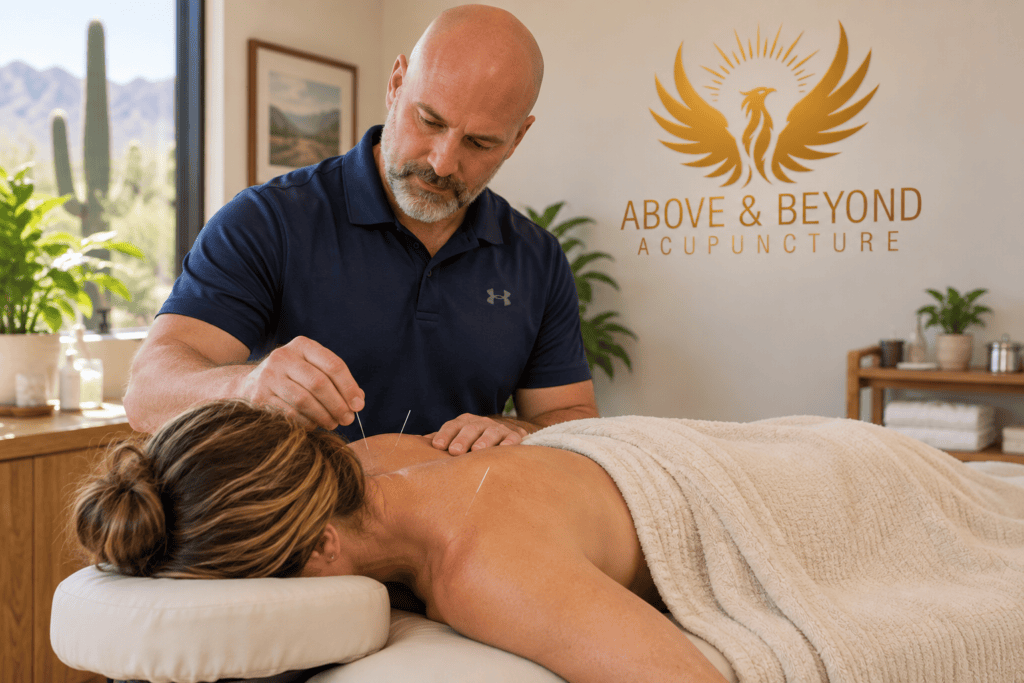
Most conventional medicine treats symptoms. For example, someone with anxiety might get anti-anxiety medication, someone with chronic pain might get pain medication, and someone with insomnia might get a sleep aid. These medications often help quickly, but they do not always address all the factors behind the problem.
Acupuncture takes a different approach by looking beyond the primary symptom to consider other related patterns. For instance, a person with chronic neck pain might receive treatment not only for pain but also for muscle tension, stress, and related issues. Similarly, someone with anxiety might be treated for anxiety along with associated problems like sleep difficulties and chronic stress.
This broader view is particularly crucial when a problem persists for months or years. Chronic symptoms seldom occur in isolation. Pain can disrupt sleep, poor sleep can increase stress, stress may lead to muscle tension, and more tension can intensify pain. Rather than viewing each symptom independently, acupuncture allows the practitioner to see the links between these issues.
2. Acupuncture Works for Problems That Can Be Difficult to Manage

Certain health issues, such as infections, broken bones, emergencies, and surgical conditions, respond effectively to conventional medicine. However, other problems are harder to manage, especially when symptoms become chronic.
Examples include persistent anxiety unresponsive to medication or therapy, ongoing pain despite treatment, sleep disturbances, digestive problems, nerve pain, headaches, and the physical consequences of prolonged stress.
Researchers have also studied acupuncture extensively in these areas. Many individuals turn to acupuncture for these issues after other treatments fail to provide sufficient relief.
This does not imply that acupuncture should replace conventional medical treatment. If you require surgery, antibiotics, emergency services, tests, or other medical interventions, acupuncture should not serve as a substitute. It can be particularly beneficial when the primary medical issue has been addressed but symptoms persist, or when managing a long-term condition that requires ongoing care rather than a quick fix.
3. The Research Is Real & Substantial

This fact often surprises patients who come in feeling doubtful. In recent decades, researchers have studied acupuncture extensively through numerous clinical research projects.
Large studies and meta-analyses provide evidence that acupuncture is effective for various chronic pain types. As a result, major medical organizations and healthcare systems now recognize acupuncture as a non-pharmacological option for certain pain conditions, including chronic low back pain.
Another key advancement is the improved quality of acupuncture research. It is no longer confined to small-scale studies; instead, researchers now employ randomized controlled trials, systematic reviews, meta-analyses, and larger patient populations. While this does not guarantee acupuncture’s effectiveness for all conditions or individuals, it indicates the discussion has progressed beyond simply questioning whether acupuncture is “real.”
Research indicates that acupuncture is particularly effective for chronic musculoskeletal pain, such as low back pain, neck pain, osteoarthritis, and headaches. This effectiveness is a key reason why acupuncture is increasingly combined with traditional pain therapies.
4. Acupuncture Treats the Whole System

This is often the most unexpected reason why first-time patients come in. They may initially seek treatment for one main symptom, but during the process, they may also notice improvements in other areas.
A patient experiencing back pain might notice improved sleep, while someone seeking help for anxiety could see better digestion. Similarly, someone with headaches may feel less tense or have more consistent energy levels.
From a Traditional Chinese Medicine perspective, these changes make sense because symptoms are seen as parts of larger patterns rather than isolated issues. Additionally, contemporary studies examine how acupuncture affects pain, the nervous system, and various bodily functions.
Your licensed acupuncturist might ask about sleep, digestion, stress, menstrual cycles, energy, and other seemingly unrelated symptoms to get a complete picture, rather than focusing only on your main problem, like migraines.
This method also ensures highly personalized treatment. Although two individuals may present with the same complaint, they may receive different acupuncture therapies because of their unique health histories, symptoms, and patterns in Chinese medicine. While diagnosis is important, understanding the individual is equally essential.
5. The Results Can Last

Many believe acupuncture provides only temporary relief that diminishes quickly after the session. However, studies on chronic pain indicate that some patients experience long-lasting improvements beyond the treatment itself.
This does not imply everyone will experience identical results or that acupuncture will heal every chronic issue. Outcomes vary based on the condition, its duration, severity, your overall health, and your response to the treatment.
It’s also important to understand that lasting improvement doesn’t mean you’ll never need more treatments. Acupuncture typically becomes more effective with time. Initial sessions are often scheduled more frequently to build momentum and observe your body’s response. As your symptoms improve, the intervals between treatments can usually be extended.
Some individuals eventually cease treatment, while others opt for occasional maintenance visits after noticing improvements like better sleep, easier stress management, or an overall sense of well-being when acupuncture becomes part of their routine. The aim isn’t to have you return constantly, but to help you reach a stage where treatments are less frequent as you feel healthier.
Where to Start

If any of these reasons resonate with you and you’ve been considering acupuncture, the next step is to consult a practitioner to discuss your specific situation.
Your initial appointment should provide a better understanding of what acupuncture can realistically address, how often you’ll need treatments, and what progress to expect. It also gives you a chance to ask questions about the needles, the treatment experience, and any other concerns that might have prevented you from booking.
You don’t need to be completely convinced before visiting. Just enough curiosity to explore if acupuncture might help you.
Above and Beyond Acupuncture offers acupuncture, cupping, and lifestyle coaching at the North Frank Lloyd Wright Boulevard location in Scottsdale.
Schedule an appointment online to start your healing journey.

About the Publisher
Paul Kerzner, L.Ac., is a licensed acupuncturist and board-certified herbalist, as well as the founder of Above and Beyond Acupuncture in Scottsdale. His own journey from chronic patient to practicing acupuncturist shapes his commitment to providing honest, clinically grounded information about acupuncture and Traditional Chinese Medicine. Learn more about Paul and his clinical approach on the About Us page.