Key Takeaways
- Professional athletes use acupressure for recovery, injury prevention, and stress management.
- Seven key acupressure points target various aspects of athletic recovery: ST36, SP6, LI4, GB34, LR3, KI3, and Yintang.
- These points can improve energy levels, manage pain, support connective tissue, and enhance nervous system recovery.
- Consistent practice of acupressure can significantly benefit athletes’ performance and recovery, but it should complement professional care for serious injuries.
- For optimal results, combine acupressure with good sleep, nutrition, and active recovery routines.
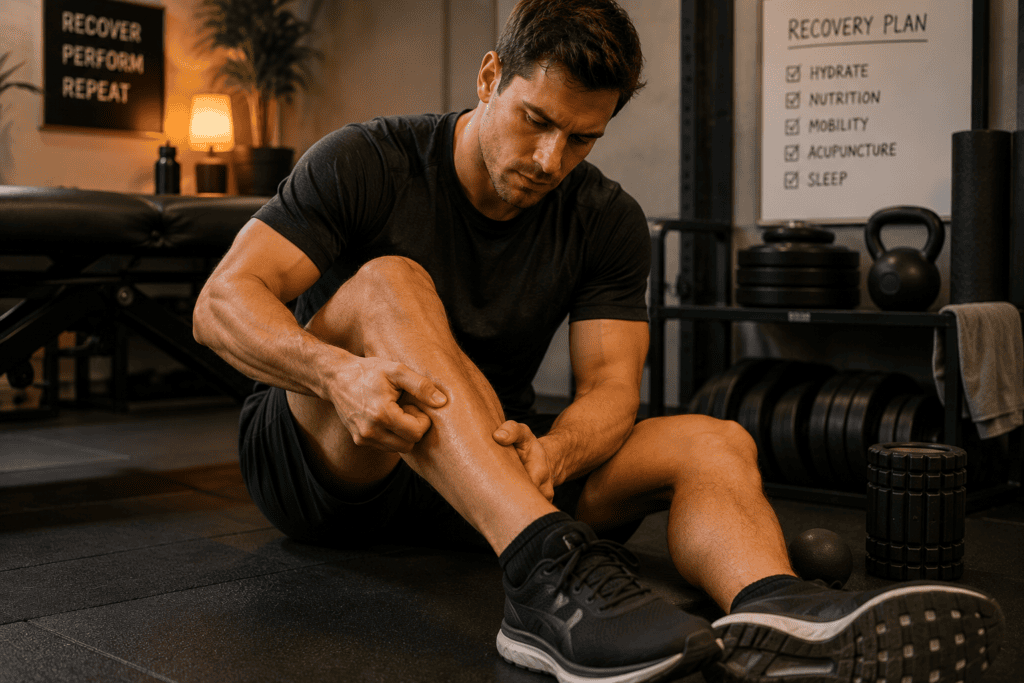
Professional athletes have access to licensed practitioners, sports medicine specialists, and recovery protocols the rest of us do not. What patients can access is the same underlying tradition those athletes rely on. Acupressure is the home practice version of what the pros do in treatment rooms with acupuncture needles. Same points. Same underlying medicine. Different application.
The points below are the ones that support athletic recovery across every major sport. Muscle soreness. Sleep and nervous system recovery. Stress management under pressure. Constitutional support for sustained performance. Injury prevention and healing. These are the patterns professional athletes rely on acupuncture for. They are also the patterns you can address through daily acupressure practice.
For the full picture of which athletes use acupuncture and how, Top Athletes Who Use Acupuncture covers the pros across NBA, NFL, tennis, Olympic sports, and beyond.
Here are seven acupressure points that work for athletic recovery, why they work, and how to use them.
What to Press and Why
Each point addresses a different aspect of athletic recovery. You can use them individually when a specific pattern is dominant or work through the full protocol daily as maintenance.
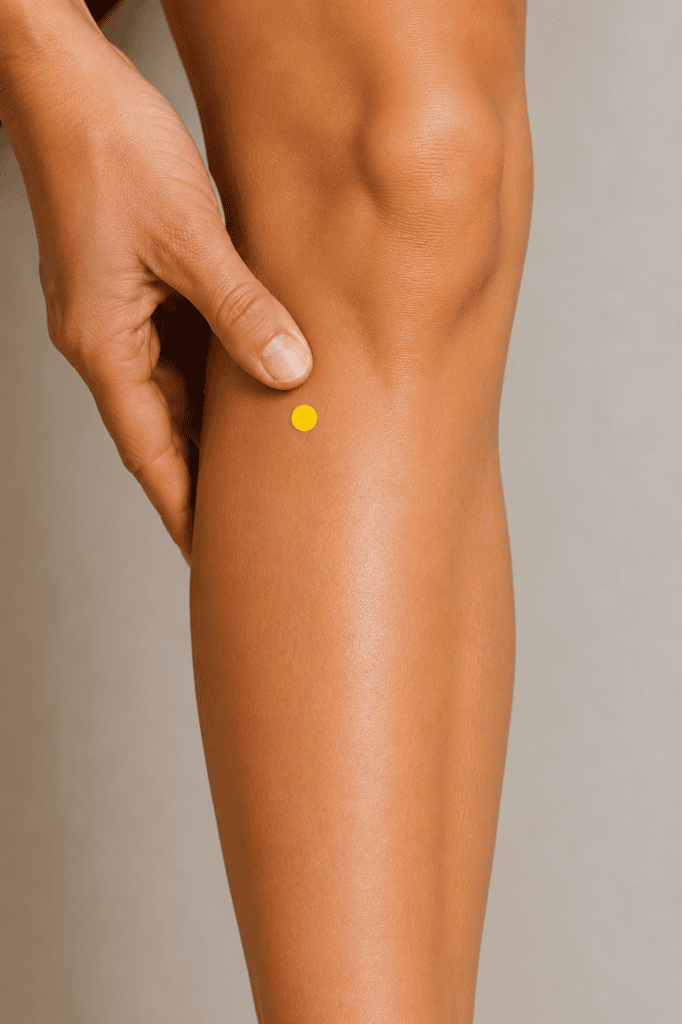
1. Press on ST36 below your knee for the primary recovery point. ST36 sits about four finger-widths below the kneecap, one finger-width to the outside of the shinbone in the muscular depression there. Press firmly with your thumb for one to two minutes on each leg. ST36 is called “Leg Three Miles” because tradition says pressing this point restores enough energy to walk another three miles. It supports overall stamina, digestive function, and recovery from physical exertion. Regular use of ST36 addresses the depleted energy patterns that develop from consistent training.
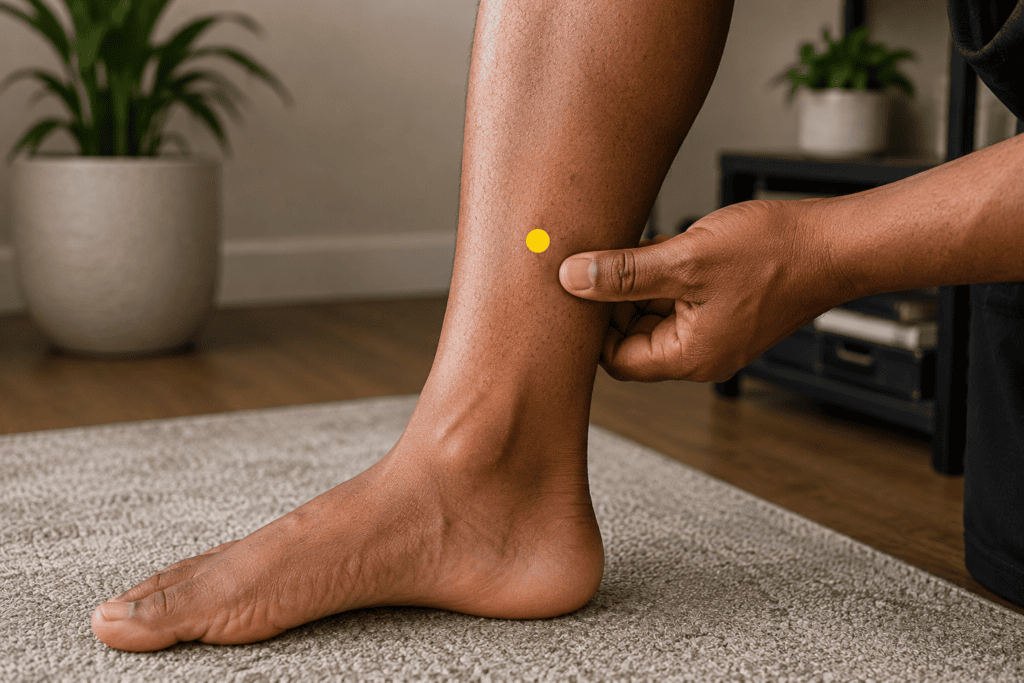
2. Press on SP6 above your inner ankle for the three Yin meeting point. SP6 sits about four finger-widths above the inner ankle bone, just behind the shinbone. Press firmly with your thumb for one to two minutes on each leg. SP6 is called “Three Yin Intersection” and is where the Spleen, Liver, and Kidney meridians meet. Athletes rely on all three of these systems. The Spleen for muscle strength. The Liver for tendons and ligaments. The Kidney for constitutional reserves. SP6 supports all three at once. SP6 is contraindicated during pregnancy.
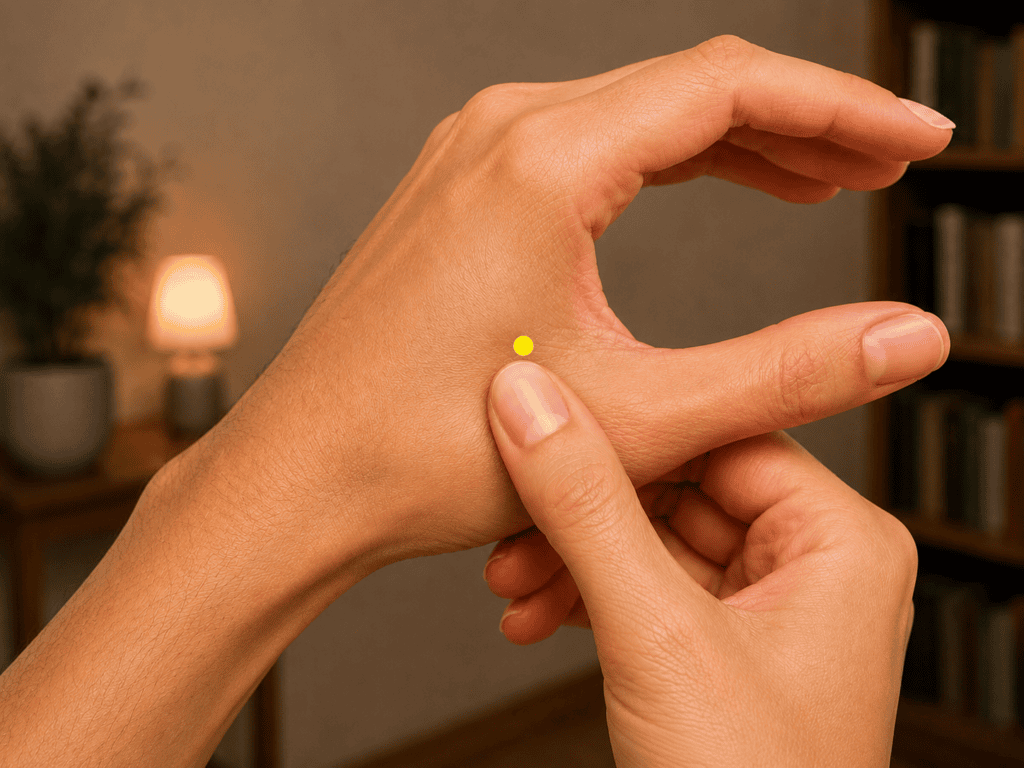
3. Press on LI4 in the webbing between your thumb and index finger for pain relief. LI4 sits in the soft tissue webbing between the thumb and index finger, in the muscle that bulges when the thumb is pressed against the side of the index finger. Press firmly with the thumb of the opposite hand for one to two minutes on each hand. LI4 is the classical command point for pain across the body. Athletes deal with pain constantly. LI4 provides a home tool for managing pain without medications. The point is contraindicated during pregnancy.
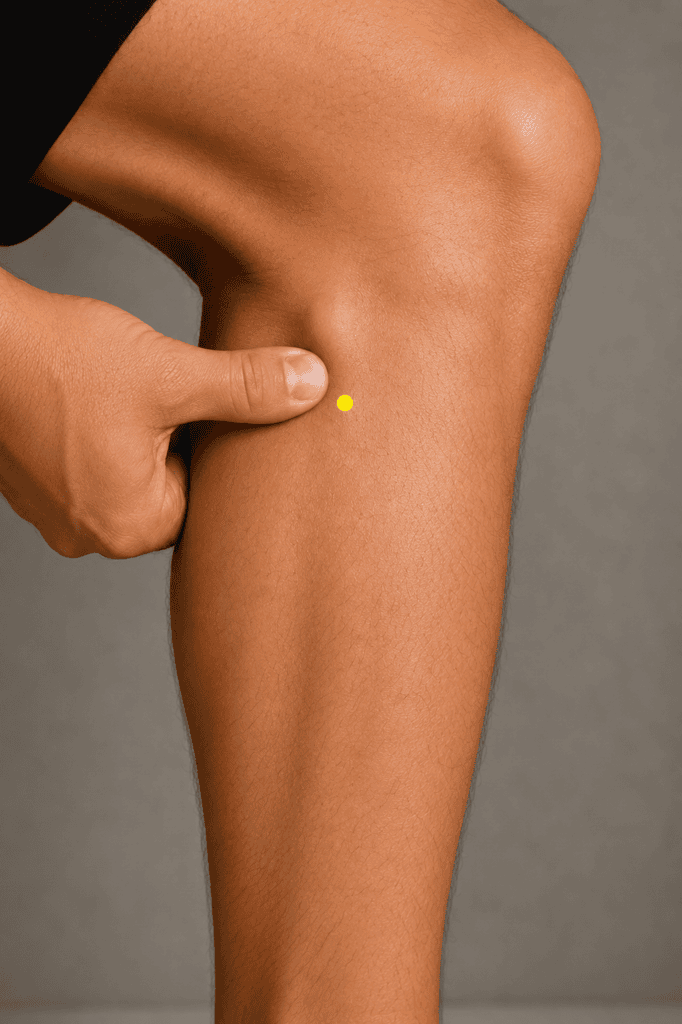
4. Press on GB34 below your outer knee for tendons and ligaments. GB34 sits in the depression on the outer side of the leg just below the knee, in front of and below the head of the fibula. Press firmly with your thumb for one to two minutes on each leg. GB34 is the influential point for tendons and ligaments in Chinese medicine. Every athlete deals with tendon and ligament stress. Runners with IT band issues. Basketball players with patellar tendinitis. Football players with rotator cuff strain. GB34 supports the connective tissue that athletic training constantly stresses.
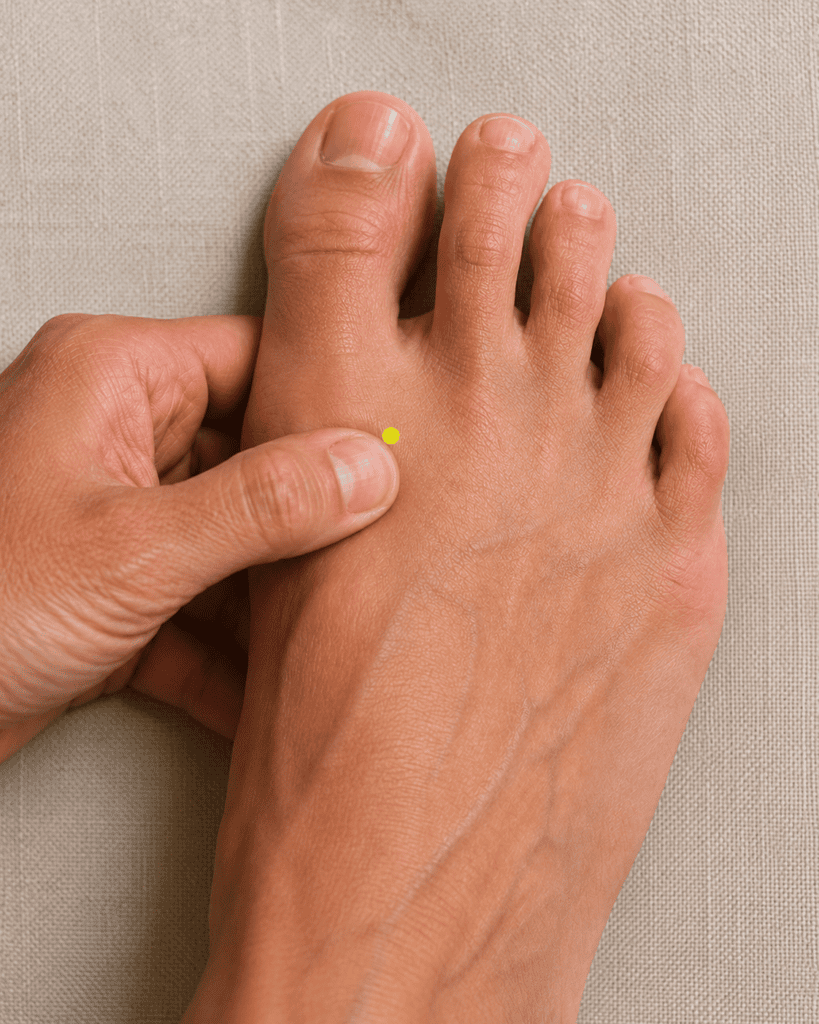
5. Press on LR3 on top of your foot for Liver Qi movement. LR3 sits on the top of the foot in the webbing between the first and second toes, about two finger-widths back from the web. Press firmly with your thumb for one to two minutes on each foot. LR3 moves Liver Qi. The Liver in Chinese medicine governs the smooth flow of Qi and Blood, the tendons, and the emotional patterns of frustration and pressure. Athletes deal with all of these. Regular use of LR3 supports muscular flexibility, emotional regulation under pressure, and the flow that athletic performance requires.
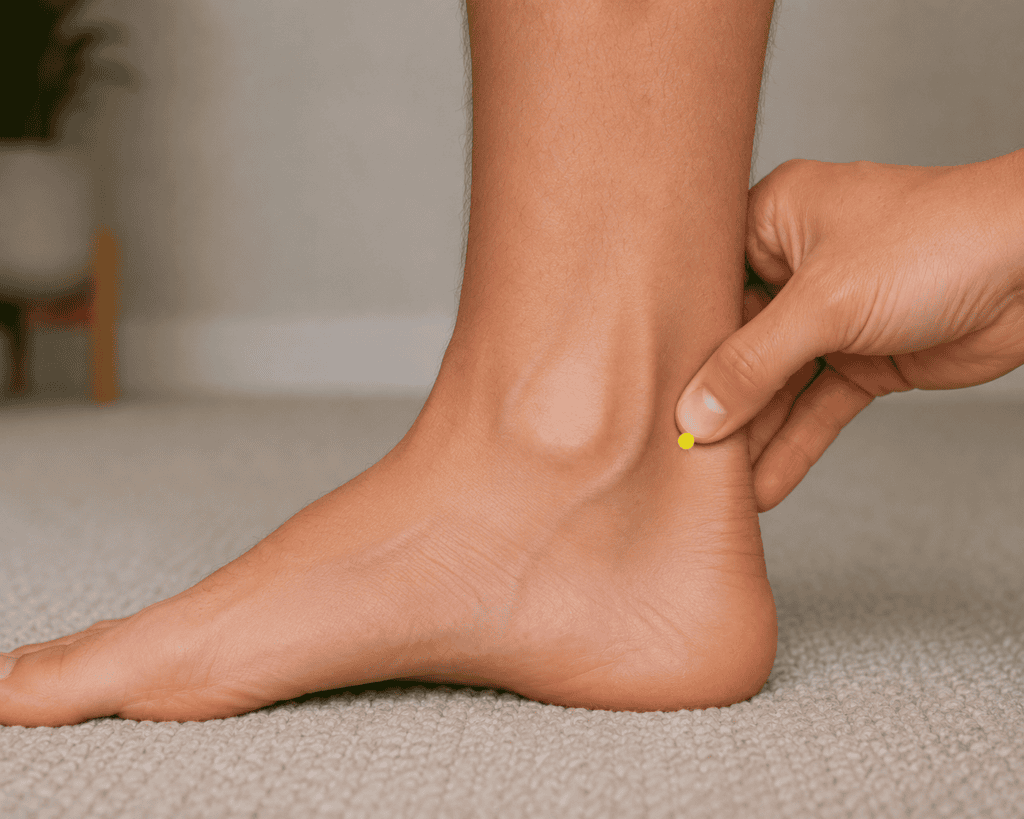
6. Press on KI3 behind your inner ankle for Kidney essence. KI3 sits in the depression behind the inner ankle bone, between the ankle bone and the Achilles tendon. Press firmly with your thumb for one to two minutes on each leg. KI3 tonifies Kidney essence, which is the deep constitutional reserve. Athletic training depletes the Kidneys over time. Regular use of KI3 addresses the constitutional depletion that separates athletes who have long careers from those who burn out.
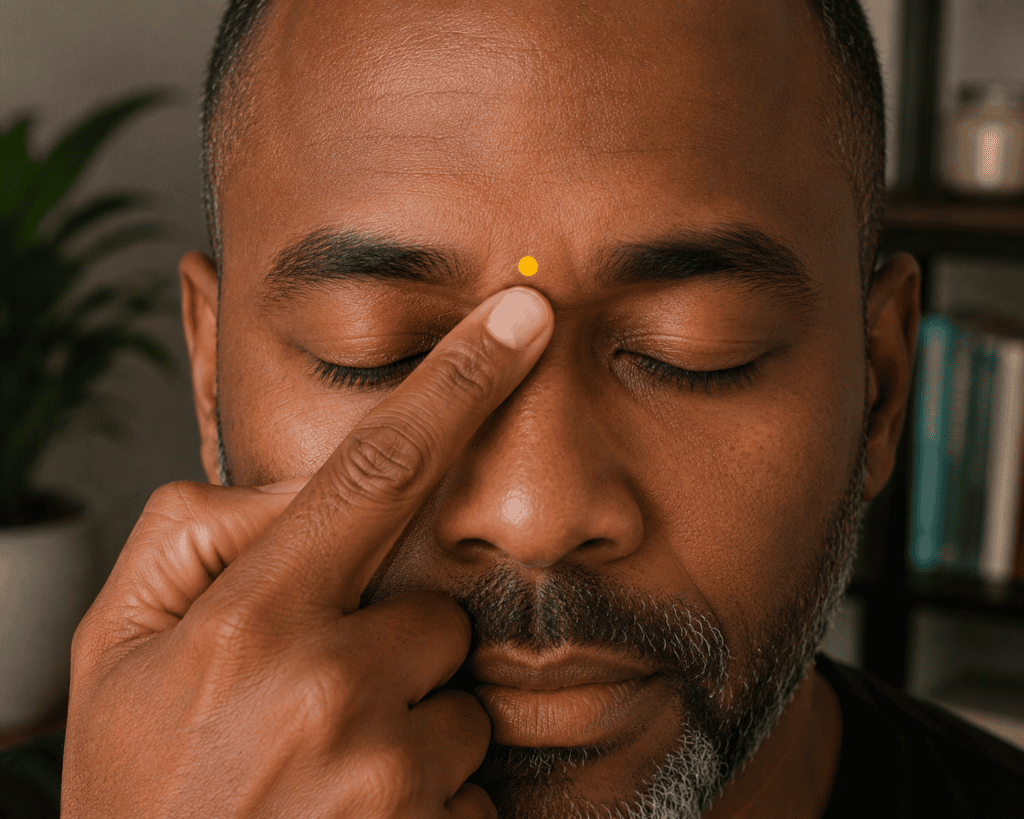
7. Press on Yintang between your eyebrows for nervous system recovery. Yintang sits in the small hollow directly between the eyebrows, above the bridge of the nose. Press gently with your fingertip for one to two minutes. Yintang activates the parasympathetic nervous system directly. Athletes spend hours in sympathetic activation from training and competition. Yintang shifts the nervous system into the recovery state that adaptation and healing require. This is the point for post-training recovery, pre-sleep wind-down, and the mental reset between demanding sessions.
Why These Points Work
Athletic performance and recovery involve several overlapping patterns. The muscular tension from training that never fully releases. The tendon and ligament stress from repetitive movements. The constitutional depletion from sustained training loads. The nervous system activation that competition produces. The inflammation from tissue damage and rebuilding. The sleep patterns that recovery requires.
Acupressure works on several of these patterns at once.
- The recovery points (ST36, SP6, KI3) address the constitutional depletion and energy patterns that consistent training produces.
- The tendon and Liver points (GB34, LR3) support the connective tissue and flexibility that athletic performance requires.
- The pain relief point (LI4) provides medication-free pain management for the constant aches of training and competition.
- The nervous system point (Yintang) shifts the body into the recovery state where adaptation happens.
The chronic inflammation from athletic training responds to the acupressure practice and constitutional support these points provide.
The Mayo Clinic overview of acupuncture and the NCCIH summary provide the medical picture and research base for the tradition.
How to Use the Points
- For post-training recovery, ST36, SP6, and Yintang produce the fastest response. Apply within an hour of finishing training when possible.
- For daily maintenance, working through the full seven-point protocol once a day supports the underlying patterns over time. Morning or evening both work. Consistency matters more than timing.
- For pre-competition preparation, LI4, LR3, and Yintang support pain management, flexibility, and nervous system regulation before performance.
- For sleep and recovery on rest days, KI3 and Yintang before bed support the deep sleep that recovery requires.
- For pain flares from specific injuries, LI4 and GB34 provide the fastest response for muscular and joint patterns.
Firm sustained pressure works well for most points. Yintang is the exception where gentle pressure produces better results.
Pairing acupressure with foundational recovery practices amplifies results. Quality sleep. Adequate protein and nutrition. Regular movement including active recovery. Direct nervous system practices. Consistent training and recovery cycles rather than overloading.
When to Get Professional Help
Acupressure supports daily recovery. It does not replace professional care for specific injuries.
Seek professional evaluation for acute injuries from falls or collisions, joint pain that limits function, muscle tears with visible bruising, chronic pain that has not resolved with self-care, symptoms of overtraining including persistent fatigue and mood changes, and any injury that affects your ability to train or perform.
For patients dealing with specific chronic pain conditions or injuries, professional acupuncture treatment addresses the patterns more comprehensively than home acupressure alone.
Many athletes and active patients also deal with anxiety, stress, and depression that overlap with the demands of high-level training and competition.
Above and Beyond Acupuncture offers acupuncture, cupping, and lifestyle coaching at the North Frank Lloyd Wright Boulevard location in Scottsdale. The same recovery-focused approach professional athletes rely on is available for patients dealing with their own recovery, pain, or performance needs.
Schedule an appointment online or call us today to start your healing journey.
The points above are only as effective as the technique used to apply them. Where to press, how firmly, and for how long all affect the result. For a full breakdown of how to perform acupressure properly at home, read Performing Acupressure in 3 Easy Steps.
About the Publisher
Paul Kerzner, L.Ac., is a licensed acupuncturist and board-certified herbalist, as well as the founder of Above and Beyond Acupuncture in Scottsdale. His own journey from chronic patient to practicing acupuncturist shapes his commitment to providing honest, clinically grounded information about acupuncture and Traditional Chinese Medicine. Learn more about Paul and his clinical approach on the About Us page.