Key Takeaways
- Home remedies for migraines include various techniques that can reduce frequency, intensity, and duration of attacks.
- Effective methods involve creating a dark, quiet space, applying cold, staying hydrated, and considering magnesium supplementation.
- Ginger, sleep consistency, tracking triggers, and nervous system regulation also play crucial roles in managing migraines.
- Essential oils like peppermint and lavender offer additional support during attacks, while maintaining stable blood sugar is important as well.
- Consult a doctor if experiencing severe or new migraine patterns, as they may indicate serious conditions.
If you have migraines, you already know they are not just bad headaches. The specific quality of migraine pain. The nausea. The sensitivity to light and sound. The way an active migraine can shut down an entire day. The recovery period afterward when everything still feels off. Roughly 39 million Americans deal with migraines, and many of them cycle through medications with only partial relief.
Standard care includes preventive medications, abortive medications for acute attacks, and lifestyle interventions. What often gets less attention is the range of home approaches that can meaningfully reduce migraine frequency, intensity, and duration. These are not replacements for medical care when it is needed, but they are genuine tools that many patients find substantially helpful.
The home remedies below come up most often as effective for patients dealing with migraines. Some address active attacks. Others address the underlying patterns that produce recurring migraines. Trying several and finding your specific combination produces the best results.
For patients wanting to add acupressure to home practice, How to Use Acupressure for Migraines covers seven specific points. For patients dealing with chronic migraines who want professional support, Having Migraines? Try Acupuncture covers the clinical picture. For patients wanting to understand why migraines keep happening, Why Do I Keep Getting Migraines? explores the patterns.
Here are ten home remedies worth trying:
Retreat to a Dark and Quiet Room

During an active migraine, the environment matters as much as anything else. The sensitivity to light and sound that migraine produces means that continuing normal activity often intensifies the attack.
Get to a dark quiet room as early in the attack as possible. Close the blinds. Turn off screens. Keep noise minimal. Lie down. This alone can shorten the duration and reduce the peak intensity of the attack.
The earlier in the attack you can do this, the better. Migraine responds to intervention in the early phase in ways that a fully established attack does not.
Apply Cold to the Head and Neck

Cold therapy has genuine research support for acute migraine attacks.
A cold pack, cold cloth, or gel pack applied to the forehead, temples, or back of the neck produces measurable relief for many migraine patients. The cold constricts the blood vessels and reduces the inflammatory response that migraine involves.
Keep a gel pack in the freezer for this purpose. The moment you feel a migraine starting, apply cold to whichever region feels most affected. Some patients prefer the forehead. Others find the base of the neck most effective. Trying both to identify your specific pattern helps.
Hydrate Consistently

Dehydration is one of the most common migraine triggers, and inadequate hydration during an attack worsens symptoms.
Consistent daily hydration reduces migraine frequency for many patients. Aim for water throughout the day rather than large amounts at once.
During an active migraine, sipping water or electrolyte drinks helps if nausea allows. If nausea is severe, small ice chips can work when regular fluids do not.
The nausea component of migraine often improves with hydration once the acute phase passes.
Consider Magnesium Supplementation
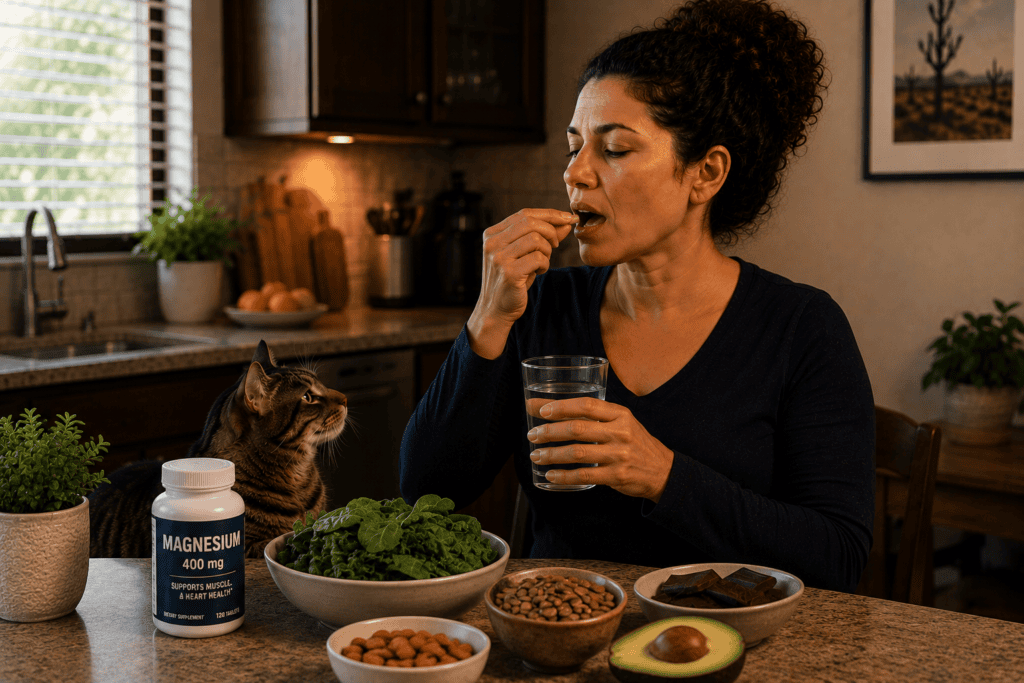
Magnesium has strong research support for migraine prevention. Multiple studies have found magnesium reduces migraine frequency in patients who supplement consistently.
Magnesium glycinate or magnesium malate at 300 to 500 mg per day is a common starting protocol. Magnesium citrate can also work but produces looser stools for some patients.
Talk with your physician before starting supplements. Give the protocol at least two to three months before evaluating whether it is working.
Foods high in magnesium including dark leafy greens, nuts, seeds, and legumes support the supplementation.
Ginger for Nausea and the Migraine
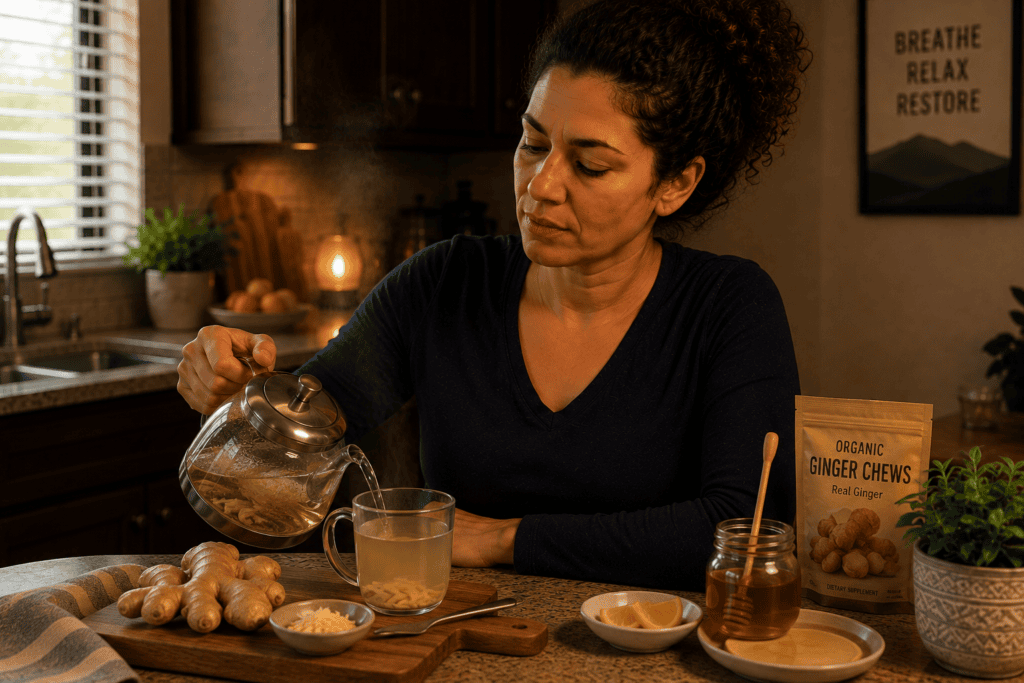
Ginger has research support for both migraine nausea and the migraine attack.
Fresh ginger tea, ginger chews, or ginger capsules can help during acute attacks. Some studies have found ginger comparable to sumatriptan for migraine relief in mild to moderate attacks.
Fresh ginger is the strongest form. Grate a small amount into hot water and let it steep for five to ten minutes. Add honey if desired.
Keep ginger tea bags or ginger capsules accessible for when attacks start.
The Importance of Consistent Sleep
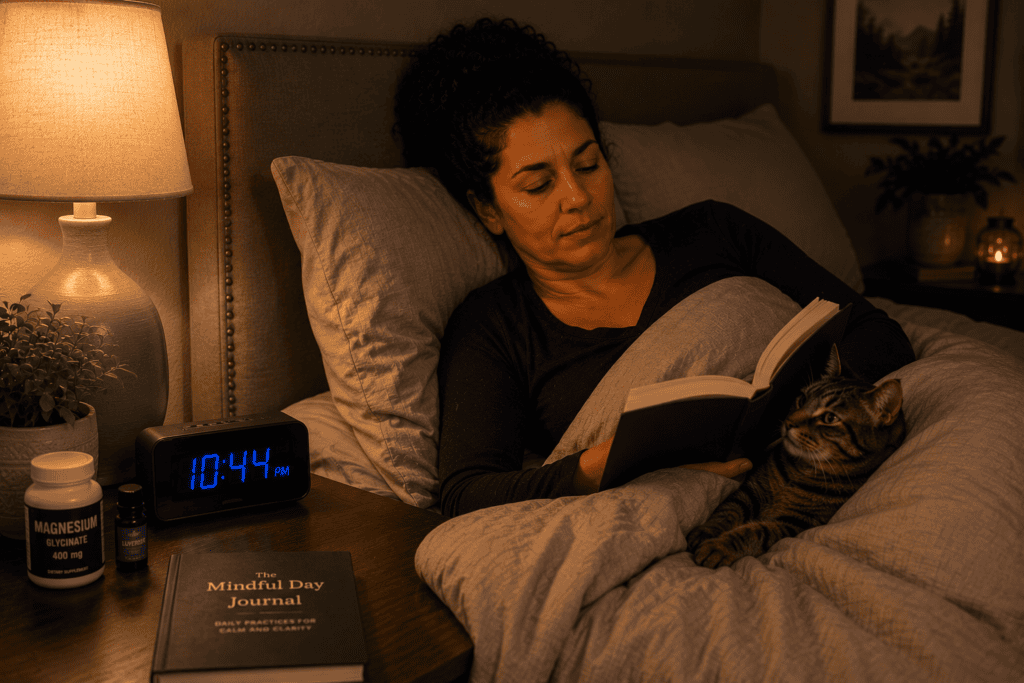
Interrupted, or insufficient, sleep is one of the most consistent migraine triggers. Both insufficient sleep and too much sleep can trigger attacks in some patients.
Consistent sleep and wake times reduce migraine frequency substantially for most patients. Aim for the same schedule seven days a week when possible.
Sleep hygiene practices support quality sleep. Cool dark bedroom. No screens for at least an hour before bed. Consistent wind-down routine. Avoiding caffeine after mid-afternoon.
For patients whose migraines wake them from sleep, the specific pattern needs attention including possible sleep apnea evaluation.
Track Your Triggers

Individual migraine triggers vary widely. Identifying your specific triggers gives you the ability to avoid or manage them.
Keep a migraine journal for at least a month. Note the day, time, and location of each attack. Note what you ate in the 24 hours before, sleep patterns, stress levels, weather changes, hormonal patterns for menstruating women, and any other potentially relevant factors.
Patterns emerge with consistent tracking. Common triggers include specific foods (red wine, aged cheese, chocolate, MSG, artificial sweeteners), skipped meals, changes in caffeine intake, weather changes, hormonal fluctuations, stress patterns, and sleep disruption.
Once triggers are identified, you can proactively work on avoiding or managing them.
Practice Nervous System Regulation

Chronic stress and nervous system activation contribute to migraine patterns. Direct practices that regulate the nervous system reduce migraine frequency for many patients.
Meditation. Breath work. Prayer. Gentle yoga or tai chi. Any consistent practice that shifts the nervous system into parasympathetic activation.
The specific practice matters less than the consistency. Even ten minutes daily produces meaningful effects over weeks to months.
The chronic cortisol elevation from ongoing stress contributes to migraine patterns through effects on inflammation, blood vessel regulation, and nervous system sensitivity.
Peppermint or Lavender Essential Oil
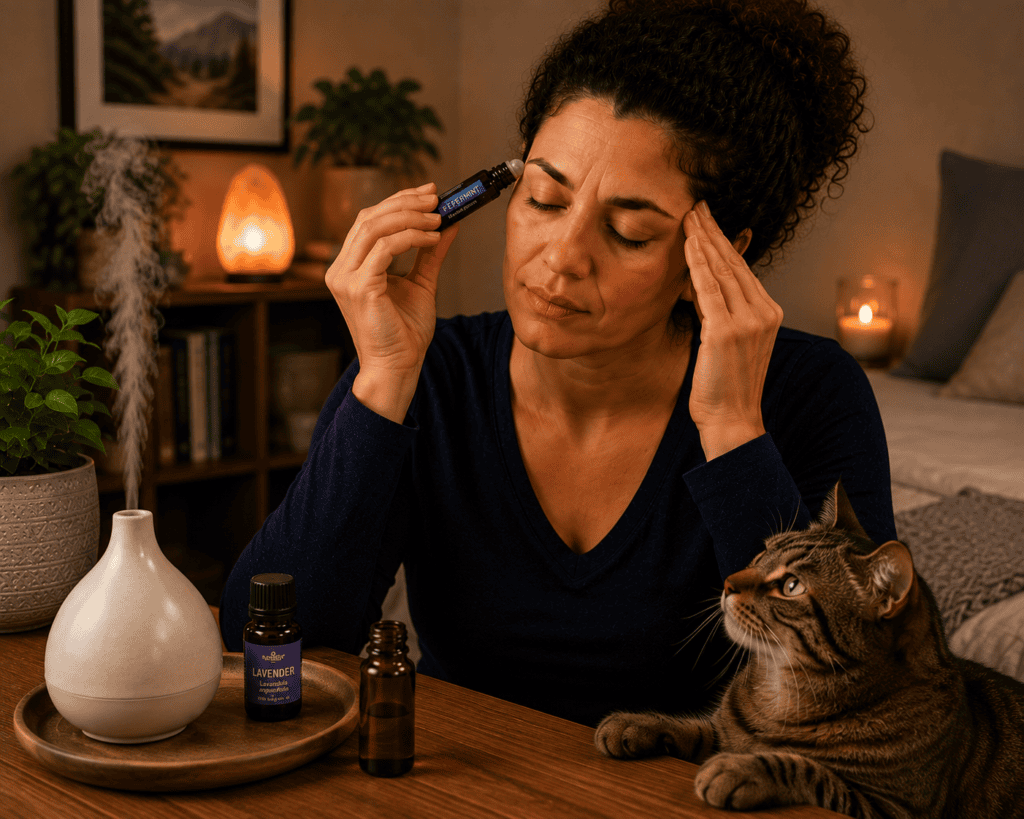
Peppermint oil applied topically to the temples has research support for tension headaches and may help some migraine patients. The cooling sensation and menthol content produce measurable effects on blood flow and pain sensitivity.
Apply a small amount to the temples and back of the neck. Test on a small area first to check for skin sensitivity. Avoid contact with the eyes.
Lavender essential oil inhaled during acute attacks has research support for migraine specifically. Inhaling lavender for fifteen minutes at the onset of an attack has been found to reduce severity in multiple studies.
Both approaches are gentle and low-risk. They may not work for every patient but are worth trying.
Address Blood Sugar Stability

Blood sugar swings trigger migraines for many patients. Skipped meals, high-sugar foods followed by crashes, and irregular eating patterns all worsen migraine frequency.
Eat regular meals at consistent times. Include protein with each meal to support stable blood sugar. Reduce refined sugars and processed foods. Do not skip meals during high-stress periods when migraine risk is elevated.
The connection between blood sugar and migraines is often underappreciated. Addressing it produces meaningful improvement for many patients.
When to See a Medical Professional

Certain migraine patterns warrant medical evaluation rather than home care alone.
- Sudden severe headache described as the worst of your life.
- Migraine with new neurological symptoms including weakness, numbness, vision changes, or difficulty speaking.
- Migraine accompanied by fever or stiff neck. Migraine after head injury.
- Progressive worsening of pattern over weeks or months.
- Migraine that wakes you from sleep.
- New onset migraines after age 50.
These patterns require medical evaluation to rule out serious conditions including stroke, meningitis, brain tumor, or other pathology.
For patients dealing with chronic migraines that home remedies alone are not fully managing, Can Acupuncture Treat Migraines? covers the Eastern Medicine treatment path. The inflammation patterns behind chronic pain conditions can also significantly affect migraine outcomes.
Many patients dealing with chronic migraines also experience anxiety, stress, and depression that compounds with the demands of managing a chronic condition.
Above and Beyond Acupuncture offers acupuncture, cupping, and lifestyle coaching at the North Frank Lloyd Wright Boulevard location in Scottsdale.
Schedule an appointment online or call us today to start your healing journey.
About the Publisher
Paul Kerzner, L.Ac., is a licensed acupuncturist and board-certified herbalist, as well as the founder of Above and Beyond Acupuncture in Scottsdale. His own journey from chronic patient to practicing acupuncturist shapes his commitment to providing honest, clinically grounded information about acupuncture and Traditional Chinese Medicine. Learn more about Paul and his clinical approach on the About Us page.